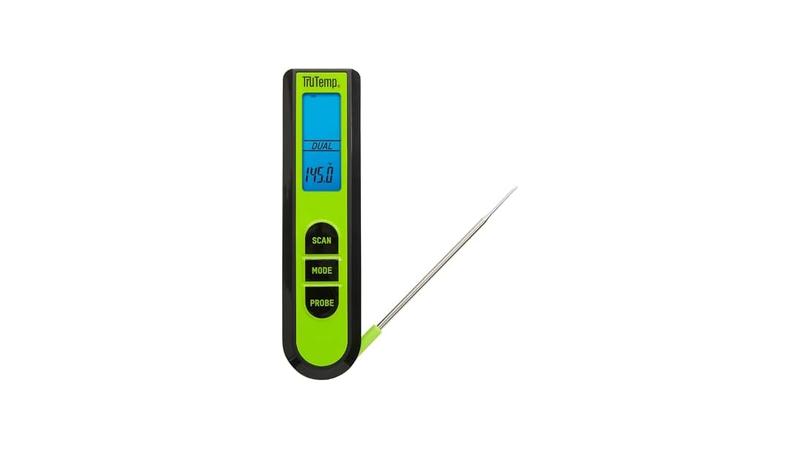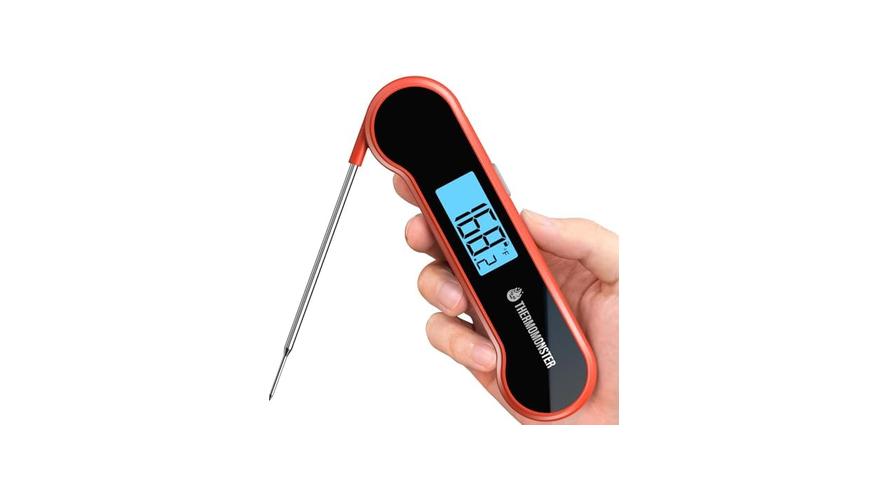
It can be frustrating when your Digital Meat Thermometer Not Working Fix seems difficult, especially if you’re new to cooking or using gadgets. Many people run into small issues with these handy tools, and it’s easy to feel stuck. But don’t worry!
We’ll show you simple steps to get your thermometer working again. Let’s see what might be wrong and how to fix it easily.
Getting Your Digital Meat Thermometer Working Again
This part talks about the most common reasons why your digital meat thermometer might not be working correctly. We will cover simple checks you can do right away. It’s like a quick tune-up for your cooking helper.
We’ll look at things like the battery and how to make sure it’s set up right.
Checking the Battery
A dead or low battery is often the main reason a digital thermometer stops working. Think of it like a toy that won’t turn on because its batteries are gone. Even a little bit of power is needed for the screen to light up and the thermometer to take a reading.
So, the very first thing to do is check if the battery needs replacing.
Many digital meat thermometers use small, round batteries called button cells. You can usually find these at most stores that sell batteries or even at grocery stores. They are often labeled with a code like “CR2032” or “LR44.” It’s a good idea to have a few spares on hand for when this happens.
- Remove the Old Battery: Carefully open the battery compartment. This is usually on the back of the thermometer. You might need a small screwdriver or even just your fingernail to gently pop it out.
This step is important because you need to see the battery clearly to know its type and if it looks worn out. Sometimes, batteries can leak a little, which can also stop the device from working. If you see any white or crusty stuff around the battery, you’ll want to clean that area carefully.
- Install a New Battery: Make sure the new battery is the correct type and is are usually markings inside the compartment showing which way is positive (+) and which is negative (-).
Putting the battery in the wrong way is a common mistake that stops the thermometer from turning on. Always double-check these markings before closing the compartment. If the new battery is inserted correctly, the screen should light up or you’ll hear a beep.
Ensuring the Probe is Connected
The probe is the long, metal part that you stick into the meat. It’s connected to the main body of the thermometer. If this connection is loose or damaged, the thermometer won’t be able to read the temperature correctly.
It’s like a wire coming unplugged from a computer.
Most digital meat thermometers have a probe that plugs into the side or back of the device. Sometimes, this plug can wiggle loose, especially if the thermometer has been moved around a lot or if the cable has been bent sharply. Ensure the probe is pushed in all the way and feels secure.
- Check the Probe Cable: Gently move the cable where it enters the main unit. Look for any visible damage like cuts, frays, or kinks in the wire.
Damage to the cable can mean the wires inside are broken. If you see any of this, it might be hard to fix, and you might need a new probe or even a new thermometer. But for now, just see if it looks okay.
- Clean the Connector: Sometimes, food particles or grease can get into the connection port. You can gently clean this with a dry cloth or a cotton swab.
A clean connection helps ensure that the electrical signals can pass through properly. You don’t want anything blocking the path for the temperature reading. A simple wipe down can sometimes make a big difference.
Troubleshooting Common Digital Meat Thermometer Issues
This section will help you figure out why your digital meat thermometer might be showing wrong readings or not turning on at all. We will go through a few more things to check. It covers simple fixes that usually solve the problem without needing special tools.
Understanding Temperature Readings
It’s important to know what normal readings look like. If your thermometer shows a super low number, like 32°F (0°C), when you know the meat is hot, something is off. Or if it shows a temperature that is way too high, it’s also a sign of a problem.
This can happen for a few reasons.
The metal probe on the thermometer is what actually senses the heat. If the probe itself is damaged or not working right, it can’t send the correct information back to the screen. This could be due to a bent probe or a probe that’s been exposed to extreme heat or cold for too long.
- Test with Ice Water: A simple test is to place the probe in a glass of ice water. It should read around 32°F (0°C).
This is a good way to check if the thermometer is working at a known temperature. If it reads much higher or lower than 32°F, the thermometer might be faulty. Make sure you have enough ice and a little water so the probe is fully submerged and touching the ice.
- Test with Boiling Water: Another test is to place the probe in boiling water. It should read around 212°F (100°C) at sea level.
This test is for higher temperatures. Be very careful when doing this test to avoid burns. If the reading is far off from 212°F, the thermometer’s sensor might be broken or it may need to be calibrated.
Different altitudes can change the boiling point slightly, but it shouldn’t be a huge difference.
Resetting Your Thermometer
Sometimes, electronic devices can get a bit confused, like a computer that needs a restart. A digital thermometer might need to be reset to clear out any glitches. This is a straightforward process for most models.
The exact way to reset your thermometer can vary by brand and model. Some have a small reset button, while others require you to remove the battery for a certain amount of time. Always check your thermometer’s manual for the specific instructions.
- Remove and Reinsert Battery: For many thermometers, simply taking out the battery for a minute or two and then putting it back in will reset the device.
This action forces the thermometer to start fresh, clearing any temporary errors in its memory. It’s a bit like turning your phone off and on again when it acts strange. This is a common fix for many small electronic issues.
- Look for a Reset Button: Some thermometers have a tiny button, often recessed, that you need to press with a paperclip or a pin.
This button is specifically designed to reset the device to its factory settings. You won’t typically find it on all models, but if yours has one, using it can often solve persistent problems. Press and hold it for a few seconds as instructed in your manual.
Advanced Troubleshooting for Digital Meat Thermometer Not Working Fix
If the simple fixes didn’t work, this section goes into slightly more detail. We’ll explore less common issues and solutions. This part is for those who want to make sure every possible cause is checked before giving up on their thermometer.
Cleaning the Probe and Body
Food residue or grease on the probe can interfere with its ability to measure temperature accurately. Also, dirt on the main body can sometimes cause issues with buttons or the screen.
A clean probe ensures that the sensor is in direct contact with the food’s heat. If it’s covered in gunk, it’s like wearing a thick glove when trying to feel something hot – you won’t get an accurate sense of the temperature. Regularly cleaning the probe is also good for hygiene.
- Clean the Probe: Use warm, soapy water and a soft cloth or sponge to clean the metal probe.
Avoid using abrasive cleaners or steel wool, as these can scratch the probe and damage its surface. Rinse it thoroughly and dry it completely with a clean towel. For stubborn residue, you can use a paste of baking soda and water, but be gentle.
- Clean the Thermometer Body: Wipe down the plastic casing with a damp cloth.
If there’s sticky residue, a little mild soap can help. Make sure no water gets into the battery compartment or any electronic parts. For buttons that might be sticking, a slightly damp cotton swab can help clean around them.
Checking for Water Damage
Digital thermometers are electronic devices, and electronics don’t mix well with water. If your thermometer has been dropped in water or splashed heavily, it might not work anymore.
Water can cause corrosion on the internal electronic components. It can also create short circuits, which can permanently damage the thermometer. If you suspect water damage, the chances of a simple fix are lower, but there are still steps you can try.
- Dry Thoroughly: If the thermometer got wet, dry it immediately and thoroughly.
Remove the batteries as soon as possible. Then, try to dry all accessible parts with a soft cloth. You can also try placing the thermometer in a sealed bag filled with uncooked rice or silica gel packets for a few days.
These materials absorb moisture.
- Look for Corrosion: After drying, open the battery compartment and check for any signs of rust or a greenish-blue powdery substance.
This is corrosion, and it means water has been inside. If you see corrosion, you can try to clean it carefully with a cotton swab dipped in rubbing alcohol. However, significant corrosion often means the device is beyond repair.
When to Consider a New Digital Meat Thermometer
Sometimes, even with all the troubleshooting, a digital meat thermometer just can’t be fixed. This section covers when it might be time to get a new one. It helps you decide if it’s worth trying to repair an old one or if buying a new, reliable thermometer is the better choice for your cooking needs.
Signs Your Thermometer is Beyond Repair
There are a few clear signs that tell you your thermometer has likely given up the ghost. These are usually pretty obvious indicators that the internal workings have failed.
If the screen remains completely blank after trying new batteries and checking connections, it’s a strong sign the electronics are dead. This could be due to internal damage that isn’t visible from the outside, like a fried circuit board.
- Persistent Blank Screen: If no matter what you do, the display won’t turn on, even with fresh batteries, the internal electronics might be damaged.
This is a common symptom of a failure in the power supply or the display driver components. Without power reaching the screen or the screen itself being functional, the thermometer is useless. This often happens after a significant drop or impact.
- Erratic or Unstable Readings: If the thermometer shows wildly different temperatures one second to the next, or if it fluctuates wildly even when the food’s temperature is steady, it’s not reliable.
This indicates a problem with the temperature sensor or the processor that interprets the sensor’s signal. A thermometer needs to give consistent and accurate readings to be useful. Unstable readings are a safety concern as they can lead to undercooked food.
Making a Smart Purchase for a Replacement
If you need a new thermometer, there are many great options available. Choosing the right one means thinking about what you cook most often and what features are most important to you. This way, you get a tool that works well for your needs.
Consider the speed of the reading. Some thermometers give a temperature reading in just a few seconds, which is great for quick checks. Others might take 10-20 seconds.
Think about whether you need it for quick grilling checks or for slower cooking like roasts.
- Read Reviews: Look at what other users say about different models.
Reviews can tell you about common issues, how easy a thermometer is to use, and its overall accuracy. Pay attention to comments about battery life and durability. A thermometer that many people praise is usually a safe bet.
- Consider Features: Think about features like back-lit displays for dark kitchens, waterproof bodies for easy cleaning, or programmable alerts for specific temperatures.
Some thermometers also have longer probes, which are handy for larger cuts of meat or for keeping your hands further from the heat. The probe material can also matter; stainless steel is common and durable.
Frequently Asked Questions
Question: My digital meat thermometer just shows “Err.” What does that mean?
Answer: The “Err” message usually means there’s an error in the reading. This could be because the probe is not properly connected, the temperature is outside the thermometer’s range (too hot or too cold), or there’s a problem with the probe itself. Try reinserting the probe, checking the battery, and testing it with ice water or boiling water.
Question: Can I wash my digital meat thermometer in the dishwasher?
Answer: Most digital meat thermometers are NOT dishwasher safe. The heat and water in a dishwasher can damage the electronic components and the display. It’s best to clean the probe with warm, soapy water and a soft cloth, and wipe the main unit with a damp cloth.
Question: How often should I replace the battery in my digital meat thermometer?
Answer: This depends on how often you use it and the battery type. If you use it regularly, you might need to replace the battery every 6-12 months. If it starts to show dim readings or turn off unexpectedly, it’s likely time for a new battery.
Question: My digital meat thermometer seems slow to give a reading. Is this normal?
Answer: Some thermometers are faster than others. High-quality instant-read thermometers can give a reading in 2-5 seconds. If yours takes 20-30 seconds or more, it might be an older model or a less expensive one.
If it’s suddenly become slower, check for probe damage or dirt. Otherwise, it might just be its normal speed.
Question: What is the best way to store my digital meat thermometer?
Answer: Store your thermometer in a clean, dry place. Many come with a protective sheath for the probe, which is useful to prevent damage and keep it clean. Avoid storing it where it could be bent, crushed, or exposed to extreme temperatures.

Final Thoughts
Getting your digital meat thermometer working again is usually quite simple. By checking the battery, probe connection, and cleaning it, you can fix most common problems. If these steps don’t help, it might be time for a new one.
Happy cooking!