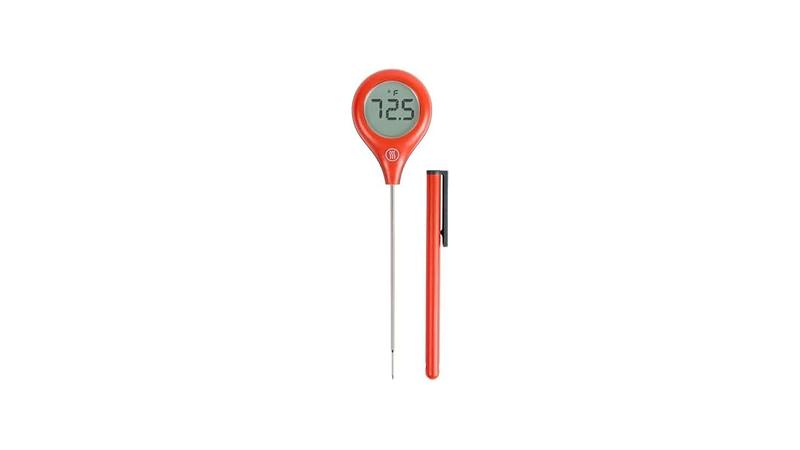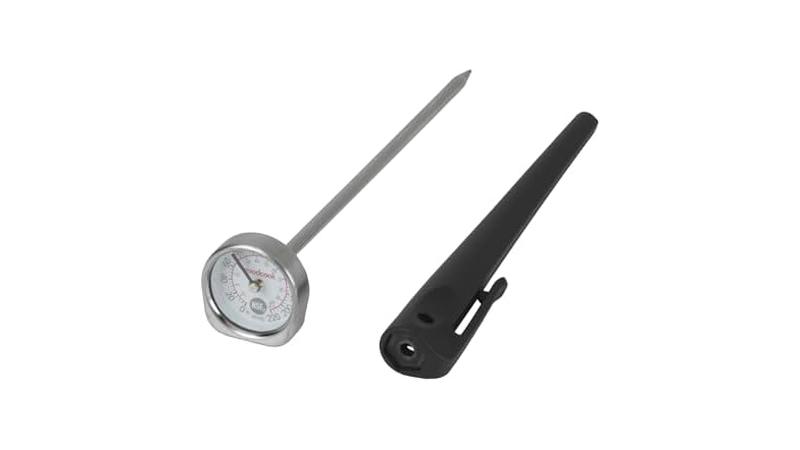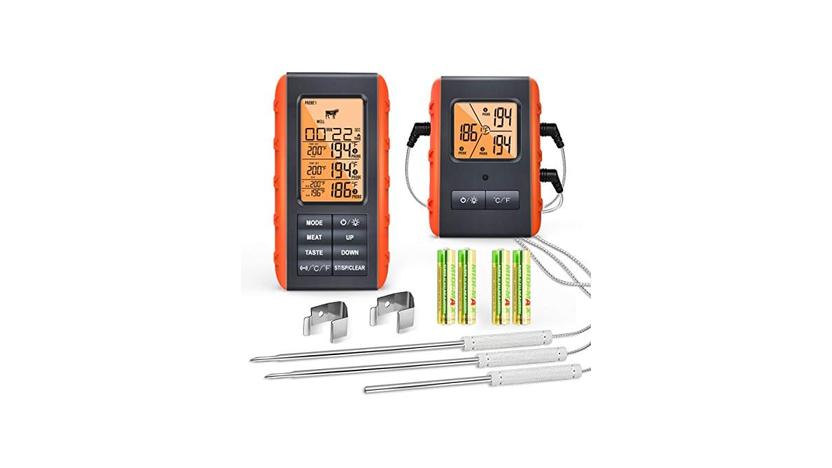
It can be really frustrating when your meat thermometer’s batteries seem to run out all the time. This Meat Thermometer Battery Draining Fast Fix issue is super common, especially for folks just starting out with cooking or grilling. It feels like you just put new batteries in, and poof, they’re dead again!
Don’t worry, though. We’ll walk through some simple steps to figure out why this is happening and how to stop it. You’ll be cooking perfectly every time without worrying about battery life soon.
Common Reasons for a Meat Thermometer Battery Draining Fast Fix
This section explores the everyday causes behind a meat thermometer’s batteries disappearing too quickly. It’s a frustrating problem for many home cooks, and understanding the simple reasons can save a lot of annoyance and money on replacement batteries. We’ll cover how different battery types, device settings, and even external factors can contribute to this common issue.
By the end, you’ll have a clear picture of what might be going wrong and how to prevent it.
Battery Type Matters
The kind of batteries you use in your meat thermometer can really make a difference. Not all batteries are created equal, and some are simply not designed to hold a charge for as long as others, especially in devices that need consistent power. Cheap, no-name batteries might seem like a bargain, but they often have lower capacity and can drain much faster.
-
Alkaline Batteries: These are the most common and cheapest batteries. They work fine for low-drain devices but can quickly lose their power in thermometers that are always on or have bright displays. They are also more prone to leaking if left in a device for too long, which can damage the thermometer.
Alkaline batteries are designed for short bursts of power. Think of a TV remote; it doesn’t use much energy. A meat thermometer, however, often has a digital screen that stays lit, a sensor that’s always trying to read temperature, and sometimes even Bluetooth or Wi-Fi capabilities.
These functions demand more power than a standard alkaline battery can comfortably provide for an extended period, leading to a fast drain.
-
Lithium Batteries: These are generally more expensive upfront but last much longer and perform better in a wider range of temperatures. They offer a more consistent voltage output, which means your thermometer will likely read more accurately for a longer time. For devices like meat thermometers where reliability is key, lithium batteries are often a better investment.
Lithium batteries have a higher energy density. This means they pack more power into the same size battery compared to alkaline ones. They also have a much lower self-discharge rate, meaning they hold their charge for years even when not in use.
This makes them ideal for appliances that need a stable power source for extended operation, such as many modern digital meat thermometers.
Device Settings and Features
Modern meat thermometers come with a lot of handy features, but these can also be battery hogs. Things like bright LED screens, wireless connectivity, and automatic shut-off delays all consume power. Understanding these settings is key to managing battery life.
Automatic Shut-Off Features
Many digital meat thermometers are designed to turn off automatically after a certain period of inactivity to save battery. However, the default settings for this delay might be too long for some users, or perhaps the sensor is still active even when the screen appears off. If your thermometer stays on longer than you expect, it’s likely draining power unnecessarily.
-
Adjustable Auto-Off: Some advanced thermometers allow you to adjust how long the device stays on before shutting off. Setting this to a shorter duration can significantly extend battery life. Always check your user manual to see if this feature is available and how to access it.
If your thermometer has an option to change the auto-off time, playing with it can yield big results. For instance, if you usually put your thermometer down for only a few minutes while you baste, setting it to turn off after 5 minutes instead of 15 can save a lot of power over time. This simple adjustment means the device isn’t drawing power when it doesn’t need to.
-
Always-On Displays: Certain models might have an “always-on” display option, perhaps for convenience during long cooking sessions. While useful, this feature will drain batteries at an accelerated rate. If you don’t need the display constantly visible, disabling this option is a straightforward way to conserve power.
Some thermometers are built to be super convenient, letting you see the temperature at a glance without pressing any buttons. This is great when your hands are messy. However, keeping that bright screen lit all the time uses a steady stream of power.
Turning it off when you’re not actively checking the temperature is a smart move for battery conservation.
Connectivity Features
Wireless connectivity, such as Bluetooth or Wi-Fi, allows your meat thermometer to send readings to your smartphone or tablet. While incredibly convenient, these wireless radios are power-hungry. If you’re not actively using the app or monitoring remotely, turning off the thermometer’s wireless features can save significant battery power.
-
Bluetooth and Wi-Fi Usage: Constantly searching for a connection or maintaining an active link drains batteries. If you’re just doing a quick check of your steak, you might not need to connect to your phone. Disconnecting or turning off the wireless function when not needed is a prime strategy.
When your thermometer’s Bluetooth or Wi-Fi is on, it’s like having a tiny radio constantly broadcasting and listening. This process requires energy. If you’re grilling in the backyard and your phone is inside, the thermometer will keep trying to connect, using up battery.
Simply turning off the wireless feature when you’re done with the app stops this power drain.
-
Firmware Updates: Some smart thermometers may periodically check for firmware updates, even when not actively connected. This background activity, while intended to keep your device up-to-date, can also contribute to battery depletion over time.
Just like your phone or computer needs updates to work better, some smart thermometers do too. These updates help fix bugs or add new features. But even when you’re not actively using the app, the thermometer might be checking in with the internet to see if there’s a new update available.
This small, background task uses a little bit of power, and it adds up.
External Factors Affecting Battery Life
Beyond the thermometer itself, environmental conditions and how you store the device can also impact how long your batteries last. Extreme temperatures and improper storage can degrade battery performance.
Temperature Extremes
Meat thermometers are often used in challenging environments, like hot grills or cold refrigerators. Extreme temperatures can significantly affect battery performance and lifespan. Cold can reduce a battery’s ability to deliver power, making it seem like it’s draining faster.
-
Cold Weather Performance: Batteries, especially alkaline ones, perform poorly in cold conditions. If you’re using your thermometer in a chilly outdoor setting, the battery might struggle to supply enough power, leading to inaccurate readings or seemingly dead batteries.
Imagine trying to run a marathon on a freezing day. Your body wouldn’t perform as well, right? Batteries are similar.
When it’s really cold outside, the chemical reactions inside the battery slow down. This means the battery can’t push out as much electricity, making it appear weak or drained, even if it still has some life left in it.
-
Heat Impact: While less common than cold’s effect, excessive heat can also degrade batteries over time and lead to leakage, which can permanently damage the thermometer. It’s best to store your thermometer in a moderate environment when not in use.
Leaving batteries in a super hot car during summer, for example, can be bad for them. High heat can cause the internal components of a battery to break down faster. It can also increase the risk of the battery leaking its chemicals, which is not good for your thermometer’s internal electronics.
Storage and Handling
How you store your meat thermometer when it’s not in use can also be a factor. Leaving it in a humid environment or with the battery contacts exposed to air can lead to corrosion or a slow drain. Always store your thermometer in a dry, protected place.
-
Moisture and Corrosion: If your thermometer is stored in a damp place, moisture can get into the battery compartment and cause corrosion on the battery contacts. This corrosion creates resistance, making it harder for the battery to power the device and leading to premature failure.
Think of what happens to an old coin left outside; it gets a green or dark coating. That’s corrosion. When the metal parts inside your thermometer’s battery compartment get corroded, it’s like putting a dirty shirt on a runner; it slows them down.
This extra resistance means the battery has to work harder, and its power is used up faster.
-
Battery Discharge: Even when a device is “off,” some very small amount of power can still leak out, especially if the device isn’t truly powered down or if there’s a fault. If the thermometer is stored with the batteries in and a slight power drain is occurring, over long periods, this can deplete the batteries.
Sometimes, even when you think something is off, it’s not completely “sleeping.” A tiny bit of power might still be trickling out. If your thermometer has a tiny internal issue or isn’t fully powering down, this slow leak can empty the batteries over weeks or months, leading to a surprise when you next want to use it.
Troubleshooting Your Meat Thermometer Battery Draining Fast Fix
When you’re facing the common frustration of a rapidly draining battery in your meat thermometer, troubleshooting is key. This section will guide you through practical steps to diagnose the problem and implement solutions. We’ll look at simple checks you can do yourself before considering more advanced steps.
Getting your thermometer back to reliable performance is the main goal here.
Checking for Obvious Issues
The first step in solving any problem is to check for the most straightforward causes. Often, the solution to a fast-draining battery is something very simple that’s easily overlooked.
-
Loose Battery Connection: Ensure the batteries are seated correctly and making good contact. Sometimes, a slightly loose battery can cause an intermittent connection, which can lead to the device trying to draw more power to maintain a signal.
A good connection is like a firm handshake; it lets the signal flow smoothly. If a battery is wiggly or not pushed in all the way, the electricity has a harder time getting through. This can make the thermometer act funny and use up power trying to keep things working right.
-
Battery Compartment Debris: Inspect the battery compartment for any lint, dust, or corrosion that might be interfering with the electrical connection. A quick clean with a dry cloth or a pencil eraser can often resolve this.
Think of the battery compartment as a tiny room for the batteries. If it’s full of dust bunnies or has some yucky stuff on the metal bits, the batteries can’t connect well. Cleaning it out is like tidying up that room so everything can work properly.
Resetting the Thermometer
Sometimes, electronic devices can develop minor glitches that cause them to behave unexpectedly, including draining batteries faster than usual. A simple reset can often clear these issues.
-
Power Cycling: Remove the batteries from the thermometer for at least 60 seconds, then reinsert them. This simple act of “power cycling” can reset the device’s internal electronics and clear any temporary software glitches that might be causing excessive power drain.
When your computer freezes, you often restart it. Doing the same for your thermometer by taking out the batteries and putting them back in can fix little electronic hiccups. It’s like giving the thermometer a fresh start.
-
Factory Reset (if applicable): Some advanced digital thermometers have a factory reset option accessible through the settings menu. Consult your user manual to see if this is an option for your specific model. A factory reset will return all settings to their default values, which can resolve hidden software issues.
If a simple restart doesn’t work, some thermometers have a “go back to how it was made” button. This is called a factory reset. It erases all your custom settings and makes the thermometer like new again.
This can fix deeper software problems that might be making the batteries die fast.
Testing Battery Life
To truly understand if your batteries are draining too fast, you need to test them systematically. This involves using the same type of battery and documenting the results.
-
Using New, High-Quality Batteries: Always start by using a fresh set of new, high-quality batteries (e.g., name-brand alkaline or lithium, depending on your thermometer’s requirements). This eliminates old or faulty batteries as the cause.
It’s important to know what “good” looks like. So, when you test, use the best batteries you can find. This way, you know for sure if the problem is with the batteries themselves, or if it’s something else going on with the thermometer.
-
Tracking Usage Time: Note down the date and time you insert new batteries. Then, keep track of how long the thermometer is in use (e.g., how many cooking sessions, how long the display is on) until the low battery indicator appears or the device stops working. This data can reveal patterns.
Keeping a little diary for your thermometer can be super helpful. Write down when you put in new batteries and then jot down each time you use it. This helps you see exactly how long they are lasting.
You can then compare this to what the manufacturer says or what you expect.
Assessing Connectivity Settings
If your thermometer has wireless features, these are often the biggest culprits for rapid battery drain. It’s crucial to assess how you’re using them.
-
Disable Bluetooth/Wi-Fi When Not Needed: If your thermometer has Bluetooth or Wi-Fi, make a conscious effort to turn these features off when you are not actively using them with an app. This is often the single most effective step to extend battery life.
Think of Bluetooth and Wi-Fi as extra lights in your house. If you don’t need them on, you turn them off to save electricity. Your thermometer’s wireless signals work the same way; they use power when they are active, so turning them off saves battery.
-
Test with Wireless Off: Conduct a battery life test with the wireless features completely disabled. If the batteries last significantly longer, you’ve found your primary cause. You can then decide if the convenience of wireless is worth the increased battery usage or if you’ll manage it more carefully.
To really pinpoint if the wireless connection is the problem, try using your thermometer without it for a while. If the batteries last much, much longer, then you know that’s where most of the power is going. This helps you make smart choices about when to use that feature.
Understanding Your Thermometer’s Limits
Every device has its own limitations and expected battery life. It’s important to have realistic expectations based on the thermometer’s design and features.
-
Consult the User Manual: Your user manual is your best friend. It should provide information on the expected battery life under normal usage conditions and recommendations for battery types.
The little booklet that comes with your thermometer isn’t just for decoration. It has all the important information, like what kind of batteries to use and how long they should last. Reading it is a smart first step before you get frustrated.
-
Manufacturer Specifications: Check the manufacturer’s website for specifications and support documents. They might have FAQs or troubleshooting guides that address common battery issues for your specific model.
Sometimes, the company that made your thermometer has extra tips online. Their website might have a section with answers to common questions. Looking there can give you specific advice for your model that you won’t find anywhere else.
Maximizing Meat Thermometer Battery Life and Maintenance
Once you’ve identified the causes and troubleshooted potential issues, the next step is to implement strategies for maximizing battery life and ensuring your meat thermometer remains a reliable cooking companion. This involves good habits and understanding how to care for the device. Focusing on these practices can prevent future battery drain problems.
Choosing the Right Batteries
The choice of battery can have a significant impact on how long it lasts. Understanding the differences between battery types and their performance in your specific thermometer is key.
-
Invest in Quality Batteries: While cheaper batteries might seem appealing, they often have a lower capacity and shorter lifespan. Opting for reputable brands known for their reliability and long-lasting performance is a wise investment.
It’s like buying good tools for your kitchen. Cheap knives might cut, but good ones make the job easier and last longer. The same goes for batteries; spending a little more on a good brand can save you money and frustration in the long run.
-
Lithium vs. Alkaline: For devices that require more power or are used frequently, lithium batteries often offer superior performance and longevity compared to standard alkaline batteries, even though they cost more initially.
If you use your thermometer a lot, especially for long cooks or if it has fancy features, lithium batteries might be your best bet. They hold more power and can last for a really long time, making them worth the extra cost for consistent performance.
Smart Usage Habits
Developing good habits when using your thermometer can make a big difference in battery longevity. These are simple practices that don’t require much effort but yield significant results.
-
Turn Off When Not in Use: This sounds obvious, but it’s easy to forget. Make it a habit to manually turn off your thermometer immediately after you’ve finished taking a temperature reading, especially if it doesn’t have a very short auto-off timer.
It’s like turning off the lights when you leave a room. Just a quick press of the button to switch it off saves power. Make it a habit after every use, and your batteries will thank you.
-
Manage Connectivity Wisely: Only enable Bluetooth or Wi-Fi when you actively need to connect to an app or receive remote notifications. Turning these off when not in use is one of the most impactful ways to conserve battery power.
If you’re not using your phone with the thermometer, don’t let the thermometer’s wireless signal run. It’s like leaving the TV on when no one is watching. Turn it off, and you save energy.
-
Adjust Auto-Off Settings: If your thermometer allows you to adjust the auto-off timer, set it to the shortest duration that is still practical for your cooking needs. This prevents the device from staying on longer than necessary.
Set your thermometer to turn itself off faster if you can. If it usually turns off after 10 minutes of no use, see if you can change it to 5 minutes. This small change can add up to days or weeks of extra battery life.
Proper Storage and Maintenance
How you store and maintain your thermometer can prevent issues that lead to battery drain and device damage.
-
Store in a Dry, Cool Place: Avoid storing your thermometer in areas with high humidity or extreme temperatures, such as a damp garage or a hot car. A dry, cool environment will help preserve battery health and prevent corrosion.
Keeping your thermometer in a kitchen drawer or a dedicated utensil holder is usually a good idea. Avoid places that are too hot, too cold, or too damp, as these conditions can harm both the thermometer and its batteries.
-
Remove Batteries for Long-Term Storage: If you plan to store your meat thermometer for an extended period (e.g., several months), it’s a good practice to remove the batteries. This prevents any slow, unintended discharge and protects against potential battery leakage.
If you won’t be using your thermometer for a while, it’s best to take the batteries out. This way, there’s no chance of them slowly losing power or leaking chemicals inside the thermometer while it’s just sitting there.
-
Regular Cleaning: Periodically inspect the battery compartment and probe for any signs of dirt, grease, or corrosion. Clean gently with a soft, dry cloth or a cotton swab dipped in a small amount of rubbing alcohol for the contacts if needed.
Give your thermometer a little clean now and then. Wipe down the probe after use, and check the battery area for any gunk. Keeping it clean helps everything work smoothly and prevents problems that could drain batteries.
Understanding Device Lifespan
Sometimes, the issue isn’t just batteries; it’s the age of the thermometer itself. Electronics have a lifespan, and older devices might start to experience performance issues.
-
Aging Electronics: As electronic components age, they can become less efficient. An older thermometer might develop internal issues that lead to increased power consumption, even if it’s not immediately obvious.
Just like anything electronic, thermometers can get old. After several years of use, the little parts inside might not work as perfectly as they used to. This can sometimes make them use more power than they did when they were new.
-
When to Consider Replacement: If you’ve tried all troubleshooting steps, used high-quality batteries, and managed settings carefully, but your thermometer continues to drain batteries rapidly, it might be time to consider purchasing a new one. Modern thermometers often offer improved battery efficiency and features.
If you’ve tried everything in this guide and your thermometer still eats batteries, it might just be its time to retire. Newer models are often designed to be more efficient with power. Sometimes, getting a new one is the easiest fix.
Meat Thermometer Battery Draining Fast Fix: Real-Life Scenarios
To truly grasp how a Meat Thermometer Battery Draining Fast Fix can be solved, looking at common situations can be incredibly helpful. These scenarios illustrate the practical application of the advice we’ve discussed, showing how simple changes can make a big difference. By seeing how others tackled this issue, you can better understand how to apply the solutions to your own thermometer.
Scenario 1: The Grilling Enthusiast’s Dilemma
Mark was an avid griller who loved using his wireless meat thermometer to monitor his steaks and roasts from his patio. He found that he was constantly replacing the AAA batteries, sometimes after only a few grilling sessions. He loved the convenience of the app, but the battery cost was adding up.
- Mark decided to test his theory that the wireless connection was the culprit. He took out his thermometer and went through the device’s settings to disable Bluetooth.
- He then used the thermometer for several grilling sessions, manually checking the temperature on the device’s screen instead of using the app.
- To his surprise, the batteries lasted for over a month of regular grilling. Mark realized that while the app was convenient, he didn’t always need it. He decided to only enable Bluetooth when he was doing very long cooks or when he couldn’t be right next to the grill.
- This simple adjustment saved him a significant amount on batteries and made his grilling experience much more enjoyable without the constant worry of a dead thermometer.
This scenario shows how understanding when to use power-hungry features can solve the problem. Mark didn’t have to give up his thermometer; he just learned to use its advanced features more wisely.
Scenario 2: The Busy Home Cook’s Frustration
Sarah, a busy parent, used her digital meat thermometer for daily cooking. She noticed that a set of batteries would often die within a couple of weeks, even though she wasn’t using the thermometer for hours on end. She used a variety of brands and assumed all batteries were the same.
- Sarah decided to invest in a pack of premium lithium batteries, despite their higher cost.
- She also made a point to ensure the thermometer was fully switched off after each use, even if it only took a few seconds. She noticed her old thermometer had a dim glow sometimes, suggesting it wasn’t completely off.
- Additionally, she cleaned the battery contacts with a pencil eraser after changing the batteries.
- Within a few weeks, Sarah noticed a significant difference. The new batteries lasted nearly twice as long as her previous ones. She also found that the thermometer seemed to respond faster.
Sarah’s experience highlights the dual impact of using better quality batteries and adopting better usage habits. Even simple actions like ensuring the device is off and cleaning contacts can prevent battery drain.
Scenario 3: The Left-Out Thermometer
David stored his meat thermometer in his outdoor kitchen drawer, which was occasionally exposed to heat and moisture. He’d grab it for a barbecue, only to find the battery dead. He assumed the batteries were just old or faulty.
- David decided to clean his thermometer’s battery compartment thoroughly. He found some slight corrosion on the contacts.
- He
- He also made sure to remove the batteries from the thermometer for the winter months when he wouldn’t be using it as much for outdoor cooking.
- After these changes, David found that his batteries lasted much longer and he no longer had the issue of a dead thermometer when he needed it for an impromptu cookout.
This scenario underscores the importance of proper storage. Environmental factors like moisture and heat can degrade batteries and damage the device, leading to premature failure. By addressing storage conditions, David solved his recurring battery problem.
Frequently Asked Questions
Question: Why does my meat thermometer’s battery die so quickly even when I don’t use it?
Answer: This can happen due to a few reasons. Some thermometers have a small power drain even when they appear to be off. Also, if you store it in a place with extreme temperatures or moisture, it can affect the battery.
Make sure to turn it off completely, and if you’re storing it for a long time, consider removing the batteries.
Question: Can using cheap batteries really make a difference in how fast they drain?
Answer: Yes, absolutely. Cheaper batteries often have lower capacity, meaning they hold less power. They also might not deliver power as consistently as higher-quality batteries.
For a device like a meat thermometer that needs a steady power source, using good batteries from a reputable brand will usually make them last much longer.
Question: My meat thermometer has Bluetooth. Is it always draining the battery even if I’m not using the app?
Answer: Yes, the Bluetooth radio in your thermometer uses power whenever it’s turned on, even if it’s not actively connected to your phone. It’s constantly trying to find a connection. Turning off the Bluetooth feature on the thermometer itself when you aren’t using the app is one of the best ways to save battery life.
Question: Should I remove the batteries from my meat thermometer if I won’t be using it for a month?
Answer: It’s a good idea to remove the batteries if you’re storing your thermometer for a long period, like a month or more. This prevents any slow power drain that might still be happening inside the device and also protects against potential battery leakage that could damage the thermometer.
Question: My thermometer is only a year old, but the batteries keep dying fast. What else could it be besides the batteries or settings?
Answer: If you’ve tried everything else, it’s possible that the thermometer itself might be developing an issue. As electronic devices age, their components can become less efficient, sometimes leading to increased power consumption. If you’ve ruled out battery quality, settings, and storage, it might be a sign that the thermometer is nearing the end of its lifespan and may need to be replaced.
Summary
Fixing a meat thermometer that drains batteries fast involves simple checks. Ensure you use quality batteries, manage connectivity features like Bluetooth, and store the device properly in a dry, cool place. Addressing these common issues will help your batteries last longer.