Pork internal temperature chart is the most reliable tool you can use to cook safe and delicious pork every single time. Cooking pork to the right temperature prevents foodborne illness and keeps your meat juicy instead of dry and tough. This guide covers exact temperatures for every cut, from tenderloin to shoulder.
You will learn how to measure correctly, why resting matters, and what the USDA recommends. Stop guessing when your dinner is done. Use a proper pork internal temperature chart and serve perfectly cooked meals to your family tonight.
Simply put, whole cuts of pork need to reach 145°F with a three-minute rest, while ground pork requires 160°F. A reliable pork internal temperature chart removes all guesswork and guarantees safe, juicy results every time you cook.
What Is the Correct Pork Internal Temperature Chart Standard
The standard pork internal temperature chart follows guidelines set by the United States Department of Agriculture. The USDA lowered the recommended safe cooking temperature for whole cuts of pork from 160°F to 145°F back in 2011. This change completely transformed how home cooks and professional chefs prepare pork.
Cooking pork to 145°F yields a slightly pink center that remains incredibly juicy and tender. Many people still overcook their pork because they rely on outdated information passed down through generations. Following the current pork internal temperature chart ensures you eat safely without sacrificing flavor or texture.
Different cuts require different target temperatures based on their fat content and connective tissue. Lean cuts like chops and tenderloin do best at lower temperatures. Tougher cuts with heavy collagen need much higher heat to break down properly.
Here are the core standards you must follow:
- Whole muscle cuts including chops, roasts, and tenderloin require 145°F
- Ground pork, sausages, and patties must reach 160°F for safety
- Pork shoulder and ribs need 195°F to 205°F to become tender
- Precooked ham only needs reheating to 140°F if commercially packaged
- Fresh raw ham must be cooked to 145°F with a three-minute rest
- All poultry stuffed with pork must reach 165°F internally
Important: The USDA reports that food thermometers are the only reliable way to determine if meat has reached a safe temperature. Never rely on color alone to judge doneness.
How to Read a Pork Internal Temperature Chart by Cut
Every cut of pork behaves differently under heat. A basic pork internal temperature chart gives you a starting point, but knowing the ideal range for specific cuts elevates your cooking. Lean meats dry out fast if you overshoot the target by even five degrees.
Fatty cuts forgive mistakes better but still need precise temperatures to render fat properly. Collagen-rich muscles like pork butt actually feel tough if you pull them off the heat at 145°F. They need prolonged exposure to high heat to transform that tough tissue into rich gelatin.
Matching the right temperature to the right cut guarantees restaurant-quality results at home. Use the table below as your primary reference guide when planning your next meal. Keep this pork internal temperature chart handy near your stove or grill for quick access.
| Pork Cut | Target Temperature | Rest Time |
|---|---|---|
| Bone-in Chops | 145°F | 3 minutes |
| Boneless Chops | 145°F | 3 minutes |
| Tenderloin | 145°F | 3 minutes |
| Loin Roast | 145°F | 3 minutes |
| Ground Pork | 160°F | None required |
| Pork Shoulder / Butt | 195°F – 205°F | 15-20 minutes |
| Spare Ribs | 190°F – 203°F | 10 minutes |
This table covers the most common cuts you will find at any grocery store or butcher shop. Print it out and stick it to your refrigerator for instant reference during meal prep.
Why Resting Meat Matters After Reaching Target Temperature
Pulling meat off the heat exactly when it hits your target number is a mistake. The pork internal temperature chart always includes a mandatory rest period for whole cuts. Resting allows the juices to redistribute evenly throughout the muscle fibers instead of spilling out onto your cutting board.
Carryover cooking also happens during this rest phase. The internal temperature continues to rise by three to five degrees after you remove the pork from the oven or grill. If you wait until the thermometer reads exactly 145°F before pulling the meat, it might reach 150°F while resting.
To get perfect medium-rare to medium pork, remove it from the heat source when the thermometer reads about 140°F to 142°F. Let it sit undisturbed for three full minutes. The National Pork Board emphasizes that resting improves both moisture retention and overall tenderness significantly.
Follow these steps to rest your pork correctly every single time:
- Remove the pork from the heat source when it is three to five degrees below your final target temperature.
- Transfer the meat to a warm cutting board or platter immediately.
- Tent the pork loosely with aluminum foil to trap some heat without steaming the crust.
- Set a timer for three minutes for chops and tenderloins, or up to twenty minutes for large roasts.
- Do not slice into the meat until the full rest period has elapsed.
- Check the final temperature again before serving to confirm it reached the safe zone.
Warning: Slicing pork immediately after cooking causes up to 30% of the natural juices to escape. Always let your meat rest to keep it moist and flavorful.
How to Measure Pork Temperature Accurately Every Time
A pork internal temperature chart is useless if you read your thermometer incorrectly. Proper placement of the probe determines whether you get an accurate reading or a false one. Hitting bone, fat pockets, or gristle skews the numbers dramatically and leads to poorly cooked food.
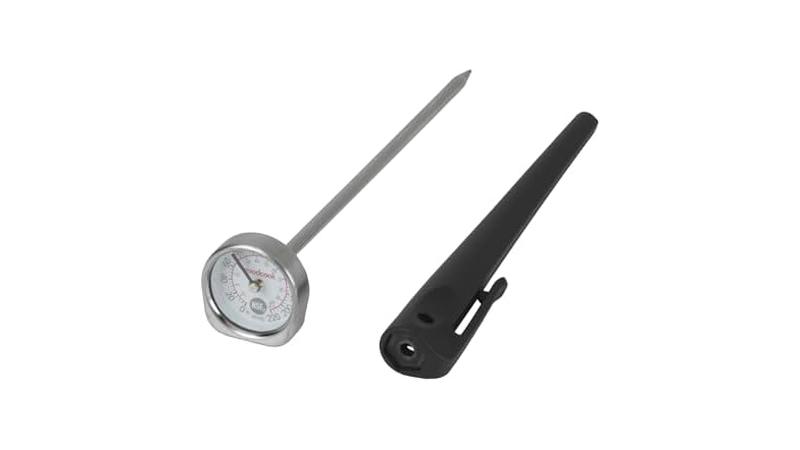
You need a reliable digital instant-read thermometer for the best results. Dial thermometers take too long to register and often lack precision. According to Consumer Reports, digital thermometers provide readings within two to three seconds, making them far superior for busy kitchens.
Always insert the probe into the thickest part of the meat. For bone-in chops, angle the tip so it sits in the center of the muscle away from the bone. Bone conducts heat faster than muscle tissue, which tricks the sensor into showing a falsely high number.
Keep these measurement tips in mind to guarantee accuracy during every cook:
- Calibrate your thermometer regularly using the ice water method to ensure baseline accuracy.
- Insert the probe at least half an inch into the meat for instant-read models.
- Avoid pushing the thermometer all the way through thin cuts where the tip exits the other side.
- Check multiple spots on large roasts since ovens and grills often have uneven hot zones.
- Clean the probe with hot soapy water between checking raw and cooked items to prevent cross-contamination.
- Use leave-in probe thermometers for slow-roasted cuts so you do not open the oven door constantly.
Taking the temperature in two or three different spots gives you confidence that the entire piece of meat has reached a safe zone. One single reading might miss a cold spot hiding deep inside a thick roast.
What Are the Safety Risks of Undercooked Pork
Eating undercooked pork carries real health risks that you should never ignore. The Centers for Disease Control and Prevention estimates that foodborne illnesses affect roughly 48 million Americans annually. Pork that fails to meet the standards on a pork internal temperature chart contributes to those numbers.
Trichinosis used to be the primary concern with undercooked pork. Modern farming practices have drastically reduced this parasite in commercial pork supplies. However, bacteria like Salmonella, E.
coli, and Listeria remain active threats if meat does not reach proper thermal kill steps.
Ground pork poses a higher risk than whole cuts. Grinding meat mixes surface bacteria directly into the center of the patty or sausage. That is why the USDA mandates 160°F for all ground pork products rather than the 145°F allowed for intact muscle cuts.
Vulnerable populations face severe consequences from foodborne pathogens. Pregnant women, young children, older adults, and anyone with a compromised immune system must eat fully cooked pork without exception. Follow these safety rules to protect your household:
- Never taste raw pork marinades or basting sauces that touched uncooked meat.
- Wash your hands thoroughly with soap for twenty seconds after handling raw pork.
- Use separate cutting boards for raw pork and fresh vegetables to stop cross-contamination.
- Refrigerate leftover cooked pork within two hours of serving to prevent bacterial growth.
- Discard any pork left at room temperature for more than two hours during warm weather.
- Always verify final temperatures with a calibrated digital thermometer before eating.
Tip: The World Health Organization notes that thorough cooking kills almost all harmful pathogens. Trusting your thermometer is the single best defense against food poisoning at home.
How Does Carryover Cooking Affect Your Final Results
Carryover cooking happens because the outer layers of meat hold more heat than the center. When you remove pork from a hot pan or smoker, that trapped thermal energy pushes inward. The core temperature rises even though the heat source is completely gone.
This physical reaction means your pork internal temperature chart must account for the size of the cut. A thin pork chop experiences minimal carryover cooking, maybe just one or two degrees. A massive ten-pound pork shoulder retains so much heat that the internal temperature can climb ten degrees or more after leaving the smoker.
Failing to plan for carryover cooking ruins expensive cuts of meat. You end up with dry, chalky pork loin instead of a juicy centerpiece. Professional chefs pull their meat early specifically to let physics finish the job gently without drying out the proteins.
Here is how carryover cooking impacts different sizes of pork based on general kitchen data:
| Cut Size | Expected Temp Rise | When to Pull Off Heat |
|---|---|---|
| Thin Chops (under 1 inch) | 1°F – 2°F | 143°F – 144°F |
| Thick Chops (over 1 inch) | 3°F – 5°F | 140°F – 142°F |
| Tenderloin (1-2 lbs) | 5°F – 7°F | 138°F – 140°F |
| Large Roast (3-5 lbs) | 5°F – 10°F | 135°F – 140°F |
| Pork Shoulder (8+ lbs) | 10°F – 15°F | 190°F – 195°F |
Use this data to adjust your timing. Pulling large roasts off the heat earlier than you think feels wrong at first, but the results speak for themselves. Your meat stays remarkably moist.
Common Mistakes People Make When Cooking Pork
Even experienced home cooks fall into bad habits when preparing pork. Ignoring a proper pork internal temperature chart tops the list of errors. Relying on visual cues like clear juices or firm texture leads to inconsistent and often unsafe results.
Another frequent error involves cooking straight from the refrigerator. Cold meat hits a hot pan and seizes up, cooking unevenly. The outside burns before the inside reaches a safe temperature.
Letting pork sit on the counter for twenty to thirty minutes before cooking promotes even heat distribution.
Overcrowding the pan traps steam and prevents browning. Maillard reaction requires direct contact with high heat to develop flavor. If pieces touch each other tightly, they boil in their own moisture instead of forming a delicious crust.
Avoid these common pitfalls to improve your pork dishes immediately:
- Cooking pork directly from the fridge without letting it temper at room temperature first.
- Using dull knives to trim fat, which tears the muscle and causes uneven cooking.
- Flipping chops too frequently instead of letting them build a solid sear on one side.
- Ignoring the difference between white meat cuts and dark fatty cuts regarding target temperatures.
- Serving ground pork burgers that look slightly pink in the middle without verifying they hit 160°F.
- Throwing away flavorful fond left in the pan instead of deglazing it for a quick sauce.
- Storing raw pork above ready-to-eat foods in the refrigerator where drips cause contamination.
Correcting just two or three of these habits transforms your weeknight dinners. Treat pork with the same respect you give a premium steak, and it rewards you with incredible flavor.
Best Thermometers to Use With Your Pork Internal Temperature Chart
Your pork internal temperature chart only works if your equipment delivers accurate numbers. Cheap dial thermometers drift out of calibration quickly and respond slowly. Investing in quality tools saves money by preventing ruined meals and wasted ingredients.
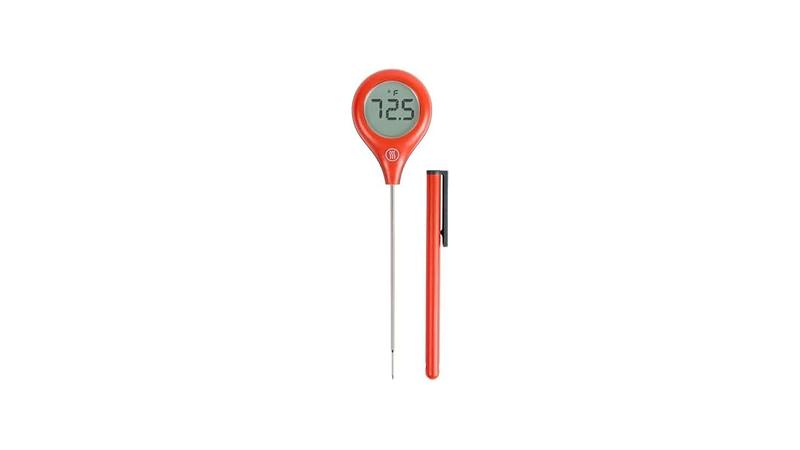
Instant-read digital thermometers represent the gold standard for everyday cooking. Brands like ThermoWorks and Lavatools produce models that register temperatures in two to three seconds. Speed matters because leaving the oven door open drops the ambient temperature rapidly.
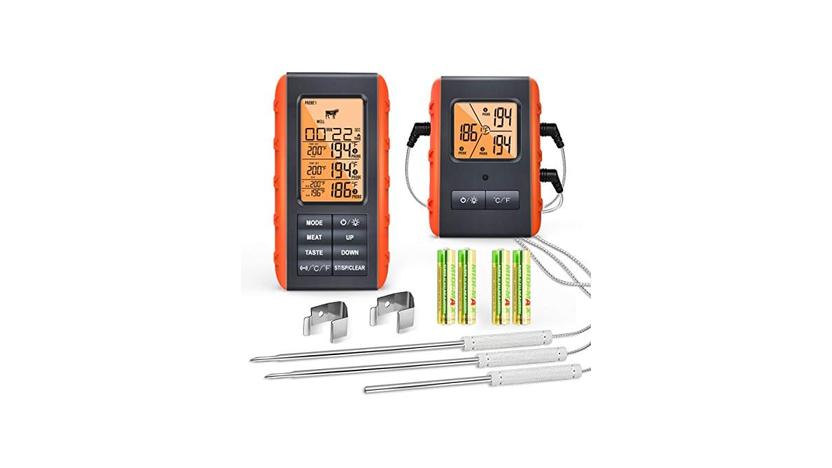
Leave-in probe thermometers suit low-and-slow barbecue sessions perfectly. You run a heat-resistant cable out of the smoker to a display unit sitting on your counter. This setup lets you monitor the stall phase of a pork shoulder without lifting the lid and losing precious smoke.
Consider these factors when shopping for a new meat thermometer:
- Response time should be under four seconds for instant-read models to minimize heat loss.
- Look for waterproof designs that survive accidental drops into the sink or washing basin.
- Choose models with backlight screens if you frequently grill outdoors after sunset.
- Verify the temperature range covers at least 0°F to 500°F for versatility across all meats.
- Check if the manufacturer offers NIST traceable calibration certificates for guaranteed accuracy.
- Ensure the probe length fits thick roasts without bending or snapping under pressure.
Tip: Test your thermometer in a glass of ice water before each major cook. It should read exactly 32°F. If it misses by more than two degrees, recalibrate it using the adjustment nut or digital offset feature.
Frequently Asked Questions
Is pork safe to eat if it is slightly pink in the middle?
Yes, pork cooked to 145°F often retains a slight pink hue in the center. The USDA confirms this is completely safe for whole muscle cuts like chops and roasts. Color is not a reliable indicator of doneness, so always verify with a thermometer.
Why does ground pork need a higher temperature than pork chops?
Grinding meat introduces surface bacteria into the interior of the product. Whole cuts keep bacteria on the outside where heat destroys them quickly. Ground pork must reach 160°F to ensure pathogens hiding in the center are eliminated completely.
Can I eat pork rare like beef steak?
No, eating pork rare is not recommended by food safety authorities. The minimum safe temperature for whole cuts is 145°F followed by a three-minute rest. Beef steaks can be eaten at lower temperatures due to differences in typical pathogen loads.
How long does it take for pork to go from 130°F to 145°F?
The time varies greatly depending on the cooking method and thickness of the cut. A thin chop might jump fifteen degrees in under a minute over high heat. A thick roast could take ten to fifteen minutes to cover that same temperature gap.
Does brining pork change the target cooking temperature?
Brining adds moisture and salt to the muscle fibers but does not alter food safety requirements. You still need to follow the standard pork internal temperature chart targets. Brined pork simply forgives slight overcooking better because it holds more water.
Final Thoughts
Using a reliable pork internal temperature chart takes the stress out of cooking meat safely. Remember that whole cuts need 145°F with a rest, while ground pork demands 160°F. Invest in a good thermometer, trust the numbers, and enjoy perfectly juicy pork every time.