Ground Turkey Internal Temperature Guide is the most important resource you need before cooking your next meal. Undercooked poultry puts you and your family at serious risk of foodborne illness. This Ground Turkey Internal Temperature Guide covers the exact temperatures, tools, and methods you need to cook ground turkey safely every single time.
You will learn why guessing does not work, how to use a meat thermometer properly, and what safe internal heat levels look like for different dishes. Getting this right means juicy, flavorful meals without the worry. Follow these steps to protect your health and improve your cooking results immediately.
Simply put, ground turkey must reach an internal temperature of 165°F (74°C) to be safe for consumption. Always use a calibrated digital meat thermometer inserted into the thickest part of the meat to verify this reading before serving.
What Is the Safe Ground Turkey Internal Temperature Guide Standard
The Ground Turkey Internal Temperature Guide standard set by the USDA requires all ground poultry to reach exactly 165°F (74°C). This specific temperature destroys harmful bacteria like Salmonella and Campylobacter. Unlike whole cuts of meat where bacteria stay on the surface, grinding meat mixes pathogens throughout the entire batch.
You cannot rely on color or texture to judge doneness. Ground turkey often turns brown before it reaches a safe temperature. The only accurate way to confirm safety is by using a reliable meat thermometer.
Following this Ground Turkey Internal Temperature Guide prevents dangerous foodborne illnesses that send thousands to the hospital each year.
The Centers for Disease Control and Prevention reports that about one million people in the United States get sick from Salmonella annually. Poultry products remain one of the leading causes of these infections. Taking temperature seriously is your best defense.
- USDA recommends 165°F (74°C) as the minimum safe temperature for all ground poultry.
- Bacteria spread throughout the meat during the grinding process, making internal heat critical.
- Color changes are unreliable indicators of doneness in ground turkey.
- A digital instant-read thermometer provides the most accurate measurement.
- Resting time does not replace the need to hit 165°F during active cooking.
- Both dark meat and white meat ground turkey require the same target temperature.
Warning: Never eat ground turkey that has not reached 165°F internally. Consuming undercooked poultry can lead to severe gastrointestinal illness, especially in children, pregnant women, and older adults.
How to Measure Temperature Using This Ground Turkey Internal Temperature Guide
Measuring correctly is just as important as knowing the target number. A proper Ground Turkey Internal Temperature Guide method ensures your thermometer reads the actual center of the meat, not just the hot edges touching the pan. Poor placement leads to false readings and unsafe food.
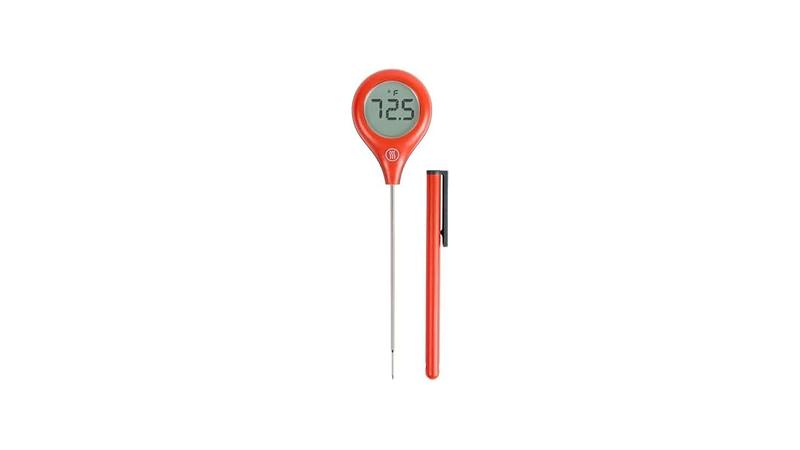
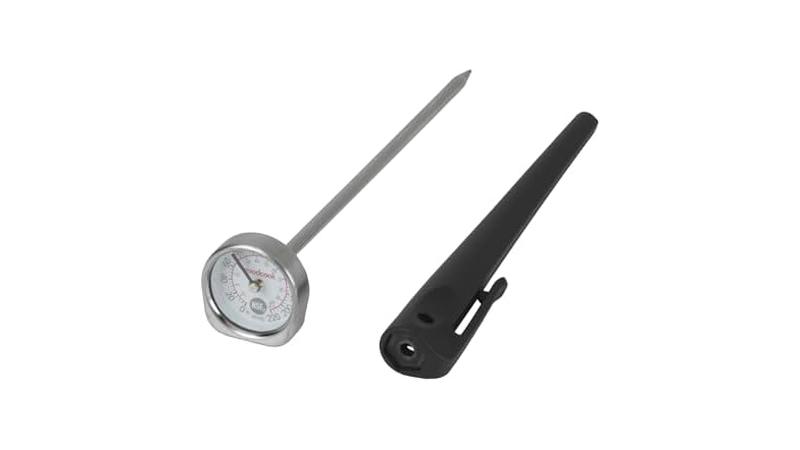
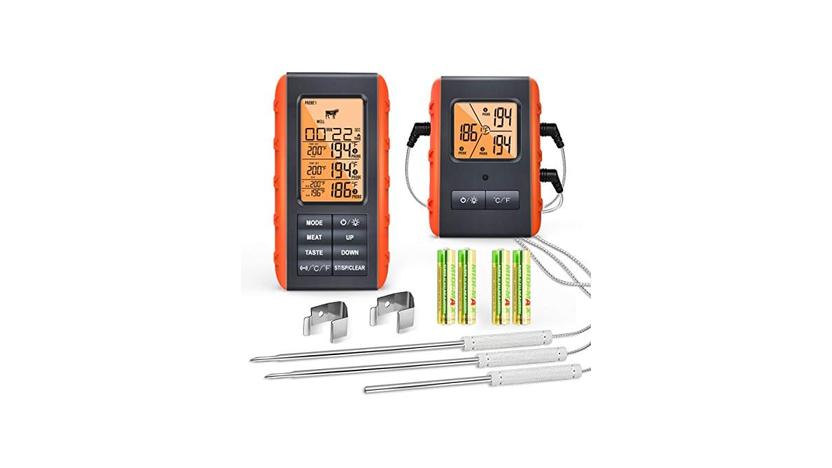
Digital instant-read thermometers offer the fastest and most precise results. Dial thermometers take longer to stabilize and often lack the precision needed for thinner patties or crumbled meat. Invest in a quality digital tool from brands like ThermoWorks or OXO to guarantee accuracy.
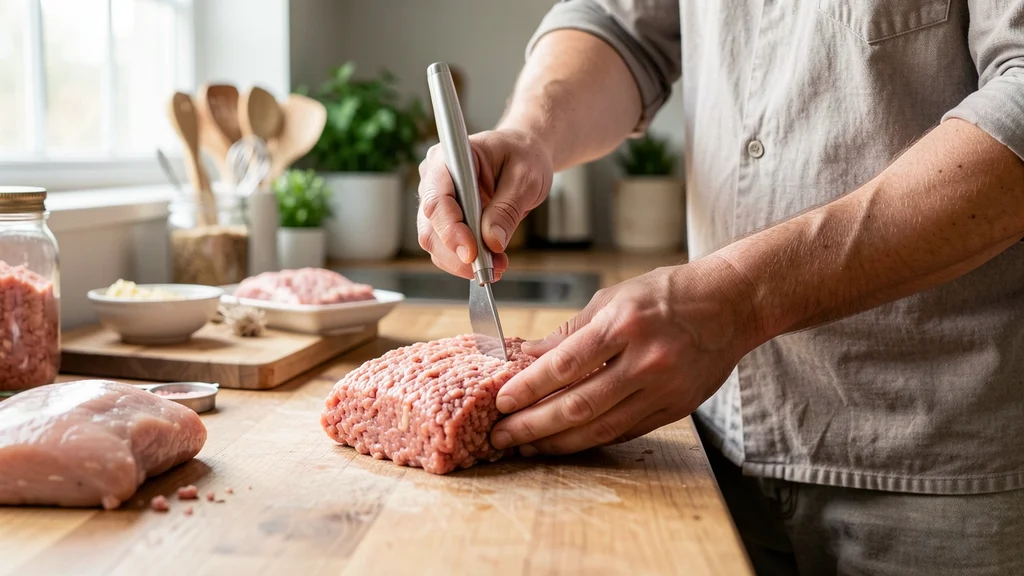
When measuring crumbled ground turkey in a skillet, push the pieces together into a small mound. Insert the probe into the very center of that mound. For burgers or meatballs, insert the thermometer through the side so the tip rests in the geometric center of the patty.
- Turn on your digital meat thermometer and ensure it reads room temperature accurately.
- Cook the ground turkey until it looks mostly done and browned on the outside.
- Remove the pan from direct heat briefly to avoid steam burns while checking.
- Insert the thermometer probe into the thickest part or center of the meat.
- Wait for the numbers to stop changing, which usually takes three to five seconds with digital models.
- Read the display to confirm it shows at least 165°F (74°C).
- Wash the thermometer probe with hot soapy water before using it again.
| Thermometer Type | Speed | Accuracy | Best Use Case |
|---|---|---|---|
| Digital Instant-Read | 2 to 5 seconds | Very High | Patties, crumbles, meatballs |
| Dial Bimetallic | 15 to 20 seconds | Moderate | Thick roasts, large batches |
| Thermocouple | 1 to 2 seconds | Highest | Professional kitchens |
| Infrared Surface | Instant | Low for internal | Pan temperature only |
Choose a digital instant-read thermometer for everyday home cooking. It balances speed, cost, and precision perfectly for following any Ground Turkey Internal Temperature Guide.
Why Color Fails as a Doneness Indicator for Poultry
Many home cooks believe that brown meat means cooked meat. This assumption causes countless cases of food poisoning every year. Ground turkey contains proteins and myoglobin that react to heat differently depending on the bird’s diet, age, and processing methods.
According to the USDA Food Safety and Inspection Service, ground poultry can turn completely brown before reaching 165°F. Conversely, some fully cooked turkey may retain a slight pink tint due to chemical reactions between gases in the oven and the meat tissue. Relying on visual cues directly contradicts the Ground Turkey Internal Temperature Guide standards.
Juices running clear is another outdated myth. Clear juices do not guarantee the center of a thick turkey burger has reached a safe thermal threshold. Only a thermometer gives you factual data about the internal state of the protein.
- Myoglobin denatures at varying temperatures, causing unpredictable color changes.
- Nitrites naturally present in feed can keep meat pink even when fully cooked.
- Pan searing browns the exterior rapidly while leaving the interior raw.
- Mixing dark and white meat creates uneven color distribution during cooking.
- Lighting conditions in your kitchen distort how you perceive meat color.
- The FDA strictly advises against using color as a primary safety metric for poultry.
Important: Always trust your thermometer over your eyes. A quick temperature check takes less than five seconds and eliminates the guesswork entirely.
Common Mistakes That Ruin Ground Turkey Texture and Safety
Cooking ground turkey seems simple, but small errors lead to dry, rubbery, or unsafe results. People often overcook the meat trying to compensate for their fear of undercooking it. This happens when they ignore the Ground Turkey Internal Temperature Guide and just leave the meat on the stove until it looks extremely dry.
Another frequent error involves overcrowding the pan. When you pile too much cold turkey into a skillet, the temperature drops drastically. The meat steams instead of browning, creating a gray, mushy texture that makes it harder to judge doneness visually.
Failing to calibrate your thermometer also causes problems. A device that reads five degrees off might tell you the meat is done when it actually sits at a dangerous 160°F. Regular calibration keeps your tools honest and your food safe.
- Skipping the thermometer entirely and relying solely on cooking time estimates.
- Pressing down on turkey burgers with a spatula, which squeezes out essential moisture.
- Using high heat exclusively, which burns the outside before the inside hits 165°F.
- Not letting frozen ground turkey thaw completely, resulting in cold spots that harbor bacteria.
- Ignoring carryover cooking, which can push the temperature up another two to three degrees after removing from heat.
- Cross-contaminating cutting boards by prepping vegetables on surfaces used for raw turkey.
| Mistake | Consequence | Solution |
|---|---|---|
| No thermometer used | Risk of foodborne illness | Buy a digital instant-read model |
| Overcrowding the pan | Steaming instead of browning | Cook in smaller batches |
| Heat set too high | Burnt exterior, raw interior | Use medium heat consistently |
| Pressing burgers flat | Dry, tough texture | Flip gently without pressing |
Correcting these habits transforms your results. You get moist, flavorful turkey that meets every requirement in the Ground Turkey Internal Temperature Guide without turning into cardboard.
How to Cook Different Ground Turkey Dishes to 165F
Different recipes demand slightly different techniques, but the target temperature never changes. Whether you make tacos, meatloaf, or burgers, the Ground Turkey Internal Temperature Guide rule of 165°F applies universally. Adjusting your heat source and cooking method helps you hit that mark without drying out the final dish.
Turkey burgers pose the biggest challenge because they lack the fat content of beef burgers. Lean ground turkey dries out fast on a hot grill. To fix this, mix in a tablespoon of olive oil or grated zucchini per pound of meat before forming patties.
Grill over medium heat, flipping once, and check the center with your probe.
For crumbled taco meat or pasta sauce, break the turkey apart continuously in a skillet over medium heat. Stirring frequently promotes even cooking and prevents large clumps from staying raw inside. Once no pink remains, gather a cluster of crumbles and test the core temperature.
- Burgers: Cook over medium grill heat for five to six minutes per side.
- Meatballs: Bake at 400°F on a lined sheet pan for 18 to 22 minutes.
- Crumbles: Sauté in a skillet over medium heat, stirring constantly for eight to ten minutes.
- Meatloaf: Bake at 350°F until the center registers 165°F, usually taking 45 to 60 minutes.
- Stuffed peppers: Ensure the filling reaches 165°F before pulling them from the oven.
- Chili: Simmer the browned turkey in liquid for at least twenty minutes to guarantee uniform heat penetration.
Tip: Add a splash of broth or water to lean ground turkey while sautéing. This creates steam that helps cook the interior evenly while keeping the meat tender and juicy.
What Does Carryover Cooking Mean for Your Turkey
Carryover cooking occurs when food continues to rise in temperature after you remove it from the heat source. The residual heat trapped in the outer layers moves inward toward the cooler center. This concept matters significantly when applying the Ground Turkey Internal Temperature Guide to thicker items like meatloaf or large patties.
A thick turkey burger pulled from the grill at 162°F will likely coast up to 165°F while resting on a plate for three minutes. However, thin crumbles in a wide skillet lose heat rapidly. They do not benefit much from carryover cooking because their high surface-area-to-volume ratio allows thermal energy to escape quickly.
The World Health Organization emphasizes that maintaining safe temperatures throughout the cooking and holding process prevents bacterial growth. If you plan to hold cooked turkey for service, keep it above 140°F. Dropping into the danger zone between 40°F and 140°F invites rapid pathogen multiplication.
- Remove thick patties or meatloaf from heat when the thermometer reads 162°F to 163°F.
- Tent the meat loosely with aluminum foil to trap escaping heat without steaming the crust soggy.
- Let the item rest undisturbed for three to five minutes on a warm surface.
- Insert the thermometer again to verify the temperature climbed to at least 165°F.
- Serve immediately or transfer to a warming tray if holding for guests.
Thin preparations like taco meat should simply be cooked straight to 165°F on the stove. Do not pull them early expecting carryover heat to finish the job. Following this logic keeps your application of the Ground Turkey Internal Temperature Guide accurate across all recipe types.
How to Store and Reheat Leftover Ground Turkey Safely
Cooking to 165°F solves the initial safety problem, but improper storage creates new risks. Bacteria multiply rapidly when cooked food sits at room temperature for too long. The Ground Turkey Internal Temperature Guide principles extend beyond the stove into how you handle leftovers.
Refrigerate cooked ground turkey within two hours of preparation. If your kitchen exceeds 90°F during summer months, shorten that window to one hour. Store the meat in shallow, airtight containers to promote fast, even cooling throughout the batch.
When reheating, you must bring the internal temperature back up to 165°F. Microwaves heat unevenly, creating cold spots where surviving bacteria can thrive. Stir the meat halfway through microwaving and use your thermometer to check multiple spots before eating.
- Store cooked turkey in the refrigerator for a maximum of three to four days.
- Freeze portions in heavy-duty freezer bags for up to three months for best quality.
- Thaw frozen cooked turkey in the refrigerator overnight, never on the counter.
- Reheat soups and chilies containing turkey until they reach a rolling boil.
- Use a microwave-safe cover to trap steam and promote even reheating.
- Discard any leftovers that smell off or show signs of mold immediately.
- Label containers with the date cooked to track freshness accurately.
| Storage Method | Maximum Duration | Reheating Target |
|---|---|---|
| Refrigerator (below 40°F) | 3 to 4 days | 165°F internal |
| Freezer (0°F or below) | 3 to 4 months | 165°F internal after thawing |
| Countertop (room temp) | 2 hours maximum | Do not store on counter |
Proper handling ensures your meals stay safe from purchase to plate. Treat reheating with the same respect you give initial cooking by verifying temperatures every time.
Frequently Asked Questions
Can I eat ground turkey at 160 degrees Fahrenheit?
No. The USDA mandates that all ground poultry must reach 165°F (74°C) to destroy harmful pathogens like Salmonella. Eating ground turkey at 160°F carries a significant risk of foodborne illness.
Always follow the recommended Ground Turkey Internal Temperature Guide and cook until your thermometer confirms 165°F.
Does ground turkey cook faster than ground beef?
Ground turkey generally cooks slightly faster than ground beef because it contains less fat. Fat acts as an insulator, slowing down heat transfer. However, the lower fat content also means turkey dries out quicker, making precise temperature monitoring essential to maintain good texture.
How do I calibrate my meat thermometer for accuracy?
Fill a glass with ice water and stir it well. Insert the thermometer probe into the ice water without touching the sides or bottom of the glass. It should read exactly 32°F (0°C).
If it does not, adjust the calibration nut on dial models or follow the manufacturer reset instructions for digital versions.
Is it safe if my ground turkey still looks slightly pink?
Yes, ground turkey can sometimes retain a pinkish hue even after reaching a safe 165°F. Chemical reactions involving myoglobin and cooking gases cause this discoloration. As long as your calibrated thermometer confirms the meat has hit 165°F internally, it is safe to consume regardless of color.
What happens if I overcook ground turkey past 165 degrees?
Overcooking ground turkey pushes moisture out of the protein fibers, resulting in a dry, crumbly, and tough texture. While temperatures slightly above 165°F are perfectly safe, going much higher degrades the eating quality significantly. Pull the meat from heat as soon as it reaches the target to preserve juiciness.
Final Thoughts
Following a reliable Ground Turkey Internal Temperature Guide protects your family from foodborne illness while delivering better tasting meals. Always cook ground turkey to 165°F, use a digital thermometer, and never trust color alone. Master these basics and you will enjoy safe, juicy poultry dishes every time you cook.