What temperature is medium well steak? This is one of the most common questions home cooks ask when firing up the grill. Knowing what temperature is medium well steak ensures you serve a safe, juicy piece of meat every single time. Cooking beef to the right internal heat prevents foodborne illness and keeps your dinner from turning into dry leather.
In this post, we cover the exact target numbers, how to measure them correctly, and why resting your meat matters just as much as the cooking process. You will also find comparisons with other doneness levels so you can adjust for different guests at your table.
Simply put, a medium well steak reaches an internal temperature of 150°F to 155°F (65°C to 68°C). At this range, the center holds only a slight hint of pink, and the meat feels firm but still retains enough moisture for a satisfying bite.
What Temperature Is Medium Well Steak Exactly
The precise answer to what temperature is medium well steak falls between 150°F and 155°F. When you insert a reliable meat thermometer into the thickest part of the cut, the dial or digital screen should read within this narrow window. The United States Department of Agriculture recommends cooking whole cuts of beef to a minimum of 145°F followed by a three-minute rest, making the medium well range perfectly safe for all diners.
Reaching this specific internal temperature changes the physical structure of the beef. The muscle fibers contract tightly, squeezing out more moisture than they would at lower temperatures. The myoglobin, which gives raw meat its red color, denatures almost completely.
This leaves the center pale brown with just a faint trace of pink.
- Target final temperature: 150°F to 155°F (65°C to 68°C)
- Pull-off temperature from heat: 145°F to 150°F (carryover cooking adds 5 degrees)
- Center color: Mostly brown with a very faint pink hue
- Texture: Firm to the touch, minimal give when pressed
- Moisture level: Lower than medium, but not completely dry if rested properly
- Safety: Fully compliant with USDA guidelines for whole muscle cuts
Tip: Always pull your steak off the heat about five degrees before it hits 150°F. The residual heat inside the meat will continue to cook it while it rests, bringing it perfectly into the medium well zone without overshooting.
According to the National Cattlemen’s Beef Association, nearly 30% of American consumers prefer their steaks cooked to medium well or well done. Knowing these exact numbers helps you cater to that preference confidently without guessing or cutting the meat open prematurely to check the color.
How to Measure Steak Doneness With a Thermometer
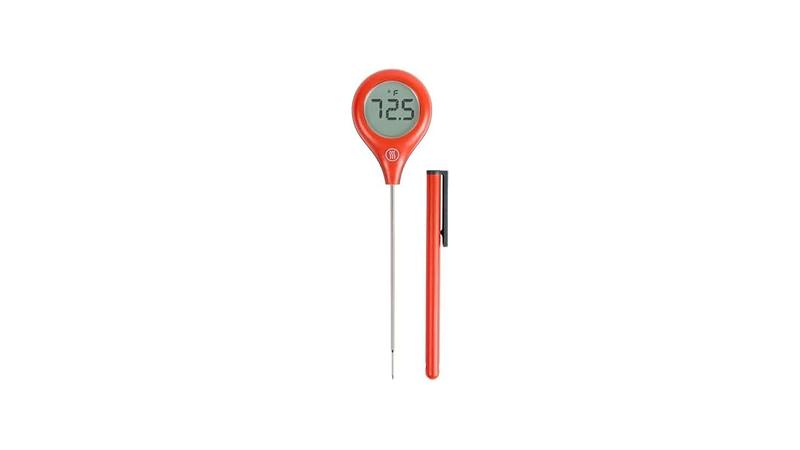
You cannot accurately guess what temperature is medium well steak by poking it with your finger or watching the clock. A high-quality instant-read meat thermometer is the only reliable tool for this job. Digital thermometers provide readings in two to three seconds, preventing heat loss while you check the meat.
To get a true reading, insert the probe into the very center of the thickest part of the steak. Avoid pushing the tip into fat pockets, bone, or all the way through to the grill grates. Fat and metal conduct heat differently than muscle tissue, giving you false readings that lead to overcooked or undercooked beef.
- Turn on your digital thermometer and ensure the battery is fully charged.
- Insert the metal probe horizontally into the side of the steak, aiming for the geometric center.
- Push the probe until the tip sits in the thickest section of the meat, away from visible fat marbling.
- Wait for the numbers on the display to stop climbing, which usually takes two to four seconds.
- Read the temperature; if it shows 145°F to 150°F, remove the steak immediately from the heat source.
- Wipe the probe clean with a damp cloth before storing it to maintain accuracy over time.
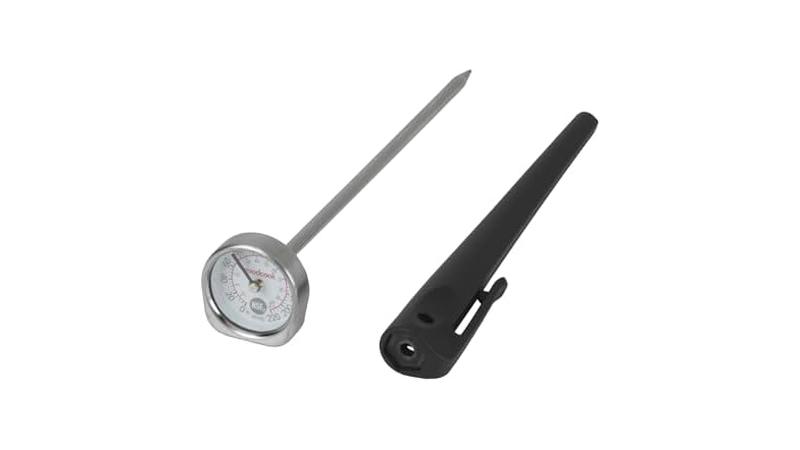
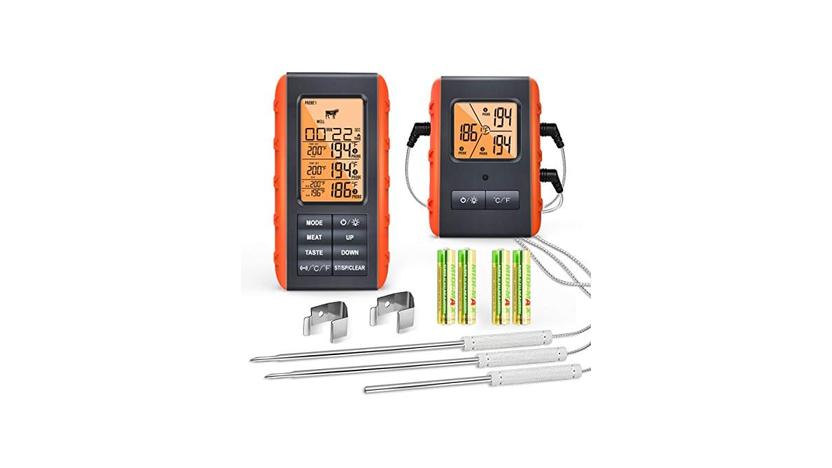
| Thermometer Type | Speed | Accuracy | Best Use Case |
|---|---|---|---|
| Instant-Read Digital | 2-3 seconds | Very High | Grilling and pan-searing |
| Leave-In Probe | Continuous | High | Oven roasting and smoking |
| Dial Analog | 15-20 seconds | Moderate | Budget-friendly kitchens |
| Infrared Laser | Instant | Surface only | Checking pan or grill heat |
An infrared thermometer only reads surface temperatures, so it cannot tell you what temperature is medium well steak on the inside. Stick to probe-style thermometers for accurate internal readings every time you cook beef.
Why Resting Your Steak Changes the Final Temperature
Pulling a steak off the grill does not stop the cooking process. This phenomenon, known as carryover cooking, causes the internal temperature to rise another five to ten degrees after you remove the meat from the heat. If you wait until the thermometer reads exactly 155°F before removing the steak, it will likely reach 160°F or higher while resting, pushing it into well-done territory.
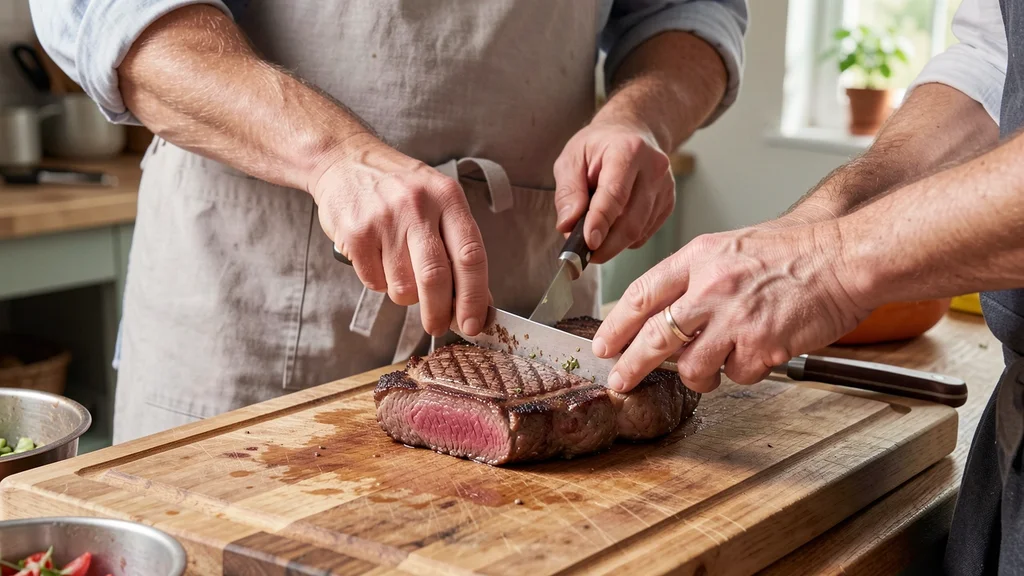
Resting allows the muscle fibers to relax. During cooking, intense heat forces juices toward the center of the cut. If you slice the meat immediately, those concentrated juices spill out onto the cutting board, leaving you with a dry dinner.
Giving the steak time to rest lets the moisture redistribute evenly throughout the entire cut.
- Rest steaks for at least five minutes before slicing or serving.
- Tent the meat loosely with aluminum foil to keep it warm without trapping steam.
- Do not wrap the steak tightly in foil, as trapped heat will overcook the exterior crust.
- Place the resting steak on a warm plate or wooden cutting board, never on a cold surface.
- Expect the internal temperature to rise by roughly 5°F during the resting phase.
- Thicker cuts like ribeye or porterhouse require closer to eight to ten minutes of rest time.
Warning: Never skip the resting period. Cutting into a steak straight off the grill causes up to 25% of the natural juices to escape immediately, resulting in tough, flavorless meat regardless of how perfectly you managed the cooking temperature.
America’s Test Kitchen reports that a properly rested steak retains significantly more moisture than one sliced immediately. Managing carryover cooking is the secret to answering what temperature is medium well steak correctly in practice, rather than just in theory.
What Temperature Is Medium Well Steak Compared to Other Levels
Knowing where medium well sits on the spectrum helps you manage a grill full of different orders. Each level of doneness corresponds to a specific temperature range that alters the texture, color, and juiciness of the beef. Comparing these ranges makes it easier to understand exactly what happens to the protein structures as heat increases.
Rare steaks stay cool and red in the center because the proteins have barely begun to denature. As you move up the scale toward medium rare and medium, the myoglobin breaks down further, changing the color from bright red to pink. By the time you hit the target for what temperature is medium well steak, almost all the pink has vanished, leaving a firm, pale interior.
| Doneness Level | Internal Temperature | Center Color | Texture |
|---|---|---|---|
| Rare | 120°F – 125°F | Bright Red | Soft, cool center |
| Medium Rare | 130°F – 135°F | Warm Red/Pink | Yielding, juicy |
| Medium | 140°F – 145°F | Pink throughout | Firm but springy |
| Medium Well | 150°F – 155°F | Slight pink hint | Firm, less juice |
| Well Done | 160°F+ | Brown/Gray | Very firm, dry |
This chart serves as a quick reference whenever you need to adjust your cooking time. Remember that the numbers represent the final temperature after resting. To achieve these results, always remove the beef from the heat source about five degrees earlier.
How to Cook a Medium Well Steak on the Grill
Grilling is the most popular method for cooking beef, and achieving the correct temperature requires managing two distinct heat zones. You need a screaming hot side for searing and a cooler side for gently bringing the center up to the target range without burning the outside crust. This two-zone setup gives you total control over the final result.
Start by taking your steaks out of the refrigerator about thirty to forty minutes before cooking. Cold meat drops the temperature of the grill grates and cooks unevenly. Pat the surface completely dry with paper towels, then season generously with coarse kosher salt and freshly cracked black pepper.
Moisture on the surface creates steam, which prevents a proper sear from forming.
- Preheat your grill to create a direct high-heat zone (450°F to 500°F) and an indirect low-heat zone (around 300°F).
- Place the seasoned steaks directly over the high-heat flames to sear for two to three minutes per side.
- Look for deep brown grill marks and a crispy crust before flipping the meat.
- Move the steaks to the indirect, cooler side of the grill once both sides are seared.
- Close the lid and let the ambient heat slowly raise the internal temperature to 145°F.
- Check the temperature using your instant-read thermometer inserted into the thickest part.
- Remove the steaks at 145°F to 150°F and transfer them to a warm plate to rest for five to eight minutes.
Important: Keep the grill lid closed while the steaks cook on the indirect side. Opening the lid constantly releases trapped heat, drastically increasing your cooking time and making it much harder to predict when the meat will reach 150°F.
According to Weber Grills, using a two-zone fire reduces the risk of flare-ups and burnt exteriors by over 40%. This technique guarantees you hit the exact mark for what temperature is medium well steak without sacrificing the flavorful crust you worked hard to build during the searing phase.
What Cuts of Beef Work Best for Medium Well
Not every steak handles higher temperatures equally well. Because cooking beef to 150°F squeezes out more moisture, you need cuts with abundant intramuscular fat, known as marbling, to keep the final product enjoyable. Lean cuts dry out rapidly past medium, making them poor choices if you prefer your meat cooked further along the scale.
Fat renders slowly as heat penetrates the muscle. By the time the center reaches the medium well stage, the marbled fat inside cuts like ribeye has melted, basting the meat fibers from the inside out. This internal basting is what separates a juicy medium well steak from a tough, chewy one.
- Ribeye: Heavy marbling makes this the absolute best choice for cooking past medium.
- New York Strip: Good fat content along the edge and moderate marbling throughout the center.
- Porterhouse / T-Bone: Contains both strip and tenderloin; watch the tenderloin side closely as it cooks faster.
- Skirt Steak: Naturally loose grain structure holds marinades well and stays tender even at higher temperatures.
- Flank Steak: Best when marinated and sliced thinly against the grain after reaching medium well.
- Filet Mignon: Very lean; generally not recommended for medium well as it dries out quickly without fat protection.
Avoid buying extremely thin steaks if you plan to cook them to medium well. Thin cuts reach 150°F in mere seconds, often overcooking before you can pull them off the heat. Aim for steaks that are at least one to one-and-a-half inches thick.
This thickness provides a buffer, giving you a larger window of time to monitor the thermometer and react accordingly.
Common Mistakes That Ruin a Medium Well Steak
Even experienced home cooks make errors when targeting higher doneness levels. The margin between medium well and well done is incredibly small, often separated by just sixty seconds of heat exposure. Avoiding a few predictable mistakes ensures your effort yields a great meal instead of a disappointing, chewy disappointment.
The biggest error is relying on visual cues alone. Judging what temperature is medium well steak by pressing the meat with tongs or comparing it to the fleshy part of your palm is wildly inaccurate. Every cut has a different density, and thickness varies wildly.
Only a calibrated thermometer removes the guesswork from the equation entirely.
- Cooking cold meat straight from the fridge, leading to a burnt outside and raw inside.
- Flipping the steak too frequently, which prevents a proper crust from developing on the surface.
- Using a dull knife to cut into the meat to “check” the color, releasing all the trapped juices instantly.
- Ignoring carryover cooking and leaving the meat on the heat until the thermometer actually reads 155°F.
- Seasoning too early with salt, which draws moisture to the surface and inhibits browning reactions.
- Cooking on a grill or pan that has not reached a high enough temperature before adding the beef.
Warning: Never press down on your steak with a spatula while it cooks. This action physically squeezes the rendered fat and natural juices out of the meat and into the fire, causing dangerous flare-ups and guaranteeing a dry final product.
Another frequent issue involves dirty grill grates or pans. Carbon buildup acts as an insulator, preventing direct contact between the metal and the meat. Clean your cooking surfaces thoroughly before heating them up.
The Maillard reaction, responsible for that delicious brown crust, requires direct contact with temperatures above 300°F to occur effectively.
Does What Temperature Is Medium Well Steak Apply to All Meats
The short answer is no. Different types of protein have entirely different safety standards and structural properties. The temperature targets we discussed specifically apply to whole muscle cuts of beef, such as steaks and roasts.
Ground meats, poultry, and pork follow different rules dictated by food safety organizations.
When you grind beef for burgers, any bacteria present on the surface gets mixed throughout the entire patty. For this reason, the USDA mandates that ground beef must reach 160°F internally to be considered safe, regardless of personal preference. A medium well burger and a medium well steak share similar final temperatures, but the reasoning behind them differs based on bacterial risks.
| Meat Type | Safe Minimum Temperature | Notes |
|---|---|---|
| Whole Beef Steaks | 145°F + 3 min rest | Medium well is 150°F-155°F |
| Ground Beef | 160°F | No rest time required |
| Pork Chops | 145°F + 3 min rest | Slight pink is safe |
| Chicken Breast | 165°F | Must be fully white |
| Lamb Chops | 145°F + 3 min rest | Similar to beef steaks |
Understanding these distinctions keeps your family safe. Applying steak temperatures to chicken breasts, for example, poses serious health risks. Always verify the specific requirements for the type of protein you are preparing, and rely on your instant-read thermometer to confirm you have met those exact benchmarks before serving.
Frequently Asked Questions
Is a medium well steak completely dry and tough?
No, a medium well steak does not have to be dry if you choose the right cut and use proper technique. Selecting heavily marbled cuts like ribeye and allowing the meat to rest for at least five minutes keeps it surprisingly juicy. The key is pulling it off the heat at 145°F so carryover cooking finishes the job gently.
Can I cook a medium well steak in a frying pan?
Yes, pan-searing in a cast iron skillet works exceptionally well for reaching 150°F internally. Heat the dry skillet until it smokes lightly, add a high-smoke-point oil, and sear the steak for three minutes per side. Finish it in a 400°F oven if the steak is thicker than one inch to avoid burning the crust.
How long does it take to grill a steak to medium well?
For a standard one-inch thick steak, expect roughly four to five minutes per side over medium-high heat. However, time is an unreliable metric compared to temperature. Variables like wind, grill type, and starting meat temperature change cooking times drastically, so always trust your thermometer over the clock.
Should I marinate my steak if I want it medium well?
Marinating is highly recommended for medium well steaks because the acid and oil help protect the muscle fibers from drying out. Marinades containing olive oil, citrus juice, or yogurt tenderize the meat while adding moisture. Let the steak marinate for at least two hours in the refrigerator before patting it dry and grilling.
Why does my thermometer give different readings in different spots?
Steaks do not cook uniformly from edge to edge. The outer layers are significantly hotter than the dead center. If you insert the probe near the edge or into a pocket of fat, you will get a falsely high or low number.
Always aim for the exact geometric center of the thickest portion for the truest reading.
Final Thoughts
Knowing what temperature is medium well steak transforms your grilling results from guesswork into guaranteed success. Target 150°F to 155°F, use a reliable instant-read thermometer, and always account for carryover cooking by pulling the meat early. Choose fattier cuts like ribeye to maintain juiciness, and you will serve a perfect medium well steak every time.