What temperature is well done steak? A well done steak reaches an internal temperature of 160°F (71°C) or higher. Knowing the exact heat level prevents you from serving dry, flavorless meat to your guests. This post breaks down the target temperatures, cooking methods, and expert techniques you need to cook a juicy well done steak every single time.
Many home cooks struggle with this doneness level because high heat easily destroys moisture. You will learn how to protect the meat fibers while still hitting that safe, fully cooked mark. Grab your meat thermometer and get ready to improve your grilling skills immediately.
Simply put, what temperature is well done steak? The target internal temperature for a well done steak is 160°F (71°C). At this heat level, the meat shows no pink in the center and feels firm to the touch. Always use a digital meat thermometer to verify the exact reading before taking the steak off the heat.
What Temperature Is Well Done Steak Exactly?
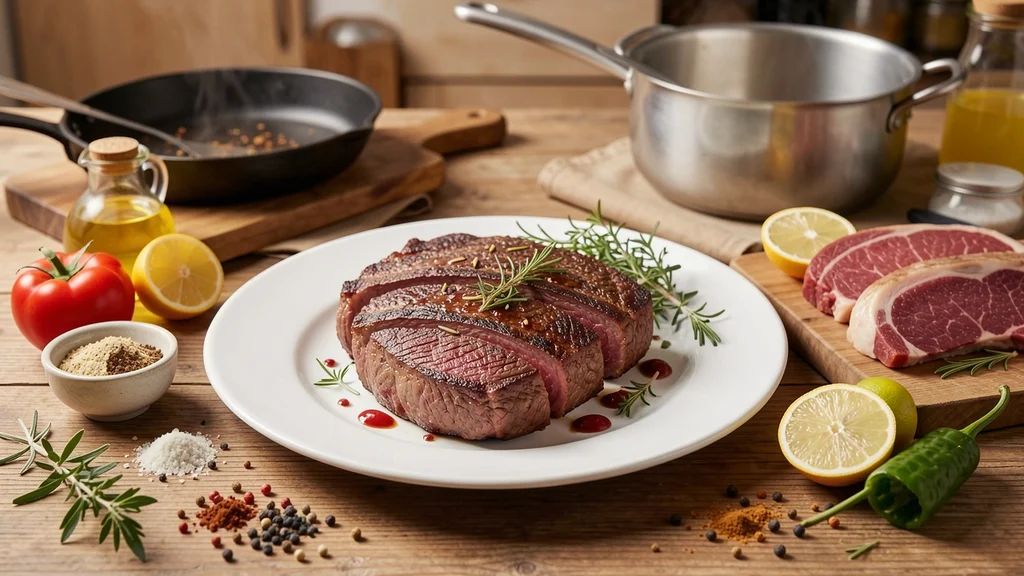
The exact answer to what temperature is well done steak is 160°F (71°C). At this specific temperature, the myoglobin protein inside the muscle fibers completely denatures. This chemical change removes all pink and red color from the center of the meat.
The result is a uniform brown or gray interior from edge to edge.
Many people assume cooking a steak to this level ruins it entirely. That assumption only holds true if you apply direct high heat the entire time. Proper technique allows you to reach 160°F without turning the beef into leather.
The key lies in managing the heat source and monitoring the core temperature closely.
You must pull the steak off the grill or pan slightly before it hits 160°F. Carryover cooking will push the internal temperature up another 5 degrees as the meat rests. If you wait until the thermometer reads exactly 160°F on the heat source, your final resting temperature will hit 165°F.
That extra heat dries out the proteins significantly.
- Pull the steak at 155°F to account for carryover cooking.
- Let the meat rest for 5 to 10 minutes before slicing.
- Use a fast-reading digital probe thermometer for accuracy.
- Insert the probe into the thickest part of the cut.
- Avoid touching bone or fat pockets with the thermometer tip.
- Check the temperature from the side of the steak, not the top.
Important: The USDA recommends cooking all whole cuts of beef to a minimum internal temperature of 145°F with a three-minute rest. However, culinary standards define well done specifically as 160°F or above. Always follow your personal preference while maintaining food safety.
How Does Well Done Compare to Other Doneness Levels?
To truly grasp what temperature is well done steak, you need to see it alongside other standard doneness levels. Each stage of cooking changes the texture, moisture content, and color of the beef. Comparing these stages helps you understand exactly what happens to the muscle fibers as heat increases over time.
A rare steak sits at 120°F to 125°F. It stays soft, cool, and red in the center. Medium rare, the favorite among professional chefs, lands between 130°F and 135°F.
It offers a warm red center and maximum juiciness. As you push past medium (140°F to 145°F), the meat firms up rapidly and loses visible moisture.
By the time you reach the well done threshold, the structural changes are complete. The collagen has fully rendered, but much of the natural water weight has evaporated. According to the National Cattlemen’s Beef Association, about 24% of American consumers still prefer their steaks cooked well done.
This statistic proves that knowing how to execute this doneness level properly matters greatly.
| Doneness Level | Internal Temperature | Center Color | Texture |
|---|---|---|---|
| Rare | 120°F – 125°F | Bright Red | Very Soft |
| Medium Rare | 130°F – 135°F | Warm Red | Soft |
| Medium | 140°F – 145°F | Pink | Firm |
| Medium Well | 150°F – 155°F | Slight Pink | Very Firm |
| Well Done | 160°F+ | Brown/Gray | Stiff |
This table clearly shows the temperature jumps between each stage. Notice how the gap between medium well and well done requires careful monitoring to avoid overshooting your target.
Best Steak Cuts for Cooking to Well Done
Not every cut of beef survives the journey to 160°F. Lean steaks like filet mignon or flank steak turn incredibly tough when cooked this long. You need cuts with high intramuscular fat, known as marbling, to keep the meat moist.
Fat renders slowly and bastes the muscle fibers from the inside out during extended cooking times.
The ribeye stands out as the absolute best candidate for a well done steak. Its heavy webbing of fat melts gradually, providing constant lubrication even as the internal temperature climbs past 150°F. A thick-cut ribeye gives you more margin for error compared to thin steaks that flash-cook and dry out instantly.
New York strip steaks also perform reasonably well. They have a solid fat cap on one edge and decent marbling throughout the center. Porterhouse and T-bone steaks offer mixed results since they contain two different muscles.
The tenderloin side dries out much faster than the strip side, making them tricky to cook evenly to well done.
- Ribeye – Highest fat content, stays the juiciest at high temperatures.
- New York Strip – Good marbling with a thick fat cap for added moisture.
- Skirt Steak – Thin but fatty, great for quick searing and marinating.
- Picanha – Brazilian cut with a massive fat cap that protects the meat.
- Chuck Eye – Budget-friendly alternative to ribeye with similar marbling.
- Denver Steak – Surprisingly tender with excellent fat distribution.
Tip: Always buy steaks that are at least 1.5 inches thick when cooking well done. Thicker cuts take longer to heat through, which prevents the exterior from burning before the center reaches 160°F.
Avoid lean cuts like sirloin, round steak, or filet mignon for this doneness level. These cuts lack the necessary fat reserves. Cooking them to 160°F guarantees a chewy, unpleasant eating experience regardless of your seasoning or resting technique.
How to Cook a Juicy Well Done Steak Step by Step
Cooking a steak to 160°F without drying it out requires a specific method. The reverse sear technique works best for this task. You start with low, indirect heat to gently raise the internal temperature.
Then you finish with a blazing hot sear to build a flavorful crust. This approach protects the meat fibers from sudden thermal shock.
Start by preheating your oven or grill to 250°F. Season your thick ribeye generously with coarse kosher salt and freshly cracked black pepper. Place the steak on a wire rack set over a baking sheet.
Insert your digital meat thermometer probe into the thickest part of the beef so you can monitor it continuously.
Bake the steak until the internal temperature reaches 145°F. This slow phase takes about 30 to 45 minutes depending on thickness. Once it hits 145°F, remove the steak from the oven.
Heat a cast iron skillet over high heat until it smokes heavily. Add a tablespoon of high smoke point oil like avocado oil or beef tallow.
Sear the steak for exactly 45 to 60 seconds per side. You just want to build a dark brown crust, not cook the interior further. During this sear, the internal temperature will climb from 145°F to your target zone.
Pull the steak off the pan when the thermometer reads 155°F. The residual heat will carry it to the perfect final temperature while it rests.
- Preheat oven or smoker to 250°F for gentle cooking.
- Season the meat heavily with salt at least 45 minutes in advance.
- Use a wire rack to allow air circulation around the entire steak.
- Monitor the core temperature constantly with a leave-in probe.
- Switch to a screaming hot cast iron pan for the final sear.
- Rest the finished steak on a warm plate covered loosely with foil.
This two-step process guarantees a crusty exterior and a surprisingly moist interior. Direct grilling over high flame for the entire duration almost always results in a charred outside and a dry, gray center.
Why Use a Meat Thermometer for Well Done Steak?
Guesswork fails completely when aiming for 160°F. The difference between a perfectly cooked well done steak and a ruined piece of meat comes down to mere degrees. Relying on touch tests or visual cues leads to inconsistent results every single time.
A quality instant-read thermometer removes all doubt from the equation.
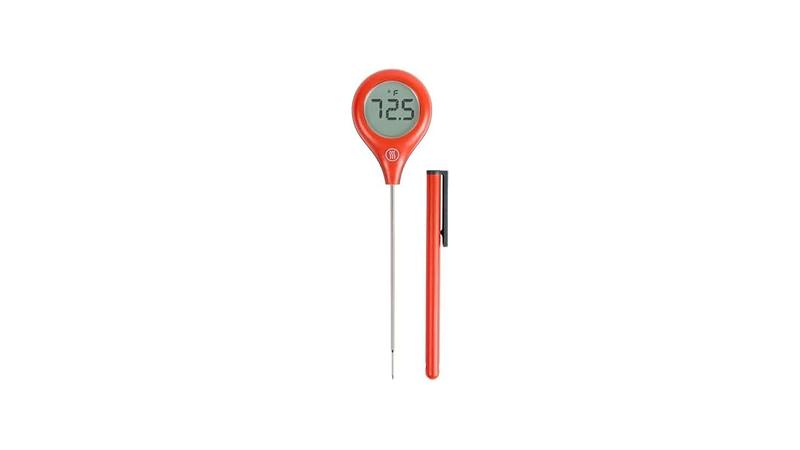
Thermapen, ThermoPro, and MEATER manufacture some of the most reliable probes available today. These devices read temperatures within one to three seconds. Fast readings matter because leaving the steak on the heat while waiting for the thermometer to stabilize causes overshooting.
You need immediate feedback to pull the meat at exactly 155°F.
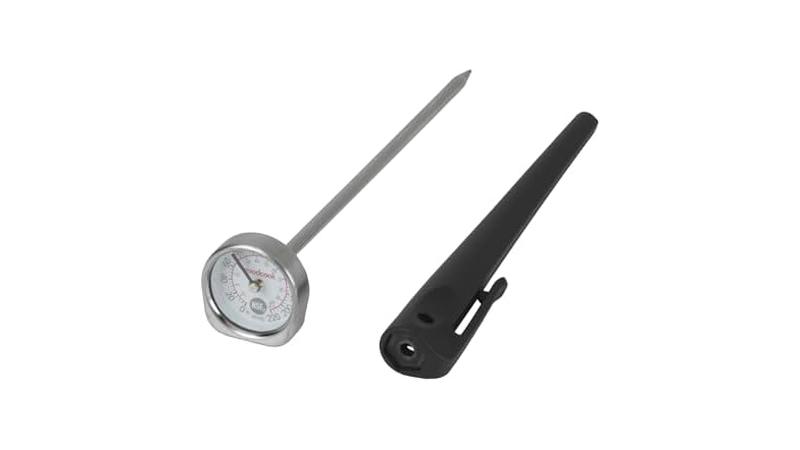
According to a consumer report by America’s Test Kitchen, over 65% of home cooks overcook their meat due to a lack of proper temperature tools. Investing twenty to thirty dollars in a digital thermometer solves this problem permanently. Analog dial thermometers respond too slowly and often require calibration to stay accurate over time.
| Thermometer Type | Read Speed | Accuracy | Best Use Case |
|---|---|---|---|
| Instant-Read Digital | 2-3 Seconds | +/- 1°F | Quick spot checks |
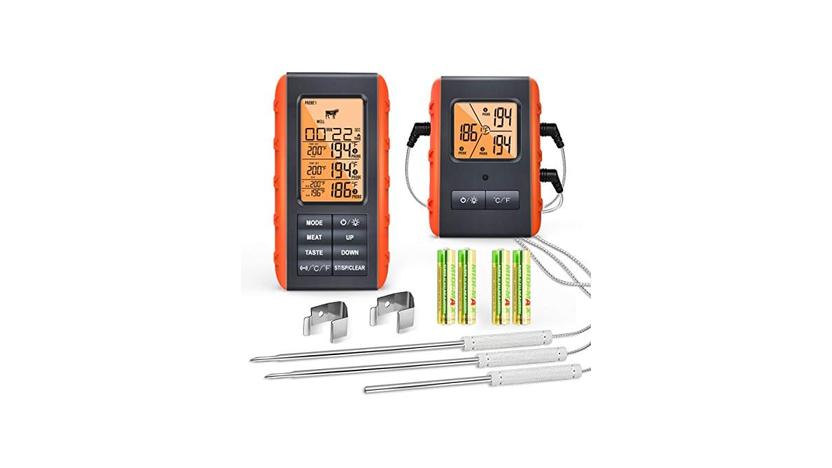
| Leave-In Probe | Continuous | +/- 2°F | Reverse sear / Oven |
| Wireless Bluetooth | Continuous | +/- 1°F | Smoker / Grill |
| Analog Dial | 15-20 Seconds | +/- 5°F | Not recommended |
Choose a leave-in probe for the reverse sear method. Switch to an instant-read model if you pan-fry or grill directly. Never guess the temperature when cooking beef to this level of doneness.
Common Mistakes When Cooking Steak to 160°F
Home cooks make several critical errors when attempting to answer what temperature is well done steak in practice. The most frequent mistake involves using thin cuts. A half-inch steak reaches 160°F in under two minutes on a hot grill.
By the time you flip it, the interior is already bone dry and overcooked beyond repair.
Another major error is skipping the resting period. When you pull a steak off the heat, the juices concentrate in the center. Slicing immediately causes those juices to flood onto the cutting board.
For a well done steak that already lacks moisture, losing those precious juices makes the meat completely unpalatable. Rest the steak for at least eight minutes.
Pressing down on the steak with a spatula ranks as another terrible habit. People do this thinking it speeds up cooking or improves the sear. In reality, it squeezes out rendered fat and water directly into the fire.
You lose flavor and moisture simultaneously. Leave the meat alone once it hits the cooking surface.
- Using steaks thinner than 1.5 inches guarantees dry results.
- Cooking entirely over high heat burns the outside before the inside finishes.
- Cutting into the meat to check for pink releases vital juices.
- Skipping a marinade or butter baste removes a chance to add moisture back.
- Ignoring carryover cooking pushes the final temp past 165°F easily.
- Salting right before cooking draws out moisture prematurely during the sear.
- Using a dull knife to slice tears the muscle fibers instead of cutting cleanly.
Warning: Never microwave a steak to reach well done temperatures. Microwaves heat water molecules unevenly, creating rubbery textures and cold spots. Stick to ovens, grills, or heavy skillets for consistent thermal transfer.
Avoiding these mistakes transforms a potentially dry meal into a highly enjoyable dinner. Technique matters far more than the target temperature itself when dealing with fully cooked beef.
How to Add Moisture Back to a Well Done Steak
Even with perfect technique, a steak cooked to 160°F loses more moisture than a medium rare cut. You must actively introduce fats and liquids back into the dish. Compound butter serves as the easiest and most effective solution.
The rich dairy fat coats the muscle fibers and mimics the mouthfeel of natural meat juices.
Make a simple garlic herb butter by mixing softened unsalted butter with minced garlic, chopped fresh parsley, and a pinch of flaky sea salt. Roll it into a log using plastic wrap and chill it until firm. Slice a thick coin of this butter and place it directly on the hot steak right after you pull it from the heat.
As the steak rests, the butter melts down into the sliced grain.
Pan sauces offer another excellent moisture strategy. After searing your steak, remove it from the skillet. Pour in half a cup of beef broth and scrape up the browned bits stuck to the bottom.
Let the liquid reduce by half, then swirl in two tablespoons of cold butter. Pour this glossy sauce over the sliced meat just before serving.
- Top the resting steak with compound butter immediately after cooking.
- Baste the steak with beef tallow during the final searing phase.
- Marinate the raw steak overnight in an acidic mixture to break down fibers.
- Serve the sliced meat with a rich mushroom or peppercorn pan sauce.
- Brush the finished steak lightly with high-quality extra virgin olive oil.
Marinating the raw steak before cooking also builds a moisture buffer. Acidic ingredients like citrus juice or vinegar slightly denature the outer proteins. This creates a barrier that slows down moisture loss during the extended cooking time required to reach well done status.
Does Cooking Steak to Well Done Destroy Nutrients?
A common concern surrounds the nutritional impact of cooking beef to 160°F. High heat does alter certain vitamins and proteins. However, the primary macronutrients remain largely intact.
You still receive a massive dose of high-quality protein, iron, zinc, and B vitamins from a well done steak compared to lesser cooked versions.
The Harvard T.H. Chan School of Public Health notes that prolonged exposure to high temperatures can form heterocyclic amines (HCAs). These compounds develop when amino acids and creatine react at temperatures above 300°F.
Cooking to well done increases HCA formation compared to pulling the meat at lower temperatures. This fact makes the reverse sear method even more valuable.
By starting at a low oven temperature, you spend less time exposing the meat surface to extreme direct heat. The final sear happens so quickly that HCA development stays minimal. Trimming away any charred edges before eating further reduces your exposure to these compounds significantly.
- Protein content remains stable regardless of doneness level.
- Iron and zinc bioavailability stays high in fully cooked beef.
- Vitamin B12 degrades slightly at prolonged high temperatures.
- Trimming charred bits reduces potential harmful compound intake.
- Marinating meat before cooking lowers HCA formation by up to 70%.
- Slow roasting produces fewer advanced glycation end products than grilling.
Nutritionally, a well done steak still functions as a powerhouse food. Focus on cooking methods that minimize charring rather than worrying about lost protein value. Your body absorbs the essential nutrients effectively either way.
What Temperature Is Well Done Steak for Different Meats?
Beef is not the only protein where well done temperatures matter. Poultry, pork, and lamb all have specific safety thresholds you must respect. Confusing these numbers leads to either dangerous undercooking or unnecessarily dry dinners.
Knowing the baseline for each animal helps you manage your grill space efficiently when cooking multiple items.
Chicken and turkey demand the highest internal temperatures. The USDA mandates cooking all poultry to 165°F (74°C) to eliminate salmonella risks. Unlike beef, poultry lacks the dense muscle structure that supports lower temperature servings.
You should never serve chicken medium rare under any circumstances.
Pork used to require cooking to 160°F historically. Modern farming practices changed those guidelines. The USDA now considers 145°F with a three-minute rest perfectly safe for whole muscle pork cuts like chops and tenderloins.
Ground pork still needs to reach 160°F to ensure safety. Lamb follows the exact same temperature chart as beef for whole cuts.
| Meat Type | Safe Minimum Temp | Well Done Target | Notes |
|---|---|---|---|
| Beef Steaks | 145°F | 160°F+ | Carryover adds 5°F |
| Ground Beef | 160°F | 165°F | Must cook fully through |
| Poultry | 165°F | 165°F | No lower options exist |
| Pork Chops | 145°F | 160°F | Rest for 3 minutes |
| Lamb | 145°F | 160°F+ | Similar to beef |
Keep this reference chart handy whenever you fire up the grill. Managing different proteins simultaneously becomes much easier when you know exactly where each thermometer reading needs to land.
Frequently Asked Questions
Is 160°F considered well done for steak?
Yes, 160°F is the exact culinary standard for a well done steak. At this temperature, the meat turns completely brown or gray throughout the center. No pink remains, and the texture feels very firm when pressed with tongs or a finger.
Can I eat a well done steak safely during pregnancy?
Eating steak cooked to 160°F is generally considered safe during pregnancy. The high internal temperature eliminates harmful bacteria like E. coli and Listeria.
Always consult your healthcare provider for personalized dietary advice regarding meat consumption.
How long does it take to cook a steak to well done?
Cooking time depends heavily on thickness and method. A 1.5-inch ribeye using the reverse sear method takes roughly 35 to 45 minutes in a 250°F oven, plus two minutes for the final pan sear. Direct grilling might take 10 to 14 minutes total.
Why do chefs dislike cooking steaks well done?
Professional chefs prefer lower temperatures because high heat destroys the natural moisture and tenderness of premium beef. Cooking expensive cuts like Wagyu or prime ribeye to 160°F masks the subtle flavors the farmer worked hard to produce. It removes the textural contrast they aim to showcase.
Should I cover my steak while it rests?
Loosely tent the steak with aluminum foil during the resting period. Do not wrap it tightly, as trapped steam softens the crust you worked hard to build. A loose tent keeps the meat warm while allowing excess moisture to escape naturally.
Final Thoughts
Knowing what temperature is well done steak ensures you serve safe, flavorful beef every time. Aim for 160°F, use thick fatty cuts like ribeye, and always rely on a digital meat thermometer. Apply the reverse sear method and finish with compound butter to guarantee a juicy, satisfying meal regardless of your preferred doneness level.