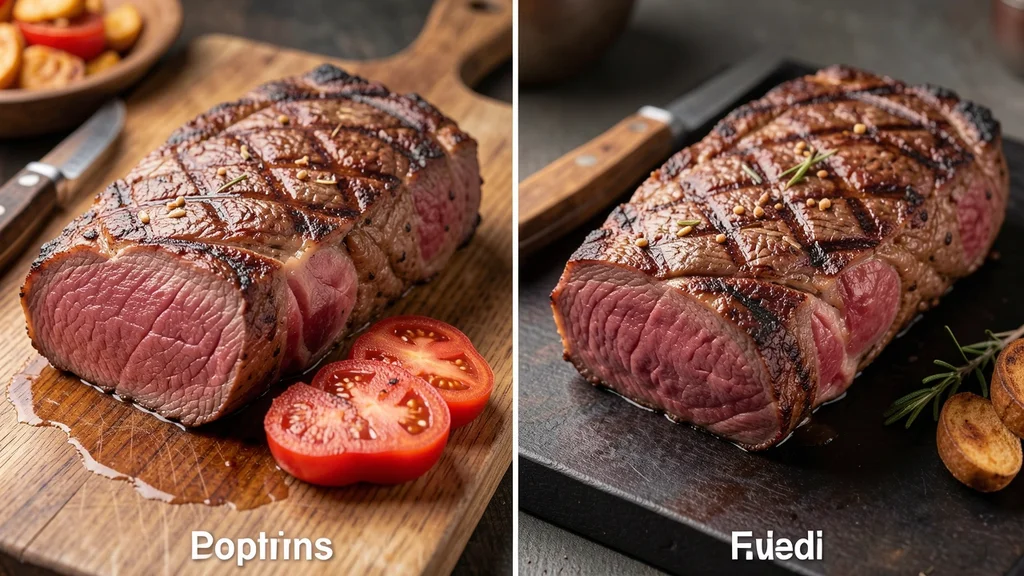
Safe meat temperature vs doneness temperature is a topic that confuses many home cooks and grill masters. These two numbers are not the same thing, and mixing them up can lead to foodborne illness or a ruined dinner. Knowing the safe meat temperature vs doneness temperature difference helps you cook food that tastes great and keeps your family safe from harmful bacteria.
This post breaks down exactly what each term means, why they matter, and how to use a meat thermometer correctly every time you cook.
Simply put, safe meat temperature is the minimum heat required to kill harmful pathogens like Salmonella and E. coli. Doneness temperature refers to the internal heat level where meat reaches your preferred texture, color, and juiciness, such as rare, medium, or well done.
What Is Safe Meat Temperature?
The concept of safe meat temperature vs doneness temperature starts with food safety. Safe meat temperature is the exact internal heat level required to destroy dangerous bacteria and pathogens. The United States Department of Agriculture (USDA) sets these guidelines based on extensive scientific research.
Cooking meat below these thresholds puts you at risk for food poisoning.
Different types of meat require different minimum temperatures. Poultry needs higher heat than whole cuts of beef because bacteria can penetrate deeper into the muscle tissue during processing. Ground meats also need higher temperatures than steaks because the grinding process mixes surface bacteria throughout the entire batch.
- Poultry (chicken, turkey, duck) must reach 165°F (74°C)
- Ground meats (beef, pork, lamb) must reach 160°F (71°C)
- Whole cuts of beef, pork, veal, and lamb must reach 145°F (63°C)
- Fish and shellfish must reach 145°F (63°C)
- Egg dishes must reach 160°F (71°C)
- Leftovers and casseroles must be reheated to 165°F (74°C)
According to the Centers for Disease Control and Prevention (CDC), roughly 48 million people get sick from foodborne illnesses annually in the United States. Following proper cooking temperatures prevents a significant portion of these cases. The Food Safety and Inspection Service (FSIS) emphasizes that visual cues like color and juice clarity are unreliable indicators of safety.
| Meat Type | Minimum Safe Temperature | Rest Time |
|---|---|---|
| Poultry (all cuts) | 165°F (74°C) | None required |
| Ground Beef/Pork | 160°F (71°C) | None required |
| Steaks/Roasts | 145°F (63°C) | 3 minutes |
| Fish/Seafood | 145°F (63°C) | None required |
This table shows the baseline requirements set by federal health agencies. Always use a calibrated thermometer to verify these numbers.
What Is Doneness Temperature?
When discussing safe meat temperature vs doneness temperature, the second half of the equation is all about culinary preference. Doneness temperature refers to the specific internal heat where meat achieves a certain texture, color, moisture level, and flavor profile. Chefs use these targets to serve steaks rare, medium-rare, medium, or well done.
Doneness applies primarily to whole muscle cuts like steaks, roasts, and chops. Bacteria generally live on the surface of intact muscle tissue, so searing the outside kills those pathogens even if the center remains cool. This is why you can safely eat a medium-rare steak but should never eat a medium-rare hamburger.
- Rare: 120°F to 125°F (49°C to 52°C) – Cool red center, very soft texture
- Medium-Rare: 130°F to 135°F (54°C to 57°C) – Warm red center, tender and juicy
- Medium: 140°F to 145°F (60°C to 63°C) – Warm pink center, slightly firmer
- Medium-Well: 150°F to 155°F (66°C to 68°C) – Slightly pink center, firm texture
- Well Done: 160°F and above (71°C+) – No pink, very firm, less moisture
Many professional kitchens and culinary institutes teach these ranges as standard practice. However, personal preference dictates the final target. A perfectly cooked piece of meat balances the desired doneness with proper resting techniques to retain juices.
Warning: Doneness temperatures for beef steaks often fall below the USDA safe meat temperature guidelines. Eating meat below 145°F carries an inherent risk of foodborne illness, especially for vulnerable populations like children, pregnant women, and the elderly.
Safe Meat Temperature vs Doneness Temperature Compared
The core difference in the safe meat temperature vs doneness temperature debate comes down to science versus preference. Safe temperature is a biological requirement to prevent illness. Doneness temperature is a culinary choice to maximize eating enjoyment.
Confusing the two leads to either undercooked, dangerous food or overcooked, dry meals.
For poultry and ground meats, safe temperature and doneness temperature are essentially the same thing. You cannot have a “rare” chicken breast or a “medium-rare” burger without violating food safety rules. The USDA reports that ground beef must reach 160°F to ensure E.
coli O157:H7 is destroyed. There is no culinary workaround for this rule.
For whole cuts of beef, lamb, and pork, the two concepts diverge significantly. A chef might pull a steak off the grill at 130°F for a perfect medium-rare finish. That temperature satisfies the doneness requirement but falls short of the 145°F safety guideline recommended for the general public.
| Feature | Safe Meat Temperature | Doneness Temperature |
|---|---|---|
| Primary Goal | Kill pathogens and bacteria | Achieve ideal texture and flavor |
| Set By | USDA, FDA, CDC | Chefs, culinary schools, personal taste |
| Applies To | All meats, especially poultry and ground | Primarily whole muscle cuts like steaks |
| Flexibility | None – strict legal/health guidelines | High – varies by diner preference |
| Risk Factor | Prevents foodborne illness | May carry risk if below safe threshold |
This comparison highlights why you need to know both numbers before firing up the grill. Balancing safety and quality requires understanding where these two metrics overlap and where they conflict.
Why Resting Meat Changes the Final Temperature
Carryover cooking is a crucial factor when managing safe meat temperature vs doneness temperature. When you remove meat from a heat source, the exterior is much hotter than the interior. That residual heat continues to travel inward, raising the core temperature even after the meat sits on a cutting board.
A thick roast can rise by 10°F to 15°F during its rest period. A thin steak might only climb 3°F to 5°F. If you wait until the thermometer reads your exact target number before pulling the meat off the heat, it will overshoot that target while resting.
You end up with overcooked food.
- Remove steaks from the grill 5°F below your target doneness temperature
- Remove large roasts 10°F to 15°F below your target temperature
- Tent loosely with foil to retain some heat without trapping steam
- Let thin cuts rest for 5 minutes before slicing
- Let thick roasts rest for 15 to 30 minutes depending on size
- Never slice meat immediately after cooking or the juices will run out
The National Cattlemen’s Beef Association notes that resting allows muscle fibers to relax and reabsorb expelled juices. This process directly impacts the perceived doneness and overall eating quality. Skipping the rest phase ruins both texture and moisture.
Important: Carryover cooking does not guarantee that unsafe meat becomes safe. If you pull a chicken breast at 140°F hoping it reaches 165°F while resting, you are taking a massive health risk. Always cook poultry to the full safe temperature on the heat source.
How to Use a Meat Thermometer Correctly Every Time
You cannot accurately judge safe meat temperature vs doneness temperature by looking at the meat. Color changes due to myoglobin oxidation, not just heat. A brown hamburger might still harbor bacteria, while a pink-cooked cured ham is perfectly safe.
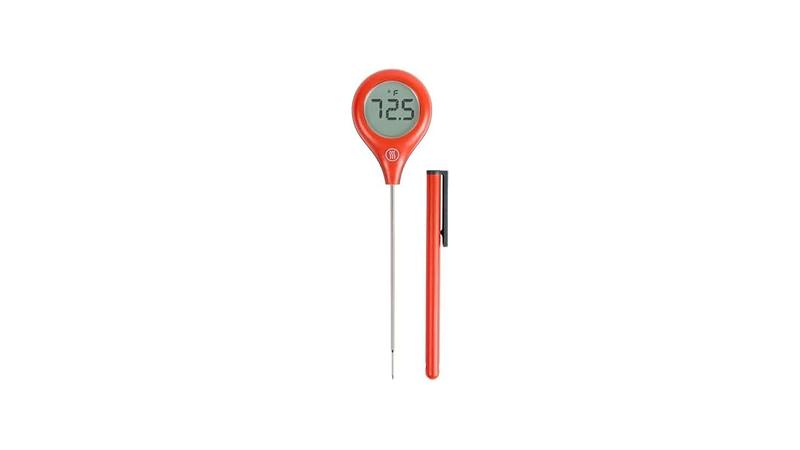
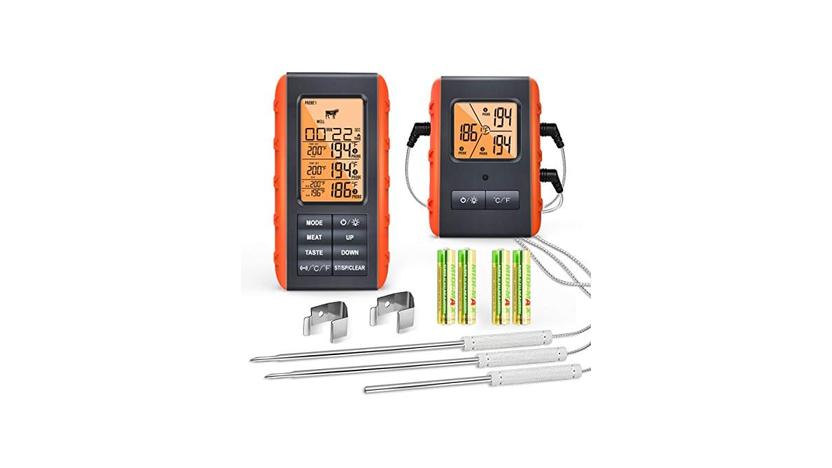
A reliable digital instant-read thermometer is the only accurate tool.
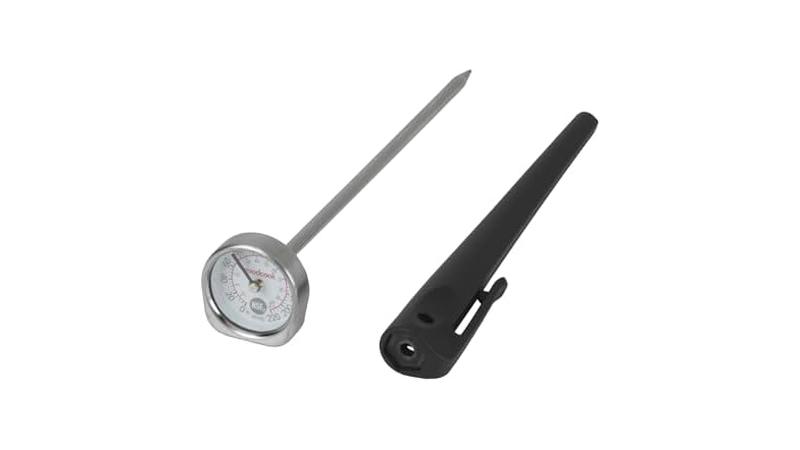
Thermocouple thermometers provide readings in two to three seconds. Dial thermometers take much longer and often lack precision. Investing in a high-quality digital probe eliminates the guesswork from grilling, roasting, and pan-searing.
- Insert the probe into the thickest part of the meat
- Avoid touching bone, fat pockets, or gristle which give false readings
- Push the tip to the geometric center of the cut for the most accurate core temperature
- Wait for the numbers to stabilize before removing the probe
- Check multiple spots on irregularly shaped items like whole chickens
- Calibrate your thermometer using ice water (32°F) periodically
The World Health Organization emphasizes that proper monitoring equipment reduces foodborne disease outbreaks globally. Home cooks who rely on touch tests or visual timers consistently undercook or overcook their proteins. A thermometer removes human error from the equation.
Clean your probe with hot soapy water between testing different types of raw meat. Cross-contamination from the thermometer itself can transfer bacteria from raw chicken to a finished steak if you are not careful.
Common Mistakes Cooks Make With Meat Temperatures
Misunderstanding safe meat temperature vs doneness temperature leads to repeated errors in home kitchens. Many cooks apply steak rules to burgers or treat pork like poultry. These mistakes compromise either the safety or the quality of the final dish.
Another frequent error involves trusting oven dials or grill lid thermometers. Those devices measure ambient air temperature, not the internal temperature of your food. Air temperature fluctuates wildly when you open the lid, making those gauges useless for determining doneness or safety.
- Cooking ground beef to medium-rare instead of the required 160°F
- Washing raw poultry in the sink, which spreads bacteria rather than killing it
- Relying on meat color to determine if chicken is fully cooked
- Using the same unwashed thermometer probe for raw and cooked foods
- Ignoring rest times and serving meat that has not reached thermal equilibrium
- Assuming slow cooker recipes automatically hit safe temperatures without checking
- Overcooking pork chops to 165°F because of outdated safety advice
The USDA updated its recommendation for whole cuts of pork from 160°F down to 145°F with a three-minute rest several years ago. Many home cooks still follow the old guideline, resulting in dry, tough pork chops. Staying informed about current standards prevents unnecessary culinary disasters.
Tip: Keep a printed temperature chart attached to your refrigerator or inside your grill cabinet. Having the numbers visible prevents memory lapses during busy cooking sessions.
Does Meat Type Change the Rules for Safety and Doneness?
The relationship between safe meat temperature vs doneness temperature shifts dramatically depending on the protein you are cooking. Fish, poultry, and red meat all behave differently under heat due to their unique cellular structures, fat content, and bacterial risks.
Seafood requires precise timing. Fish proteins coagulate quickly, turning from translucent to opaque around 145°F. Overcooking fish by even five degrees results in a chalky, dry texture.
Doneness and safety align closely here, leaving little room for error.
Poultry presents the highest risk for Salmonella and Campylobacter. Because birds are processed in ways that expose internal cavities to surface bacteria, the entire piece must reach 165°F. There is no “rare” chicken.
Doneness preferences simply do not apply to poultry in a safe kitchen.
| Protein Category | Safety Rule | Doneness Flexibility |
|---|---|---|
| Beef Steaks | 145°F + 3 min rest | High (Rare to Well Done) |
| Ground Beef | 160°F strictly | None (must be fully cooked) |
| Chicken/Turkey | 165°F strictly | None (must be fully cooked) |
| Pork Chops | 145°F + 3 min rest | Moderate (Medium to Well) |
| Salmon Fillets | 145°F | Low (easy to overcook) |
This breakdown shows why a universal approach fails. You must adjust your strategy based on the specific cut and animal. Treating a pork loin like a beef ribeye creates problems for both safety and dining pleasure.
How to Balance Flavor Preferences With Food Safety
Bridging the gap in safe meat temperature vs doneness temperature requires smart technique. You do not have to sacrifice flavor to stay safe, nor do you have to risk illness to enjoy a tender steak. Professional chefs use specific methods to satisfy both demands simultaneously.
Sous vide cooking is one of the most effective strategies. By vacuum-sealing meat and submerging it in a precisely controlled water bath, you can pasteurize food at lower temperatures over longer periods. For example, holding a chicken breast at 145°F for over an hour achieves the same bacterial reduction as blasting it to 165°F instantly, resulting in incredibly juicy poultry.
- Use sous vide for precise pasteurization at lower heat levels
- Sear the outside of whole steaks heavily to kill surface bacteria before serving rare interiors
- Buy whole cuts and grind your own beef at home to reduce contamination risks for burgers
- Source high-quality, inspected meats from reputable butchers
- Keep cold foods below 40°F and hot foods above 140°F to avoid the danger zone
- Marinate meats in the refrigerator, never on the kitchen counter
The Food and Drug Administration (FDA) Food Code outlines time-and-temperature relationships for pasteurization. It is not just about hitting a single peak number. Holding meat at a slightly lower temperature for a longer duration achieves the same safety outcome.
This scientific principle gives cooks more flexibility with doneness.
Tip: If you prefer medium-rare burgers, buy a whole chuck roast and grind it yourself right before cooking. Pre-packaged ground beef blends trimmings from hundreds of animals, vastly increasing the bacterial load compared to a single-source grind.
Frequently Asked Questions
Can I eat steak below 145°F if I am healthy?
Healthy adults frequently eat steaks cooked to 130°F for medium-rare. However, the USDA recommends 145°F with a three-minute rest for maximum safety. Eating below that threshold carries a small but real risk of foodborne illness, which increases for immunocompromised individuals.
Why does ground beef need a higher temperature than steak?
Bacteria live on the exterior surface of whole muscle cuts. Searing a steak kills those pathogens. Grinding meat mixes the contaminated surface throughout the entire batch, meaning the center of a burger must reach 160°F to eliminate hidden bacteria like E.
coli.
Is it safe to eat pink pork?
Yes, modern guidelines allow whole cuts of pork to be eaten with a slight pink center at 145°F followed by a three-minute rest. Trichinosis, the parasite that historically required cooking pork to 160°F, has been virtually eliminated in commercial farming operations.
Does resting meat actually make it safer?
Resting allows carryover cooking to raise the internal temperature slightly, which contributes to pathogen destruction. More importantly, the three-minute rest recommended by the USDA ensures the heat distributes evenly, maintaining the lethal temperature long enough to kill remaining bacteria.
Are pop-up thermometers in turkeys reliable?
Pop-up timers are notoriously inaccurate and often trigger before the deepest parts of the thigh reach 165°F. Relying solely on them can result in undercooked poultry. Always verify with a calibrated digital instant-read thermometer inserted into the thickest part of the thigh and breast.
Final Thoughts
Knowing the difference between safe meat temperature vs doneness temperature protects your health and elevates your cooking. Always prioritize safety for ground meats and poultry, while using precise thermometers to hit your preferred doneness for whole steaks and roasts. Cook smart, measure accurately, and enjoy every meal with confidence.