Internal Meat Temperature Chart: Fahrenheit and Celsius is the most reliable tool for cooking meat safely. Getting the temperature right prevents foodborne illness and keeps your meals juicy. This post covers exact temperatures for beef, poultry, pork, lamb, and seafood.
You will learn how to use a meat thermometer correctly and avoid common mistakes that ruin dinner. According to the USDA, proper cooking temperatures kill harmful bacteria like Salmonella and E. coli.
The Centers for Disease Control and Prevention reports that about 48 million people get sick from foodborne illnesses each year. Using an Internal Meat Temperature Chart: Fahrenheit and Celsius helps you protect your family every time you cook.
Simply put, an Internal Meat Temperature Chart: Fahrenheit and Celsius tells you the exact heat level needed to cook meat safely. Poultry requires 165°F (74°C), while beef steaks need only 145°F (63°C). Always use a digital meat thermometer for accurate results.
What Is an Internal Meat Temperature Chart: Fahrenheit and Celsius?
An Internal Meat Temperature Chart: Fahrenheit and Celsius is a reference guide showing safe cooking temperatures. It lists specific heat levels for different types of meat. Cooks use this chart to know exactly when their food is done.
The chart includes both Fahrenheit and Celsius scales for global usability. Home cooks and professional chefs rely on it daily. Guessing whether meat is cooked leads to dry dinners or dangerous undercooked meals.
Food safety organizations like the FDA and WHO publish these guidelines. They base the numbers on scientific research about bacterial destruction. Heat kills pathogens at specific thresholds, making these charts essential for health.
- Provides exact safe temperatures for all common meats
- Prevents foodborne illnesses caused by harmful bacteria
- Helps achieve perfect doneness without overcooking
- Works for grilling, roasting, smoking, and pan-frying
- Includes dual measurements for international kitchen use
- Removes guesswork from cooking large cuts of meat
A reliable Internal Meat Temperature Chart: Fahrenheit and Celsius transforms your cooking process completely. You stop cutting into meat to check if it looks done. Cutting releases juices and dries out the protein.
Important: Never rely on meat color alone to determine doneness. The USDA confirms that color is not a reliable indicator of safety. Only a calibrated thermometer gives you accurate internal readings.
How to Read an Internal Meat Temperature Chart Correctly
Reading an Internal Meat Temperature Chart: Fahrenheit and Celsius requires knowing your target meat type. Each animal protein has different density and bacterial risks. Poultry needs higher heat than whole cuts of beef.
Find your specific cut on the chart first. Ground meats always require higher temperatures than whole cuts. Grinding spreads surface bacteria throughout the entire batch, demanding thorough cooking.
Match the chart temperature to your thermometer reading. Wait for the numbers to stabilize before pulling the meat off the heat. Digital thermometers read faster than analog dial models.
- Identify the type of meat you are currently cooking
- Determine if the meat is ground, whole, or stuffed
- Locate the corresponding safe temperature on the chart
- Insert your thermometer into the thickest part of the meat
- Wait for the reading to stabilize completely
- Compare your reading to the chart recommendation
- Remove from heat when you reach the target number
The World Health Organization emphasizes proper food handling at every stage. Reading the chart is just one step in safe preparation. You must also store and thaw meat correctly before cooking begins.
| Meat Category | Minimum Safe Temp (°F) | Minimum Safe Temp (°C) |
|---|---|---|
| Whole Cuts (Beef, Pork, Lamb) | 145°F | 63°C |
| Ground Meats | 160°F | 71°C |
| All Poultry | 165°F | 74°C |
| Fish and Seafood | 145°F | 63°C |
| Leftovers and Casseroles | 165°F | 74°C |
This table summarizes the core data found on any Internal Meat Temperature Chart: Fahrenheit and Celsius. Keep these baseline numbers memorized for faster cooking. They apply to standard home kitchen preparations.
Safe Temperatures for Beef, Veal, and Lamb
Beef, veal, and lamb share similar temperature guidelines on the Internal Meat Temperature Chart: Fahrenheit and Celsius. Whole cuts allow for lower final temperatures because bacteria stay on the surface. Searing the outside effectively kills those surface pathogens.
Doneness preferences change the target temperature significantly. A rare steak pulls off the grill much earlier than a well-done roast. Personal preference matters here as long as you hit the minimum safety threshold.
Ground beef changes the rules entirely. The grinding process mixes surface bacteria into the center of the patty. You must cook burgers to 160°F (71°C) to ensure complete safety.
- Rare: 125°F (52°C) – cool red center, not recommended for ground meat
- Medium Rare: 135°F (57°C) – warm red center, popular for steaks
- Medium: 145°F (63°C) – warm pink center, USDA minimum for whole cuts
- Medium Well: 150°F (66°C) – slightly pink center, firmer texture
- Well Done: 160°F (71°C) – no pink, fully cooked through
- Ground Beef: 160°F (71°C) – mandatory for all ground mixtures
The National Cattlemen’s Beef Association notes that resting time affects final temperature. Meat continues cooking after you remove it from the heat source. This phenomenon is called carryover cooking.
Tip: Pull your steaks off the heat about 5 degrees before your target temperature. Let them rest for five minutes. The residual heat will push the internal temperature to the perfect level without drying out the meat.
Always insert your thermometer probe into the thickest part of the steak. Avoid hitting fat pockets or bone. Fat and bone conduct heat differently and give false readings on your device.
Proper Poultry Temperatures for Chicken and Turkey
Poultry demands the highest standards on any Internal Meat Temperature Chart: Fahrenheit and Celsius. Chicken and turkey carry Salmonella and Campylobacter naturally. These bacteria require sustained high heat to die completely.
The USDA mandates 165°F (74°C) for all poultry products. This rule applies to whole birds, breasts, thighs, wings, and ground chicken. There is no medium-rare option for poultry in a safe kitchen.
Dark meat often tastes better at slightly higher temperatures. Thighs and legs contain more connective tissue that breaks down around 175°F (79°C). Cooking dark meat longer yields a more tender bite.
- Preheat your oven, grill, or smoker to the desired cooking temperature
- Season the poultry thoroughly inside and out
- Cook until the thermometer reads at least 165°F (74°C)
- Check multiple spots including the thickest part of the thigh
- Avoid touching bone with the thermometer probe tip
- Verify the breast meat has also reached 165°F (74°C)
- Rest the bird for 15-20 minutes before carving
The CDC reports that poultry causes more food poisoning outbreaks than any other meat category. Strict adherence to temperature guidelines prevents these incidents. Never wash raw chicken, as splashing water spreads bacteria across your sink area.
| Poultry Cut | Target Temp (°F) | Target Temp (°C) | Rest Time |
|---|---|---|---|
| Whole Chicken | 165°F | 74°C | 15 minutes |
| Chicken Breasts | 165°F | 74°C | 5 minutes |
| Chicken Thighs | 175°F | 79°C | 5 minutes |
| Whole Turkey | 165°F | 74°C | 20 minutes |
| Ground Turkey | 165°F | 74°C | 3 minutes |
| Duck Breast | 165°F | 74°C | 5 minutes |
Referencing your Internal Meat Temperature Chart: Fahrenheit and Celsius ensures every bird comes out safe and moist. Dark meat tolerates higher heat better than white meat. Plan your cooking times accordingly for mixed pieces.
Cooking Pork to the Right Internal Temperature
Old myths claimed pork required extreme cooking to prevent trichinosis. Modern farming practices have nearly eliminated this parasite in commercial pork. Your Internal Meat Temperature Chart: Fahrenheit and Celsius reflects these updated safety standards.
The USDA lowered the safe temperature for whole pork cuts to 145°F (63°C) followed by a three-minute rest. This change allows pork chops and tenderloins to remain slightly pink in the center. Pink pork is perfectly safe when handled properly.
Ground pork still requires 160°F (71°C) just like ground beef. Sausages fall into this category as well. The grinding process introduces the same bacterial risks regardless of the animal source.
- Pork Chops: 145°F (63°C) with a 3-minute rest period
- Pork Tenderloin: 145°F (63°C) for maximum juiciness
- Pork Roast: 145°F (63°C) measured at the thickest point
- Ground Pork: 160°F (71°C) with no exceptions
- Fresh Ham: 145°F (63°C) before serving
- Pre-cooked Ham: 140°F (60°C) just for reheating purposes
- Pork Ribs: Cook until tender, usually past 190°F (88°C)
Ribs and pulled pork break the standard rules. Tough cuts full of collagen need low and slow cooking. You must push the internal temperature well past the safety minimum to melt connective tissues.
Warning: Do not eat raw or undercooked pork from wild boar or non-commercial sources. Wild game carries higher risks of parasites. Always cook wild hog to at least 160°F (71°C) internally.
Barbecue experts know that pulled pork needs to reach 195°F to 205°F (90°C to 96°C) for shredding. At this range, the collagen converts to gelatin completely. Safety happens early, but tenderness takes time and higher heat.
Seafood and Fish Temperature Guidelines
Fish and shellfish appear on the Internal Meat Temperature Chart: Fahrenheit and Celsius with a standard recommendation of 145°F (63°C). At this temperature, fish flesh becomes opaque and flakes easily with a fork. Overcooking seafood ruins its delicate texture quickly.
Shrimp, lobster, and crab follow visual cues alongside temperature checks. Shrimp turn pink and firm when fully cooked. Scallops become opaque and feel slightly firm to the touch.
Sushi-grade fish represents a special exception. Freezing fish at specific temperatures kills parasites before raw consumption. The FDA requires commercial sushi fish to undergo flash freezing for safety.
- Select fresh seafood with clear eyes and ocean-like smell
- Keep fish cold until the exact moment you start cooking
- Preheat your pan, grill, or oven completely
- Cook fish to 145°F (63°C) measured at the thickest section
- Watch for flesh flaking apart easily with gentle pressure
- Remove from heat immediately to prevent rubbery textures
- Serve promptly for the best flavor and food safety
The National Oceanic and Atmospheric Administration tracks seafood safety standards closely. Proper cooking eliminates Vibrio bacteria common in raw oysters and clams. Heat treatment remains your best defense against marine pathogens.
| Seafood Type | Safe Temp (°F) | Safe Temp (°C) | Visual Cue |
|---|---|---|---|
| Salmon Fillet | 145°F | 63°C | Opaque, flakes easily |
| White Fish | 145°F | 63°C | Solid white flesh |
| Shrimp | 145°F | 63°C | Pink and curled |
| Scallops | 145°F | 63°C | Milky white, firm |
| Lobster Tail | 145°F | 63°C | Red shell, white meat |
Consulting your Internal Meat Temperature Chart: Fahrenheit and Celsius prevents dry, chalky fish dinners. Thin fillets cook in minutes, so watch them closely. Use a fast-reading digital thermometer for delicate seafood proteins.
Why Resting Meat Matters After Cooking
Resting meat is a critical step tied directly to your Internal Meat Temperature Chart: Fahrenheit and Celsius. When you pull protein off the heat, the muscle fibers are tight. Juices pool in the center under intense pressure.
Cutting immediately forces those juices onto your cutting board. Resting allows the fibers to relax gradually. The moisture redistributes evenly throughout the entire cut of meat.
Carryover cooking raises the internal temperature during the rest period. A large roast might climb 10 degrees while sitting on the counter. You must account for this rise when deciding when to stop cooking.
- Steaks need 5 to 10 minutes of rest before slicing
- Chicken breasts benefit from 5 minutes under loose foil
- Whole turkeys require 20 to 30 minutes before carving
- Pork roasts should rest for 15 minutes minimum
- Large briskets can rest for hours in insulated coolers
- Fish fillets only need 1 to 2 minutes due to small size
- Tent loosely with foil to retain warmth without steaming
The larger the cut, the longer the required rest time. Thick roasts hold massive amounts of thermal energy. That stored heat continues breaking down tough tissues even away from the fire.
Tip: If your target temperature is 145°F (63°C), pull the meat off the grill at 140°F (60°C). The resting phase will carry the heat the remaining five degrees. This technique guarantees perfect doneness every single time.
Ignoring rest times defeats the purpose of using precise temperature charts. You end up overcooking the exterior while waiting for the center to catch up. Patience during the resting phase rewards you with superior texture.
Choosing the Best Meat Thermometer for Accuracy
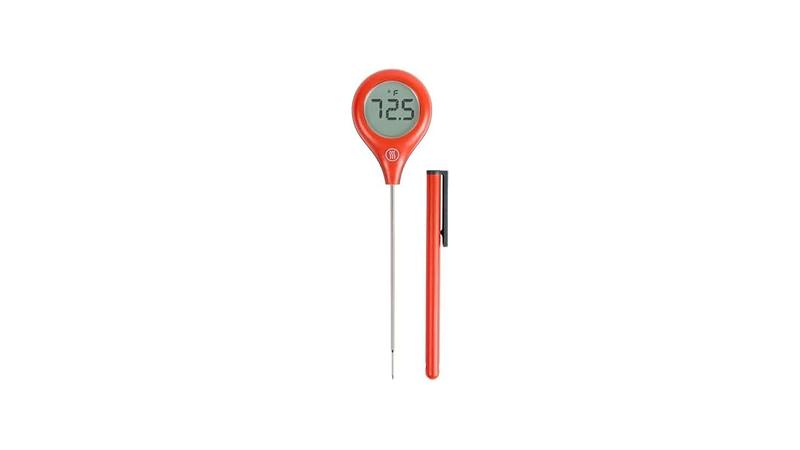
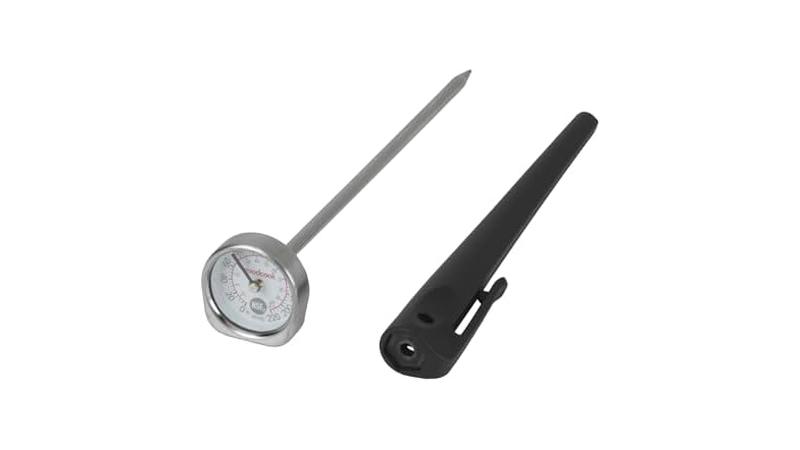
Your Internal Meat Temperature Chart: Fahrenheit and Celsius is useless without a reliable thermometer. Cheap dial thermometers often drift out of calibration quickly. Digital instant-read models provide the speed and accuracy modern cooks demand.
Thermocouple thermometers read temperatures in two to three seconds. They cost more but deliver professional-level precision. Thermistor models take about ten seconds and work fine for home kitchens.
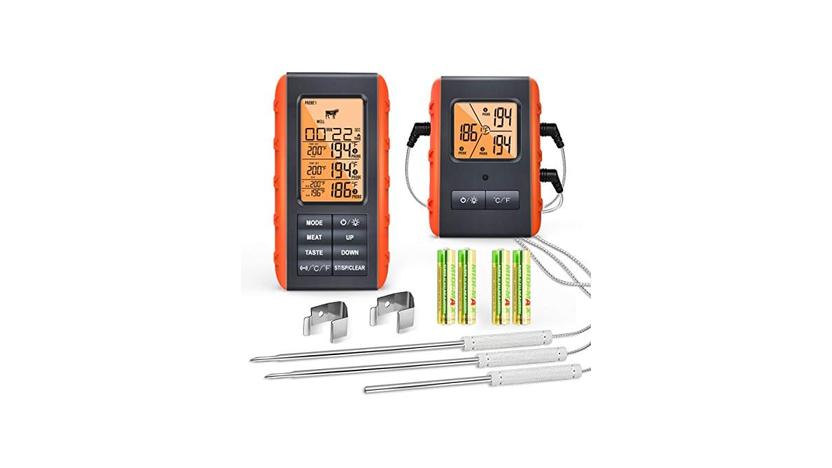
Leave-in probe thermometers connect to external displays or smartphone apps. They let you monitor large roasts without opening the oven door. Opening the door drops ambient heat and extends cooking time drastically.
- Buy a digital instant-read thermometer for quick spot checks
- Invest in a leave-in probe model for smoking and roasting
- Calibrate your thermometer using ice water regularly
- Insert the probe into the geometric center of the meat
- Avoid touching bones, fat caps, or the cooking grate
- Clean the probe with hot soapy water between different meats
- Replace batteries promptly to prevent slow or inaccurate readings
The National Institute of Standards and Technology sets calibration benchmarks for measuring devices. Consumer thermometers should match these standards within two degrees. Test yours in a glass of ice water to verify zero degrees Celsius accuracy.
| Thermometer Type | Read Speed | Best Use Case | Price Range |
|---|---|---|---|
| Thermocouple | 2-3 seconds | Quick checks, thin cuts | $50-$100 |
| Thermistor | 8-10 seconds | General home cooking | $15-$40 |
| Leave-in Probe | Continuous | Smokers, ovens, roasts | $30-$150 |
| Dial Bimetallic | 15-20 seconds | Budget backup option | $5-$15 |
| Infrared Laser | Instant | Surface temps only | $20-$60 |
Infrared thermometers cannot replace probe models for internal readings. They only measure surface heat. Always use a penetrating probe to verify the data on your Internal Meat Temperature Chart: Fahrenheit and Celsius.
Common Mistakes When Checking Meat Temperatures
Even with an Internal Meat Temperature Chart: Fahrenheit and Celsius, cooks make errors frequently. Placing the thermometer incorrectly tops the list of problems. Hitting a bone gives you the temperature of the skeleton, not the dinner.
Checking too early wastes time and releases heat. Every time you open the grill lid or oven door, temperatures drop. Trust your estimated cooking times before bothering to probe the meat.
Using an uncalibrated thermometer creates false confidence. A device reading five degrees low might tell you chicken is safe when it is not. Regular ice bath testing keeps your equipment honest.
- Inserting the probe at an angle instead of straight down
- Testing only one spot on a large irregular cut of meat
- Ignoring the recommended rest time after reaching temperature
- Trusting pop-up timers built into commercial turkeys blindly
- Forgetting to clean the probe between raw and cooked tests
- Using cheap thermometers with slow response times near heat
- Failing to account for carryover cooking during the rest phase
Built-in pop-up timers in grocery store turkeys trigger at very high temperatures. By the time they pop, the breast meat is often severely overcooked. Professional chefs always discard them and use personal digital probes instead.
Warning: Never partially cook meat to save time later. Bacteria multiply rapidly in the warm danger zone between 40°F and 140°F (4°C and 60°C). Cook proteins completely in one continuous session.
Another frequent error involves thin cuts. Burgers and chicken breasts cook so fast that slow thermometers miss the peak. Invest in a fast-reading thermocouple to handle thin items accurately and safely.
Frequently Asked Questions
What is the danger zone for meat temperatures?
The danger zone spans from 40°F to 140°F (4°C to 60°C). Bacteria double in number every twenty minutes within this range. Keep cold foods refrigerated and hot foods above 140°F until serving.
Can I eat beef below 145°F safely?
Many people enjoy rare steaks cooked to 125°F (52°C). Whole muscle cuts are generally safe because bacteria stay on the surface. However, the USDA recommends 145°F (63°C) as the official minimum safety standard.
Do I need a different thermometer for Fahrenheit and Celsius?
No, almost all modern digital thermometers switch between scales with a button press. You do not need separate devices. Just ensure your chosen model supports both units for easy chart matching.
How do I calibrate my meat thermometer at home?
Fill a glass with crushed ice and add cold water. Insert the probe without touching the glass sides. It should read exactly 32°F (0°C).
Adjust the calibration nut if your model allows manual correction.
Does altitude affect internal meat cooking temperatures?
Altitude changes the boiling point of water, which affects cooking times. It does not change the safe internal temperature requirements. You still need to reach the exact numbers on your chart regardless of elevation.
Final Thoughts
Using an Internal Meat Temperature Chart: Fahrenheit and Celsius guarantees safe, delicious meals every time you cook. Stop guessing and start measuring with a quality digital thermometer. Your family deserves perfectly cooked food backed by science.