Many folks find learning How to Use a Meat Thermometer Correctly a bit tricky at first. They worry about poking their delicious food too much or not getting an accurate reading. But it’s really not that hard once you know a few simple steps.
We’ll walk you through it easily so you can cook meat perfectly every time. Let’s get started so you can feel confident in the kitchen.
Understanding Meat Thermometers
Meat thermometers are simple tools that help you know when your food is cooked just right. They take away all the guesswork. Instead of just poking your food or cutting into it to see if it’s done, a thermometer gives you a precise temperature.
This is super important for food safety, making sure any harmful germs are killed. It also helps you cook meats to your preferred level of doneness, like rare, medium, or well-done. Using one means your roasts won’t be dry and your chicken will be safe to eat.
Types of Meat Thermometers
There are a few main kinds of meat thermometers you might see. Each one works a little differently and is good for different cooking situations. Knowing the types helps you pick the best one for your kitchen.
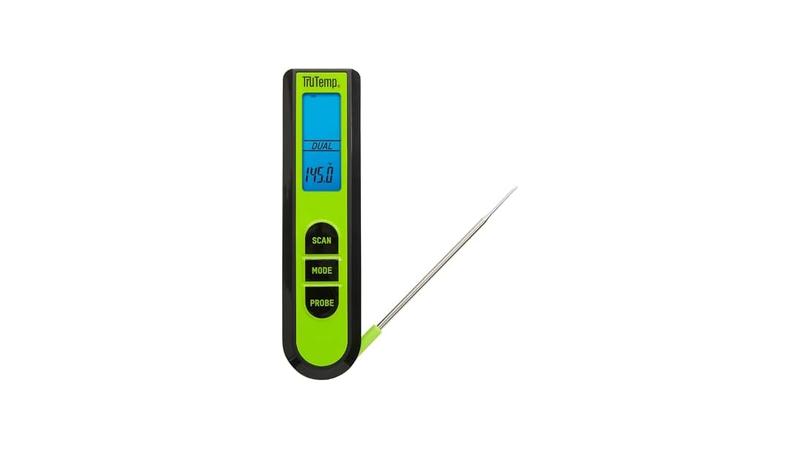
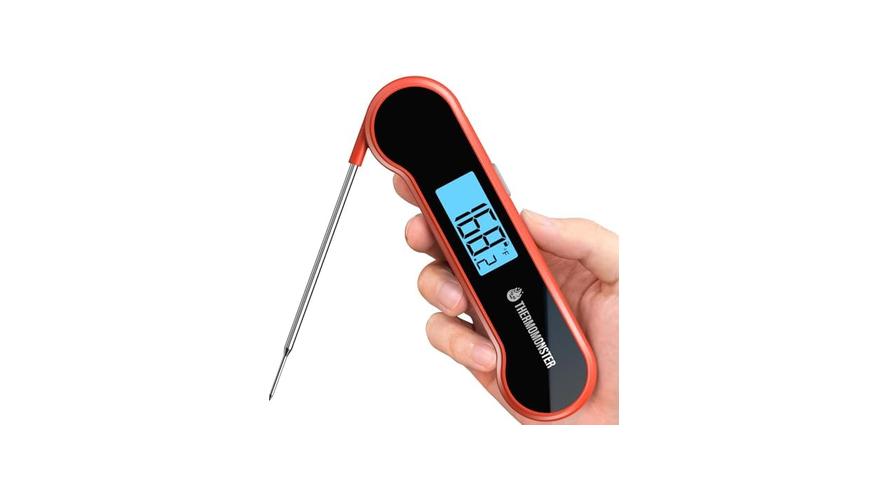
- Instant-Read Thermometers: These are great because they give you a temperature reading very quickly, usually in just a few seconds. They have a metal probe you stick into the thickest part of the meat. You take it out to read the temperature. They are small and easy to carry around.
- Digital Probe Thermometers: These have a long metal probe that stays in the meat while it’s cooking. A wire connects the probe to a digital display that you can keep outside the oven or grill. This is super handy because you don’t have to open the door to check the temperature, which keeps the heat inside.
- Oven-Safe Thermometers: Some thermometers are built to stay in the oven or grill the whole time your food is cooking. They usually have a dial that shows the temperature. These are less common now with digital ones being so popular, but they still work well for some cooks.
Choosing the right thermometer depends on how you like to cook. If you do a lot of grilling and want to check without opening the lid, a digital probe is a good choice. For quick checks on steaks or burgers, an instant-read is perfect.
How Thermometers Measure Temperature
At its core, a meat thermometer works by sensing heat. When you place the metal probe into food, the heat from the food transfers to the probe. This heat then travels up to the part of the thermometer that registers the temperature.
In older dial thermometers, this might be a spring that expands or contracts with heat. For digital thermometers, there’s usually a small sensor, often a thermistor or thermocouple, at the tip of the probe. This sensor changes its electrical resistance based on the temperature it’s exposed to.
The thermometer’s internal electronics then convert this change into a temperature reading. This reading is shown on a display, either a dial or a digital screen. The key is that the probe needs to be in the thickest part of the meat, away from any bones or fat pockets, to get the most accurate reading of the meat’s internal temperature.
If the probe touches a hot pan or grill grates, it can give a false high reading. Similarly, if it’s too close to a cold surface, it can read too low.
Key Parts of a Meat Thermometer
Most meat thermometers share a few common parts that help them do their job. Knowing these parts makes using and caring for your thermometer much easier.
- The Probe: This is the pointed metal rod that you the thermometer actually senses the heat of the food.
- The Display: This is where you see the temperature. It can be a simple dial with a needle pointing to a number, or a digital screen that shows numbers clearly. Digital displays are often easier to read, especially in bright sunlight or low light conditions. Some digital displays are also backlit, which is helpful when cooking in the dark.
- The Handle/Body: This is the part you hold. It’s usually made of plastic or heat-resistant material to keep your hand away from the hot probe and food. Some handles have buttons for turning the thermometer on or off, changing units (Fahrenheit or Celsius), or setting alarms.
- The Cord (for probe thermometers): If you have a digital probe thermometer, there will be a cord connecting the probe to the main display unit. This cord is usually made of heat-resistant material so it won’t melt if it touches a hot surface. The length of the cord can vary, with longer cords offering more flexibility.
These parts work together to give you a reliable temperature reading. Taking care of them, like keeping the probe clean and the handle dry, will make your thermometer last longer.
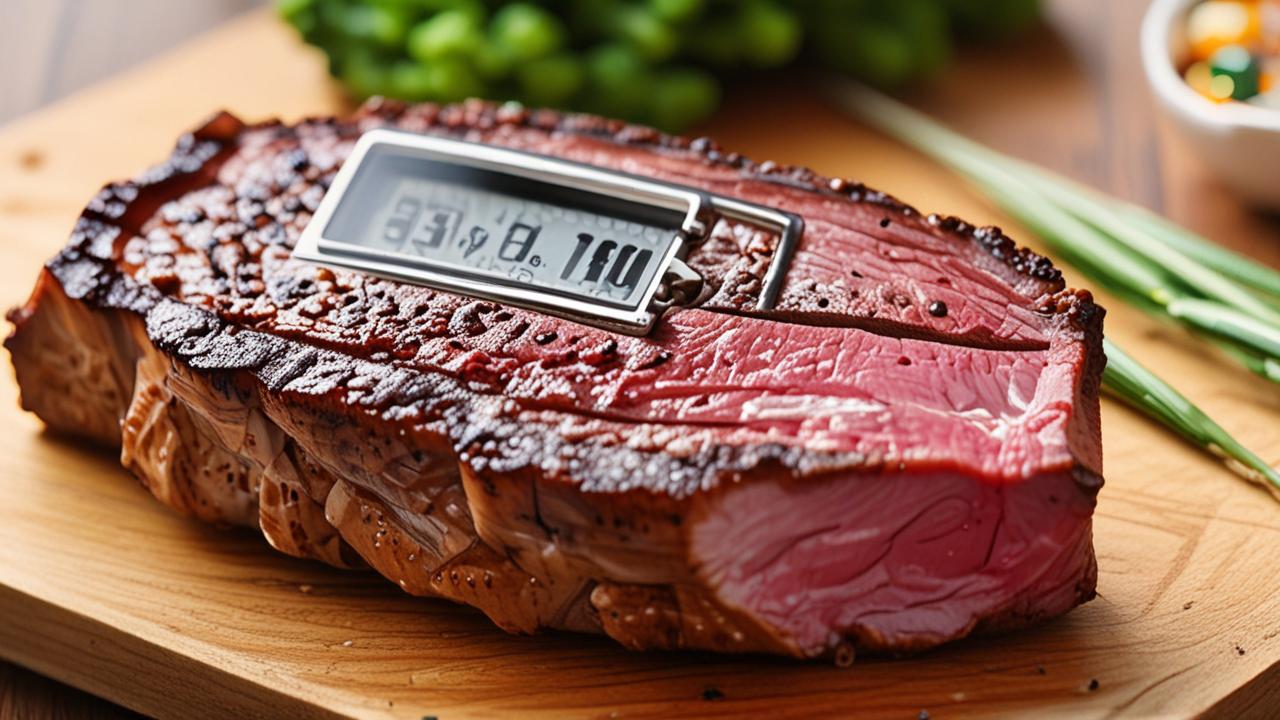
Getting Started with Your Thermometer
Before you can start cooking with your meat thermometer, there are a few simple things to do. This setup phase ensures your thermometer is ready to go and you know how to use it. It’s about making the process as smooth as possible.
Before You First Use It
When you first get a meat thermometer, it’s a good idea to give it a quick clean. You can usually wash the probe with warm, soapy water. Make sure to dry it completely afterward, especially the metal part.
Some thermometers might come with instructions about calibrating them, which means checking if they are set to the correct temperature. This is especially true for digital ones. If your thermometer needs batteries, put them in now.
A quick look at the manual can tell you if there’s anything special you need to do before cooking.
Reading the small instruction booklet that comes with your thermometer is really helpful. It will tell you exactly how to operate your specific model. It might explain how to switch between Fahrenheit and Celsius, or how to use any special features like timers or alarms.
Getting familiar with these details now means you won’t be fumbling around when you’re in the middle of cooking a meal.
Checking for Accuracy
It’s a smart move to check if your thermometer is giving accurate readings. You can do this with a simple ice water test. Fill a glass with ice and water, and stir it well.
Wait about 30 seconds for the water to get really cold. Then, place the thermometer probe into the ice water, making sure it doesn’t touch the sides or bottom of the glass. The thermometer should read 32 degrees Fahrenheit (0 degrees Celsius).
If it’s a little off, some digital thermometers have a calibration feature you can use. If yours doesn’t, don’t worry too much if it’s only a degree or two off, but if it’s way off, you might need to consider a replacement.
Another simple test is a boiling water test. Boil some water in a pot. Carefully place the probe into the boiling water, again avoiding touching the sides or bottom of the pot.
The thermometer should read 212 degrees Fahrenheit (100 degrees Celsius) at sea level. If you live at a high altitude, the boiling point of water is lower, so the reading will be different. The instruction manual for your thermometer might have details about altitude adjustments.
These tests help you trust the readings you get when you’re cooking.
Knowing Your Thermometer’s Features
Different thermometers have different features. Some are super basic, just showing you the temperature. Others have extra handy functions that can make cooking even easier.
For example, many digital thermometers have a “hold” function. This means you can pull the probe out of the food, and the display will keep showing the last temperature it read. This is useful if the display is hard to see while the probe is inside the meat.
Some advanced models can even be programmed with target temperatures for different types of meat. When the meat reaches that temperature, the thermometer will beep or flash. This is fantastic for busy cooks who want to keep an eye on multiple things.
Others have a backlight for easy reading in dim light. Understanding these features means you can use your thermometer to its full potential. If you’re unsure about a feature, the user manual is your best friend.
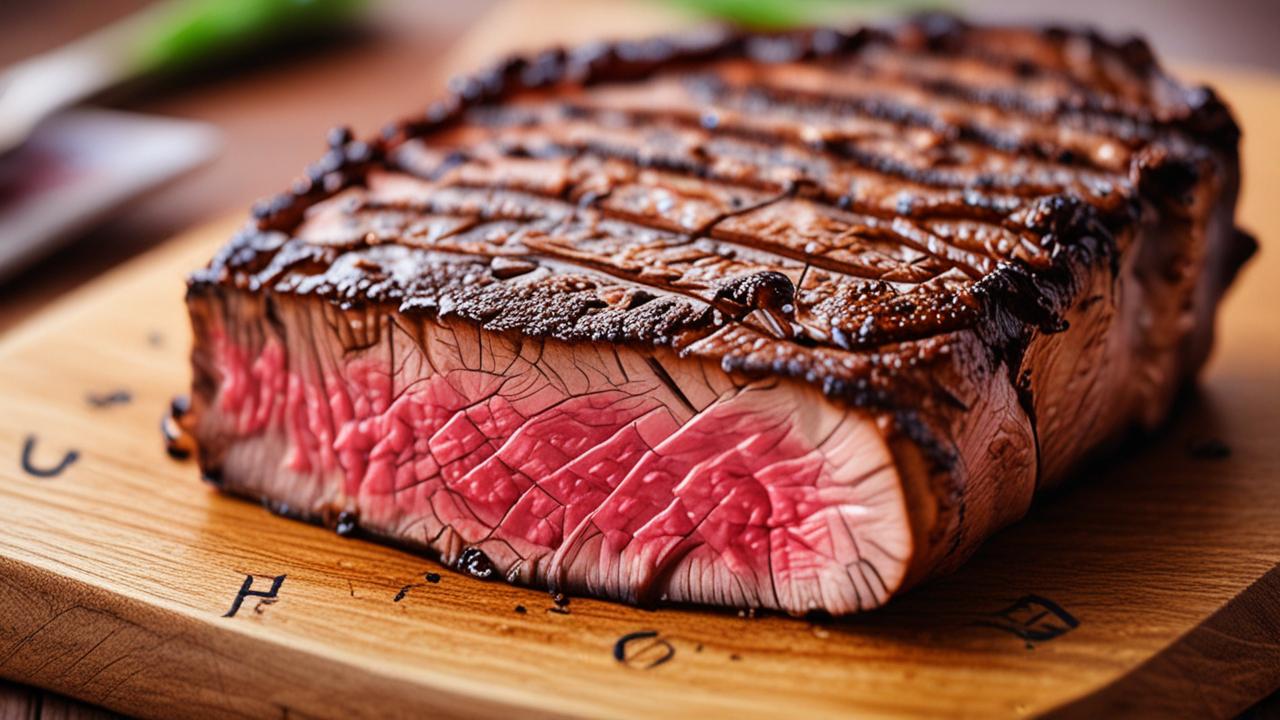
How to Use a Meat Thermometer Correctly
This is where the magic happens! Following these steps ensures you get the most accurate reading and cook your food perfectly. It’s a straightforward process that takes the worry out of cooking.
Step 1: Prepare the Thermometer
Before you even think about sticking it into your food, make sure your thermometer is ready. If it’s a digital one, turn it on. If it needs batteries, ensure they’re fresh and properly inserted.
For instant-read thermometers, make sure the probe is clean. If you just washed it, dry it well. For probe thermometers that stay in the food, make sure the probe is attached to the display unit correctly and the cord isn’t tangled.
If you’re using a thermometer that stays in the oven or grill, make sure it’s set to the correct temperature scale (Fahrenheit or Celsius) according to your recipe or preference. Some models allow you to choose. It’s also a good idea to know where the minimum temperature is marked for safe cooking of different meats.
This will be your target when you take your first readings.
Step 2: Find the Thickest Part
This is arguably the most important step for an accurate reading. You want to insert the thermometer probe into the thickest part of the meat. Avoid poking it into thin areas, as they will cook faster and give you a misleadingly high temperature.
Also, steer clear of bones, cartilage, or large pockets of fat. Bones conduct heat differently than muscle tissue, which can lead to an inaccurate temperature reading. Fat pockets can also be cooler or hotter than the surrounding meat.
For a whole roast like a chicken or beef brisket, you’ll typically insert the probe into the center of the largest muscle mass. For steaks or chops, aim for the middle of the thickest side. If you’re cooking ground meat patties, you can insert the probe into the side of the patty, ensuring it’s in the center.
The goal is to measure the internal temperature of the meat itself, not any extraneous parts.
Step 3: Insert the Probe
Once you’ve found the thickest part, gently insert the probe straight into the meat. You want the tip of the probe to be fully immersed in the meat. For digital probe thermometers, insert the probe and then close the oven or grill door, ensuring the cord is not pinched.
For instant-read thermometers, hold the thermometer steady while the reading appears. Don’t wiggle it around too much, as this can affect the accuracy of the reading.
If you’re cooking something large, like a turkey or a big roast, you might need to insert the probe from the side or even from the top, depending on the shape. The key is that the sensing area of the probe, usually the last inch or so, is completely surrounded by the meat. If the probe is sticking out of the meat, or if part of it is exposed to the air in the oven, you will get an incorrect reading.
Always aim for the very center of the thickest part.
Step 4: Wait for the Reading
Now, patience is key. For instant-read thermometers, you usually only have to wait a few seconds, maybe 5 to 10. The display will show the temperature.
Digital probe thermometers may take a bit longer to stabilize, especially if the meat is still very cold. Let the probe stay in the meat until the reading stops changing significantly. This might take a minute or two.
If you have a thermometer with an alarm, set it to the desired temperature. It will let you know when the meat is ready. For dial thermometers, watch the needle until it settles on a number.
Don’t be tempted to pull the probe out too early. If you’re checking multiple spots, wait for the reading to stabilize each time. A stable reading means the thermometer has accurately measured the heat of the meat at that specific point.
Step 5: Check Multiple Spots (If Needed)
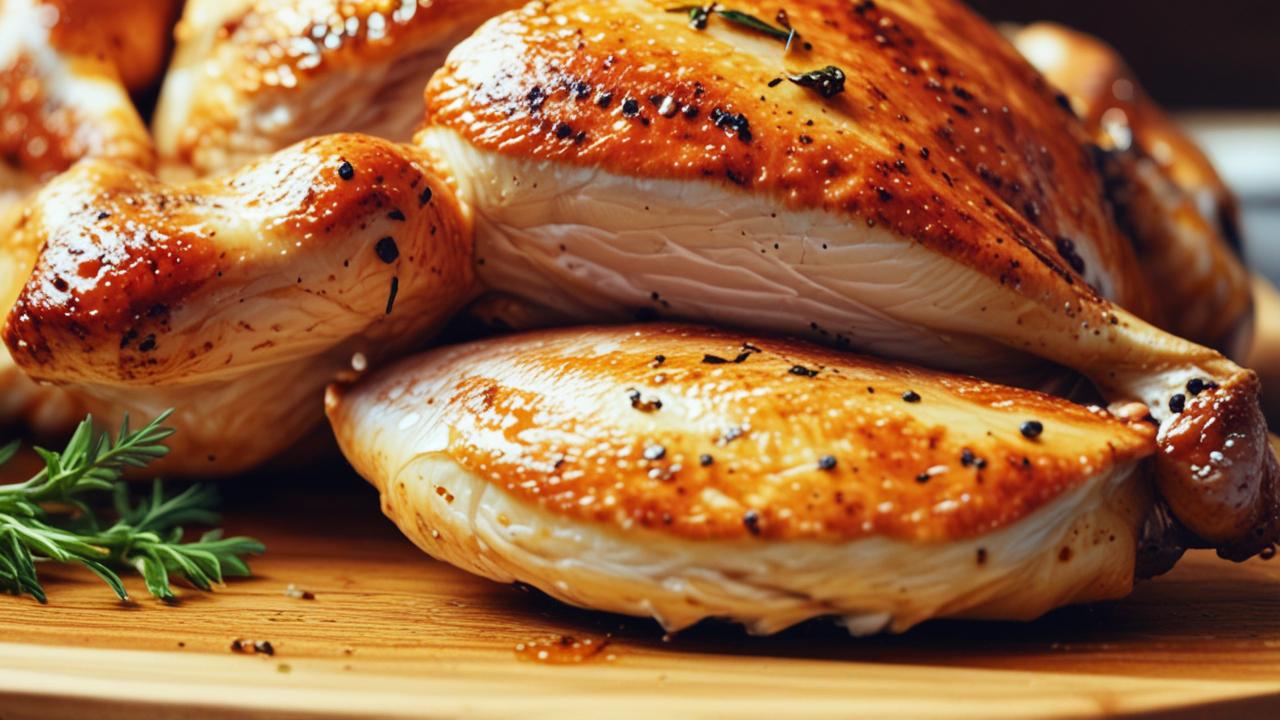
For larger cuts of meat, it’s often a good idea to check the temperature in a couple of different spots. This helps ensure that the entire piece of meat is cooked evenly. For example, with a whole chicken, check the thickest part of the breast and the thickest part of the thigh.
For a large roast, you might check the center and then a spot closer to the edge to see how evenly it’s cooking.
When checking multiple spots, try to insert the probe into areas that are similar in thickness. This will give you a better comparison of the cooking process. If one area is significantly cooler than another, the meat might need more cooking time.
However, always remember that the “done” temperature is typically based on the thickest, coolest part of the meat. If that part reaches the safe temperature, the rest is likely done or will be soon.
Step 6: Record the Final Temperature
Once you’ve gotten the reading you need, make a note of it, especially if you’re trying to achieve a specific level of doneness. For digital thermometers, you might be able to use the “hold” function to keep the reading visible as you remove the probe. If you’re using an instant-read thermometer, just read the display quickly.
For probe thermometers, you’ll see the final temperature on the display unit. Knowing the exact temperature is what guarantees your food is safe and cooked to perfection.
Remember that meat temperature will continue to rise slightly even after you take it off the heat. This is called carryover cooking. So, you can often remove the meat from the heat a few degrees before it reaches your target temperature, and it will continue cooking as it rests.
This helps prevent overcooking. For example, if you want medium-rare steak at 135°F (57°C), you might pull it off the heat when it reads 130°F (54°C).
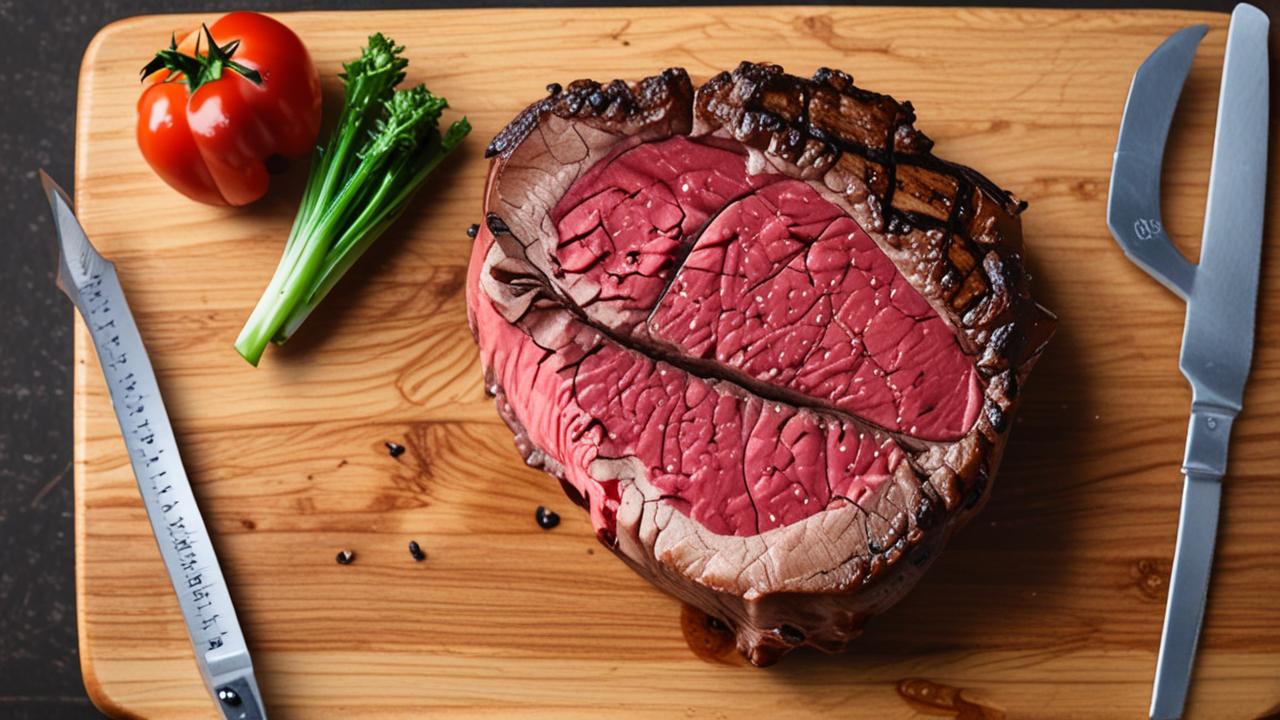
Tips for Accurate Readings
Getting the most out of your meat thermometer involves a few extra tricks. These small adjustments can make a big difference in how your food turns out.
- Avoid Probing Repeatedly: Every time you insert and remove the thermometer probe, you’re creating more holes in the meat. For instant-read thermometers, wait for the reading to stabilize before removing. For probe thermometers, let them stay in place until the final check. Too many insertions can cause juices to escape, making the meat drier.
- Clean the Probe After Each Use: After you’ve got your reading and removed the thermometer, clean the probe again. This is important for hygiene. It also prevents any leftover food particles from affecting future readings. Use warm, soapy water, and dry it thoroughly.
- Know Your Target Temperatures: Different meats and different levels of doneness require different internal temperatures. For example, chicken should always be cooked to at least 165°F (74°C) for safety. Steaks can be enjoyed at various temperatures, from rare (125°F/52°C) to well-done (160°F/71°C). Having a chart handy can be very helpful.
- Consider Altitude: If you live at a high altitude, water boils at a lower temperature. This can affect the boiling water test for thermometer accuracy. Some thermometers might have settings for altitude, or you’ll need to adjust your expectations for the boiling point test.
- Don’t Rely on Color Alone: While color can be an indicator, it’s not always accurate, especially with modern farming practices and marinades. Relying solely on color can lead to undercooked or overcooked meat, and potentially unsafe food. The thermometer is your most reliable guide.
Understanding Carryover Cooking
Carryover cooking is a natural part of the cooking process for meats. Once you remove meat from a heat source, its internal temperature doesn’t immediately drop. Instead, the heat that’s trapped within the food continues to cook it from the inside out.
This effect is more pronounced in thicker, larger cuts of meat because they retain heat longer.
For example, a thick roast might continue to rise in temperature by 5 to 15 degrees Fahrenheit (3 to 8 degrees Celsius) after it’s removed from the oven. Knowing this allows you to pull the meat off the heat a little bit before it reaches your final desired temperature. This prevents you from overshooting your target and ending up with dry, overcooked food.
It’s a crucial concept for achieving perfect doneness, especially for expensive cuts of meat like prime rib or a whole turkey.
To account for carryover cooking, you can aim to remove your meat from the heat 5-10 degrees Fahrenheit below your target temperature for smaller items like steaks, and potentially 10-15 degrees Fahrenheit for larger roasts. The meat will then reach its final temperature during the resting period. This technique takes a little practice, but it’s a key skill for any home cook who wants to master their recipes.
Temperature Charts for Different Meats
Having a reliable temperature chart is like having a cheat sheet for perfect cooking. These charts provide recommended internal temperatures for various meats and levels of doneness, ensuring both safety and your desired taste. It’s always best to use a thermometer, as color and texture can be deceiving.
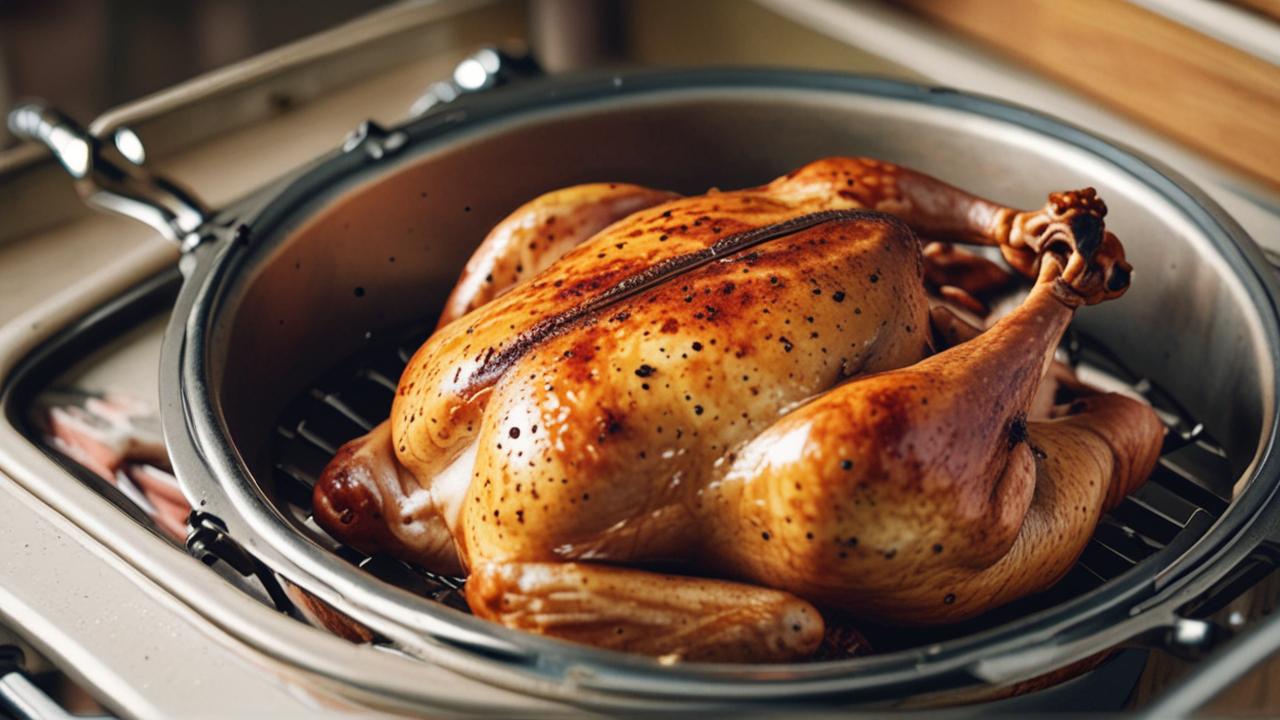
- Poultry (Chicken, Turkey, Duck): For safety reasons, all poultry should reach an internal temperature of 165°F (74°C). This ensures any harmful bacteria are destroyed. This applies to all parts of the bird, including the breast and thighs.
- Pork: While traditionally cooked to a higher temperature, modern pork can be safely cooked to 145°F (63°C) for medium-rare. This results in a juicier, more tender cut. If you prefer it more well-done, 150-160°F (66-71°C) is common.
- Beef, Lamb, Veal (Steaks, Roasts): These meats offer a range of doneness levels:
- Rare: 125°F (52°C)
- Medium-Rare: 135°F (57°C)
- Medium: 145°F (63°C)
- Medium-Well: 150°F (66°C)
- Well-Done: 160°F (71°C)
For ground beef, the FDA recommends cooking to 160°F (71°C) to ensure all parts of the meat have reached a safe temperature.
- Fish: Most fish is considered cooked when it reaches an internal temperature of 145°F (63°C). It should flake easily with a fork. Some delicate fish may be cooked slightly less, but 145°F is a good general guideline for safety.
It’s worth noting that these are general guidelines. Some chefs and home cooks may prefer slightly different temperatures based on personal preference and the specific cut of meat. However, for food safety, always meet or exceed the minimum recommended temperatures for poultry and ground meats.
Using Your Thermometer with Different Cooking Methods
Your meat thermometer isn’t just for the oven; it’s a versatile tool for all your cooking methods. Whether you’re grilling, smoking, or pan-searing, it helps you achieve perfect results.
Grilling: For steaks, burgers, or chicken on the grill, an instant-read thermometer is fantastic. You can quickly check the temperature without letting too much heat escape. For larger items like whole chickens or roasts on a rotisserie, a leave-in digital probe thermometer is ideal.
You can monitor the temperature as it cooks, ensuring it reaches the safe internal temperature without burning.
Smoking: Smoking meat is a slow process, and a reliable leave-in probe thermometer is essential. You’ll want to for the entire cooking duration. This allows you to track the temperature rise and know exactly when your brisket or pork shoulder is tender and cooked through.
Many digital smokers come with built-in probes, but an external one can offer more flexibility.
Pan-Searing: When pan-searing steaks, chops, or fish, an instant-read thermometer is your best friend. You can quickly check the doneness after searing both sides. It’s important to insert the probe into the thickest part of the meat, away from the hot pan surface.
This ensures you get an accurate internal temperature reading, not just the temperature of the crust.
Roasting: This is perhaps the most common use for meat thermometers. For whole birds like turkeys or chickens, or large roasts, a leave-in probe thermometer is highly recommended. You insert it into the thickest part of the thigh (for poultry) or the center of the roast and let it cook.
This allows you to know precisely when the meat is done without having to constantly open the oven door, which can lead to uneven cooking.
For all these methods, the principle remains the same: insert the probe into the thickest part, away from bone or fat, and wait for a stable reading. Consistent use will help you develop an intuition for how long different cuts take to cook, but the thermometer is your ultimate guarantee of accuracy and safety.
Frequently Asked Questions
Question: How often should I check the temperature of my meat?
Answer: For instant-read thermometers, check when you think the meat is getting close to done. For leave-in probe thermometers, you usually only need to check the display unit periodically. Once the temperature is nearing your target, you can take more frequent readings.
Question: Can I use the same thermometer for raw chicken and steak?
Answer: Yes, you can. However, it’s very important to wash the probe thoroughly with hot, soapy water after using it on raw chicken before using it on any other food, especially ready-to-eat items like steak. This prevents the spread of harmful bacteria like Salmonella.
Question: My thermometer says my steak is done, but it looks a little pink inside. Should I cook it more?
Answer: It depends on your preference and the type of steak. For safety, beef steaks are often enjoyed medium-rare, which has a pink center. If you are concerned about bacteria, cook all meats to their recommended safe internal temperatures.
Always trust your thermometer over color alone.
Question: What’s the difference between Fahrenheit and Celsius?
Answer: Fahrenheit (°F) and Celsius (°C) are two different scales for measuring temperature. Most recipes in the United States use Fahrenheit, while many other countries use Celsius. Your thermometer likely has a setting to switch between the two, so make sure it’s set to the scale you’re using for your recipe.
Question: My digital meat thermometer is not turning on. What should I do?
Answer: First, check the batteries. Make sure they are inserted correctly and are fresh. If the batteries are new and inserted properly, try cleaning the battery contacts with a pencil eraser.
If it still doesn’t turn on, the thermometer might be broken, and you may need to replace it.
Summary
Learning How to Use a Meat Thermometer Correctly is a skill that makes cooking easier and safer. By understanding your thermometer and following simple steps, you can confidently cook meats to perfection every time. Always aim for the thickest part, away from bone.
Trust the readings for safe and delicious results. Happy cooking!