Cooking a turkey can feel like a big deal, and making sure it’s perfectly cooked is super important. For folks new to roasting a big bird, figuring out How to Use Meat Thermometer for Turkey can seem a little tricky. You want it safe to eat but also juicy and tasty, not dry.
Don’t worry! This guide will walk you through it step-by-step, making it really easy. We’ll cover everything you need to know to get that perfect turkey every time.
Getting Ready for Perfect Turkey with a Thermometer
This first part is all about setting yourself up for success before you even think about roasting. It covers the different types of thermometers you might use and what makes them good for checking your turkey. We’ll also touch on why using a thermometer is the best way to know your turkey is cooked just right, making sure it’s safe and delicious.
Learning these basics will make the actual cooking part much smoother.
Types of Meat Thermometers
There are a few main kinds of meat thermometers you’ll see. Each one works a little differently and has its own good points for checking a turkey. Knowing about them helps you pick the best tool for your kitchen.
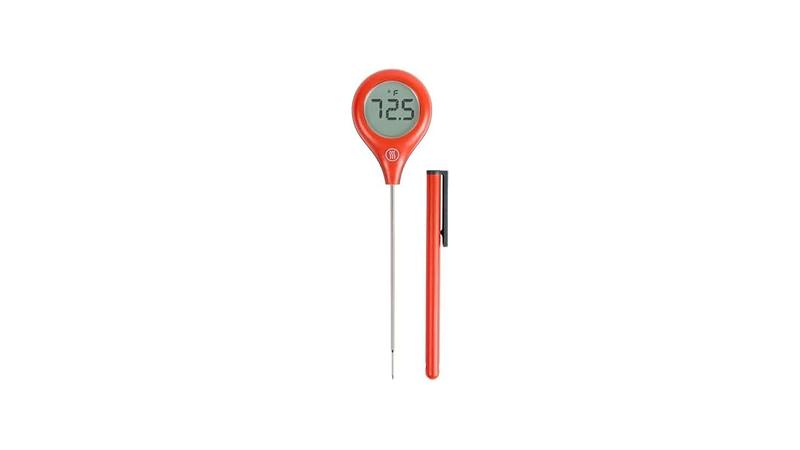
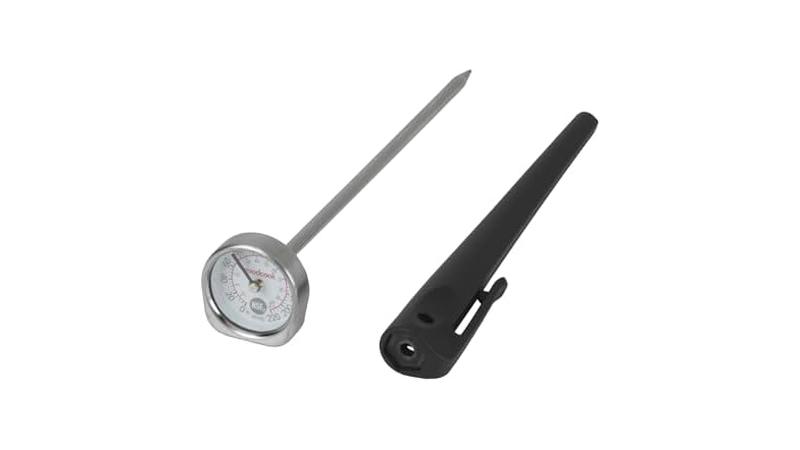
- Instant-Read Thermometers: These are super fast. You stick the probe into the thickest part of the turkey, and it gives you a reading in just a few seconds. They are great because you don’t have to leave the probe in the oven while the turkey cooks. This means you can check it quickly without losing a lot of heat from your oven. They are also very portable and easy to clean.
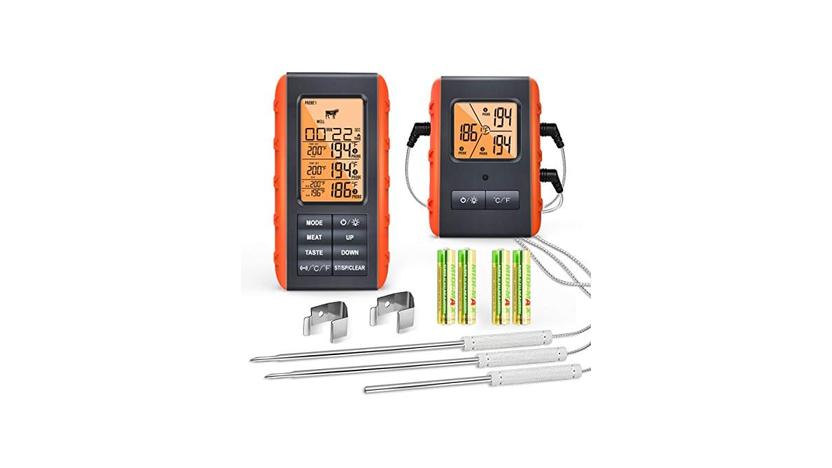
- Oven-Safe (or Probe) Thermometers: These thermometers have a probe that stays in the turkey during cooking. The probe wire runs out of the oven to a digital display that sits on your counter. This lets you keep an eye on the turkey’s temperature without opening the oven door. Opening the oven lets out heat, which can make your turkey cook longer and unevenly. Having the display outside means you can see the temperature at a glance.
- Smart/Wireless Thermometers: These are like oven-safe thermometers but connect wirelessly to your phone or a special receiver. You can monitor the turkey’s temperature from another room. This is really handy if you want to relax or mingle with guests while the turkey cooks. They often come with apps that can even alert you when the turkey reaches your desired temperature.
Why a Thermometer is Your Turkey’s Best Friend
Using a meat thermometer is the only sure way to tell if your turkey is cooked safely and to your liking. Relying on guesswork or checking the juices to see if they run clear isn’t reliable. Different parts of the turkey can cook at different speeds, and an oven’s temperature can also vary.
A thermometer tells you the exact internal temperature of the meat, which is key for food safety and for getting that perfect, juicy texture.
Preparing Your Thermometer for Use
Before you stick any thermometer into your food, it’s important to make sure it’s clean and working correctly. For instant-read thermometers, a quick wash with soap and warm water is usually enough. For oven-safe ones, you’ll want to wipe down the probe.
Some thermometers might need calibration, which means checking if they read the freezing point of water (32°F or 0°C) correctly. This ensures your readings are accurate.
The Best Way to Use Your Meat Thermometer for Turkey
Now that you have your thermometer ready, it’s time to put it to work. This section focuses on the actual steps of checking your turkey’s temperature. We’ll show you exactly where to insert the thermometer to get the most accurate reading.
This is the most important part to ensure your turkey is cooked through safely and tastes delicious. We will also discuss what temperatures you are aiming for.
Where to Insert the Thermometer for Accurate Readings
Getting the right temperature reading means putting the thermometer probe in the right spot. You want to find the thickest part of the turkey, making sure not to touch any bones. Bones can be hotter than the meat, which would give you a false reading.
The best places to check are the thickest part of the breast and the thickest part of the thigh.
- The Breast: For the breast, insert the probe horizontally into the thickest part, away from the bone. Aim for the center of the breast.
- The Thigh: For the thigh, insert the probe into the thickest part, close to the body of the turkey but again, making sure not to hit the bone.
- Multiple Checks: It’s a good idea to check both the breast and the thigh. Sometimes, one part might cook faster than the other.
Understanding Target Temperatures for a Safe Turkey
The temperature goal for a fully cooked turkey is very important for food safety. The U.S. Department of Agriculture (USDA) recommends that poultry reach an internal temperature of 165°F (74°C).
This temperature kills any harmful bacteria that might be present.
- 165°F (74°C): This is the target temperature for the entire turkey. Once it hits this temperature in the thickest parts, your turkey is safe to eat.
- Resting Period: After reaching 165°F, it’s crucial to let the turkey rest. This allows the juices to redistribute throughout the meat, making it more tender and moist. During the resting period, the internal temperature can rise a few more degrees.
- Checking for Doneness: When you check, the thermometer should read 165°F (74°C) in the thickest parts of both the breast and the thigh.
When to Check Your Turkey
You don’t want to check your turkey too early, or you might not get an accurate reading if it hasn’t cooked enough. However, you also don’t want to overcook it. Start checking your turkey about 30-45 minutes before the recipe’s estimated cooking time is up.
This gives you time to check a few spots and make adjustments if needed without the risk of it drying out.
If you are using an oven-safe thermometer with a probe, you can keep an eye on the temperature continuously. When the display shows it’s getting close to 165°F (74°C), you can do a final, manual check with an instant-read thermometer in a couple of different spots to confirm it’s ready.
Troubleshooting Common Issues with Turkey Thermometers
Sometimes, even with the best intentions, things don’t go perfectly. This section is here to help you if you run into any snags while using your meat thermometer with your turkey. We’ll cover what to do if your readings seem off or if you’re unsure if your turkey is truly done.
These tips will help you feel more confident, even if unexpected things happen.
My Thermometer Seems to Be Giving Wrong Readings
If your thermometer is giving you readings that seem too high or too low, there are a few things you can check. First, make sure the battery is good if it’s a digital model. For oven-safe probes, ensure the wire is not touching the side of the oven or a bone, as this can affect the temperature.
Also, try testing your thermometer in boiling water (which should read 212°F or 100°C at sea level) or ice water (32°F or 0°C) to see if it’s accurate.
If your thermometer is still not reading correctly after these checks, it might be time to replace it. An inaccurate thermometer can lead to undercooked, unsafe turkey or an overcooked, dry bird. Investing in a reliable thermometer is definitely worth it.
The Breast is Done, but the Thighs Aren’t
This is a very common situation! Turkey breasts tend to cook faster than the thighs because they have less fat and are closer to the heat source in many ovens. If your breast reaches 165°F (74°C) but the thighs are still a bit cooler, you have a couple of options.
- Tent the Breast: You can loosely tent the breast with aluminum foil. This will slow down its cooking while allowing the thighs more time to reach the target temperature.
- Continue Cooking: Keep the turkey in the oven and continue to cook, checking the thighs every 15-20 minutes. The breast temperature might rise a little higher than 165°F, but as long as the thighs reach 165°F, the turkey will be safe.
- Remove and Rest: Once the thighs hit 165°F, remove the turkey from the oven and let it rest. The carryover cooking will likely bring the breast temperature up to a safe level.
What If I Don’t Have a Thermometer?
While it’s highly recommended to use a meat thermometer for the best results, if you absolutely don’t have one, you can try a few other methods, but they are less reliable. You can try to wiggle the leg – if it moves easily, it might be done. You can also pierce the thickest part of the thigh with a knife or skewer; the juices should run clear, not pink.
However, these methods can still lead to an undercooked or overcooked turkey. A thermometer takes the guesswork out of it and is the safest bet.
Tips for the Best Turkey Using Your Thermometer
Using a meat thermometer is a great step towards a perfect turkey, but a few extra tips can make it even better. This part offers some additional advice to help you get the most out of your cooking experience. These are simple tricks that can make a big difference in the final taste and texture of your holiday bird.
- Calibrate Regularly: Even if your thermometer seems to be working, it’s a good habit to check its calibration every so often, especially if it’s an oven-safe probe type. This ensures your readings are always accurate.
- Know Your Oven: Ovens can have hot spots. If you’re using an oven-safe thermometer, try to place it in the thickest part of the turkey, which is usually toward the center. Rotating the turkey halfway through cooking can also help it cook more evenly.
- Account for Resting Time: Remember that the temperature of the turkey will continue to rise by about 5-10 degrees Fahrenheit after you take it out of the oven. This “carryover cooking” is why it’s okay to remove the turkey when it hits 160-165°F (71-74°C) in the thigh and breast, as it will reach the safe 165°F (74°C) while resting.
Making Gravy from Pan Juices
After your perfectly cooked turkey has rested, you’ll have delicious pan juices to make gravy. The temperature of these juices isn’t as critical for safety as the turkey itself, but good flavor is key. A general rule is that if your turkey is cooked to 165°F (74°C), the juices will be safe to use.
Keeping Your Thermometer in Good Shape
To ensure your thermometer remains a reliable kitchen tool, proper care is essential. After each use, clean the probe thoroughly with warm, soapy water. For digital thermometers, make sure the display unit is kept dry.
Store your thermometer in a safe place where the probe won’t be damaged. This simple maintenance will help extend its life and ensure accurate readings for many delicious meals to come.
Frequently Asked Questions
Question: What is the most important temperature to remember for turkey?
Answer: The most important temperature is 165°F (74°C). This is the internal temperature your turkey needs to reach in its thickest parts to be safe to eat.
Question: Should I use a thermometer if my turkey looks done?
Answer: Yes, it’s always best to use a thermometer even if the turkey looks done. Visual cues can be deceiving, and a thermometer provides the certainty that it’s cooked safely.
Question: Can I leave an oven-safe thermometer in the turkey the whole time?
Answer: Yes, that’s exactly what oven-safe or probe thermometers are designed for. You leave the probe in the turkey, and the wire connects to a display outside the oven.
Question: What’s the difference between the breast and thigh temperature?
Answer: The breast often cooks faster than the thigh. You need to check both areas, and the turkey isn’t fully cooked until the thickest part of the thigh also reaches 165°F (74°C).
Question: How do I know if my instant-read thermometer is working correctly?
Answer: You can test it by placing the probe in a cup of ice water (it should read 32°F or 0°C) or a cup of boiling water (it should read 212°F or 100°C at sea level).
Summary
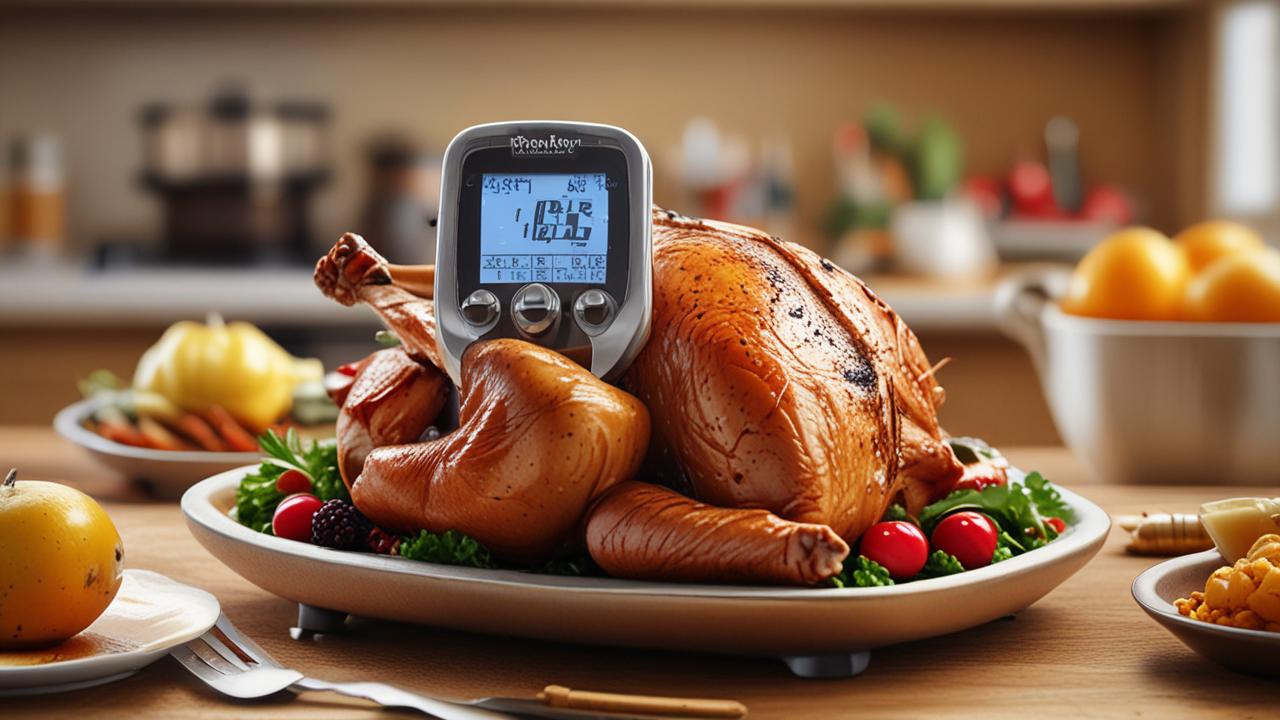
Using a meat thermometer for your turkey is a simple step that guarantees safety and delicious results. By checking the thickest parts of the breast and thigh, you ensure your turkey reaches 165°F (74°C). This method takes the guesswork out and leads to a perfectly cooked, juicy bird.
You’ve got this!