It’s super frustrating when your meat thermometer suddenly stops working right when you’re trying to cook a perfect meal. This problem, often searched as a Meat Thermometer Sensor Not Working Fix, can feel like a big hurdle, especially if you’re new to cooking or just got your thermometer. Don’t worry, though!
Most of the time, this issue is quite simple to fix. We’ll walk through easy steps to get your thermometer back in action. Let’s see what’s going on and how to sort it out quickly.
Troubleshooting Common Meat Thermometer Sensor Not Working Fix Issues
This section covers the most frequent reasons why your meat thermometer’s sensor might seem like it’s not working. We’ll break down simple checks you can do yourself without needing special tools. These steps are designed to help you quickly identify the problem and, hopefully, find a fix.
We’ll explore everything from power issues to sensor connectivity, making it easier to get back to confident cooking.
Checking the Power Source
The very first thing to check is the power source. Many digital meat thermometers run on batteries. If the batteries are dead or not inserted correctly, the thermometer won’t turn on or show any readings.
It’s a simple oversight, but a very common one.
-
Batteries can die over time, just like in any electronic device. Even if you don’t use your thermometer often, batteries can lose their charge.
Sometimes, batteries might seem okay, but they are actually low on power. This can cause the display to be dim or show erratic readings, making you think the sensor itself is broken. Replacing them with fresh, high-quality batteries is always the first step.
-
Ensure batteries are inserted with the correct polarity. Most battery compartments have clear markings for positive (+) and negative (-) terminals. Putting them in backward means the device won’t get power.
It sounds basic, but it happens more than you’d think. Double-checking that the flat end of the battery touches the spring (negative terminal) and the bumped end fits into the socket (positive terminal) is key. A quick look at the compartment’s diagram can prevent confusion.
Inspecting the Probe and Cable
The probe is the part that goes into the food, and the cable connects it to the thermometer’s display unit. Damage here is another major reason for a Meat Thermometer Sensor Not Working Fix.
-
Look for any visible signs of damage on the probe. This includes bends, kinks, cuts, or corrosion on the metal part.
The probe is often made of stainless steel, but it can still get damaged if handled roughly. A bent probe might not reach the correct temperature or could even break off. Corrosion can interfere with the electrical signals from the sensor inside the probe.
-
Check the cable where it connects to the probe and to the display. Make sure there are no cuts, frays, or breaks in the wire.
The cable houses the wires that carry the temperature information. If these wires are exposed or broken, the signal can’t get through, or it might get scrambled. A frayed cable is also a safety hazard.
-
Ensure the probe is securely plugged into the display unit. Sometimes, it might come loose with use.
Many digital thermometers have a jack where the probe cable plugs in. If this connection is loose or dirty, it can prevent the thermometer from reading the temperature accurately. Gently push it in firmly to make sure it’s seated properly.
Understanding Temperature Sensor Types
Meat thermometers use different types of sensors to measure heat. Knowing what type you have helps in understanding potential issues.
Thermistor Sensors
A thermistor is a type of resistor whose resistance varies significantly with temperature. It’s a common sensor in many digital thermometers. When the temperature changes, the resistance of the thermistor changes, and the thermometer’s electronics translate this change into a temperature reading.
-
Thermistor sensors are generally accurate for their intended temperature range. However, they can be sensitive to extreme temperatures and physical shock.
If a thermistor is exposed to temperatures far beyond its design limits, it can become damaged or lose its calibration. A strong impact could also affect its internal structure and its ability to provide accurate readings.
-
Damage to the delicate internal components of a thermistor can lead to inaccurate readings or a complete failure.
These sensors are quite small. If the probe housing is compromised and moisture or dirt gets inside, it can corrode the thermistor or its connections. This is a common cause for a Meat Thermometer Sensor Not Working Fix that requires replacing the probe.
Thermocouple Sensors
Thermocouples are made of two different metals joined together at one end, called the sensing junction. When the temperature at this junction changes, it creates a small voltage difference between the two wires. This voltage is proportional to the temperature, and the thermometer measures it.
-
Thermocouples are known for their wide temperature range and fast response times, making them suitable for high-heat applications.
In cooking, this means they can handle the high temperatures of grills and ovens very well. Their quick reaction also helps you get a temperature reading faster as you insert the probe into food.
-
The accuracy of a thermocouple can be affected by age, contamination, or damage to the junction.
Like thermistors, the sensing junction can be affected by external factors. If the metals are exposed and corrode, or if the junction is physically damaged, the voltage generated might not accurately reflect the true temperature.
Testing the Thermometer’s Electronics
Beyond the probe, the thermometer’s display unit also has electronics that can sometimes be the source of the problem.
Resetting the Device
Many electronic devices, including meat thermometers, can be reset to clear temporary glitches. This is often a simple procedure that can resolve many common issues.
-
Turn the thermometer off and remove the batteries for at least 30 seconds. Then, reinsert the batteries and turn it back on.
This process acts like a power cycle for the device. It forces the internal chips to shut down completely and restart, which can clear out any temporary errors or software bugs that might be preventing the thermometer from functioning correctly.
-
Some advanced thermometers might have a specific reset button or a combination of buttons to press. Check your user manual for details.
If a simple battery removal doesn’t work, your thermometer might have a more dedicated reset function. The manual is the best place to find out if this is an option and how to perform it without causing any harm to the device.
Calibration Issues
Even if the sensor is working, the thermometer might give incorrect readings if it’s not calibrated properly.
-
Most home meat thermometers are factory-calibrated and don’t require user calibration. However, drops or extreme temperature changes can sometimes affect their accuracy.
While you don’t usually need to calibrate your thermometer, sometimes a significant event can knock it out of alignment. If your food consistently comes out under or overcooked, and you’ve checked everything else, calibration might be the issue.
-
To check calibration, you can use the ice water method. Fill a glass with ice water, stir, and let it sit for a few minutes. A properly calibrated thermometer should read 32°F (0°C).
This is a simple test that works for most thermometers. If the reading is significantly off from 32°F, it means your thermometer might need to be recalibrated or replaced if it’s not adjustable.
Common Scenarios and Their Fixes
Let’s look at some typical situations where a meat thermometer stops working and what you can do about them. These are real-world problems that many people encounter.
Scenario 1: The Display is Blank
This is one of the most frustrating issues. If you see nothing on the screen, it’s easy to assume the worst.
-
Check the batteries first. Make sure they are fresh and inserted correctly.
This is the most likely culprit. Old batteries or batteries put in backward will result in a blank screen. Always try new batteries first.
-
Clean the battery contacts. Sometimes, corrosion can prevent a good connection.
You can use a pencil eraser or a cotton swab dipped in a little rubbing alcohol to gently clean the metal contacts in the battery compartment. Make sure they are dry before reinserting batteries.
-
Try a different display unit if possible. If your probe is detachable, and you have another compatible thermometer, see if the probe works with it.
This helps you figure out if the problem is with the probe or the display unit. If the probe works with another unit, the issue is with your original display.
Scenario 2: The Temperature Reading is Erratic or Fluctuating Wildly
When the numbers on the screen jump around constantly, it’s hard to get a reliable reading.
-
Ensure the probe is clean and free of debris. Food particles can interfere with the sensor.
Leftover bits of food, especially fatty or sticky ones, can cling to the probe and affect how it senses temperature. A gentle wash with soap and water after each use is important.
-
Check the probe cable for any damage. A loose connection or a broken wire can cause erratic readings.
If the cable is bent sharply or has a visible nick, it might be a sign of internal damage. Gently flex the cable near the display and probe ends to see if the readings stabilize.
-
Make sure the probe is inserted correctly into the meat. It should be in the thickest part, away from bone or fat pockets.
Sometimes, the probe might be touching a hot pan bottom or a cold bone, leading to misleading temperature spikes or drops. Proper placement is key for accurate readings.
Scenario 3: The Thermometer Reads Too High or Too Low
If your thermometer consistently shows a temperature that’s way off, it’s not much use.
-
Test the thermometer using the ice water calibration method. This helps determine if the issue is with the thermometer’s accuracy.
As mentioned before, the 32°F (0°C) ice water test is a quick way to see if your thermometer is calibrated correctly. If it’s off, you might need to adjust it or consider it faulty.
-
If your thermometer has a calibration adjustment feature, follow the manual to recalibrate it.
Some higher-end models allow you to fine-tune the temperature reading. If yours does, this is the time to use that feature if the ice water test shows a significant discrepancy.
-
Consider the type of sensor. If you’re measuring very high or very low temperatures, ensure your thermometer is designed for that range.
Using a thermometer meant for room temperature cooking in a blast chiller or a scorching hot oven can lead to inaccurate results or damage. Always use the right tool for the job.
Advanced Checks for a Meat Thermometer Sensor Not Working Fix
When the simple fixes don’t work, it’s time to look a little deeper. These steps might involve more specific checks for your particular thermometer model.
Testing the Probe’s Continuity
This step requires a multimeter, a tool used to measure electrical properties. It helps confirm if the wires inside the probe are unbroken.
-
A multimeter can test continuity, which means checking if an electrical circuit is complete. For a thermometer probe, we want to ensure the wires inside are not broken.
Think of continuity testing like checking if a road is open. If there’s continuity, the electrical signal can travel freely from one end to the other. If there’s no continuity, the road is blocked, meaning a wire is broken.
-
To test, set your multimeter to the continuity setting (often indicated by a sound wave symbol or ‘Ω’). Touch the probes of the multimeter to the metal tip of the thermometer probe and the connector pin that plugs into the display unit.
You are essentially creating a small electrical path through the thermometer’s wiring. The multimeter will beep or show a resistance reading close to zero if there’s continuity.
-
If the multimeter does not beep or shows a high resistance, it indicates a break in the probe’s internal wiring, and the probe likely needs to be replaced.
A lack of a beep or a high resistance reading means the electrical path is interrupted somewhere along the probe or its cable. This is a definitive sign that the probe itself is faulty and is the reason your thermometer isn’t working.
Checking for Water Damage
Moisture is an enemy of electronics. If your thermometer has gotten wet, it can cause corrosion and shorts.
-
Inspect the display unit and probe connector for any signs of moisture or corrosion. This might look like a white or greenish powdery substance.
Water can seep into the casing of the display unit or the connector where the probe plugs in. Over time, this moisture can cause metal parts to corrode, interfering with electrical connections and leading to malfunctions.
-
If you find moisture, try to dry the unit thoroughly. You can place it in a sealed bag with silica gel packets or dry rice for a few days.
Silica gel packets (often found in shoe boxes or electronics packaging) are excellent at absorbing moisture. Rice can also work, though it’s not as efficient. The goal is to draw out any trapped humidity from the device’s internal components.
-
Avoid submerging the thermometer in water unless the user manual specifically states it’s waterproof. Most digital thermometers are water-resistant, not waterproof.
Many people accidentally drop their thermometers in liquids or wash them improperly. It’s crucial to know your thermometer’s limits. Always check the manual to see how to clean it safely.
When to Consider Replacement
Sometimes, despite your best efforts, a thermometer is beyond repair. Knowing when to cut your losses and get a new one is important.
-
If the probe is visibly damaged (bent, cracked, or corroded) and not replaceable separately, it’s often more cost-effective to buy a new thermometer.
Many basic thermometers have probes that are permanently attached. If this part is damaged, and you can’t get a replacement probe, the whole unit is essentially useless.
-
If you’ve tried all the troubleshooting steps, including new batteries and checking the cable, and the thermometer still doesn’t work, it’s likely an internal electronic failure.
When you’ve exhausted all the easy fixes and even the more advanced checks, it suggests a deeper problem within the thermometer’s circuitry that’s not fixable at home.
-
Consider the age of your thermometer. Electronics have a lifespan, and older units may be more prone to failure.
Like any gadget, thermometers can wear out. If your thermometer is several years old and has been used frequently, its components might simply be reaching the end of their service life.
Comparison of Common Meat Thermometer Types
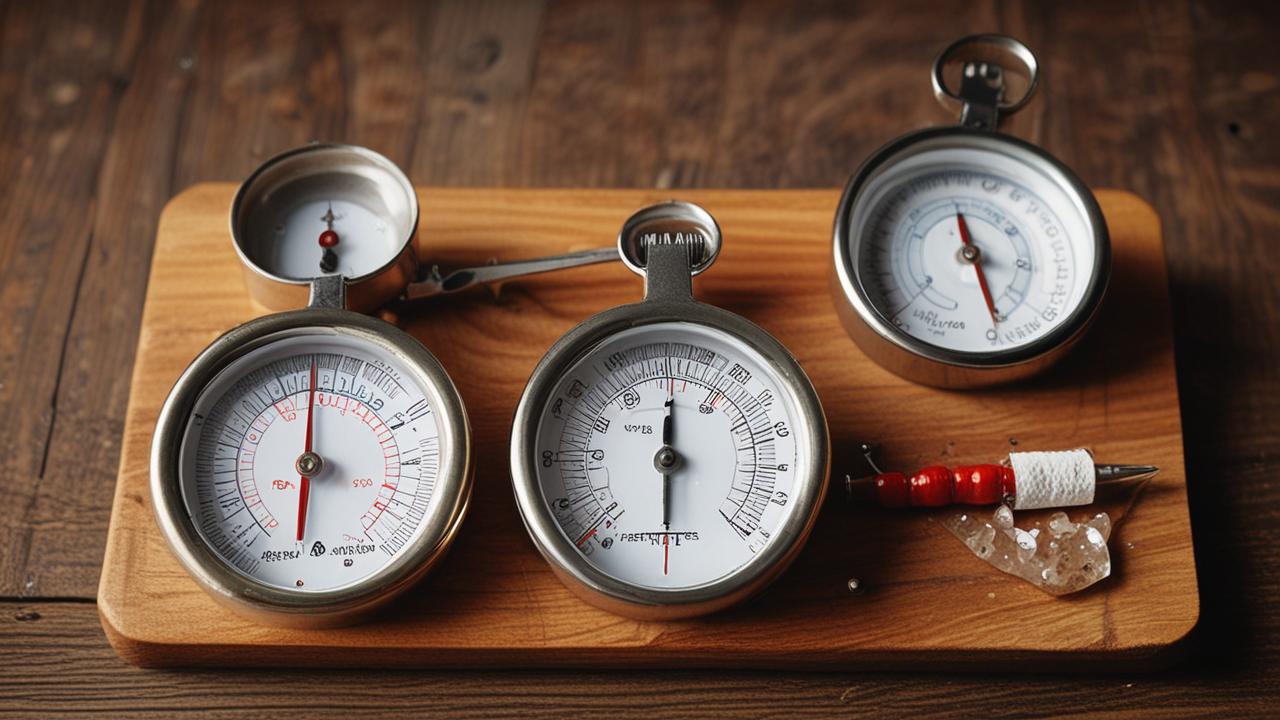
Different types of meat thermometers have their own strengths and weaknesses. Understanding these can help you choose the right one and troubleshoot issues specific to its design.
| Type | How it Works | Pros | Cons | Typical Fix Scenario |
|---|---|---|---|---|
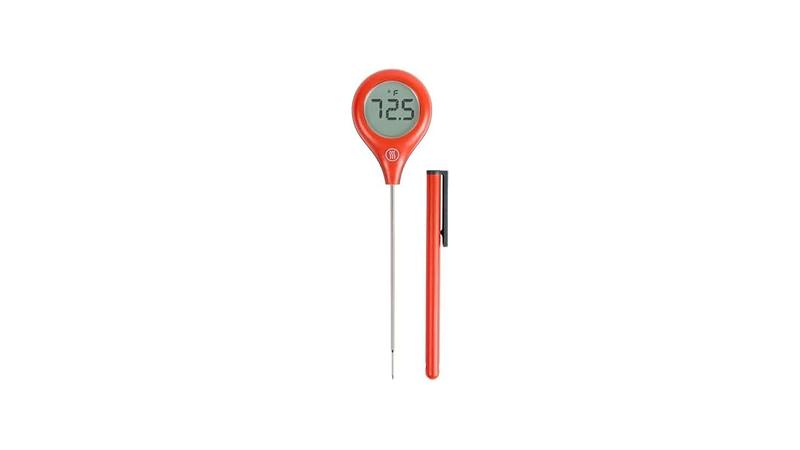
| Instant-Read Digital | Uses a thermistor or thermocouple in the probe to send readings to an LCD screen. | Fast, accurate, easy to read. | Requires batteries, probe can be fragile. | Battery issues, probe cable damage. |
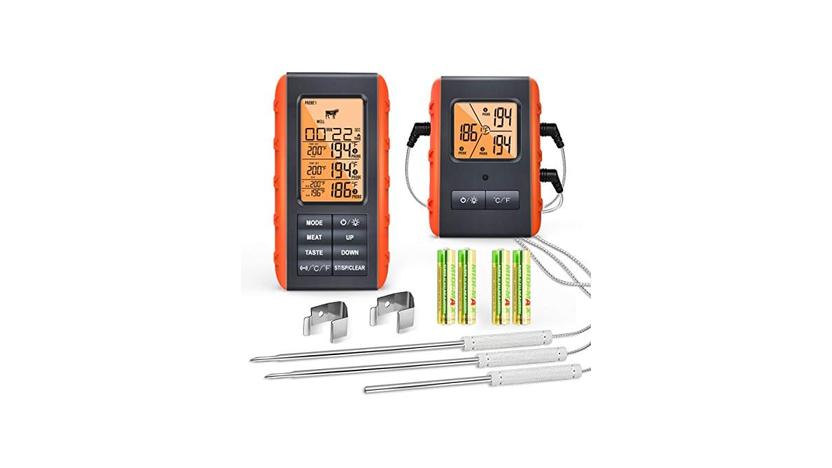
| Oven-Safe Digital (with remote) | Probe stays in the oven or grill, connected by a heat-resistant cable to a base unit outside. | Allows monitoring without opening the oven, good for long cooks. | Cable can be damaged, base unit needs batteries. | Cable breaks, base unit power loss. |
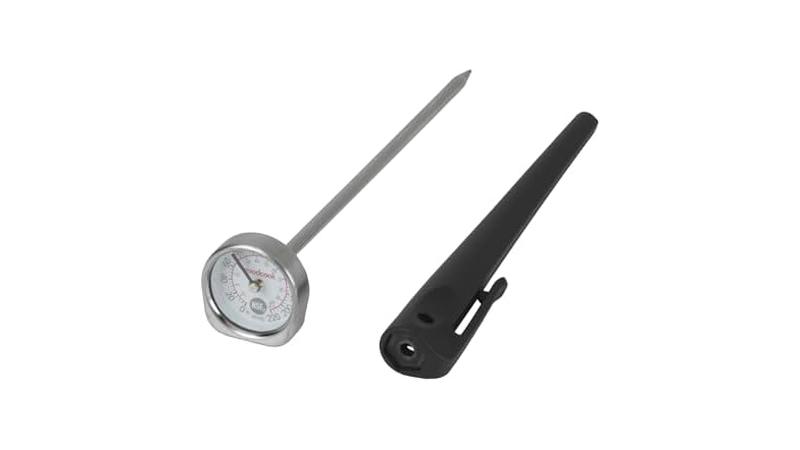
| Dial Thermometer (analog) | Uses a bimetallic strip that expands and contracts with temperature, moving a dial. | No batteries needed, simple to use. | Slower to read, less precise, can lose calibration. | Calibration drift, damaged dial mechanism. |
Frequently Asked Questions
Question: My meat thermometer won’t turn on. What should I do?
Answer: First, check the batteries. Make sure they are new and inserted correctly with the right polarity. If that doesn’t work, try cleaning the battery contacts with an eraser.
If it still doesn’t turn on, the display unit might be faulty.
Question: The temperature reading is not changing. Why?
Answer: This could be a problem with the probe or its connection. Ensure the probe cable is securely plugged into the display unit. Check the probe and cable for any cuts or damage.
If the probe is clean and undamaged, the sensor inside might have failed.
Question: My thermometer shows the temperature of boiling water as something other than 212°F (100°C). Is it broken?
Answer: While 212°F (100°C) is boiling point at sea level, altitude affects it. However, if it’s significantly off, test it with the ice water method (should read 32°F or 0°C). If both tests are off, it might need recalibration or replacement.
Question: Can I fix a broken meat thermometer probe?
Answer: For many digital thermometers, the probe is not easily repairable if the internal wiring is damaged. If the probe is detachable and you can find a compatible replacement, that’s an option. Otherwise, you might need a new thermometer.
Question: How often should I replace my meat thermometer?
Answer: There’s no fixed schedule. If it’s still accurate and working well, keep using it. However, if you notice it becoming less accurate, slow to read, or showing signs of wear, it might be time for a replacement, especially after a few years of regular use.
Wrap Up
Finding your meat thermometer sensor not working can be annoying, but most issues are simple fixes. We’ve covered checking power, inspecting the probe, and understanding common problems. Often, fresh batteries or a clean probe are all you need.
If you’ve tried these steps and your thermometer still acts up, it might be time for a new one to ensure perfect cooking every time.