Pulled pork internal temperature guide knowledge is the difference between dry, tough meat and perfectly shreddable barbecue. Getting the heat right transforms a basic pork shoulder into a melt-in-your-mouth masterpiece that feeds a crowd. This pulled pork internal temperature guide covers every detail you need to cook low and slow with total confidence.
You will learn the exact target numbers, why they matter, and how to avoid common mistakes that ruin expensive cuts of meat. Whether you use a smoker, grill, or oven, hitting the right number guarantees tender results every single time. Follow these steps and your next barbecue will be unforgettable.
Simply put, the ideal pulled pork internal temperature is 195°F to 205°F. At this range, collagen melts into gelatin, making the meat incredibly tender and easy to shred. Always use a reliable digital meat thermometer to check the thickest part of the cut without touching the bone.
What Is the Ideal Pulled Pork Internal Temperature Guide Target
The target for any pulled pork internal temperature guide is 195°F to 205°F. Cooking a pork shoulder to standard safe temperatures like 145°F leaves the meat far too tough to pull apart. You need sustained heat over many hours to break down the dense connective tissues found in this specific cut.
A good pulled pork internal temperature guide explains the science behind these numbers. Pork shoulder contains heavy amounts of collagen. Collagen is a tough protein that refuses to yield until it reaches high heat for a long period.
Once the meat hits 160°F, that collagen slowly converts into rich, silky gelatin.
This conversion process is what gives pulled pork its signature juicy texture. If you stop cooking at 165°F, the meat remains chewy and difficult to shred. Pushing past 195°F ensures the transformation finishes completely.
- 145°F is the USDA minimum safe temperature for whole pork cuts but far too low for pulling.
- 160°F is where collagen begins to break down into gelatin.
- 195°F is the minimum temperature for easy shredding.
- 203°F is widely considered the absolute sweet spot by professional pitmasters.
- 205°F is the maximum before the meat starts drying out and crumbling.
- 210°F and above results in mushy, overcooked meat that loses its texture.
According to the USDA, pork must reach at least 145°F with a three-minute rest time to be considered safe from harmful bacteria. However, barbecue experts and organizations like the Kansas City Barbeque Society emphasize that safety and tenderness are two completely different goals when smoking tough cuts.
| Temperature Range | Meat Condition | Best Used For |
|---|---|---|
| 145°F – 150°F | Safe but very tough | Slicing pork loin |
| 160°F – 180°F | Collagen melting phase | Not ready yet |
| 195°F – 205°F | Fully rendered and tender | Perfect pulled pork |
| 210°F+ | Mushy and dry | Overcooked |
This table shows exactly why patience matters. Rushing the process or pulling the meat early ruins the final texture. Stick to the 195°F to 205°F window for the best results.
Why the Pulled Pork Internal Temperature Guide Matters for Tenderness
Following a pulled pork internal temperature guide directly impacts how the meat feels when you eat it. Tenderness does not come from the quality of the pork alone. It comes from applying the right amount of heat for the right amount of time to force chemical changes inside the muscle fibers.
Pork butt, also known as Boston butt, is packed with intramuscular fat and thick bands of connective tissue. These tissues act like rubber bands when raw or undercooked. They only relax and dissolve when exposed to prolonged heat.
A proper pulled pork internal temperature guide teaches you to respect this biological process rather than fight it.
When collagen turns into gelatin, it coats the muscle fibers in moisture. This is why properly cooked pulled pork tastes juicy even though it spent twelve hours in a hot smoker. Without reaching that critical temperature threshold, the gelatin never forms, leaving you with dry, stringy meat.
- Select a well-marbled pork shoulder weighing between 8 and 10 pounds.
- Trim excess hard fat but leave about a quarter-inch layer for protection.
- Apply a generous coat of salt, pepper, garlic powder, and paprika rub.
- Place the meat in a preheated smoker set to 225°F or 250°F.
- Cook undisturbed until the bark forms and the stall begins around 160°F.
- Push through the stall using the Texas crutch method if needed.
- Verify doneness using a trusted pulled pork internal temperature guide reading of 203°F.
According to Meat Science research published by Texas A&M University, slow-cooked meats lose up to 30% of their initial weight in moisture during the smoking process. Reaching the correct internal temperature ensures that the remaining moisture is bound by rendered gelatin rather than lost entirely to evaporation.
Tip: Buy bone-in pork shoulders whenever possible. The bone acts as an internal heat conductor, helping the meat cook more evenly from the inside out while adding extra flavor to the surrounding tissue.
How to Measure Temperatures Using a Pulled Pork Internal Temperature Guide
Taking accurate readings is the most important skill in any pulled pork internal temperature guide. A bad reading leads to bad meat. You cannot guess the internal state of a thick pork shoulder by looking at the outside crust or poking it with a fork.
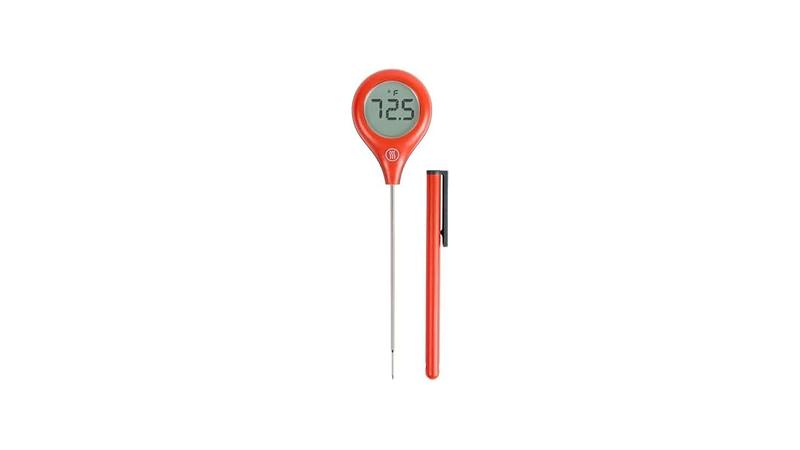
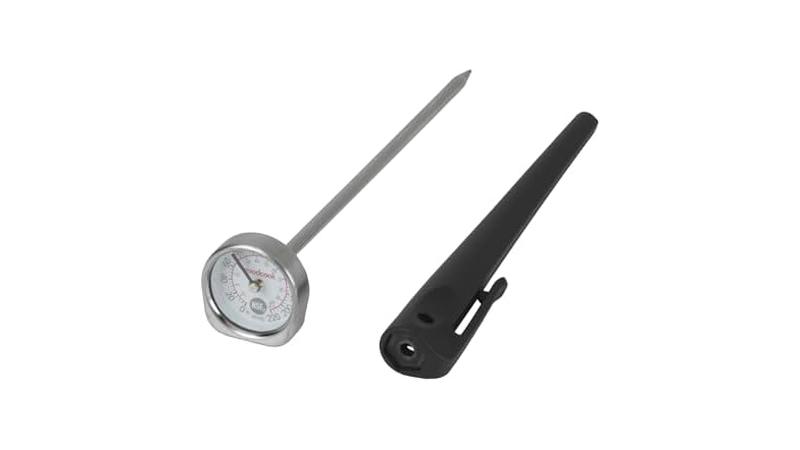
You need a high-quality digital probe thermometer. Brands like ThermoWorks, MEATER, and Thermopro offer reliable tools that give fast, precise readings. Avoid cheap dial thermometers found in grocery stores, as they often drift out of calibration and provide false numbers that ruin your cook.
Where you place the probe matters just as much as the tool you use. Insert the thermometer tip into the absolute thickest part of the meat. Keep the metal tip away from the bone.
Bones conduct heat differently than muscle tissue, giving you a falsely high reading if you touch them.
- Calibrate your thermometer in ice water before starting your cook to ensure accuracy.
- Insert the probe into the center of the thickest muscle mass.
- Avoid pushing the probe all the way through to the other side.
- Take readings from multiple spots if the pork shoulder has an irregular shape.
- Clean the probe with warm soapy water after every use to prevent cross-contamination.
- Replace batteries in digital models before long overnight smoking sessions.
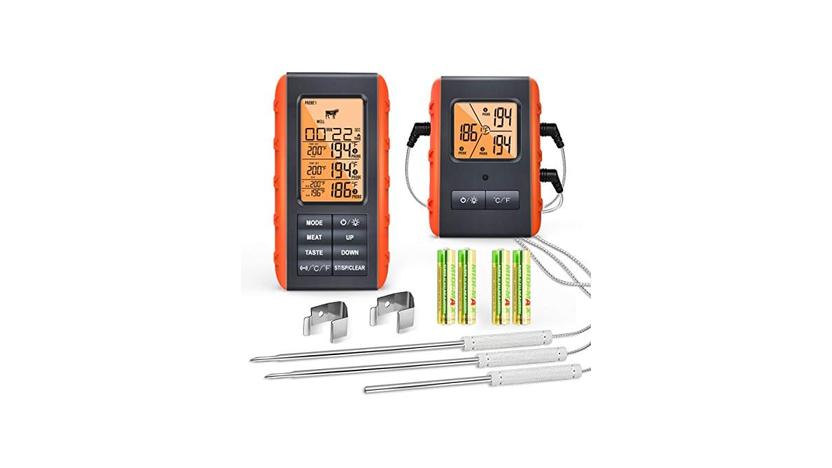
Leave-in probe thermometers connected to Wi-Fi or Bluetooth receivers change the game for backyard cooks. These devices send alerts to your phone when the meat hits specific milestones outlined in your pulled pork internal temperature guide. You can sleep or run errands without constantly opening the smoker lid and losing valuable heat.
The National Barbecue & Grilling Association reports that over 75% of competition pitmasters rely on dual-probe digital thermometers. One probe monitors the ambient smoker air temperature, while the second tracks the meat’s internal progress simultaneously.
Warning: Never trust the pop-up timers included in some pre-packaged meats. They are notoriously inaccurate and usually trigger at temperatures far below what is required for tender pulled pork.
What Causes the Stall in Your Pulled Pork Internal Temperature Guide
Every pulled pork internal temperature guide must address the dreaded stall. The stall happens when the internal temperature of the meat stops rising, usually hovering stubbornly between 150°F and 170°F. This plateau can last anywhere from two to six hours, testing the patience of even experienced cooks.
The stall occurs due to evaporative cooling. As the meat heats up, moisture pushes to the surface and evaporates. This evaporation cools the meat at the exact same rate the smoker heats it.
The result is a flatline on your thermometer display that makes beginners panic and turn up the heat.
Turning up the smoker temperature is the worst thing you can do during a stall. High heat dries out the exterior before the interior finishes rendering. Instead, you have two smart options to beat the stall without ruining the bark or the moisture content.
| Stall Solution | How It Works | Effect on Bark |
|---|---|---|
| The Texas Crutch | Wrapping meat tightly in aluminum foil traps steam and stops evaporation | Softens the crust slightly |
| Butcher Paper Wrap | Pink butcher paper breathes, stopping the stall while protecting the bark | Preserves crispy texture |
| Riding It Out | Doing nothing and waiting for evaporation to naturally finish | Creates the thickest bark |
Choosing the right method depends on your timeline and texture preferences. Wrapping speeds up the cook significantly. Waiting takes longer but builds a thicker, crunchier exterior crust.
Any reliable pulled pork internal temperature guide recommends pink butcher paper as the best middle ground between speed and texture.
Food scientists at AmazingRibs.com explain that the stall is purely a physics phenomenon related to moisture loss, not a sign that the meat is done cooking or that the fire is failing. Recognizing this prevents unnecessary adjustments to your smoker vents.
Important: If you choose to wrap your pork shoulder in foil or paper, wait until the bark sets firmly. Wrapping too early, before the crust forms, steams the spices off the meat and leaves you with a pale, soggy exterior.
How to Rest Meat According to a Pulled Pork Internal Temperature Guide
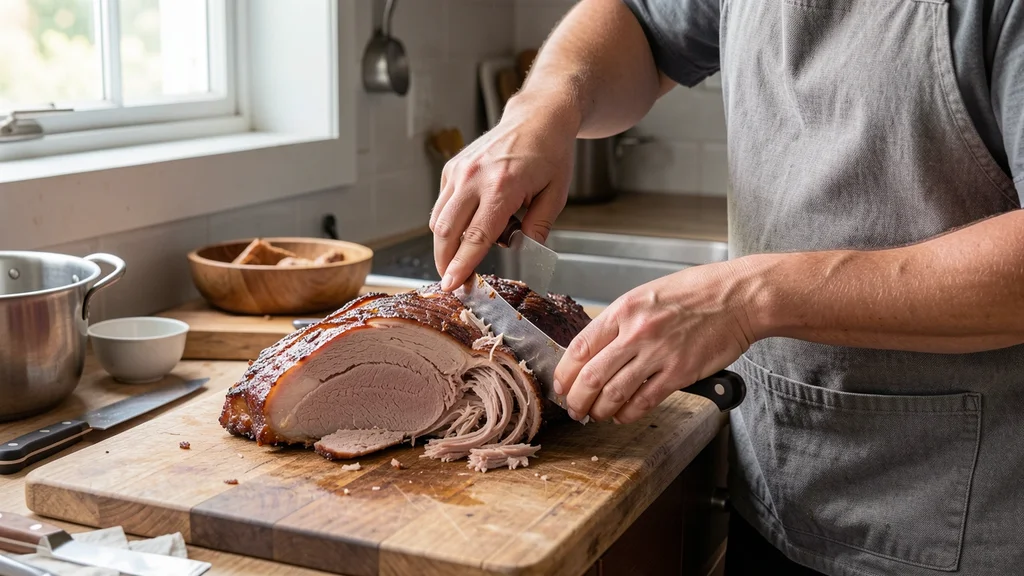
Resting is the final, crucial step in any pulled pork internal temperature guide. Pulling the meat off the smoker and shredding it immediately causes disaster. The juices inside the muscle fibers are highly pressurized from the heat.
Cutting or pulling too soon forces those juices to spill out onto the cutting board instead of staying in the meat.
A proper rest allows the temperature to equalize throughout the entire roast. The muscle fibers relax, reabsorbing the rendered fat and gelatin. This process locks in moisture and guarantees every bite tastes rich and succulent rather than dry and chalky.
You should rest a whole pork shoulder for a minimum of one hour. However, two to four hours yields vastly superior results. Professional barbecue restaurants routinely hold their smoked meats for extended periods to maximize tenderness before serving customers.
- Remove the pork shoulder from the smoker once it reaches 203°F.
- Keep the meat wrapped in its foil or butcher paper during the rest.
- Wrap the entire package in old, clean bath towels for insulation.
- Place the wrapped bundle inside an empty, dry cooler.
- Close the cooler lid tightly to trap the residual heat.
- Let the meat sit undisturbed for at least two hours before shredding.
This cooler method, often called a faux Cambro, keeps the meat safely above 140°F for hours. The USDA confirms that holding cooked meat above 140°F prevents bacterial growth while allowing the connective tissues to continue softening gently. A detailed pulled pork internal temperature guide always includes this resting technique because skipping it wastes hours of careful smoking.
According to a survey by the Barbecue Brethren forum community, over 85% of experienced home smokers report a noticeable improvement in juiciness when extending their rest time from one hour to three hours. Patience at the end pays off just as much as patience during the cook.
What Are Common Mistakes a Pulled Pork Internal Temperature Guide Prevents
Even with a solid pulled pork internal temperature guide, beginners make predictable errors. These mistakes usually stem from impatience or relying on visual cues instead of thermometer data. Knowing what goes wrong helps you avoid wasting expensive cuts of meat and hours of tending a fire.
Pulling the meat too early is the most frequent error. Cooks see the thermometer hit 180°F and assume the job is done. At 180°F, the collagen has only partially melted.
The meat shreds into tough, chewy chunks rather than falling apart effortlessly. You must push past 195°F for true pulled pork texture.
Cooking at excessively high temperatures is another major issue. Cranking the smoker to 300°F or higher to save time roasts the outside while leaving the inside under-rendered. Low and slow remains the golden rule.
Keeping the pit between 225°F and 250°F gives the heat time to penetrate deeply without burning the exterior.
- Trusting cooking times instead of internal temperatures to determine doneness.
- Opening the smoker lid constantly to check the meat, which dumps heat and extends the stall.
- Using thin, boneless pork loins instead of fatty, bone-in pork shoulders.
- Forgetting to calibrate the meat thermometer before starting a long cook.
- Slicing the meat like a roast instead of pulling it apart along the grain.
- Skiping the resting phase entirely and shredding the pork straight off the grill.
- Applying sugary sauces too early, causing them to burn and turn bitter.
A comprehensive pulled pork internal temperature guide eliminates guesswork. Time estimates vary wildly based on wind, humidity, meat thickness, and smoker efficiency. Temperature never lies.
When the probe slides into the center of the roast feeling like it is pushing into warm butter, the meat is truly finished.
| Common Mistake | Result | Correction |
|---|---|---|
| Pulling at 180°F | Tough, chewy meat | Wait until 203°F |
| Smoking at 300°F+ | Burnt outside, raw inside | Lower to 225°F |
| No resting period | Dry, juiceless pork | Rest 2-4 hours |
This table highlights how small adjustments create massive improvements. Correcting these habits elevates your backyard barbecue from average to exceptional.
How Does Equipment Affect Your Pulled Pork Internal Temperature Guide
The equipment you choose heavily influences how you apply a pulled pork internal temperature guide. Different smokers manage heat and airflow in unique ways. An offset stick burner requires constant attention, while a pellet grill maintains steady temperatures automatically.
Knowing your gear helps you hit target numbers consistently.
Pellet grills from brands like Traeger, Pit Boss, and Camp Chef use digital controllers to feed wood pellets into a fire pot. These units excel at maintaining the 225°F to 250°F range required for perfect pulled pork. You simply set the dial and monitor the meat probe, making them ideal for beginners following a pulled pork internal temperature guide for the first time.
Ceramic kamado grills, such as the Big Green Egg or Kamado Joe, retain heat and moisture exceptionally well. Their thick walls create a stable environment that minimizes temperature swings. However, dialing in the exact vent settings takes practice.
Once stabilized, kamados produce incredibly juicy results due to their sealed moisture environment.
- Offset smokers require manual fire management but deliver the most authentic smoke flavor.
- Electric smokers offer precise temperature control but produce lighter smoke rings.
- Propane gas grills work for indirect cooking setups if dedicated smokers are unavailable.
- Kettle charcoal grills can handle smaller pork shoulders using the snake method for fuel arrangement.
- Wireless Bluetooth thermometers pair perfectly with any setup to track progress remotely.
- Dual-probe systems let you watch both the smoker air and the meat simultaneously.
No matter which cooker you own, the destination temperature remains identical. The USDA food safety standards apply equally across all cooking methods. Your equipment simply dictates how much effort you spend managing the journey toward that 203°F finish line.
Investing in good temperature monitoring tools bridges the gap between cheap equipment and professional results.
A study by the Hearth, Patio & Barbecue Association notes that pellet grill ownership has surged dramatically in recent years, largely because built-in technology removes the intimidation factor from traditional low-and-slow smoking. Automation lets cooks focus entirely on the numbers provided by their pulled pork internal temperature guide.
Frequently Asked Questions
Can I pull pork at 180 degrees?
Pulling pork at 180°F is not recommended if you want tender results. At this temperature, the tough collagen has not fully converted into gelatin yet. The meat will be safe to eat but extremely difficult to shred, resulting in a chewy texture.
Wait until the meat reaches at least 195°F for proper pulling.
Does bone-in pork cook faster than boneless?
Bone-in pork actually cooks slightly slower than boneless cuts because the bone absorbs heat before transferring it to the surrounding meat. However, the bone adds significant flavor and helps the roast maintain its structural integrity during long smoking sessions. Most pitmasters prefer bone-in shoulders for the best overall eating experience.
How long does it take to reach the target temperature?
At a smoker temperature of 225°F, plan for roughly 1.5 to 2 hours per pound of meat. An 8-pound pork shoulder typically takes between 12 and 16 hours to reach 203°F. Variables like weather, meat thickness, and the stall duration can extend this timeline significantly, so always cook to temperature rather than time.
What happens if my pork goes past 205 degrees?
If the internal temperature exceeds 205°F, the muscle fibers begin to squeeze out all their remaining moisture. The meat transitions from tender and juicy to dry and mushy. It may fall apart too easily, losing the pleasant bite you want in barbecue.
Remove the pork from the heat as soon as it probes tender near 203°F.
Do I need to spray the meat with liquid while smoking?
Spritzing the meat with apple cider vinegar or apple juice every hour helps keep the surface moist and slows down bark formation slightly. This prevents the exterior from burning before the interior reaches the correct temperature. Spritzing is optional but highly beneficial for long cooks lasting over ten hours.
Final Thoughts
Following a reliable pulled pork internal temperature guide guarantees tender, juicy barbecue every single time. Remember to aim for the 195°F to 205°F window, push through the stall patiently, and always rest the meat before shredding. Master these core principles and your smoked pork shoulder will consistently impress family and friends.