Pork Shoulder Internal Temperature Guide knowledge is the single most important skill for cooking tender, juicy pulled pork. Getting the heat right transforms a tough cut of meat into a melt-in-your-mouth masterpiece that your guests will never forget. This Pork Shoulder Internal Temperature Guide covers exact target temperatures, resting methods, and common pitfalls to avoid during your next cook.
You will learn exactly when to pull the meat off the smoker or grill for the best possible texture. Whether you use a pellet grill, offset smoker, or standard oven, temperature control dictates your final result. Follow this Pork Shoulder Internal Temperature Guide closely to guarantee perfect results every single time you fire up the pit.
Simply put, the ideal internal temperature for pulled pork shoulder is 195°F to 205°F. At this range, collagen breaks down into gelatin, making the meat tender enough to pull apart easily. For sliced pork shoulder, aim for 180°F to 185°F to maintain structural integrity while ensuring safe consumption.
What Is the Ideal Pork Shoulder Internal Temperature Guide Target
The target number in any Pork Shoulder Internal Temperature Guide depends entirely on how you plan to serve the finished meat. Pulled pork requires a much higher finishing temperature than sliced barbecue because the connective tissues need more time and heat to break down completely. The USDA recommends cooking all whole cuts of pork to a minimum safe temperature of 145°F followed by a three-minute rest period.
However, cooking a pork shoulder to only 145°F will leave you with incredibly tough, chewy meat that is nearly impossible to shred.
Pork shoulder contains high amounts of collagen, a tough protein found in heavily exercised muscles. According to the National Pork Board, cuts from the shoulder require low and slow cooking methods to transform that collagen into soft, rich gelatin. This chemical transformation does not begin until the meat reaches about 160°F, and it accelerates rapidly between 180°F and 205°F.
Your Pork Shoulder Internal Temperature Guide must account for this scientific reality to produce edible results.
- 145°F is the absolute minimum safe temperature for whole muscle pork cuts
- 160°F is where collagen breakdown begins but the meat remains very tough
- 180°F to 185°F produces firm meat perfect for slicing against the grain
- 195°F to 205°F creates the soft texture required for shredding pulled pork
- 205°F is generally considered the sweet spot for maximum tenderness
- 210°F risks drying out the meat fibers and turning them mushy
| Target Use | Internal Temp Range | Texture Result |
|---|---|---|
| Sliced Pork | 180°F – 185°F | Firm, holds shape well |
| Pulled Pork | 195°F – 205°F | Shreds easily, very tender |
| Chopped BBQ | 190°F – 195°F | Tender but slightly chunky |
This table shows why knowing your end goal matters before you even light the fire. Always match your target temperature to your serving style for the best eating experience.
How to Measure Meat Temp Accurately Every Time
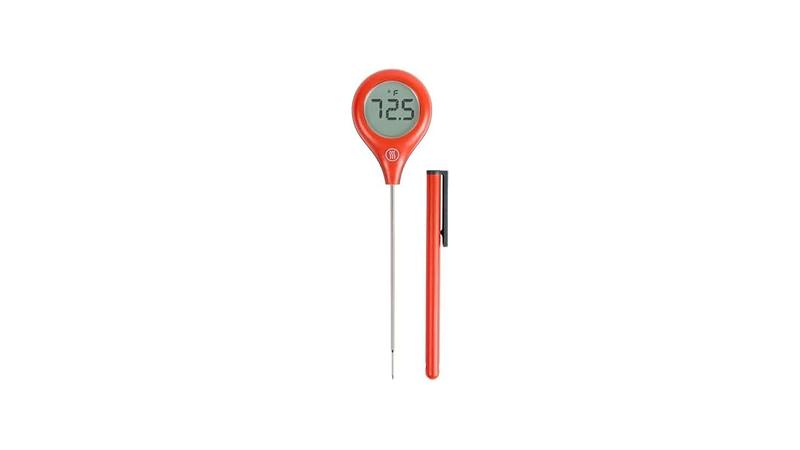
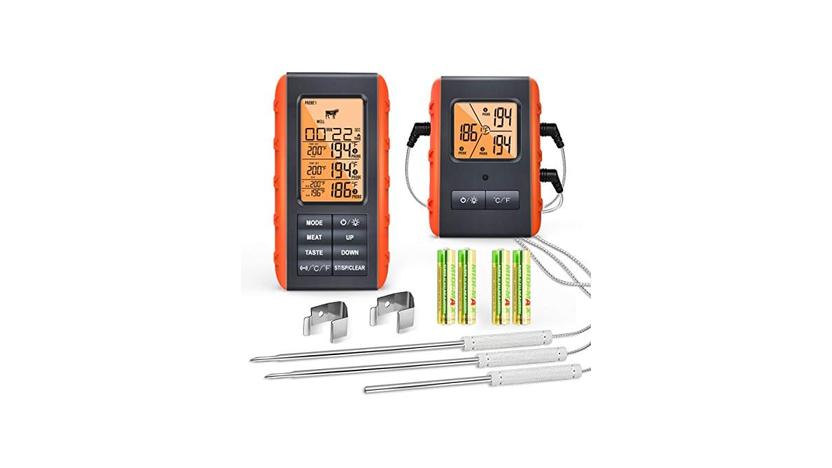
Following a Pork Shoulder Internal Temperature Guide means nothing if your thermometer gives you false readings. Inaccurate tools lead to undercooked or over-dried meat, ruining hours of careful smoking. You need a reliable instant-read thermometer or a quality leave-in probe to track the heat accurately throughout the entire cook.
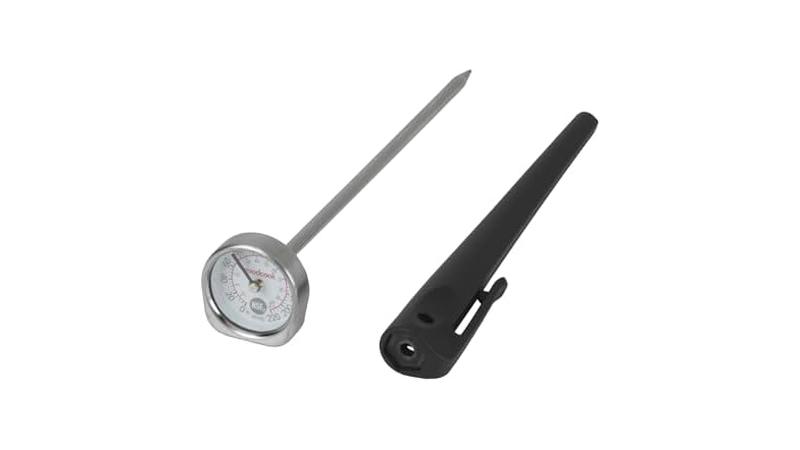
Cheap dial thermometers often drift out of calibration quickly and respond too slowly to give you useful data during critical moments.
The placement of your thermometer probe matters just as much as the tool itself. You must insert the probe into the thickest part of the meat, keeping it away from the bone and large pockets of fat. Bone conducts heat differently than muscle tissue, giving you a falsely high reading if the probe touches it.
Fat pockets also insulate the probe and fail to reflect the true temperature of the surrounding muscle fibers.
- Calibrate your thermometer using an ice bath before starting the cook
- Insert the probe into the geometric center of the thickest muscle section
- Angle the probe so the tip sits deep in the meat without hitting the bone
- Check multiple spots across the roast since thickness varies throughout the cut
- Wipe the probe clean between checks to prevent cross-contamination
- Record the highest reading you find to determine your true progress
Tip: Test your thermometer accuracy by placing the probe in a glass of ice water. It should read exactly 32°F within a few seconds. If it reads higher or lower, adjust the calibration nut or replace the batteries before trusting it with your expensive meat.
ThermoWorks, MEATER, and ThermoPro are popular brands trusted by competitive pitmasters for their speed and precision. Investing fifty dollars in a good thermometer saves hundreds of dollars in ruined roasts over time. Treat your thermometer as the most important tool in your barbecue arsenal.
Why the Stall Happens During Low and Slow Smoking
Every pitmaster who follows a Pork Shoulder Internal Temperature Guide eventually encounters the dreaded stall. The stall occurs when the internal temperature of the meat stops rising and plateaus, usually between 150°F and 170°F. This frustrating phase can last anywhere from two to six hours, causing beginners to panic and crank up the heat unnecessarily.
Knowing why it happens helps you stay calm and keep your cooking plan on track.
The stall is caused by evaporative cooling. As the meat heats up, moisture inside the muscle fibers migrates to the surface and evaporates into the air. This evaporation process cools the surface of the meat at the exact same rate the smoker heats it, creating a thermal equilibrium.
Think of it like sweating on a hot day; the moisture leaving your skin keeps your body temperature from rising further until the moisture runs out.
- The stall typically begins around 150°F to 160°F internal temperature
- Evaporative cooling counteracts the heat energy from your smoker
- High humidity inside the smoker can shorten the duration of the stall
- Larger cuts of meat experience longer stalls due to more surface moisture
- The stall ends naturally once enough surface moisture has evaporated
- Raising the smoker temperature drastically during the stall dries out the meat
A study published by Texas A&M University researchers confirmed that evaporative cooling is the primary mechanism behind the barbecue stall, debunking older theories about melting fat or collagen breakdown causing the plateau. Understanding this science prevents you from making costly mistakes when patience is required most.
Warning: Never increase your smoker temperature above 275°F just to push through the stall faster. Doing so will cause the exterior bark to burn and the interior muscle fibers to seize up and squeeze out their remaining moisture, resulting in dry, tough pork.
How to Beat the Stall Using the Texas Crutch Method
The Texas Crutch is a widely used technique referenced in almost every modern Pork Shoulder Internal Temperature Guide. It involves wrapping the meat tightly in aluminum foil or pink butcher paper once it hits the stall temperature. Wrapping traps the escaping moisture against the meat surface, effectively stopping evaporative cooling in its tracks.
Once wrapped, the internal temperature begins climbing steadily again, shaving hours off your total cook time.
You have two main wrapping options, and each produces slightly different results. Aluminum foil creates a completely sealed environment that powers through the stall incredibly fast. However, foil traps so much steam that it can soften your carefully built bark.
Pink butcher paper allows the meat to breathe slightly, preserving the crusty bark texture while still pushing through the temperature plateau efficiently.
| Wrapping Material | Stall Speed | Bark Quality | Moisture Retention |
|---|---|---|---|
| Aluminum Foil | Very Fast | Soft / Mushy | Maximum |
| Butcher Paper | Moderate | Crispy / Firm | High |
| No Wrap | Slowest | Thickest Bark | Lower |
Choose your wrapping material based on what you value most for your specific meal. Competition cooks often prefer butcher paper for bark preservation, while backyard cooks needing dinner ready by a specific time lean toward heavy-duty foil.
- Wait until the meat reaches 160°F and the bark looks dark and set
- Lay out two overlapping sheets of foil or butcher paper on a flat surface
- Place the pork shoulder fat side up in the center of the wrap
- Add a splash of apple juice or cider vinegar for extra moisture if using foil
- Fold the edges tightly to create a sealed packet with no gaps
- Return the wrapped meat to the smoker and monitor the temperature rise
What Does Resting Do for Your Finished Pork Shoulder
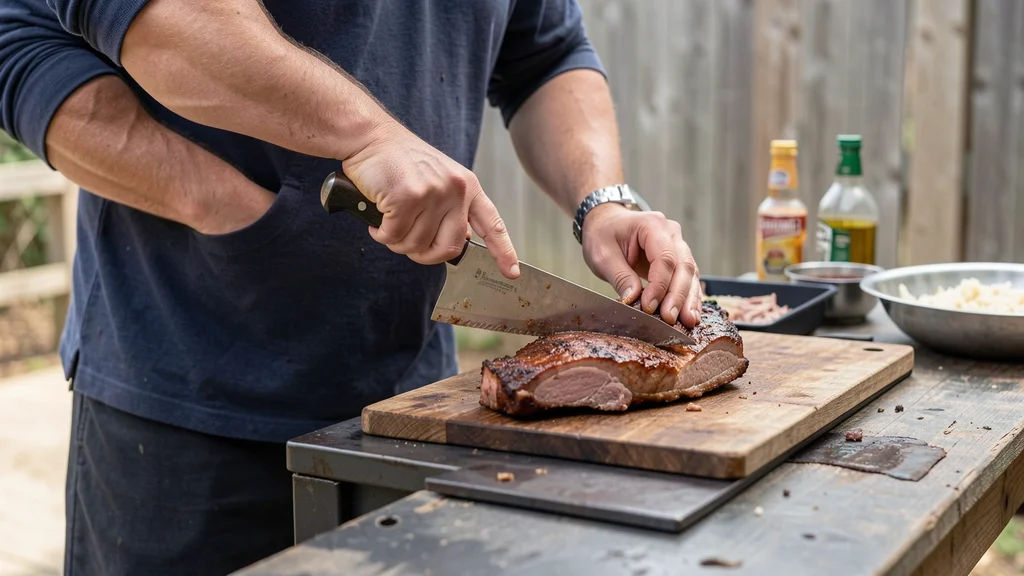
Hitting the target number in your Pork Shoulder Internal Temperature Guide is only half the battle. Resting the meat properly after pulling it off the heat determines how juicy the final product tastes. When meat cooks, the muscle fibers contract violently and push moisture toward the center of the roast.
Cutting into the pork immediately causes all those trapped juices to flood out onto your cutting board instead of staying inside the meat.
Resting allows the muscle fibers to relax and reabsorb the displaced moisture evenly throughout the entire cut. The internal temperature will continue to rise slightly during the first phase of resting, known as carryover cooking. This residual heat finishes breaking down the last stubborn bits of collagen without exposing the meat to direct fire.
Skipping the rest phase guarantees dry, stringy pulled pork no matter how perfectly you managed the smoker.
- Rest the pork shoulder for a minimum of one hour before pulling
- Keep the meat wrapped in foil or paper during the entire rest period
- Place the wrapped roast inside an empty cooler lined with old towels
- The cooler acts as an insulated holding chamber to slow the cooling process
- Large eight-pound shoulders benefit from two to four hours of resting time
- Carryover cooking typically raises the internal temp by five to ten degrees
- Juices redistribute evenly back into the muscle fibers during the rest
Important: Food safety guidelines state that cooked meat must remain above 140°F during the resting phase. An insulated cooler keeps a properly wrapped pork shoulder safely above this danger zone threshold for up to four hours without any external heat source applied.
Competitive barbecue teams routinely rest their pork shoulders for several hours before turn-in time. This extended hold improves texture dramatically and ensures every bite delivers maximum flavor and moisture. Patience during the rest phase separates amateur cooks from seasoned professionals.
Common Mistakes That Ruin Pork Shoulder Texture
Even with a reliable Pork Shoulder Internal Temperature Guide, simple errors can destroy your hard work. Cooking barbecue involves managing many variables simultaneously, and losing focus on any single one leads to poor results. Beginners frequently rush the process or trust visual cues over actual temperature data.
Avoiding these specific mistakes will instantly elevate the quality of your smoked meats.
One major error is relying solely on cooking time rather than internal temperature. Every piece of meat behaves differently based on its size, fat content, and starting temperature. A recipe stating “cook for twelve hours” is merely an estimate, not a guarantee of doneness.
Your thermometer must always make the final call, regardless of what the clock says.
- Trusting time estimates instead of verifying internal temperature with a probe
- Opening the smoker lid constantly, which dumps heat and extends cook time
- Pulling the meat off the heat too early before collagen fully renders down
- Skipping the resting phase and shredding the pork while it is still scorching hot
- Using lighter fluid or dirty burning wood that imparts bitter flavors to the bark
- Trimming away too much surface fat, which protects the meat from drying out
Another frequent issue involves poor fire management. Dirty smoke containing thick white billows deposits creosote on the meat surface, creating a bitter, acrid taste. You want thin, barely visible blue smoke flowing from your exhaust vent.
Clean combustion requires proper airflow, so never choke your vents completely closed trying to stabilize wild temperature swings.
| Mistake | Negative Result | Correct Action |
|---|---|---|
| Cooking by time alone | Undercooked or dried out meat | Use a calibrated meat thermometer |
| Peeking too often | Massive heat loss and stalled cook | Trust your leave-in probe monitors |
| No rest period | Juices run out onto the board | Hold in a cooler for one hour minimum |
| Dirty white smoke | Bitter, acrid tasting bark | Maintain clean airflow for blue smoke |
Reviewing this table before every cook helps keep your process tight and consistent. Eliminating bad habits is just as important as learning new techniques when improving your barbecue skills.
How Smoker Type Changes Your Temperature Strategy
Your equipment plays a massive role in how you apply any Pork Shoulder Internal Temperature Guide. Different smokers manage heat and airflow in unique ways, directly affecting how the meat cooks. Pellet grills offer precise digital temperature control, making them incredibly forgiving for beginners.
Offset stick burners require constant manual attention but reward experienced users with superior smoke flavor and better bark development.
Electric smokers maintain steady low temperatures effortlessly but struggle to produce a thick, crunchy bark due to their highly humid cooking environments. Kamado-style ceramic cookers retain heat exceptionally well, meaning they recover quickly after opening the lid but can easily overshoot your target temperature if you are not careful with the vents. Matching your technique to your specific hardware prevents unnecessary frustration.
- Pellet grills provide set-and-forget convenience with consistent ambient heat
- Offset smokers deliver authentic wood flavor but demand active fire management
- Electric units are easy to use but produce softer bark due to high humidity
- Ceramic kamados hold heat efficiently but require careful vent adjustments
- Kettle grills work great for smaller shoulders using the indirect snake method
- Gravity-fed charcoal systems combine wood flavor with automated temperature control
Tip: Place a water pan inside your smoker regardless of the type you own. The water acts as a thermal mass to stabilize temperature swings and adds ambient humidity, which slows moisture loss from the surface of the pork shoulder during the long cook.
Ambient weather conditions also force you to adapt your strategy. Cooking in freezing winter temperatures drains heat from metal smokers rapidly, requiring more fuel and wider open vents. Summer heat can cause thin-gauge smokers to overshoot your target cooking temperature easily.
Always factor in the outside environment when planning your fire and estimating total cook times.
Frequently Asked Questions
Can I pull pork shoulder off the smoker at 180 degrees?
You can safely eat pork shoulder cooked to 180°F, but it will be very difficult to shred for pulled pork. At this temperature, the collagen has not fully rendered into gelatin yet. Wait until the meat reaches at least 195°F if you want that classic, tender pulled texture that falls apart easily.
Does bone-in pork shoulder cook faster than boneless?
Bone-in pork shoulders actually take slightly longer to cook than boneless cuts of the same weight. The bone acts as an insulator, slowing heat transfer to the center of the meat. However, many pitmasters prefer bone-in cuts because the bone contributes to richer flavor and helps the roast maintain its shape during long smokes.
What happens if my pork shoulder goes past 210 degrees?
Pushing the internal temperature beyond 210°F causes the muscle fibers to lose their structural integrity completely. The meat turns mushy and overly soft rather than pleasantly tender. You also risk squeezing out too much internal moisture, leaving the finished pulled pork dry despite being submerged in rendered fat.
Should I inject my pork shoulder before smoking it?
Injecting is optional but highly recommended for larger cuts over eight pounds. An injection solution made of apple juice, broth, and spices delivers flavor and moisture deep into the center of the meat where rubs cannot reach. This practice provides a safety net against drying out during extended cooking sessions.
How long does it take to smoke a pork shoulder per pound?
A general rule of thumb is 1.5 to 2 hours per pound when smoking at 225°F to 250°F. However, you should never rely solely on time estimates to determine doneness. Always use a reliable meat thermometer to verify the internal temperature has reached your target range before removing the roast from the heat.
Final Thoughts
Following a reliable Pork Shoulder Internal Temperature Guide removes the guesswork from smoking barbecue. Target 195°F to 205°F for pulled pork, manage the stall patiently, and always rest the meat before shredding. Master these core principles, and your next cookout will deliver consistently incredible results.