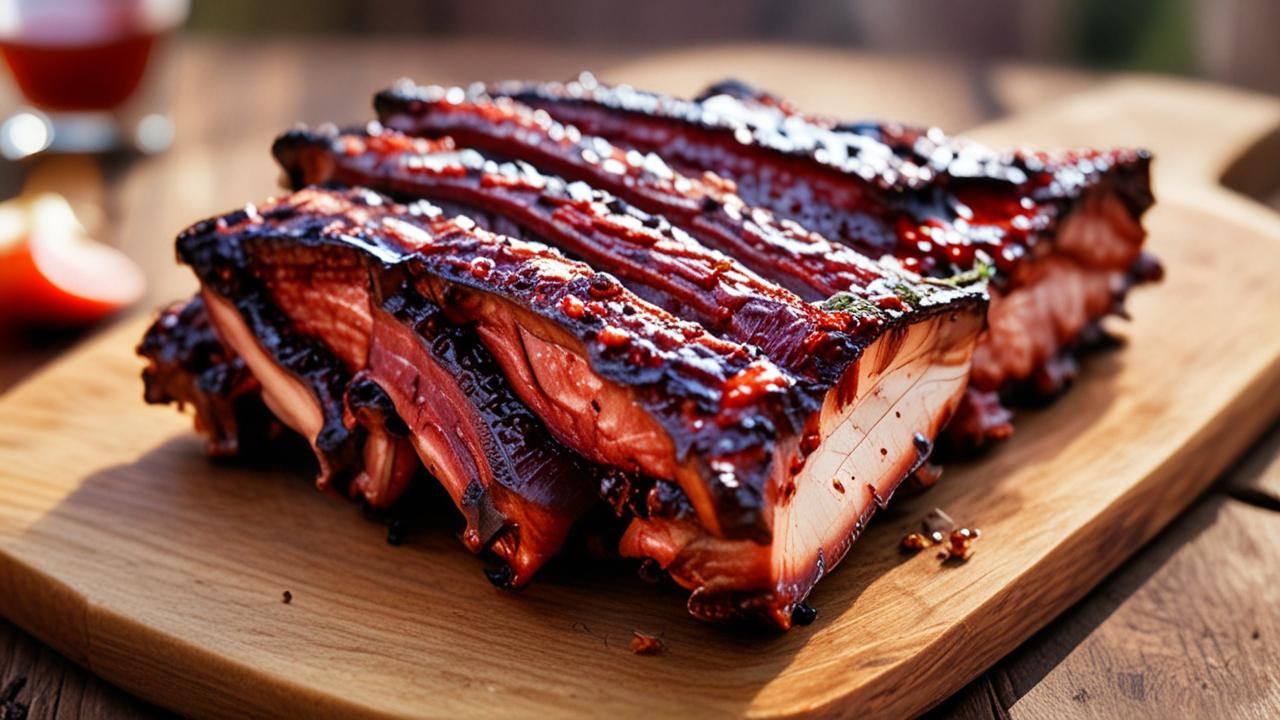
Learning How to Use Meat Thermometer for Ribs might seem tricky at first, especially if you’re new to grilling or smoking. You worry about getting them just right – not too dry, not too tough. But don’t worry!
It’s actually pretty simple once you know the right steps. We’ll walk you through it easily. After this, you’ll be cooking perfect ribs every time.
Let’s get started on making your ribs incredibly delicious!
Getting Started with Ribs and Thermometers
Using a meat thermometer is super important for cooking ribs perfectly. It’s your best friend to make sure they are cooked through but still juicy. Many people think ribs are hard to cook because they can easily get dry or undercooked.
A thermometer takes the guesswork out of it. It helps you hit that ideal temperature every time, so your ribs are tender and full of flavor. We will cover everything you need to know to feel confident.
Why a Thermometer Matters for Ribs
Ribs are a special cut of meat. They have a lot of connective tissue and fat. These need time and the right temperature to break down.
This is what makes ribs tender and delicious. If you don’t cook them long enough or hot enough, they will be tough and chewy. If you cook them too long or too hot, they can dry out quickly, losing all that good moisture.
A meat thermometer tells you the exact internal temperature of the meat. This is the most reliable way to know when ribs are done. Relying on cooking time alone can be risky.
Many things can affect cooking time, like the thickness of the ribs, the temperature of your grill or smoker, and even the weather.
Using a thermometer means you’re cooking to temperature, not just time. This is key for consistency. You’ll get the same great results every time you cook ribs.
It’s like having a secret tool for perfect barbecue.
Types of Meat Thermometers
There are a few common types of meat thermometers. Each one is good for different things, but they all help you get accurate readings. For ribs, an instant-read thermometer is usually the best choice.
It gives you a quick temperature reading.
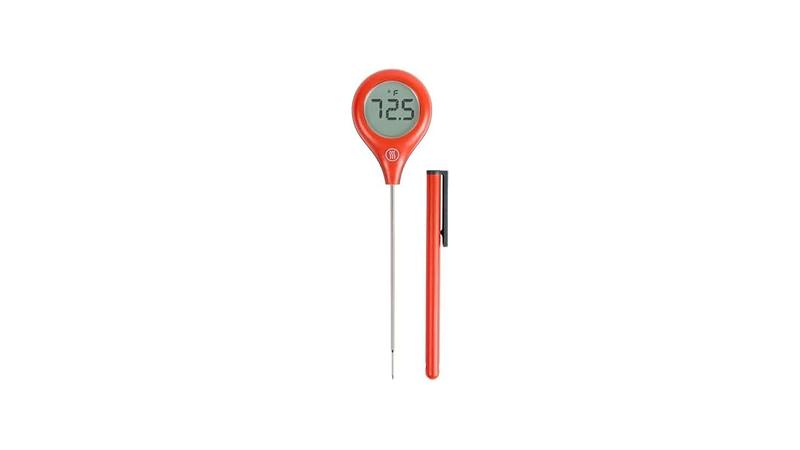
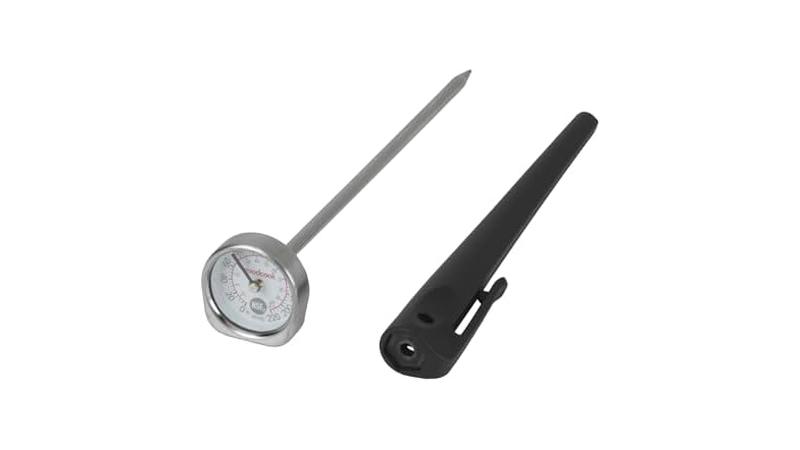
- Instant-Read Thermometers: These are digital or dial thermometers. You stick the probe into the thickest part of the meat. They give you a reading in just a few seconds. They are very handy for checking ribs at different stages of cooking.
These thermometers are great because they are fast. You don’t have to leave them in the ribs for a long time. This means you don’t lose as much heat from your smoker or grill when you open it to check.
They are also usually quite affordable.
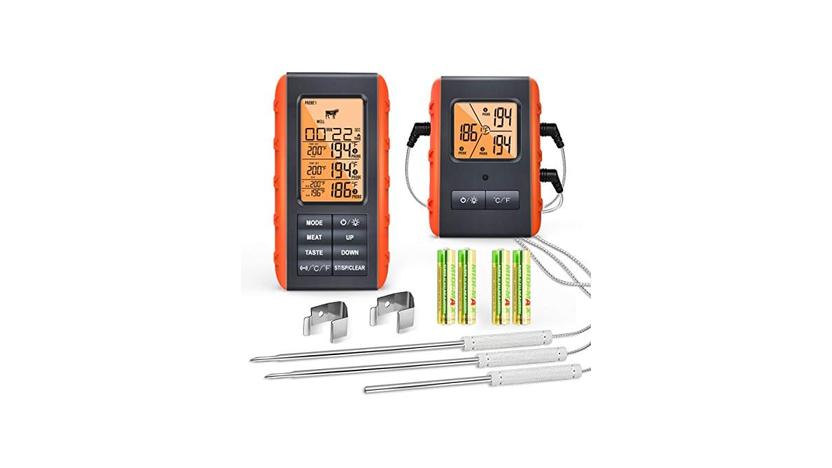
- Leave-In Thermometers: These have a probe that stays in the meat during the entire cooking process. A wire connects the probe to a display unit that sits outside the grill or smoker. This is useful for longer cooks where you don’t want to constantly open the lid.
While leave-in thermometers are good for monitoring a long, slow cook, you still need to check the temperature in a few different spots. Sometimes, ribs can cook unevenly. Instant-read thermometers are often preferred for their versatility and speed when cooking ribs.
Where to Insert the Thermometer
Knowing where to put the thermometer probe is crucial for an accurate reading. You want to find the thickest part of the meat. Make sure you are not touching any bones.
Bones can be hotter than the surrounding meat, giving you a false reading. This would mean your ribs might not be cooked enough.
For ribs, the best place to check is often between the bones, in the thickest section of the meat. You can usually find this in the middle of the rack. Gently insert the probe about halfway into the meat.
If you’re using an instant-read thermometer, you can check several spots to ensure even cooking.
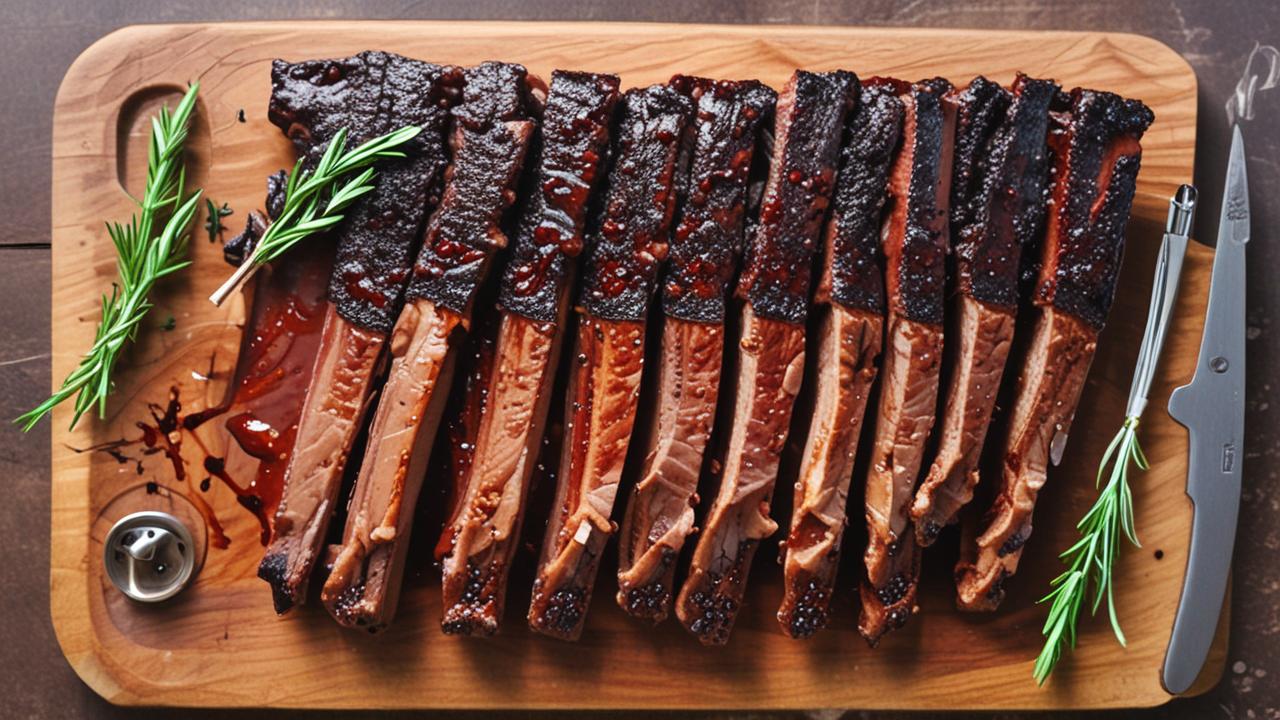
Understanding Rib Doneness with a Thermometer
When we talk about ribs being “done,” we mean they are cooked to a temperature where the meat is tender and pulls away from the bone easily. This happens because the connective tissues, like collagen, have broken down into gelatin. This process makes the meat moist and soft.
The right temperature ensures this breakdown has happened fully.
Different types of ribs might have slightly different target temperatures. Pork ribs are the most common for barbecuing. Beef ribs also benefit from temperature monitoring.
Aiming for the correct internal temperature is the secret to achieving that perfect, fall-off-the-bone texture that everyone loves.
Target Temperatures for Pork Ribs
For pork ribs, the magic temperature range is generally between 195°F (90.5°C) and 205°F (96°C). This is the point where the meat is tender and moist. You’ll notice the ribs start to ‘bend’ more easily when you try to lift them.
The meat will also pull back from the bones.
- 195°F (90.5°C): At this temperature, the ribs will be tender and starting to get juicy. They will be good to eat.
- 200°F (93.3°C): This is often considered the sweet spot for many pitmasters. The ribs are very tender, moist, and have a great texture.
- 205°F (96°C): Ribs at this temperature are typically fall-off-the-bone tender. Some people prefer them this way.
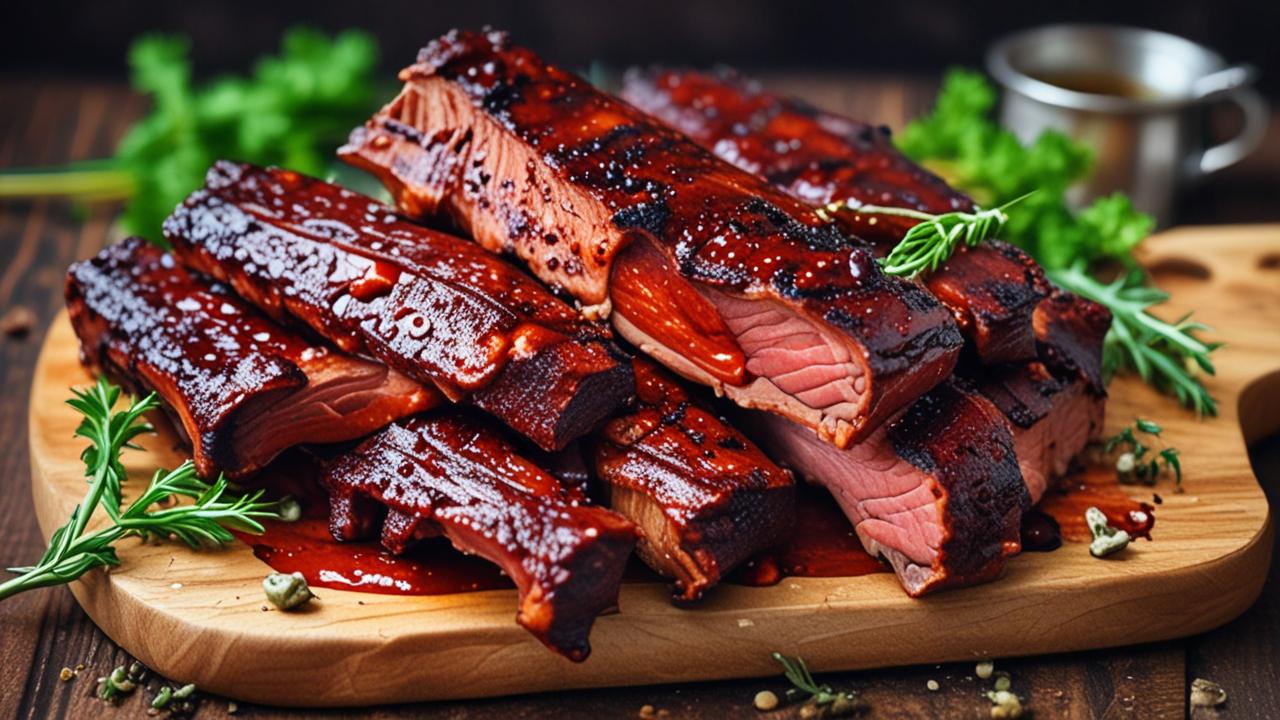
It’s important to remember that temperature is a guide. You should also use touch and appearance to judge doneness. Ribs that are done will have a nice color, often a deep reddish-brown or mahogany.
They should feel tender when you poke them with a fork.
Target Temperatures for Beef Ribs
Beef ribs, like short ribs or plate ribs, often require a slightly higher temperature to become tender. This is because beef has tougher connective tissues than pork. For beef ribs, you’re usually looking for an internal temperature between 200°F (93.3°C) and 205°F (96°C).
Some people even go as high as 205-208°F (96-97.8°C) for beef ribs to ensure maximum tenderness. The longer cooking time needed for beef ribs also means the fat and collagen have more time to render and melt, making the meat incredibly juicy and rich.
- 200°F (93.3°C): Beef ribs at this temperature will be tender but might still have a slight chew.
- 203°F (95°C): This is a common target for very tender beef ribs.
- 205°F (96°C) and above: At these temperatures, beef ribs should be falling off the bone and incredibly succulent.
Just like with pork ribs, use your thermometer as a guide. Feel the ribs with a fork or tongs. They should be very easy to pull apart.
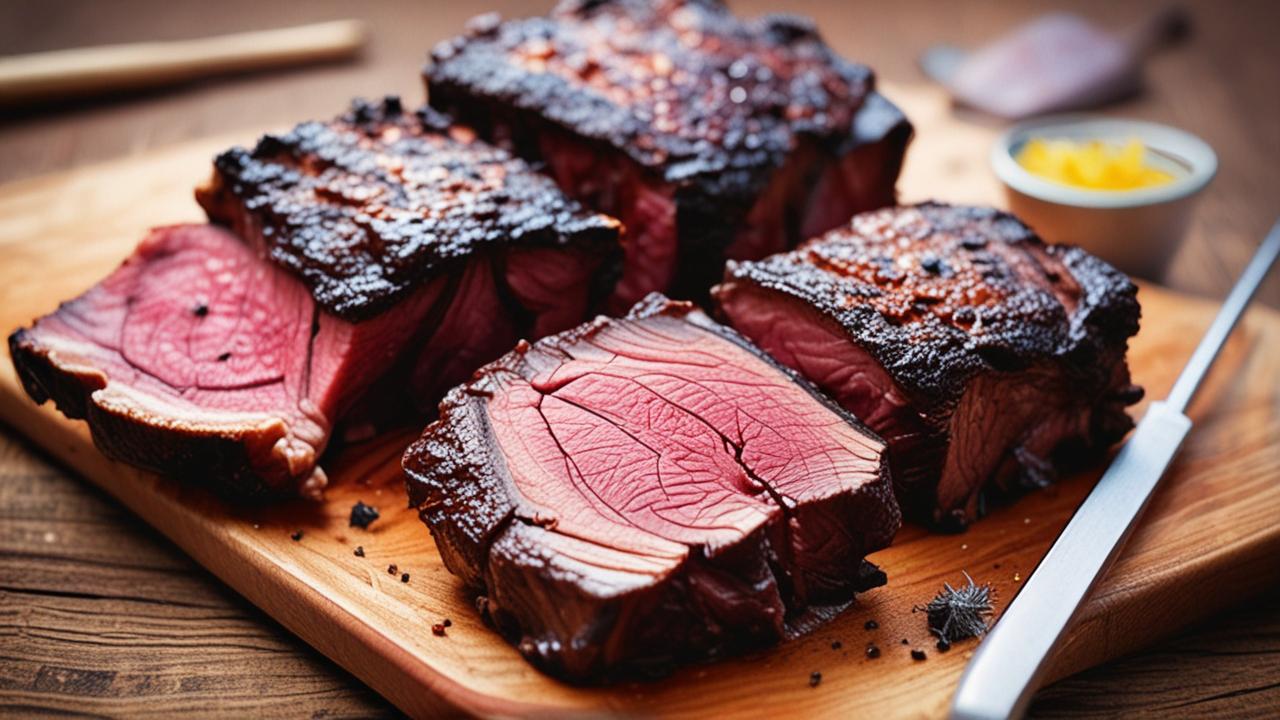
The meat should also have a rich, dark color.
Reading the Thermometer Correctly
When you get a reading, give it a moment for the number to stabilize, especially with digital thermometers. If you’re using an instant-read thermometer, it’s good practice to check the temperature in a few different spots on the rack. This helps you see if the ribs are cooking evenly.
Sometimes one end of the rack might cook faster than the other.
Make sure the probe is inserted deep enough into the thickest part of the meat. Avoid hitting bone. If the reading seems low, give the ribs a bit more time.
It’s always better to cook them a little longer to reach the perfect temperature than to take them off too early and have tough ribs.
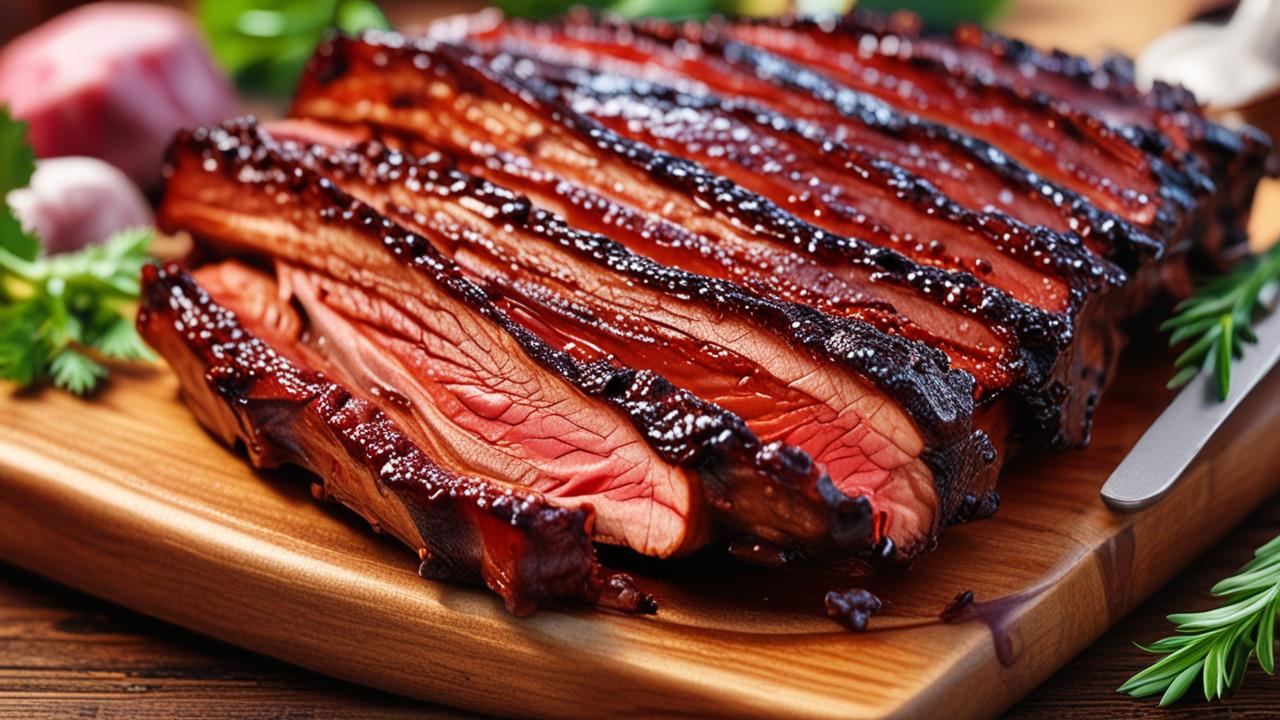
Step-by-Step Guide: How to Use Meat Thermometer for Ribs
Following these steps will help you use your meat thermometer precisely. It’s not complicated, and with a little practice, you’ll be a rib-cooking pro. We want to make sure you get those perfect, juicy ribs every single time you cook them.
Preparation Before Cooking
Before you even start cooking, make sure your thermometer is ready. If it’s a digital thermometer, check that the battery is good. If it’s an older dial thermometer, make sure it’s calibrated correctly.
You can do this by putting the probe in a glass of ice water. It should read 32°F (0°C). If it doesn’t, you can usually adjust it.
Also, have your rubs and sauces ready to go. Many recipes call for applying rubs before cooking and basting with sauce towards the end. Knowing your thermometer is working right gives you confidence throughout the cooking process.
This early preparation sets you up for success.
Checking Temperature During Cooking
As your ribs cook, you’ll want to check their temperature periodically. How often you check depends on the cooking method. For grilling or smoking, try to open the lid as little as possible to keep the heat consistent.
When you do check, be quick.
Gently lift the rack of ribs or pull them to the side of the grill. Insert your instant-read thermometer into the thickest part of the meat, avoiding bone. Take the reading and close the lid quickly.
If the temperature is still a bit low, you can let them cook a bit longer.
The Final Check for Doneness
When your ribs are getting close to the target temperature range (195°F-205°F for pork, 200°F-205°F for beef), you’ll want to check them more frequently. This is the critical stage where you don’t want to overcook them.
Insert the thermometer probe into several different spots on the rack. This ensures all parts are cooked evenly. Look for the meat to have a nice pull-back from the bones.
It should also feel tender when you gently probe it with the thermometer or a fork.
Here’s a quick sequence for the final check:
- Lift the ribs carefully.
- Insert the thermometer probe into the meat between the bones, in the thickest section.
- Hold it there until the reading is stable.
- If it’s below your target, close the lid and check again in 15-20 minutes.
- If it’s within the target range and the ribs feel tender, they are likely done.
- For extra assurance, check another spot.
Resting Your Ribs
Once your ribs hit the desired temperature and have that perfect tenderness, it’s time to rest them. This step is just as important as cooking. Resting allows the juices inside the meat to redistribute.
If you cut them right away, all those delicious juices will run out, leaving your ribs dry.
To rest your ribs, loosely tent them with foil. You can place them on a cutting board or back in a pan. Let them rest for at least 10-15 minutes.
For larger racks or beef ribs, 20-30 minutes is even better. This short waiting period makes a big difference in the final moisture and tenderness.
Common Mistakes and How to Avoid Them
Even with a thermometer, it’s easy to make a few common mistakes when cooking ribs. Knowing these pitfalls can help you avoid them. The goal is always tender, juicy ribs that impress everyone who eats them.
Let’s look at what to watch out for.
Ignoring the Feel and Look
While the thermometer is your main tool, it’s not the only one. Sometimes, a thermometer can give a reading, but the ribs might not feel quite right. They might still feel firm instead of tender.
Or, they might look a little pale instead of having that deep, appealing color.
Always combine the temperature reading with the physical feel of the meat. The meat should offer little resistance when you push a fork or the thermometer into it. It should also have a pleasing color, often a dark red or mahogany, indicating good smoke penetration and caramelization.
Checking Temperature Too Often
It can be tempting to check the ribs every few minutes, especially when you’re eager for them to be done. However, opening the grill or smoker lid too frequently lets out heat. This can actually slow down the cooking process and make your cook time much longer.
Try to resist the urge. Stick to checking at recommended intervals, especially during the final stages of cooking. If you’re smoking, keeping the lid closed is a key part of maintaining a stable temperature.
Patience is a virtue when it comes to great barbecue.
Not Accounting for Carryover Cooking
Meat continues to cook for a while after you remove it from the heat source. This is called carryover cooking. The internal temperature can rise by 5°F to 10°F (3°C to 5°C) during the resting period.
This is why it’s often recommended to pull ribs off the heat slightly before they reach your ultimate target temperature.
For example, if your target is 203°F (95°C), you might consider pulling them off when they reach 198°F (92°C). This ensures they don’t go past the ideal range while resting. Understanding this helps prevent overcooking.
Using the Wrong Spot for Measurement
We’ve said it before, but it’s worth repeating. Measuring the temperature in the wrong spot can lead to inaccurate results. If you insert the probe into a fatty area, it might read higher.
If you hit a bone, it will definitely read higher than the actual meat temperature.
Always aim for the thickest part of the meaty section. Slide the probe in gently. If you’re unsure, check a couple of different spots on the rack.
This practice ensures you are getting the true internal temperature of the meat and not an outlier.
Advanced Tips for Rib Thermometer Use
Once you’ve mastered the basics, there are always ways to refine your technique. Using a thermometer effectively can be even more beneficial with a few advanced strategies. These tips can help you achieve consistently outstanding results with your ribs.
Using a Probe Thermometer with Alerts
For serious rib enthusiasts, a wireless probe thermometer can be a game-changer. You insert the probe into the ribs, and a transmitter sends the temperature reading to a receiver or your smartphone. Many of these devices allow you to set custom temperature alerts.
This means you can be alerted when your ribs reach a certain temperature. You can even set up alerts for when they are getting close to your target, giving you time to prepare for the final check. This technology minimizes the need to open the grill and helps you stay on top of the cook without constant monitoring.
Understanding Temperature Zones in a Smoker
If you’re smoking ribs, your smoker might have hot spots and cooler spots. A thermometer can help you identify these zones. You can place the thermometer in different areas of the smoker without ribs to get an idea of the temperature consistency.
This knowledge helps you position your ribs for more even cooking. You might need to rotate the ribs halfway through the cook. Knowing your smoker’s hot spots is key to preventing one end from drying out while the other is still undercooked.
The thermometer becomes a tool for understanding your cooking environment.
Calibrating Your Thermometer Regularly
We touched on this briefly, but it’s worth emphasizing. Thermometers can lose their accuracy over time or due to rough handling. Regularly calibrating your thermometer ensures the readings you get are reliable.
This is especially important for instant-read models that you rely on for quick checks.
The ice bath method is a common way to check. If your thermometer isn’t accurate, consider getting a new one. Investing in a good quality, reliable thermometer is one of the best decisions you can make for barbecue success.
It’s a tool that pays for itself in perfectly cooked ribs.
Using Temperature for Different Rib Preparations
The methods for How to Use Meat Thermometer for Ribs can also adapt to different cooking styles. Whether you’re baking ribs in the oven, sous viding them, or using the 3-2-1 method on the smoker, temperature is your guide. Each method might have a slightly different ideal end temperature, but the principle remains the same: tender meat.
For example, if you’re oven-baking, you’ll still want to hit those internal temperatures for tenderness. Sous vide is a precise method where you can cook ribs to a specific temperature for a set time, ensuring they are perfectly tender before a final sear. The thermometer is a universal tool for delicious ribs.
Frequently Asked Questions
Question: What is the most important temperature to aim for when cooking pork ribs?
Answer: The most important temperature range for pork ribs is between 195°F and 205°F (90.5°C to 96°C). This is when the meat becomes tender and juicy.
Question: Can I use a fork instead of a thermometer to check if ribs are done?
Answer: While a fork can help check tenderness, a thermometer provides a precise internal temperature. Combining both methods gives you the best assurance of perfectly cooked ribs.
Question: How do I know if my meat thermometer is accurate?
Answer: You can check its accuracy by placing the probe in a glass of ice water. A calibrated thermometer should read 32°F (0°C).
Question: Should I always pull ribs off the heat when they hit the target temperature?
Answer: No, you should pull them a few degrees early (around 5°F to 10°F lower) because the temperature will continue to rise during the resting period (carryover cooking).
Question: How long should I rest my ribs after cooking?
Answer: It’s generally recommended to rest ribs for at least 10-15 minutes, or up to 20-30 minutes for larger racks, to allow the juices to redistribute.
Final Thoughts
Mastering How to Use Meat Thermometer for Ribs makes all the difference. It removes the guesswork and ensures tender, juicy results every time. Aim for the right internal temperatures for pork or beef.
Always check the thickest part, avoid bones, and remember carryover cooking. Rest your ribs well. You’ve got this!