It’s super important to know if your meat thermometer is telling you the real temperature. If it’s off, your food might not be cooked enough, or it could be overdone and dry. For many people just starting to cook, figuring out How to Check if Meat Thermometer Is Accurate can seem a little tricky.
Don’t worry, though! We’re going to make it simple with easy steps. Stick around, and we’ll show you exactly what to do and what to look for next.
Testing Your Meat Thermometer’s Accuracy
Making sure your meat thermometer is spot on is key for safe and delicious cooking. An inaccurate thermometer can lead to undercooked food, which is a health risk, or overcooked food, which is just disappointing. This section will guide you through the simple ways to confirm your thermometer is giving you the correct readings.
We’ll cover the most common methods that anyone can do at home with little fuss.
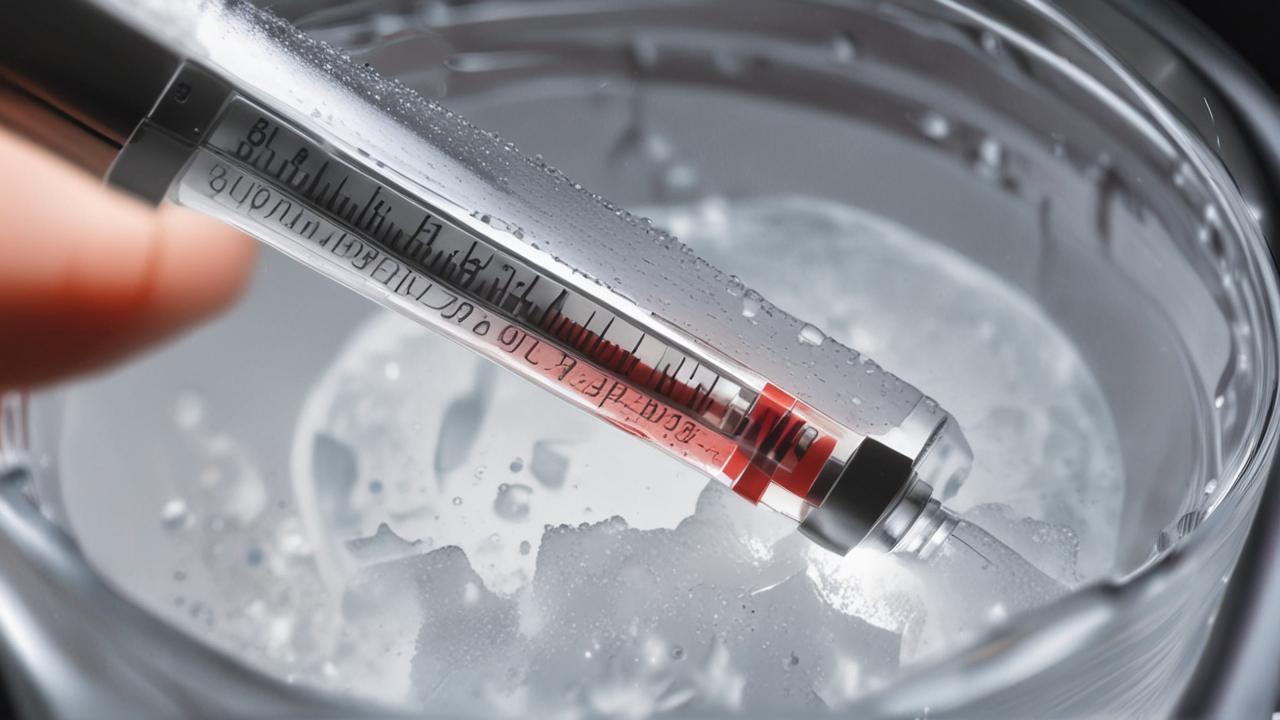
The Ice Water Bath Test
This is one of the easiest and most reliable ways to check your thermometer. It uses a known temperature that you can easily create at home. An ice bath will always be around the freezing point of water, giving you a consistent benchmark to compare your thermometer’s reading against.
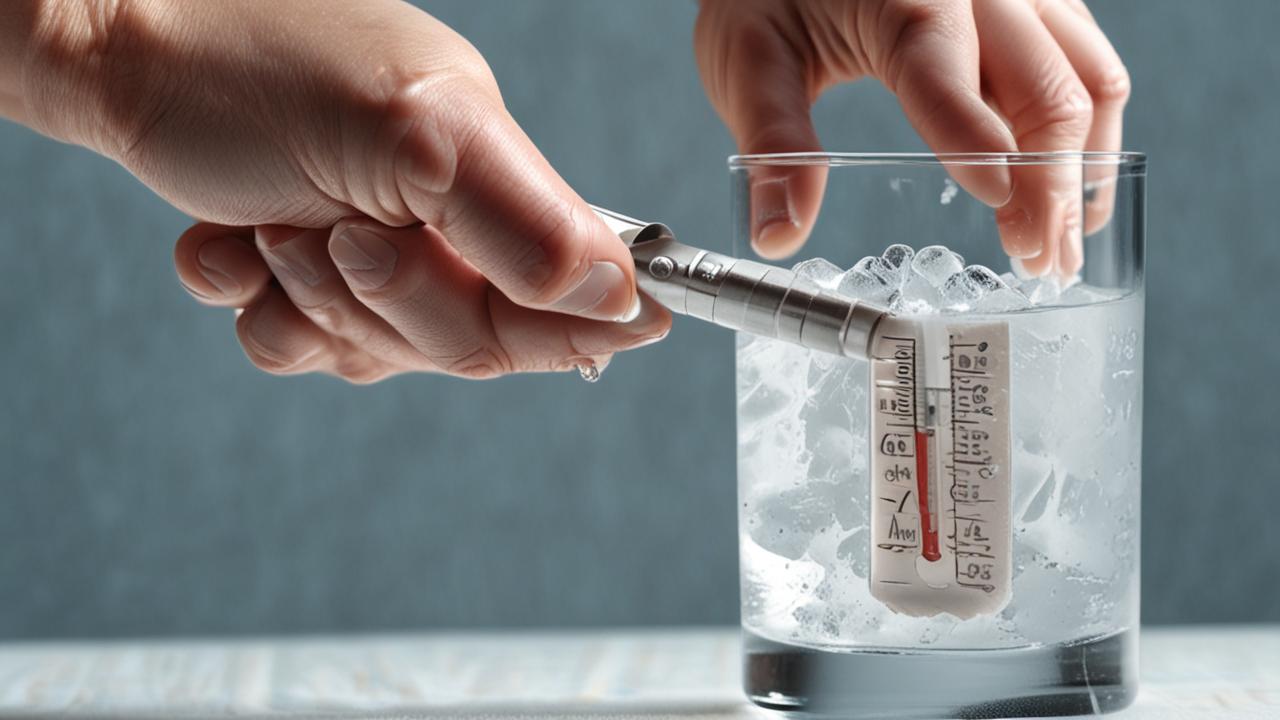
- Prepare your ice bath. Get a tall glass and fill it mostly with ice. Add enough cold water so that the ice is floating but there’s still plenty of it.
- Let it sit. Allow the ice and water mixture to sit for a few minutes. This ensures the water gets as cold as it can possibly get, creating a stable temperature.
- Insert the thermometer. Submerge the probe of your meat thermometer into the ice water. Make sure the tip is fully covered by the water and ice, but not touching the bottom or sides of the glass.
- Read the temperature. Wait for the thermometer’s reading to stabilize. It should show a temperature very close to 32°F (0°C).
If your thermometer reads 32°F or 0°C, it’s likely very accurate. A slight difference, maybe a degree or two, is usually acceptable for most home cooking. If it’s significantly off, it might be time to consider a replacement or recalibration.
The Boiling Water Test
Similar to the ice bath test, the boiling water test uses another scientifically stable temperature. Water boils at a predictable temperature, which can be influenced by altitude, but it provides a good reference point. This test is especially useful to see if your thermometer is accurate at higher temperatures.
Here’s how to do it:
- Boil some water. Fill a small pot with water and bring it to a rolling boil on your stovetop. A rolling boil means lots of bubbles are coming up from the bottom.
- Prepare for the test. Once the water is boiling vigorously, carefully remove the pot from the heat or reduce the heat slightly so the boiling is still strong but not so wild that it splashes everywhere.
- Insert the thermometer. Gently place the probe of your thermometer into the boiling water. Ensure the probe is fully submerged but not touching the bottom or sides of the pot.
- Read the temperature. Hold the thermometer steady until the reading stops changing. At sea level, boiling water should register 212°F (100°C).
If your thermometer reads close to 212°F (100°C), it’s working well. Higher altitudes will have lower boiling points, so if you live very high up, the expected reading will be a bit lower. You can look up the exact boiling point for your altitude if you want to be very precise.
If the reading is far from the expected temperature, even after accounting for altitude, your thermometer might need calibration or replacement.
Understanding Thermometer Types and Accuracy
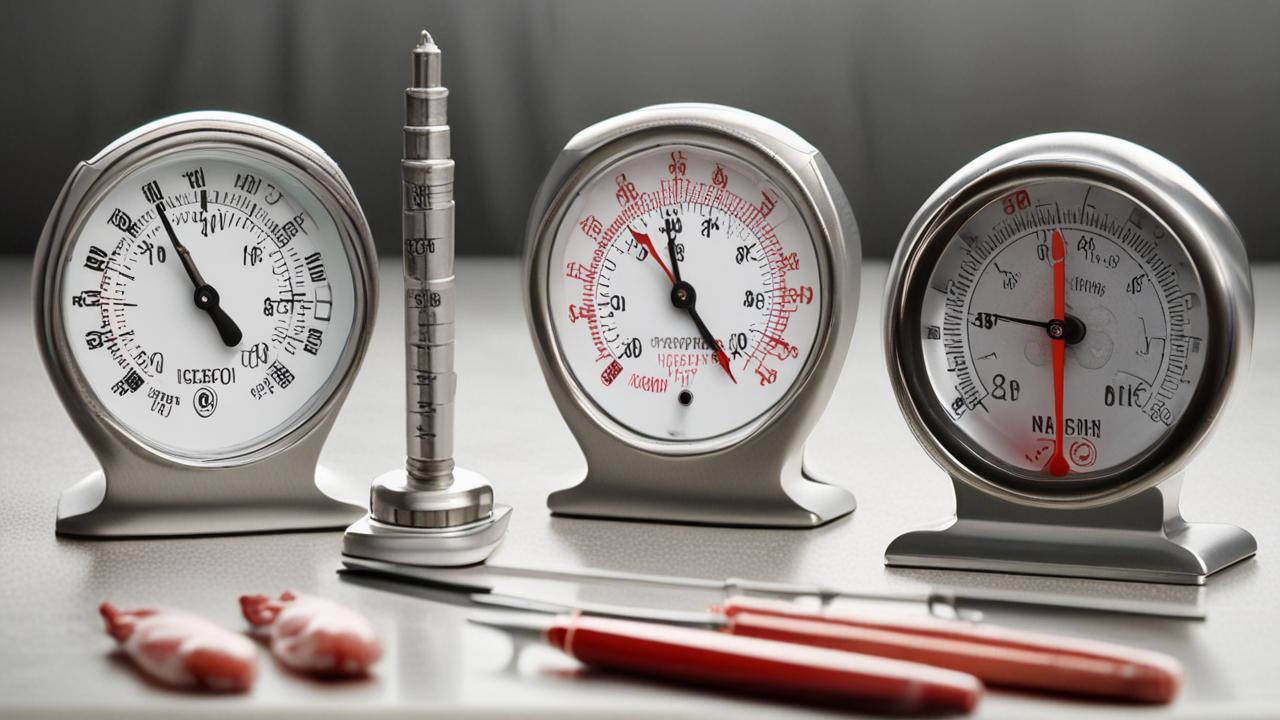
Not all meat thermometers are created equal. The type of thermometer you have can affect how accurate it is and how you test it. Knowing the differences helps you choose the right tool and test it properly.
We’ll look at the most common types you’ll find in kitchens.
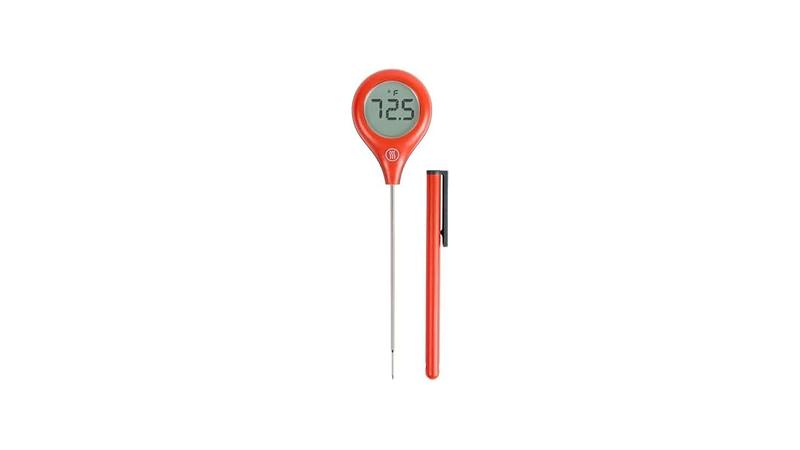
Digital Instant-Read Thermometers
These are very popular because they are fast and easy to use. They have a digital display that shows the temperature quickly. Most people find them convenient for checking different foods without much waiting.
Their quick response time makes them great for many cooking tasks.
- How they work: Digital thermometers use a thermistor or thermocouple to measure temperature. When the probe heats up or cools down, the electrical resistance in these components changes. A small circuit board reads this change and converts it into a digital number displayed on the screen.
- Accuracy: Generally, good quality digital thermometers are quite accurate, often within 1-2°F. They are sensitive to temperature changes.
- Testing them: The ice water and boiling water tests are perfect for these. Their fast response means you’ll see a reading change quickly in both tests.
- Calibration: Some digital models allow for calibration, meaning you can reset them to a known temperature if they read slightly off. Check your manual for this feature.
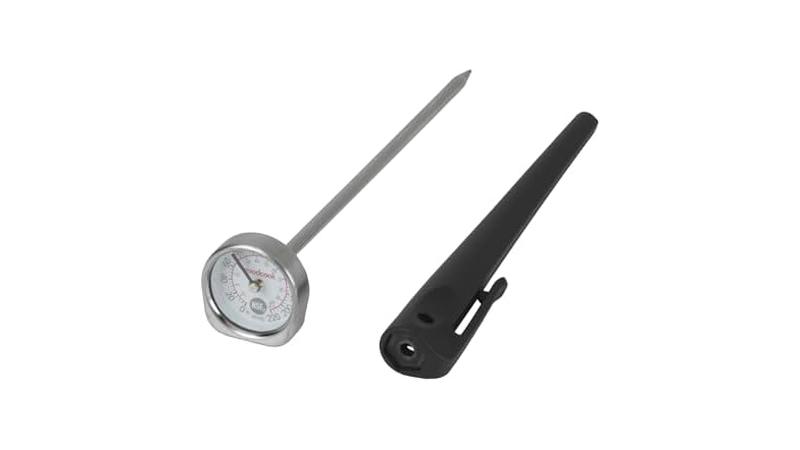
Dial (Analog) Thermometers
These are the classic meat thermometers with a round dial and a needle that points to the temperature. They are often simpler in design and can be quite durable. They might not be as fast as digital ones, but many home cooks still rely on them.
- How they work: Dial thermometers typically use a bimetallic strip. This strip is made of two different metals that expand at different rates when heated. As the temperature changes, the strip bends, and this bending is connected to a needle that moves across the dial.
- Accuracy: Their accuracy can vary. Cheaper models might drift over time or be less precise. Higher-end dial thermometers can be quite reliable.
- Testing them: The ice and boiling water tests work well here too. You’ll just need to wait a little longer for the needle to settle compared to a digital one.
- Calibration: Many dial thermometers have a small screw or nut on the back of the dial. You can often use this to adjust the needle to the correct temperature after performing a test like the ice bath.
Oven Thermometers
These are specifically designed to hang or sit inside your oven. They measure the actual temperature inside the oven cavity, which can sometimes differ from what the oven’s dial says. Having an accurate oven thermometer is crucial for baking and roasting.
- How they work: Similar to dial meat thermometers, oven thermometers usually use a bimetallic coil. This coil expands and contracts with temperature changes, causing a pointer to move along a marked dial.
- Accuracy: Oven temperatures can fluctuate. An accurate oven thermometer helps you understand your oven’s true heat. They are usually built to withstand high oven temperatures.
- Testing them: You can test an oven thermometer by placing it in boiling water or an ice bath, just like a dial meat thermometer. However, the most practical test is to place it in your oven and compare its reading to your oven’s set temperature over time.
- Placement: When using it, place it on the center rack where food is typically cooked for the most representative reading.
Factors Affecting Thermometer Accuracy
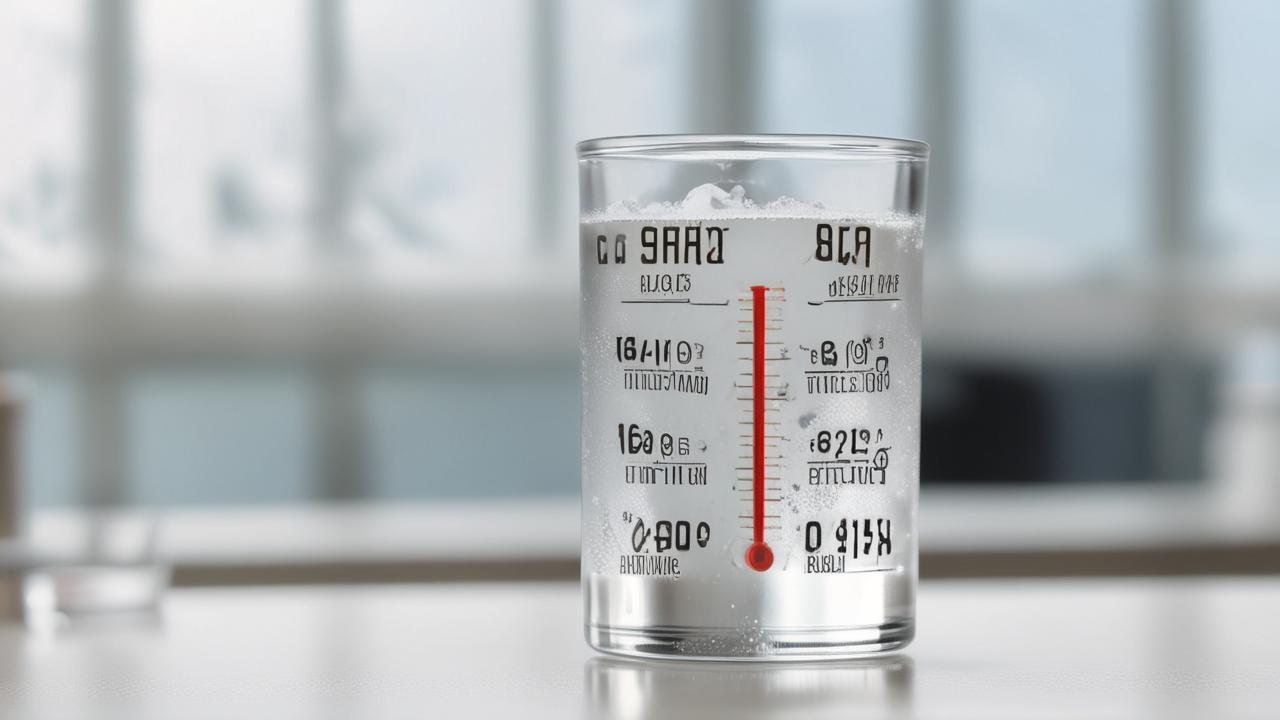
Even the best meat thermometer can give you a slightly off reading if certain conditions aren’t right. Understanding these factors can help you get the most accurate temperature every time you cook. It’s not just about the thermometer itself; how you use it matters a lot.
Ambient Temperature and Altitude
The air around your thermometer and the height you are at can subtly influence readings. For instance, when testing with boiling water, altitude plays a role because water boils at lower temperatures at higher elevations. This means a thermometer that is accurate at sea level might appear slightly off if tested in boiling water at a high altitude.
Example: At sea level, water boils at 212°F (100°C). However, in Denver, Colorado, which is about a mile high, water boils at roughly 202°F (94.4°C). If you test your thermometer in boiling water in Denver and expect 212°F, you’ll think it’s inaccurate when it’s actually reading the correct boiling point for that altitude.
- Altitude’s effect: The lower atmospheric pressure at higher altitudes allows water to boil at a lower temperature. This means the boiling point test needs to be adjusted for your location if you live significantly above sea level.
- Ambient temperature: While less impactful for digital and dial thermometers during cooking, the temperature of the air can slightly affect how quickly the probe registers a change. For ice and boiling water tests, it’s more about ensuring the water itself is at the correct temperature.
- Considerations for testing: When performing the boiling water test, if you live at a high altitude, research the specific boiling point of water for your elevation to get an accurate baseline.
Probe Condition and Usage
The physical state of your thermometer’s probe and how you use it are critical. A bent probe, residue on the tip, or improper insertion can all lead to incorrect temperature readings.
Scenario: Imagine you’re roasting a chicken. You insert the thermometer into the thickest part of the thigh, but you accidentally hit a bone. The bone is much hotter than the meat, so your thermometer will show a much higher temperature than the actual meat is.
This could lead you to believe the chicken is done when it’s not.
- Cleanliness: Always ensure the probe is clean before and after each use. Food particles or grease can insulate the probe, affecting its ability to accurately sense the temperature.
- Probe damage: A bent or damaged probe might not be able to make proper contact with the food or could affect the internal components. Handle your thermometer with care to prevent this.
- Insertion depth: For accurate readings, insert the probe into the thickest part of the meat, away from any bone, fat pockets, or gristle. The tip should be in the center of the food.
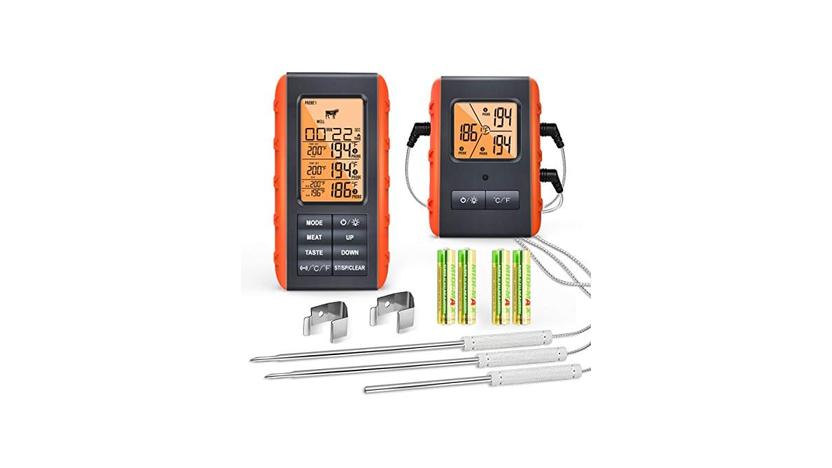
Battery Life and Electronics (for Digital Models)
For digital thermometers, the battery is the lifeline of its accuracy. A low battery can cause erratic readings or prevent the device from working altogether. The electronic components themselves can also degrade over time.
Example: A digital thermometer with a weak battery might start showing numbers that fluctuate wildly, or it might freeze on a particular temperature. You might see the display flicker or become dim. This is a clear sign that the battery needs changing.
- Battery replacement: Most digital thermometers use common button cell or AA/AAA batteries. Check your manual for the correct type and replace them when the display becomes weak or unreliable.
- Electronic wear: Like any electronic device, digital thermometers have a lifespan. Over years of use, the internal sensors or circuitry can become less precise.
- Storage: Proper storage, away from extreme temperatures or moisture, can help prolong the life of the electronic components in your digital thermometer.
How to Check if Meat Thermometer Is Accurate: Step-by-Step Guide
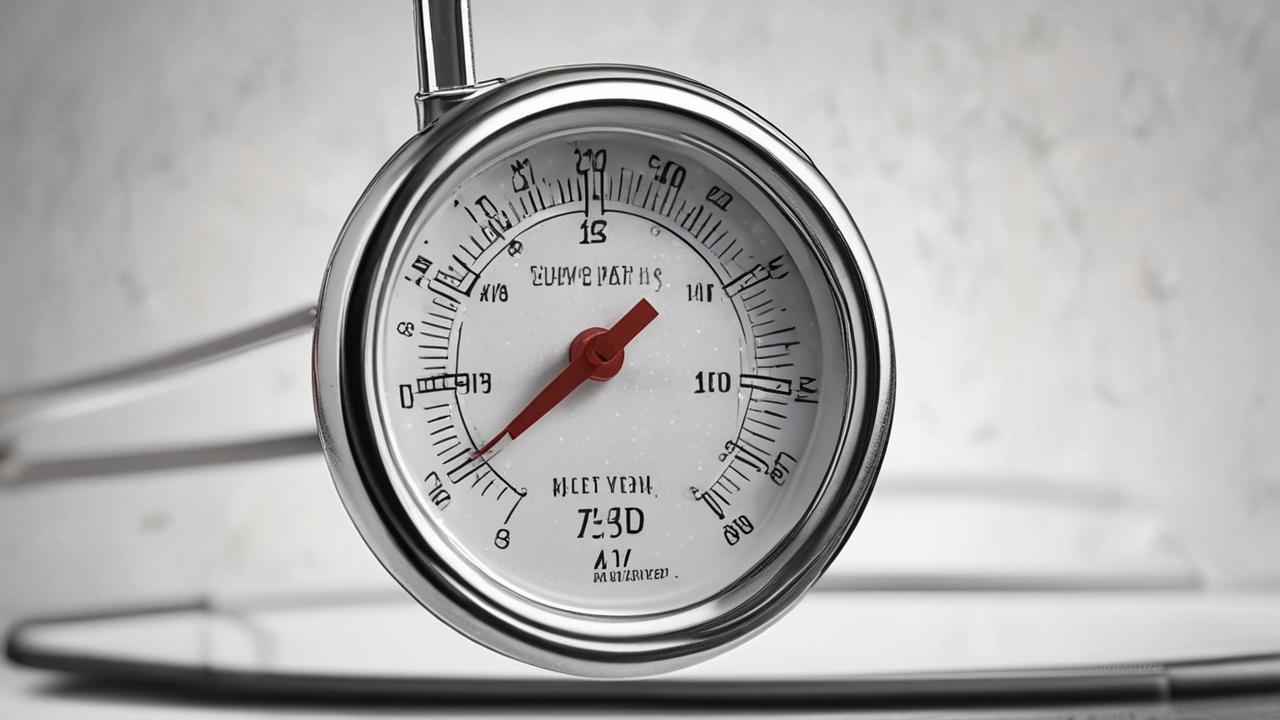
Now let’s put it all together. We’ll walk through the simplest way to confirm your thermometer is reliable. Follow these steps, and you’ll be cooking with confidence about your temperature readings in no time.
Step 1: Gather Your Supplies
Before you start, make sure you have everything you need. Having all your items ready makes the testing process smooth and easy. You won’t have to stop and search for things midway.
- Your meat thermometer (digital or dial)
- A tall glass or heat-resistant container
- Plenty of ice cubes
- Tap water
- A pot if you plan to do the boiling water test
Step 2: Perform the Ice Water Test
This is your primary test. It’s simple and gives a clear reading at a known cold temperature. It’s often the best starting point for checking any thermometer.
- Fill the glass with ice and water. Make sure there’s more ice than water to ensure it’s as cold as possible.
- Submerge the probe. Place the thermometer probe into the icy mixture. Avoid touching the sides or bottom of the glass.
- Wait for the reading. Let the thermometer settle. It should display 32°F (0°C).
Step 3: Interpret the Results
Look closely at the number your thermometer shows. Comparing it to the actual temperature of the ice water will tell you if it’s working correctly.
- Perfect Reading: If it reads exactly 32°F (0°C), your thermometer is very accurate.
- Slight Deviation: A reading of 31°F or 33°F (or -1°C or 1°C) is usually fine for most home cooking. These small differences rarely impact the safety or quality of your food.
- Significant Deviation: If the reading is much higher or lower (e.g., 40°F or 25°F), your thermometer is likely inaccurate and may need adjustment or replacement.
Step 4: Consider the Boiling Water Test (Optional but Recommended)
If you want to be extra sure, or if you notice a significant difference in the ice water test, try the boiling water test. This checks accuracy at a different temperature point.
- Boil water in a pot. Make sure it’s a strong, rolling boil.
- Insert the probe. Carefully put the thermometer into the boiling water, not touching the pot’s bottom.
- Read the temperature. Note the stabilized reading. It should be 212°F (100°C) at sea level.
Step 5: Take Action Based on Findings
Once you have your test results, you can decide what to do next. It’s better to know your tool’s limits.
- Accurate Thermometer: If your thermometer passed both tests with acceptable readings, congratulations! You can use it with confidence.
- Adjustable Thermometer: If you have a dial thermometer with a calibration screw, use it to adjust the needle to the correct temperature from the ice or boiling water test. Consult your thermometer’s manual for specific instructions.
- Inaccurate Thermometer: If your thermometer consistently reads far from the correct temperatures and cannot be adjusted, it’s time to replace it. For safety and best results, an accurate thermometer is essential for cooking.
Maintaining Your Meat Thermometer for Lasting Accuracy
Once you’ve confirmed your thermometer is accurate, it’s smart to take care of it. Good maintenance ensures it stays reliable for a long time. This means fewer worries about your cooking temperatures down the line.
Regular Cleaning and Storage
Keeping your thermometer clean is simple but vital. Residue can interfere with readings, and proper storage prevents damage. Always think about where and how you keep your tools.
- Cleaning after each use: Wash the probe with warm, soapy water after every time you use it. Rinse it thoroughly and dry it completely with a soft cloth.
- Avoid harsh cleaners: Do not use abrasive cleaners or scouring pads, as these can scratch the probe and affect its sensitivity. For digital models, wipe down the handle and display with a damp cloth, being careful not to submerge it in water.
- Proper storage: Store your thermometer in a clean, dry place. Many come with protective sleeves or cases. Keeping the probe covered helps prevent accidental damage and keeps it clean until its next use.
Calibration and Recalibration Tips
Even accurate thermometers can sometimes need a little nudge. Knowing how to recalibrate can save you from replacing a perfectly good tool.
- When to recalibrate: If you drop your thermometer, if it’s been stored improperly, or if it starts giving questionable readings, it’s a good time to recalibrate. The ice water and boiling water tests are your go-to for this.
- Digital thermometer recalibration: Many digital thermometers have a recalibration feature. Look for a button or a specific sequence of button presses as described in your user manual. This usually involves placing the thermometer in a known temperature (like ice water) and then pressing a recalibration button.
- Dial thermometer adjustment: For dial thermometers, there’s usually a small nut or screw located behind the dial face. After performing an ice water or boiling water test, you can use a small screwdriver or pliers to turn this nut. Turn it to move the needle until it points precisely to the correct temperature for that test.
Replacement Considerations
Sometimes, even with the best care, a thermometer needs to be replaced. Understanding when this is necessary ensures you’re always cooking safely.
- Signs of wear: Look for physical damage to the probe, cracked casing, or a display that is flickering or unreadable on digital models. If a dial thermometer’s needle is sluggish or stuck, it might be time for a new one.
- Consistent inaccuracy: If recalibration doesn’t fix the problem, or if the thermometer consistently shows readings that are significantly off even after multiple tests, it’s best to replace it. Cooking to the right temperature is critical for food safety.
- Technological advancements: Newer thermometers often offer faster readings, better waterproofing, wireless features, or pre-programmed temperatures for different meats. Consider upgrading if your current thermometer is old and doesn’t meet your needs.
Frequently Asked Questions
Question: How often should I check if my meat thermometer is accurate?
Answer: It’s a good idea to check your thermometer at least once a year, or any time you suspect it might be off. If you use it very frequently, checking it more often, maybe every few months, is a smart move.
Question: Can I use my oven thermometer to test my meat thermometer?
Answer: No, you should use known temperatures like ice water or boiling water to test your meat thermometer directly. An oven thermometer measures a different environment.
Question: My digital thermometer is showing random numbers. What should I do?
Answer: This usually means the battery is low. Try replacing the battery first. If the problem continues, the thermometer might be damaged or need recalibration if it has that feature.
Question: What if my thermometer is only a few degrees off? Is that okay?
Answer: For most home cooking, a few degrees off is usually acceptable. However, for foods where precise temperature is critical for safety, like poultry or pork, it’s best to have a thermometer that’s as accurate as possible.
Question: Do I need to do both the ice water and boiling water tests?
Answer: The ice water test is usually enough to tell you if your thermometer is generally accurate. Doing the boiling water test as well checks its accuracy at a higher temperature range and can be helpful if you have any doubts.
Summary
Checking if your meat thermometer is accurate is simple. Use the ice water and boiling water tests for reliable results. Keeping your thermometer clean and knowing when to recalibrate or replace it ensures safe and delicious meals every time you cook.