Steak temperature before resting vs after resting is a topic that confuses many home cooks and grill masters. Knowing the exact difference changes how you cook your meat every single time. This post breaks down the science of carryover cooking, target temperatures, and resting methods so you never serve an overcooked or undercooked steak again.
You will learn exactly when to pull your steak off the heat and how long to wait before slicing. Mastering steak temperature before resting vs after resting guarantees juicy, restaurant-quality results right in your own kitchen.
Simply put, steak temperature before resting vs after resting differs by about 5 to 10 degrees Fahrenheit. The internal heat continues to rise after you remove the meat from the grill due to carryover cooking. Always pull your steak off the heat slightly below your target doneness to account for this temperature jump during the rest period.
What Is Steak Temperature Before Resting vs After Resting
The concept of steak temperature before resting vs after resting revolves around a physical process called carryover cooking. When you apply heat to a steak, the outside gets much hotter than the inside. Once you take the meat off the grill or out of the pan, that trapped exterior heat keeps moving toward the cooler center.
This means your steak continues to cook even when it sits on the counter. The temperature you measure right when you pull the meat off the heat is your “before resting” reading. The final temperature you record after waiting five to ten minutes is your “after resting” reading.
According to the USDA, beef must reach specific internal temperatures to be considered safe for consumption. However, professional chefs rely on precise temperature tracking to achieve perfect medium-rare or medium doneness without drying out the meat.
- Carryover cooking causes the internal temperature to rise by 5 to 10 degrees Fahrenheit.
- Thicker steaks experience a larger temperature jump than thinner cuts.
- High-heat cooking methods like grilling create more carryover cooking than low-heat methods like sous vide.
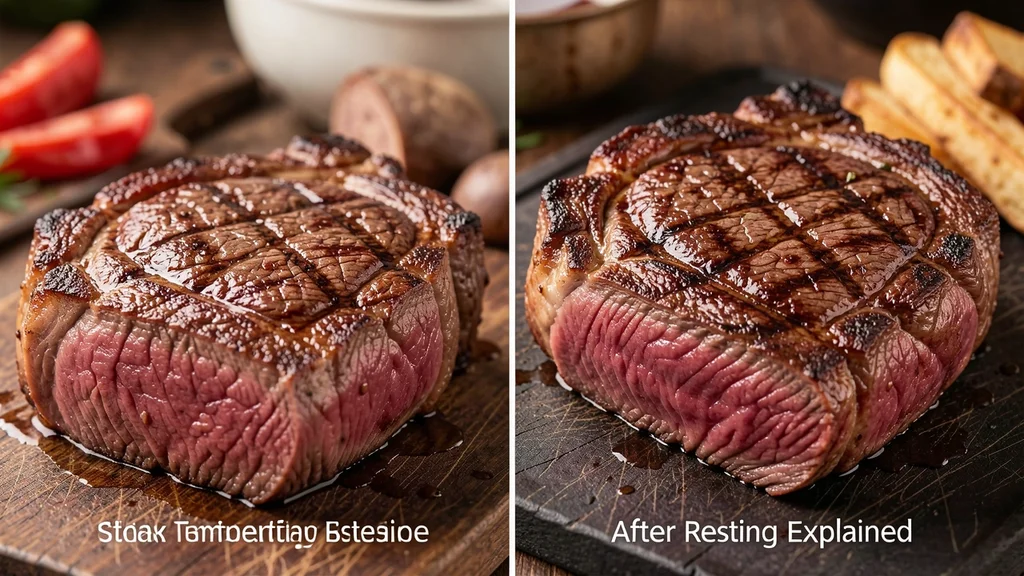
- The resting phase allows muscle fibers to relax and reabsorb expelled juices.
- Pulling a steak at the exact target temperature usually results in overcooked meat.
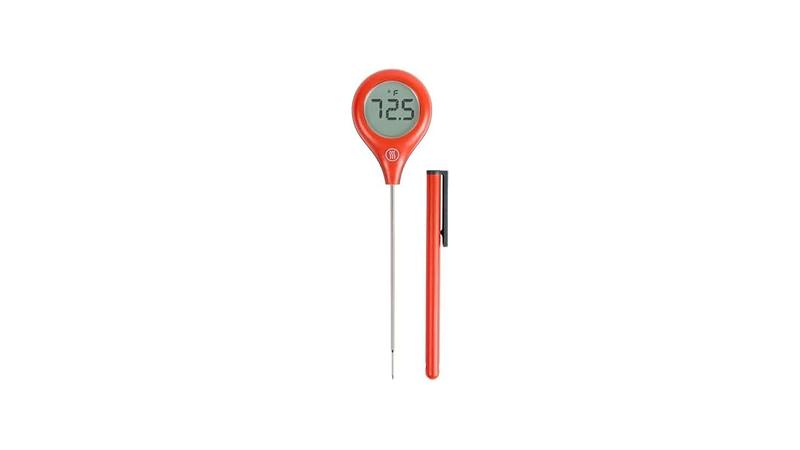
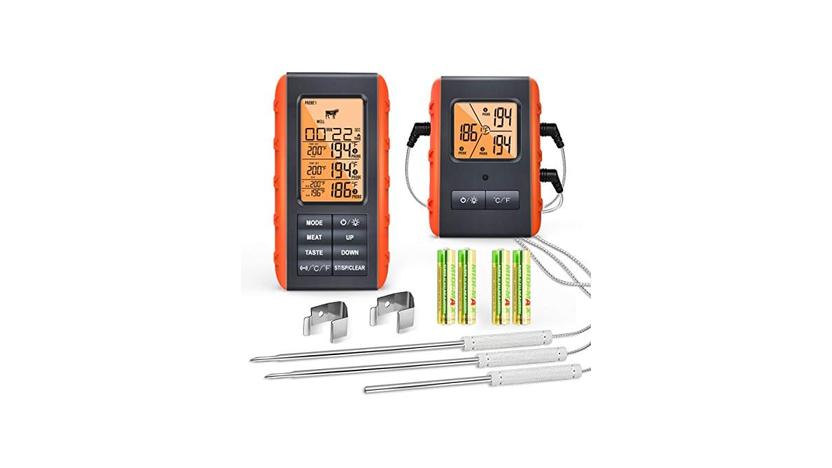
- A reliable instant-read thermometer is the only accurate way to track these shifts.
Tracking the difference between steak temperature before resting vs after resting prevents you from serving dry, tough meat. You must plan ahead and remove the steak early to hit your desired final doneness perfectly.
How Carryover Cooking Changes Your Final Results
Carryover cooking is the main reason why steak temperature before resting vs after resting matters so much. Heat transfer does not stop the second you turn off the burner. The outer layers of your steak hold a massive amount of thermal energy that slowly pushes inward.
The America’s Test Kitchen team reports that a thick ribeye cooked over high heat can rise up to 10 to 15 degrees during the resting phase. This dramatic shift happens because the steep temperature gradient between the crust and the center forces heat to equalize rapidly.
If you ignore this process, you will consistently overshoot your target doneness. Aiming for a perfect 130°F medium-rare steak means you need to pull it off the heat closer to 120°F. The residual heat finishes the job gently while the meat rests.
- Remove the steak from the direct heat source using tongs.
- Insert an instant-read thermometer into the thickest part of the meat immediately.
- Record this number as your “before resting” temperature.
- Transfer the steak to a warm plate or wooden cutting board.
- Wait five to ten minutes depending on the thickness of the cut.
- Insert the thermometer again to record your “after resting” temperature.
- Slice against the grain only after the temperature stops rising.
Understanding this sequence ensures you control the outcome rather than guessing. Every step plays a role in managing the steak temperature before resting vs after resting gap effectively.
Tip: Always tent your resting steak loosely with aluminum foil. Wrapping it too tightly traps steam and ruins the crispy crust you worked hard to build during the searing process.
Target Temperatures for Every Level of Doneness
To master steak temperature before resting vs after resting, you need a clear chart of target temperatures. Different levels of doneness require specific internal readings. You must know exactly when to pull the meat so the carryover cooking lands you on the perfect final number.
The Meat Science department at Texas A&M University notes that protein denaturation accelerates rapidly past 140°F, which squeezes moisture out of the muscle fibers. Keeping your final temperature in check preserves juiciness and tenderness.
Use the table below to guide your cooking process. The first column shows the temperature you should see on your thermometer right when you take the steak off the heat. The second column shows what that temperature will become after a proper rest.
| Doneness Level | Pull Temp (Before Resting) | Final Temp (After Resting) |
|---|---|---|
| Rare | 115°F – 120°F | 120°F – 125°F |
| Medium-Rare | 125°F – 130°F | 130°F – 135°F |
| Medium | 135°F – 140°F | 140°F – 145°F |
| Medium-Well | 145°F – 150°F | 150°F – 155°F |
| Well Done | 155°F – 160°F | 160°F – 165°F |
This chart makes the relationship between steak temperature before resting vs after resting completely clear. Memorize the “pull temp” column for your favorite level of doneness to guarantee consistent results every time you fire up the grill.
Why Resting Steak Matters for Texture and Juiciness
Resting is not just about watching the numbers change regarding steak temperature before resting vs after resting. It serves a critical structural purpose. When raw meat hits a hot pan, the intense heat causes muscle proteins to contract violently.
This contraction acts like a wrung-out sponge, pushing natural juices toward the cooler center of the cut.
If you slice the steak immediately after cooking, those pooled juices spill out onto your cutting board. You lose flavor, moisture, and overall quality in seconds. The National Cattlemen’s Beef Association highlights that resting allows the contracted muscle fibers to relax gradually.
As the fibers loosen, they reabsorb the displaced moisture evenly throughout the entire piece of meat. This redistribution process takes time. Rushing it guarantees a dry eating experience no matter how perfectly you managed your cooking temperatures.
- Muscle fibers relax and widen as the internal heat stabilizes.
- Juices redistribute evenly from the center back toward the edges.
- Slicing too early causes rapid moisture loss onto the cutting board.
- The texture becomes significantly more tender after a five-minute rest.
- Flavor concentrates better when juices stay locked inside the meat.
- Thicker cuts like porterhouse or tomahawk require longer resting periods.
Paying attention to steak temperature before resting vs after resting gives you the data you need, but patience gives you the texture you want. Both elements work together to produce a superior steak.
Warning: Never skip the resting phase to save time. Cutting into a steak straight off the grill will drop its internal temperature rapidly and drain up to 20% of its natural juices instantly.
How to Measure Steak Temperature Accurately
You cannot manage steak temperature before resting vs after resting without the right tools. Guessing by touch or color fails consistently, especially under varying lighting conditions or with different breeds of cattle. An instant-read digital thermometer is mandatory for precision.
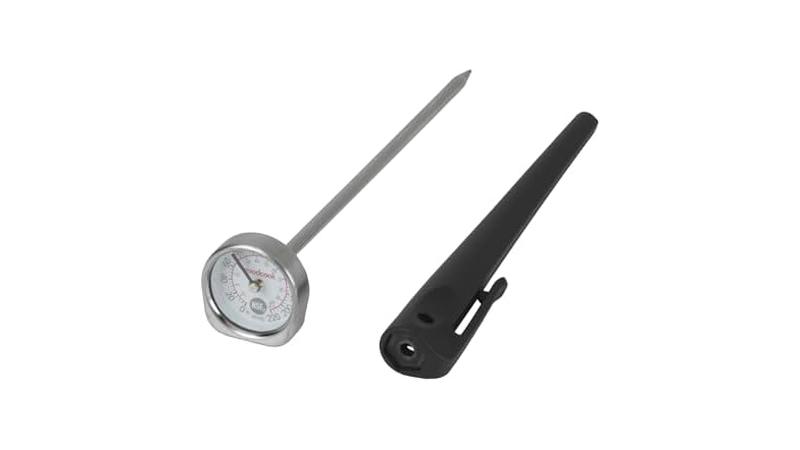
Consumer Reports testing shows that high-quality digital thermometers provide accurate readings within two to three seconds. Dial thermometers take much longer and often lack the precision needed to catch a narrow five-degree window.
Proper placement of the probe matters just as much as the tool itself. Pushing the thermometer into a pocket of fat or hitting bone gives you a false reading. Fat insulates heat differently than muscle tissue, and bone conducts heat faster, both skewing your numbers.
- Turn on your digital thermometer and calibrate it if necessary using ice water.
- Identify the thickest part of the steak away from any visible fat caps or bones.
- Insert the probe horizontally through the side of the steak into the dead center.
- Push the tip slightly past the center, then slowly pull it back to find the lowest reading.
- Record the lowest number displayed, as this represents the true core temperature.
- Wipe the probe clean with a damp cloth between readings to avoid cross-contamination.
Using this method ensures your data for steak temperature before resting vs after resting remains reliable. Consistent measurement habits eliminate guesswork and build your confidence at the grill.
Common Mistakes That Ruin Steak Temperatures
Even experienced cooks make errors when tracking steak temperature before resting vs after resting. These mistakes usually stem from impatience or a lack of preparation. Avoiding them requires strict adherence to a few basic rules.
One major error involves cooking cold meat. Pulling a steak directly from the refrigerator and throwing it onto a scorching grill creates a massive temperature differential. The outside burns before the inside reaches a safe or desirable temperature.
Another frequent issue is flipping the meat too often or pressing down on it with a spatula. Pressing squeezes out the very juices you are trying to protect during the rest phase. Constant flipping disrupts the formation of a proper Maillard reaction crust.
| Common Mistake | The Consequence | The Solution |
|---|---|---|
| Cooking meat straight from the fridge | Uneven cooking and burnt exteriors | Let the steak sit at room temperature for 30 minutes |
| Relying on visual cues instead of a thermometer | Overcooked or undercooked centers | Always use a calibrated digital instant-read thermometer |
| Slicing the meat immediately off the grill | Massive juice loss and dry texture | Rest the steak for at least 5 to 10 minutes |
| Pulling the steak at the exact target temp | Carryover cooking pushes it past the goal | Remove the meat 5 to 10 degrees below your target |
| Wrapping the steak tightly in foil | Steam softens the crust completely | Tent the foil loosely to retain warmth without trapping steam |
Correcting these habits transforms your approach to steak temperature before resting vs after resting. Precision replaces luck, and your steaks improve dramatically with every single attempt.
Important: Thinner steaks like skirt or flank require less resting time and experience far less carryover cooking. Adjust your pull temperatures accordingly, aiming for just 3 to 5 degrees below your final target for thin cuts.
Does Steak Thickness Affect the Temperature Shift
Thickness plays a massive role in how steak temperature before resting vs after resting behaves. A one-inch strip steak reacts entirely differently to heat than a three-inch tomahawk ribeye. The volume of the meat dictates how much thermal energy it stores during the cooking process.
Thick steaks absorb significantly more heat in their outer layers. When removed from the grill, that deep reservoir of heat has a long journey to the center. This extended travel time results in a much higher carryover cooking spike, sometimes exceeding 15 degrees.
Thin steaks lack this thermal mass. Their center heats up almost as fast as their exterior. Because there is less stored energy pushing inward once the meat leaves the heat source, the temperature rise during resting stays minimal, usually around 3 to 5 degrees.
- Steaks under one inch thick need only a three to five minute rest.
- Steaks between one and two inches thick benefit from a standard five to eight minute rest.
- Massive cuts over two inches thick require ten to fifteen minutes of resting time.
- Adjust your “pull temperature” lower for thicker cuts to compensate for the extra carryover heat.
- Bone-in steaks conduct heat differently than boneless cuts, requiring careful thermometer placement.
- Reverse searing is ideal for thick steaks to minimize extreme temperature gradients.
Factoring in thickness ensures your calculations for steak temperature before resting vs after resting remain accurate. Treat every cut individually based on its dimensions rather than applying a blanket rule to all steaks.
Best Cooking Methods for Managing Steak Temperatures
Your chosen cooking method directly impacts the gap between steak temperature before resting vs after resting. High-heat techniques create aggressive carryover cooking, while gentle methods keep the temperature shift incredibly small. Choosing the right approach depends on your equipment and the cut of meat.
Traditional grilling over open flames or charcoal produces intense surface heat. This builds a fantastic crust but drives the outer temperature extremely high. The resulting carryover effect demands that you pull the steak well below your target finish line.
The reverse sear method flips this dynamic. You cook the steak slowly in an oven at 225°F until it nearly reaches your target temperature, then finish it with a blazing fast sear in a cast iron skillet. Because the overall temperature gradient is so shallow, carryover cooking barely registers.
- Choose the reverse sear method for any steak thicker than one and a half inches.
- Use traditional high-heat grilling for thinner cuts where speed matters more than precision.
- Try sous vide cooking if you want zero carryover cooking, as the water bath sets the exact temperature.
- Opt for pan-searing with butter basting for standard one-inch steaks cooked indoors.
- Always match your resting time to the intensity of the cooking method used.
- Keep a log of your preferred methods and the resulting temperature shifts for future reference.
Matching your technique to your goals simplifies managing steak temperature before resting vs after resting. Low and slow methods offer forgiveness, while high heat demands strict attention and timing.
Frequently Asked Questions
How much does steak temperature actually rise during resting?
The internal temperature typically rises by 5 to 10 degrees Fahrenheit during the resting phase. Thicker cuts cooked over very high heat can sometimes see an increase of up to 15 degrees. This phenomenon, known as carryover cooking, is why you must always remove the steak before it hits your final target number.
Should I cover my steak with foil while it rests?
You should tent the steak loosely with aluminum foil to keep it warm without trapping steam. Wrapping the meat tightly creates a humid environment that softens the crispy crust you built during cooking. A loose tent strikes the perfect balance between heat retention and texture preservation.
Can I rest a steak for too long?
Yes, resting a steak for too long causes it to drop below an appetizing serving temperature. For most standard cuts, five to ten minutes is the sweet spot. If you wait twenty minutes or more, the fat begins to congeal and the meat loses its optimal eating warmth.
Does the type of meat change the resting temperature rules?
Different meats react differently to carryover cooking based on their density and fat content. Pork chops and chicken breasts also experience temperature rises during resting, though poultry must always reach a safe minimum of 165°F. Beef remains the most forgiving and benefits the most from precise temperature tracking.
Why is my steak still cold in the middle after resting?
A cold center usually means you pulled the steak off the heat far too early or started with meat straight from the refrigerator. Letting your steak sit at room temperature for thirty minutes before cooking helps the heat penetrate evenly. Always verify your internal temperature with a reliable digital thermometer before removing the meat from the grill.
Final Thoughts
Managing steak temperature before resting vs after resting is the single most important skill for cooking perfect beef. Always pull your steak five to ten degrees below your target doneness to account for carryover cooking. Use a digital thermometer, let the meat rest properly, and you will serve juicy, flavorful steaks every single time.