How long does steak temperature rise while resting? is a question every home cook and grill master needs answered before serving the perfect meal. Knowing how long does steak temperature rise while resting helps you pull your meat off the heat at exactly the right moment. This prevents overcooking and guarantees a juicy, tender bite every single time.
In this post, we break down the science of carryover cooking, provide exact temperature charts for different cuts, and show you how to rest meat properly. You will learn why resting matters, how thickness changes the process, and what mistakes ruin your dinner.
Simply put, steak temperature typically rises between 5°F and 10°F during resting. Thicker cuts can see an increase of up to 15°F. The process takes about 5 to 10 minutes depending on the size and thickness of the meat.
What Is Carryover Cooking in Steak
Carryover cooking is the scientific reason behind how long does steak temperature rise while resting. When you cook a steak over high heat, the outside gets much hotter than the center. Once you remove the meat from the grill or pan, that trapped outer heat continues moving inward toward the cooler core.
This transfer of thermal energy causes the internal temperature to keep climbing even though the steak sits away from any heat source. Food scientists refer to this as residual heat transfer. The USDA notes that this process happens with all roasted and grilled proteins, not just beef.
The amount of temperature increase depends heavily on the cooking method. High-heat methods like searing in a cast iron skillet or grilling over direct flame create a massive temperature gradient between the crust and the center. Low-and-slow methods like sous vide produce almost zero carryover cooking because the entire piece of meat reaches a uniform temperature.
- Heat moves from the hot exterior to the cooler interior after removal from the cooking surface.
- The internal temperature peaks and then slowly begins to drop once equilibrium is reached.
- Thicker steaks experience more carryover cooking due to a larger temperature differential.
- High-heat grilling creates a steeper temperature gradient than gentle oven roasting.
- Carryover cooking stops once the inside and outside temperatures equalize completely.
- The phenomenon applies to poultry, pork, and lamb just as it does to beef.
If you ignore carryover cooking, you will consistently overcook your steaks. Pulling a steak off the grill when your thermometer reads your target temperature means it will overshoot that mark by several degrees while sitting on the cutting board.
How Long Does Steak Temperature Rise While Resting Based on Thickness
Thickness is the single biggest factor determining how long does steak temperature rise while resting. A thin skirt steak behaves completely differently than a thick-cut bone-in ribeye. The mass of the meat dictates how much residual heat gets trapped inside and pushed toward the center.
Thin steaks under one inch thick lose heat rapidly to the surrounding air. They might only rise 3°F to 5°F during their short rest period. Thick steaks over two inches act like insulated ovens.
Their dense centers absorb heat from the outer layers for a much longer time, pushing the internal temperature up significantly.
America’s Test Kitchen reports that a standard one-inch thick strip steak pulled at 125°F will easily reach 130°F to 135°F after resting. For massive cuts like a whole beef tenderloin or a tomahawk steak, that number can jump 15°F or even 20°F if left unmonitored.
| Steak Thickness | Expected Temp Rise | Recommended Rest Time |
|---|---|---|
| Under 1 inch | 3°F – 5°F | 3 – 5 minutes |
| 1 to 1.5 inches | 5°F – 10°F | 5 – 7 minutes |
| 1.5 to 2 inches | 10°F – 15°F | 7 – 10 minutes |
| Over 2 inches | 15°F – 20°F | 10 – 15 minutes |
Use this table as your baseline guide. Always pull your steak off the heat source slightly below your desired final doneness to account for these expected increases.
Why Resting Steak Matters for Juiciness and Texture
Resting is not just about managing how long does steak temperature rise while resting. It plays a vital role in moisture retention and overall texture. When muscle fibers face intense heat, they contract violently and squeeze moisture toward the center of the cut.
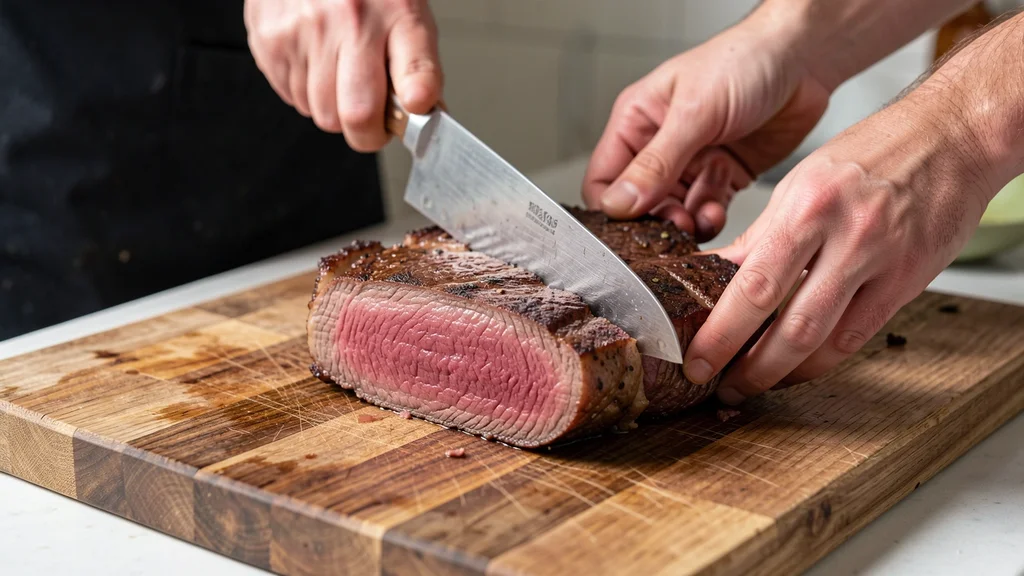
If you slice into a steak immediately after cooking, those contracted fibers push all the liquid straight out onto your cutting board. You end up with a dry piece of meat and a puddle of lost flavor. Resting gives the muscle fibers time to relax and reabsorb the expelled juices evenly throughout the cut.
The National Cattlemen’s Beef Association highlights that resting allows the proteins to set properly. This results in a firmer, more pleasant texture when you chew. Skipping this step yields a mushy exterior and a tough interior because the proteins have not had time to stabilize.
- Pull the steak from the heat source when it is 5°F to 10°F below your target temperature.
- Transfer the meat to a warm cutting board or a heated plate to prevent rapid cooling.
- Tent the steak loosely with aluminum foil if your kitchen is drafty or cold.
- Wait the appropriate amount of time based on the thickness of your specific cut.
- Slice against the grain using a sharp carving knife to ensure maximum tenderness.
- Serve immediately after slicing to enjoy the peak temperature and juiciness.
Proper resting transforms a good steak into a restaurant-quality meal. Patience during this phase pays off directly in the eating experience.
Warning: Never wrap your resting steak tightly in foil. Trapping steam against the surface ruins your hard-earned crust and makes the exterior soggy and gray. Always tent loosely.
How to Measure Steak Temperature Accurately During Rest
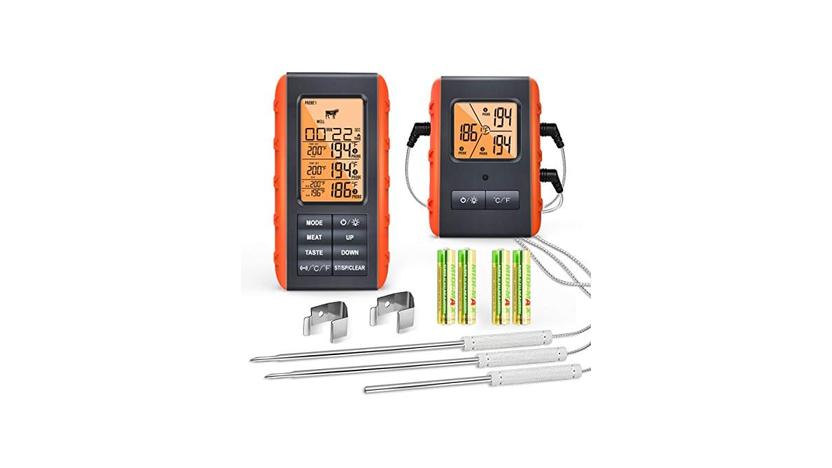
To truly understand how long does steak temperature rise while resting, you need the right tools. Guesswork leads to ruined dinners. A reliable instant-read meat thermometer is the most important piece of equipment in your kitchen for this task.
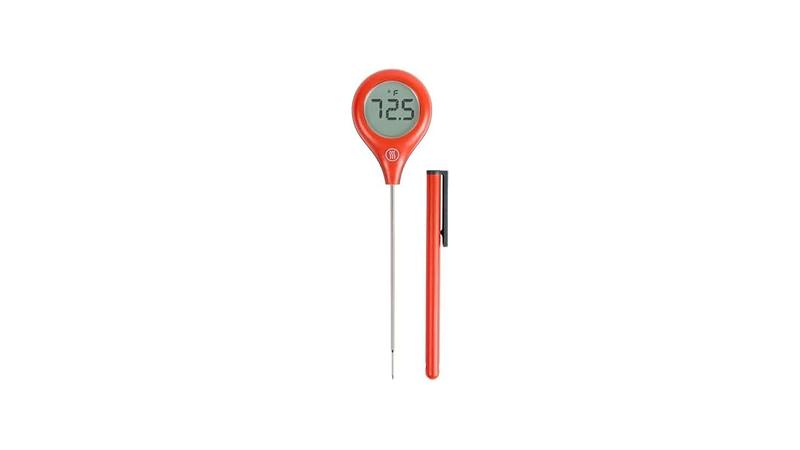
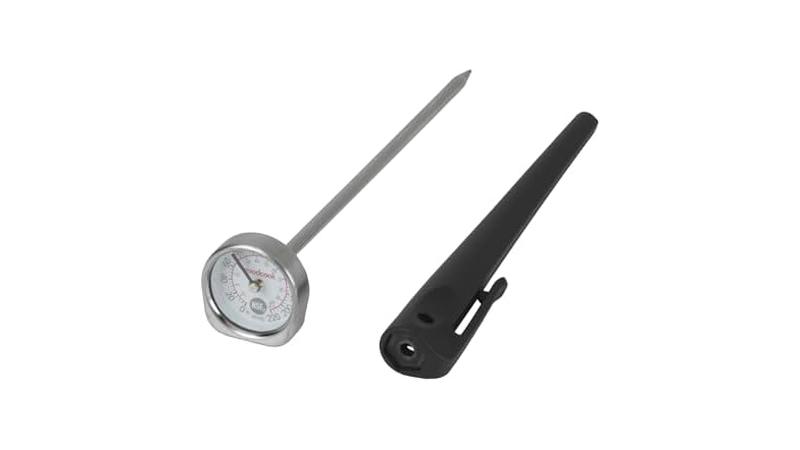
Digital thermocouple thermometers give you readings in two to three seconds. Dial thermometers take much longer and often lack precision. Insert the probe into the thickest part of the steak, avoiding fat pockets or bone, which conduct heat differently than muscle tissue.
Take a reading right before you pull the steak off the grill. Then take another reading five minutes later to track the exact rise. This practice trains you to predict carryover cooking for your specific setup, whether you use a gas grill, charcoal smoker, or cast iron pan.
- Calibrate your thermometer regularly using the ice water method to ensure accuracy.
- Insert the probe through the side of the steak to reach the true geometric center.
- Avoid touching the grill grates or the bottom of the pan with the probe tip.
- Record the initial pull temperature so you can calculate the total rise later.
- Check the temperature every two minutes during the rest to map the curve.
- Keep the thermometer away from direct flames to protect the digital sensors.
Consistent measurement builds intuition over time. After cooking a few dozen steaks, you will know exactly when to pull them without constantly checking the dial.
Target Temperatures for Different Levels of Doneness
Knowing your target doneness is essential when calculating how long does steak temperature rise while resting. Every level of doneness corresponds to a specific internal temperature range. Because of carryover cooking, you must always aim for a lower pull temperature than your final goal.
Rare steaks require a very short cooking time and minimal resting. Well-done steaks spend much longer on the heat, creating a massive temperature gradient that results in significant carryover cooking. Adjusting your pull temperature based on your desired outcome prevents disappointment at the dinner table.
The FDA recommends cooking whole cuts of beef to a minimum of 145°F followed by a three-minute rest for food safety. However, many chefs and home cooks prefer lower temperatures for better flavor and texture. Use the chart below to find your ideal pull and final temperatures.
| Doneness Level | Pull Temperature | Final Rested Temperature |
|---|---|---|
| Rare | 120°F – 125°F | 125°F – 130°F |
| Medium Rare | 130°F – 135°F | 135°F – 140°F |
| Medium | 140°F – 145°F | 145°F – 150°F |
| Medium Well | 150°F – 155°F | 155°F – 160°F |
| Well Done | 160°F+ | 165°F+ |
Medium rare remains the most popular choice among steak enthusiasts. It offers the best balance of rendered fat, relaxed muscle fibers, and retained moisture.
Does How Long Steak Temperature Rise While Resting Change by Cut
The specific cut of beef you choose directly impacts how long does steak temperature rise while resting. Lean cuts behave differently than highly marbled cuts. Bone-in steaks retain heat longer than boneless options because bone acts as a thermal insulator.
A filet mignon is incredibly lean and usually cut very thick. It holds heat well but lacks the fat content to buffer temperature spikes. A ribeye, packed with intramuscular fat, conducts heat differently.
The melting fat absorbs some thermal energy, slightly altering the rate of the temperature rise compared to a leaner cut.
Flank steak and skirt steak are extremely thin. They possess almost no capacity for carryover cooking. If you leave a flank steak on the grill until it hits 130°F, it will be well past medium by the time you serve it.
You must pull these thin cuts exactly at your target temperature.
- Bone-in ribeyes and T-bones hold residual heat longer due to the dense bone structure.
- Filet mignon requires careful monitoring because its thick, lean profile traps heat efficiently.
- New York strip steaks offer a predictable middle ground for carryover cooking calculations.
- Skirt and flank steaks need virtually no resting time and zero carryover adjustment.
- Tomahawk steaks demand extended rest periods of up to fifteen minutes due to sheer mass.
- Flat iron steaks cook evenly but still require a standard five-degree pull adjustment.
Always adjust your strategy based on the anatomy of the cut. Treating every steak the same guarantees inconsistent results at the dinner table.
Important: Let your steak sit at room temperature for 30 minutes before cooking. A cold center creates an extreme temperature gradient, leading to unpredictable and aggressive carryover cooking once removed from the heat.
Common Mistakes That Ruin Your Resting Process
Even if you know how long does steak temperature rise while resting, poor technique can destroy your efforts. Many home cooks make simple errors that result in cold, dry, or overcooked meat. Avoiding these pitfalls ensures your practice matches the science.
The most frequent mistake is resting the steak on a cold plate. Cold ceramic pulls heat away from the bottom of the meat rapidly. This uneven cooling disrupts the carryover cooking process and leaves you with a lukewarm bottom crust.
Always use a warmed plate or a wooden cutting board.
Another major error is cutting into the meat too early to check the color. Every time you slice the steak prematurely, you release the pressurized juices you worked so hard to retain. Trust your thermometer instead of your eyes.
Leave the knife in the drawer until the rest period ends.
- Never place a hot steak directly onto a cold ceramic or glass serving plate.
- Do not skip the resting phase entirely just because you or your guests feel hungry.
- Avoid pressing down on the steak with a spatula, which forces valuable juices out instantly.
- Stop wrapping the meat tightly in foil, as this steams the crust and ruins the texture.
- Refrain from resting the steak near an open window or under a running air conditioning vent.
- Do not guess the temperature; always rely on a calibrated instant-read digital thermometer.
Correcting these habits takes minimal effort but yields massive improvements in your final dish. Treat the resting phase with the same respect you give the cooking phase.
How Cooking Methods Affect the Temperature Rise
Your chosen cooking method drastically changes how long does steak temperature rise while resting. High-heat techniques like broiling, pan-searing, and direct charcoal grilling create steep temperature gradients. The outside burns hot while the inside stays cool, resulting in aggressive carryover cooking.
Reverse searing flips this dynamic. You cook the steak gently in a low oven until it reaches near-target temperature, then sear it quickly in a blazing hot pan. Because the meat heats evenly during the oven phase, the temperature gradient remains small.
Carryover cooking after a reverse sear is minimal, often just 2°F to 3°F.
Sous vide eliminates carryover cooking entirely. The steak sits in a water bath held precisely at your target final temperature. When you pull it out to sear, the sear only affects the outer millimeter.
The core cannot rise above the water bath temperature, giving you absolute control over doneness.
| Cooking Method | Carryover Impact | Best For |
|---|---|---|
| Direct Grilling | High (10°F – 15°F) | Thick cuts, smoky flavor |
| Cast Iron Sear | Moderate (5°F – 10°F) | Standard steaks, great crust |
| Reverse Sear | Low (2°F – 5°F) | Precision cooking, thick steaks |
| Sous Vide | None (0°F) | Edge-to-edge perfection |
Match your resting strategy to your cooking method. Using a standard ten-degree pull rule on a reverse-seared steak will leave you with raw, undercooked meat.
Tip: Warm your serving plates in the oven at 170°F for a few minutes before plating. A warm plate keeps your rested steak at the perfect eating temperature much longer without continuing to cook the meat.
Frequently Asked Questions
Should I cover my steak with foil while it rests?
You should tent the steak loosely with foil only if your kitchen is very cold or drafty. Wrapping it tightly traps steam and destroys the crispy crust you developed during cooking. Leaving it uncovered on a warm cutting board works perfectly for most indoor environments.
Can I rest a steak for too long?
Yes, resting a steak for too long causes it to drop below an appetizing serving temperature. Once the carryover cooking peaks, the meat starts losing heat to the air. Stick to the recommended five to ten minutes for standard cuts to ensure it stays hot and juicy.
Does the type of grill change how much the temperature rises?
Absolutely. Charcoal grills burn much hotter than gas grills, creating a steeper temperature gradient in the meat. This leads to more aggressive carryover cooking.
Pellet smokers operate at lower, steadier temperatures, resulting in a much smaller temperature rise during the rest period.
Do I need to rest a thin steak like skirt or flank?
Thin steaks require very little resting time because they lack the mass needed for significant carryover cooking. One to two minutes is usually plenty. Resting them too long simply makes them cold, as their high surface-area-to-volume ratio causes rapid heat loss.
How do I know if my thermometer is accurate enough for resting?
Test your thermometer in a glass of ice water. It should read exactly 32°F within a few seconds. If it deviates by more than two degrees, calibrate it according to the manufacturer instructions or replace it.
Precision matters greatly when tracking a five-degree temperature rise.
Final Thoughts
Knowing how long does steak temperature rise while resting separates average cooks from exceptional ones. Always pull your meat five to ten degrees early, account for thickness, and use a reliable thermometer. Master these simple steps, and you will serve perfectly juicy steaks every single time.