Sometimes, your meat thermometer just won’t cooperate. It might seem confusing when your Meat Thermometer Calibration Not Working, especially if you’re new to cooking with one. Don’t worry!
It’s a common hiccup, and we’re here to help. We’ll walk you through fixing it with simple steps. Get ready to see your thermometer work like a charm again, and learn how to keep it that way.
Why Meat Thermometer Calibration Not Working Is Tricky
It’s frustrating when you’re trying to cook something perfectly, and your meat thermometer gives you readings that just don’t seem right. This often happens when the thermometer isn’t calibrated correctly. For beginners, understanding why this happens and how to fix it can be a bit of a puzzle.
Thermometers can be sensitive, and small changes can throw them off. We’ll break down the common reasons why your thermometer might not be working right and show you how easy it is to get it back on track. This way, you can cook with confidence every time.
Common Causes for Incorrect Readings
When your meat thermometer seems to be giving you odd numbers, there are a few main culprits. One of the most frequent issues is that the thermometer itself needs a quick check-up. It might have taken a bump or been stored in a way that shifted its internal workings.
Another reason is the temperature of the medium you’re testing. If the water you’re using for calibration isn’t exactly at freezing point, your test will be off from the start.
Battery life is also a big factor for digital thermometers. A low battery can cause all sorts of electronic gadgets to behave strangely, including your trusty thermometer. Even the probe itself can sometimes have issues if it’s not clean or if it’s been damaged.
We’ll look at each of these and other possibilities so you can pinpoint the problem.
Temperature Fluctuations
The temperature of your environment can really affect how a thermometer reads. For instance, if you’re using a digital thermometer and the room it’s in is very hot or very cold, this can influence its accuracy before you even stick it into food. Think of it like a sensitive instrument; it works best when it’s in a stable environment.
This is especially important when you’re calibrating it.
For a simple ice bath calibration, the ambient temperature of your kitchen matters. If your kitchen is already warm, the ice might melt faster than expected. This means the water temperature might not stay at the perfect 32°F (0°C) for long enough.
This is why keeping your calibration area cool and stable is key to getting a reliable reading.
Physical Damage or Wear
Over time, tools can get worn out or accidentally damaged. Your meat thermometer is no different. If it’s been dropped, the internal sensor might have been knocked out of place.
This can lead to readings that are consistently too high or too low. Even a small crack in the probe or display can let in moisture, which is bad news for electronics.
Sometimes, the metal probe can get bent. While it might still fit into your food, a bent probe might not be reaching the center correctly, giving you a false reading. Looking for any visible signs of damage, like dents, cracks, or bends, is a good first step in figuring out why your thermometer isn’t working right.
Regular checks can help prevent bigger problems down the line.
How to Properly Calibrate Your Meat Thermometer
Calibrating your meat thermometer is your secret weapon for perfect cooking. It’s not as hard as it sounds! The most common way to do this is using an ice bath.
This method works for most digital and dial thermometers. We’ll go step-by-step to make sure you get it right. Getting this right means you can trust your thermometer to tell you exactly when your meat is safely cooked.
This process ensures your thermometer is giving you accurate numbers. Accurate numbers mean safe food and delicious meals. Let’s learn how to make sure your thermometer is telling the truth about temperatures.
The Ice Bath Method Explained
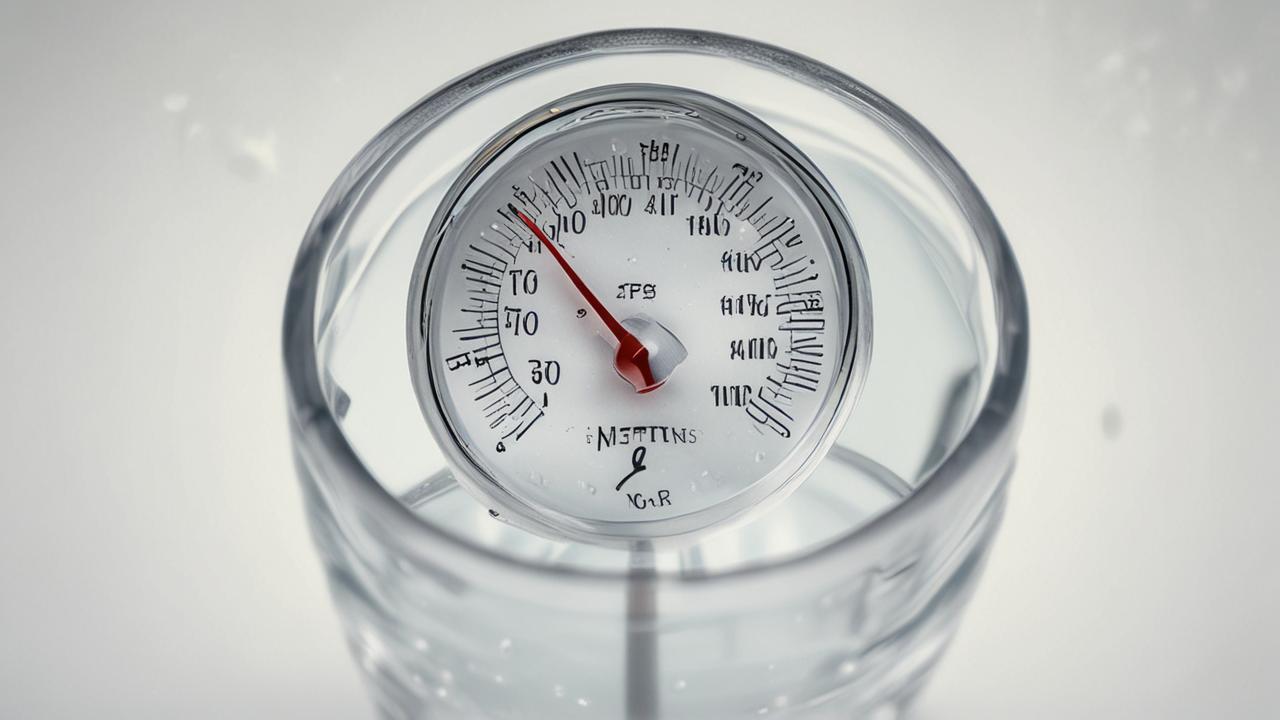
The ice bath method is the gold standard for calibrating most meat thermometers. It uses the consistent freezing point of water as a reference. You’ll need a tall glass or container, plenty of ice cubes, and some water.
Fill the container about two-thirds full with ice, then add water until it’s almost full. Give it a good stir to make sure the water is as cold as possible.
Let this mixture sit for a few minutes. You want the ice and water to reach a stable temperature. The goal is to get the water temperature to exactly 32°F (0°C).
If your thermometer is working correctly, it should read this temperature when you place the probe into the icy water. This is your baseline check.
When you place your thermometer probe into the ice bath, make sure it doesn’t touch the sides or bottom of the container. This can give you a false reading. The probe needs to be fully submerged in the icy water.
Hold it steady in the center for about 30 seconds to a minute. This allows the thermometer’s sensor to adjust to the cold temperature.
Adjusting Your Thermometer (If Possible)
Some digital meat thermometers have a calibration mode or a reset button that lets you adjust them. For these, after you’ve done the ice bath test, you’ll follow the specific instructions for your model. Often, you’ll see a button to press or a sequence to follow while the thermometer is still in the ice bath.
This tells the thermometer, “This is 32°F.”
If your thermometer doesn’t have an adjustment feature, don’t worry. You can still use the ice bath test to know if your thermometer is off. For example, if the ice bath reads 30°F, you know your thermometer runs low by 2°F.
You can then mentally add 2°F to any reading you get while cooking. Some dial thermometers can be adjusted by gently turning a small screw on the back of the dial. You’ll need a small screwdriver for this.
Always refer to your thermometer’s manual for the exact calibration steps. Each model can be a little different. But the ice bath is the universal first step.
Troubleshooting Common Meat Thermometer Calibration Not Working Scenarios
We’ve all been there. You’ve followed the steps, but your thermometer still seems to be showing weird numbers. When Meat Thermometer Calibration Not Working, it’s time to do some detective work.
Don’t get discouraged! Often, it’s a small detail that’s causing the issue. Let’s look at a few common problems people run into and how to solve them.
These are the moments when you need a clear plan. We’ll go through some typical situations to help you get your thermometer back to being a reliable cooking partner.
Scenario 1: Reading is Consistently Off
You’ve done the ice bath, and your thermometer reads 35°F instead of 32°F. Or maybe it reads 28°F. This means your thermometer is consistently showing a temperature that’s a few degrees higher or lower than it should be.
If your thermometer has an adjustment feature, this is the time to use it. You’ll adjust it so it reads 32°F in the ice bath.
If your thermometer can’t be adjusted, you need to keep this difference in mind while cooking. For example, if it reads 35°F in the ice bath, it’s running 3°F too high. So, if a recipe calls for chicken to reach 165°F, you’d aim for your thermometer to read 168°F.
It’s like having a mental correction factor.
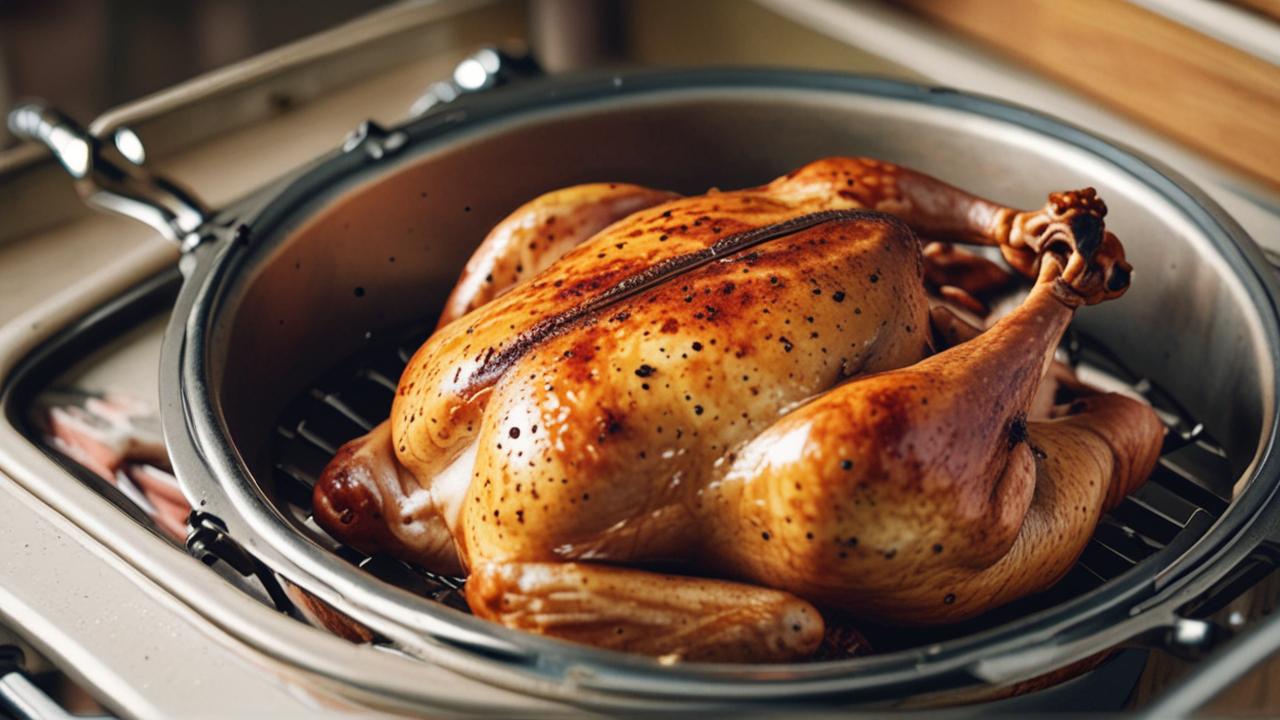
Real-Life Example: Sarah was trying to make a roast chicken. Her thermometer always seemed to read a bit low. After calibrating with an ice bath, she found it read 30°F.
She realized she needed to add 2°F to her target temperatures. Instead of cooking the chicken to 165°F, she aimed for 167°F, and it came out perfectly juicy and safely cooked.
Scenario 2: Reading Fluctuates Wildly
If your thermometer’s reading jumps around a lot, even in a stable ice bath, it could mean a few things. First, check the batteries in your digital thermometer. Low batteries can cause unstable readings.
Also, make sure the probe is fully submerged and not touching the container. If it’s exposed to air, the reading will change. If the problem persists, your thermometer might be faulty.
In this case, it might be time to consider a replacement. For sensitive cooking, a consistently erratic thermometer is worse than no thermometer at all.
Scenario 3: Thermometer Won’t Turn On (Digital)
This is a common problem with digital devices. The most obvious reason is dead batteries. Try replacing them with brand new ones.
Make sure they are inserted correctly, with the positive (+) and negative (-) ends in the right spots. Sometimes, the battery contacts can get a little dirty or corroded.
You can try gently cleaning the battery contacts with a pencil eraser or a cotton swab dipped in a tiny bit of rubbing alcohol. Let them dry completely before putting the batteries back in. If it still won’t turn on, there might be an internal issue with the thermometer, and it might need to be replaced.
Tips for Keeping Your Meat Thermometer Accurate
Once you’ve got your meat thermometer calibrated and working perfectly, you’ll want to keep it that way. A little bit of regular care goes a long way. This helps ensure you get accurate readings every time you cook.
It’s all about building good habits with your tool.
These tips will help extend the life of your thermometer and maintain its precision. Think of it as giving your thermometer a little spa treatment so it can do its best work for you.
- Clean After Every Use: This might seem obvious, but it’s super important. After you’ve finished cooking and taken your thermometer out of the food, give the probe a good wash. Use warm, soapy water. Make sure to rinse it off well. This prevents food particles and grease from building up on the probe. Leftover gunk can affect future readings or even damage the probe over time.
A clean probe ensures that you are getting a true reading of the food’s temperature, not a reading affected by lingering sauces or bits of food. For digital thermometers, also wipe down the handle and display area with a damp cloth. Avoid submerging digital thermometers in water, as this can damage the electronics.
Always dry the probe completely before storing.
- Store Properly: How you store your thermometer matters. Many come with a protective sleeve or case. Use it! This shields the probe from accidental bumps and keeps dust away. Avoid tossing it loosely into a drawer with other utensils, where it can get knocked around. If you have a digital thermometer, store it in a cool, dry place. Extreme temperatures can affect its internal components.
A dedicated spot in a utensil drawer or a specific shelf in your kitchen is ideal. For some thermometers, storing them away from strong magnetic fields is also a good idea, as these can sometimes interfere with electronic components. Keeping the probe covered also prevents it from being scratched, which could compromise its ability to provide accurate readings.
- Regular Calibration Checks: Don’t just calibrate your thermometer once and forget about it. Make it a habit to check its accuracy every few months, or if you notice readings that seem a bit off. The ice bath method is quick and easy to do. This regular checking is your best defense against unexpected calibration issues.
Catching a small drift in accuracy early on is much easier to fix than dealing with a thermometer that’s way off. Think of it as a quick tune-up. It’s a small effort that ensures your thermometer remains a reliable tool for all your cooking adventures, whether you’re grilling burgers or baking a delicate cake.
This proactive approach saves you from potential cooking disasters.
Understanding Thermometer Types and Calibration
Different types of meat thermometers have slightly different calibration needs. Knowing what kind you have helps you troubleshoot better. While the ice bath is common, some specialized thermometers might have their own quirks.
We’ll look at the main types and how they generally work with calibration.
This overview will help you understand your specific tool and how to keep it in top shape for precise cooking.
Dial Thermometers
These are the classic, analog thermometers. They have a dial with a needle that points to the temperature. They are often sturdy and don’t require batteries.
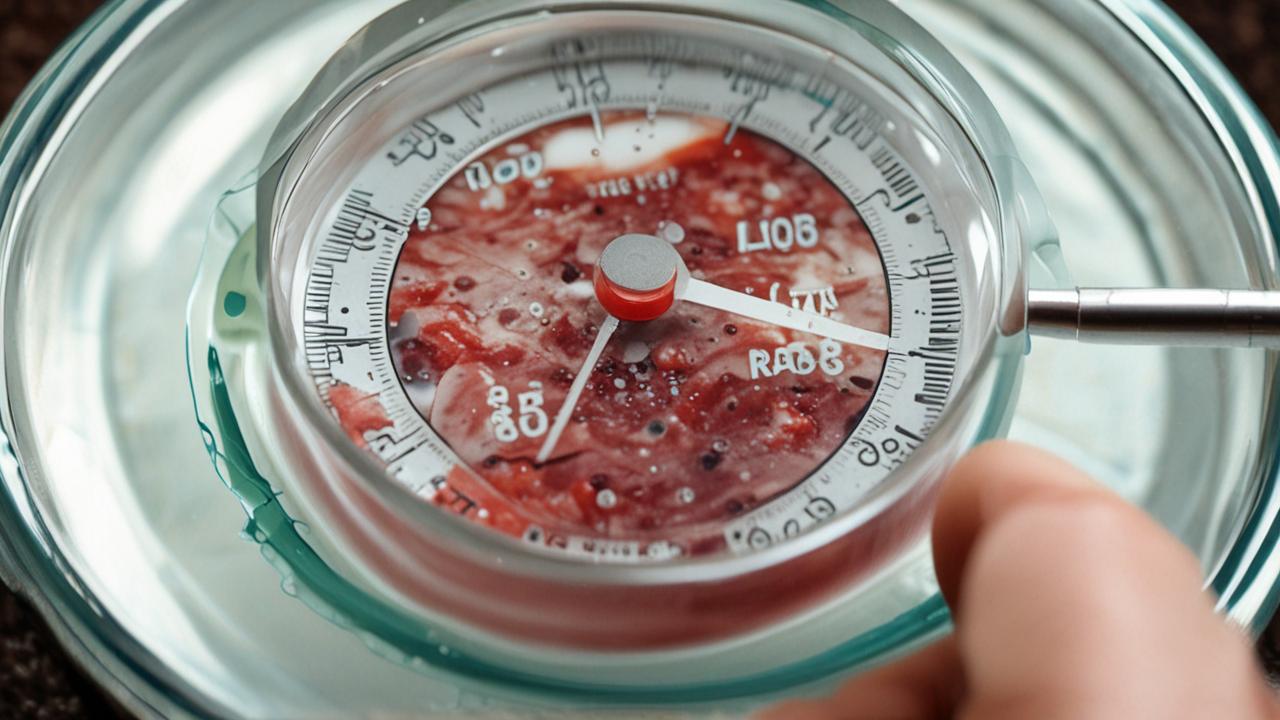
Calibration for dial thermometers usually involves the ice bath method. After testing in the ice bath, you’ll often find a small adjustment screw on the back of the dial. You use a small screwdriver to turn this screw until the needle points exactly to 32°F (0°C).
It’s important to be gentle when adjusting these. Overtightening or forcing the screw can damage the delicate mechanism inside. If the needle still doesn’t move correctly or seems stuck, the internal spring might be broken, and the thermometer may need to be replaced.
Digital Thermometers (Instant-Read)
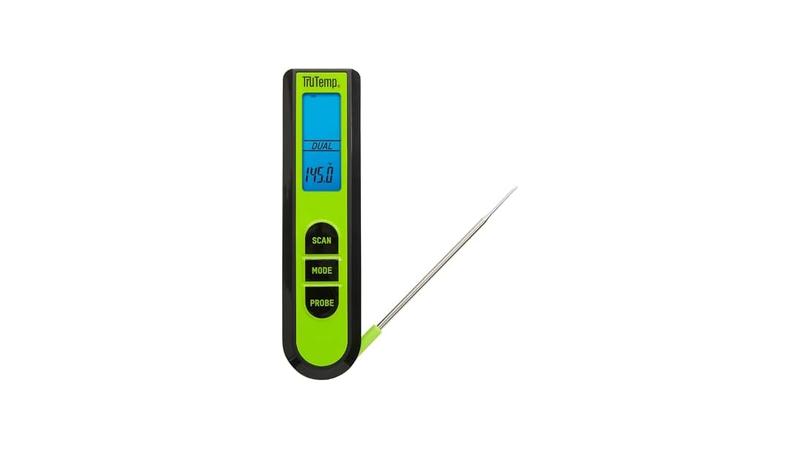
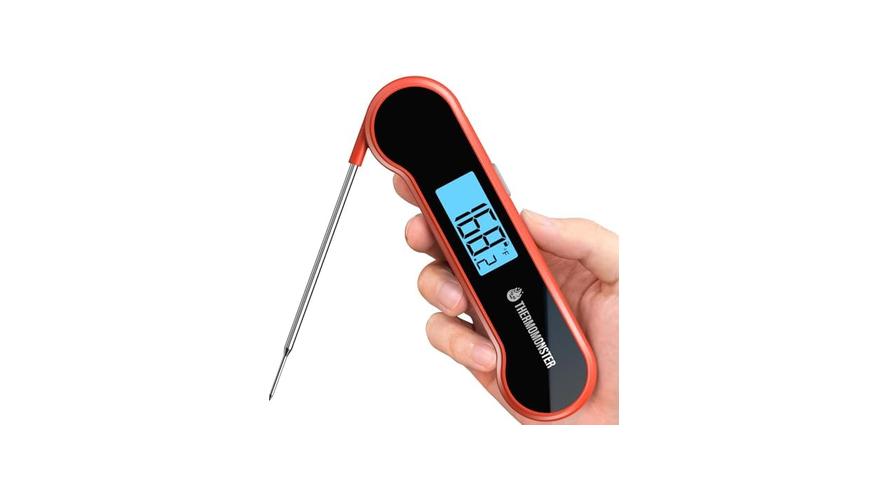
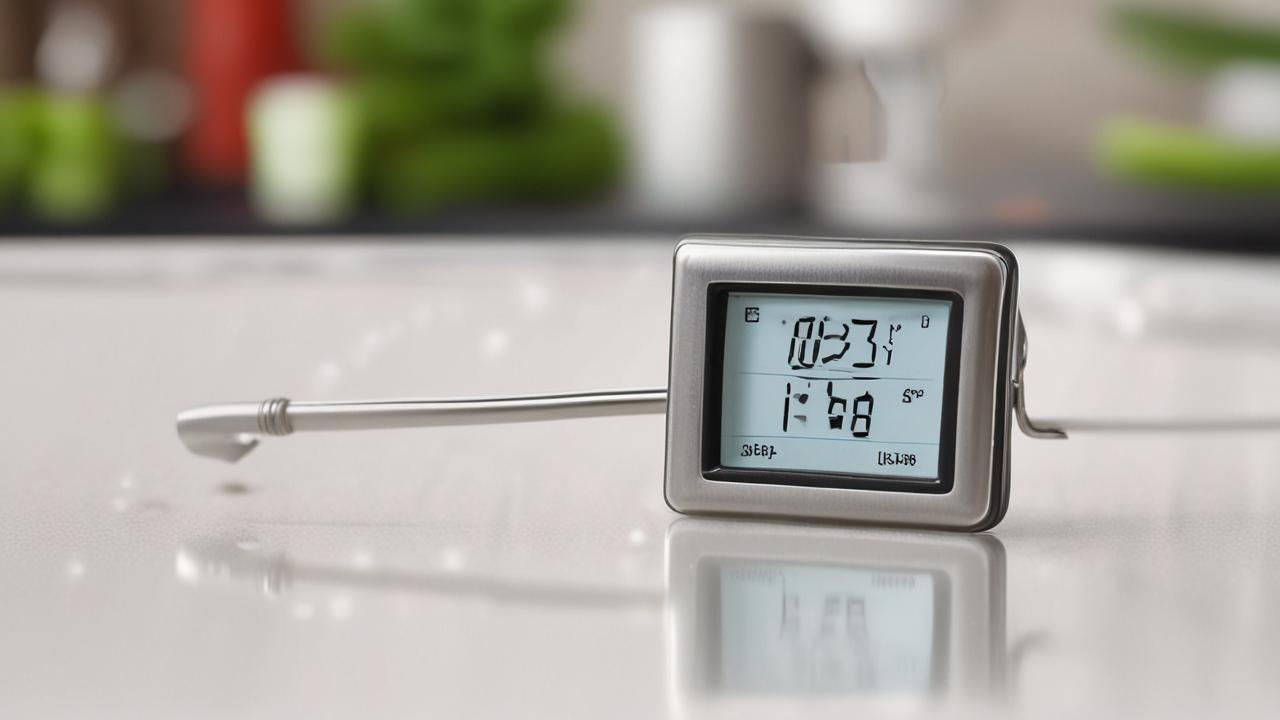
Instant-read digital thermometers are very popular because they give quick, clear readings on an LCD screen. Most of these can be calibrated using the ice bath. Some models have a specific calibration button or mode.
When the thermometer reads 32°F in the ice bath, you press the calibration button to lock in that setting. If your model doesn’t have this feature, you’ll use the ice bath reading to know how much to adjust your cooking temperatures mentally.
Battery life is crucial for digital thermometers. Always use good quality batteries and replace them when they start to get weak. A weak battery can lead to inaccurate or erratic readings.
Keep the probe clean and dry. Water damage is a common issue for electronic devices, so be careful not to submerge the whole unit.
Oven-Safe and Probe Thermometers
These are designed to stay in the oven or grill with the food. They often have a long probe connected to a digital display unit that sits outside. Calibration for the probe part is done similarly to instant-read digital thermometers, usually with an ice bath.
The display unit itself typically doesn’t need calibration.
The main challenge with these is ensuring the probe is still intact and the wire connecting it to the display hasn’t been damaged by heat or wear. Regularly check the wire for kinks or breaks. If the display unit starts showing odd symbols or not turning on, it could be a battery issue or a problem with the unit itself.
Some higher-end models might have a way to reset or recalibrate the probe connection.
When to Replace Your Meat Thermometer
Sometimes, no matter how much you try to calibrate or fix it, a meat thermometer is just past its prime. Knowing when to say goodbye and get a new one is important for your cooking success. A thermometer that’s consistently giving you bad information is worse than useless; it can lead to undercooked or overcooked food.
Here are some signs that it’s time for an upgrade. Don’t feel bad about letting an old, unreliable tool go. A new, accurate thermometer is a great investment for any kitchen.
- Persistent Inaccuracy: If you’ve tried calibrating multiple times using the ice bath method and your thermometer is still consistently off by a significant amount (more than 2-3°F) and cannot be adjusted, it might be time for a new one. This persistent inaccuracy suggests a problem with the internal sensor that can’t be fixed.
For example, if it reads 25°F in an ice bath, it’s 7°F too low. Even if you can add 7°F mentally, the reliability is questionable. Cooking food to the correct temperature is about safety and quality, and a deeply inaccurate thermometer compromises both.
Trust your gut if the readings just don’t feel right after repeated calibration attempts.
- Slow Response Time: Modern digital thermometers are designed to give you a reading within a few seconds. If yours takes a minute or longer to stabilize on a temperature, it could be a sign of a failing sensor or internal issue. This slow response makes it hard to get an accurate reading, especially when dealing with rapidly changing temperatures like when cooking steak or roasts.
A thermometer that takes too long to read can also lead to you leaving food on the heat for too long, potentially overcooking it while you wait for the reading to settle. This defeats the purpose of having an instant-read thermometer in the first place. Aim for a thermometer that provides quick, stable numbers.
- Visible Damage: Cracks in the display, a bent or broken probe, or a frayed wire (for probe thermometers) are all clear signs that your thermometer is damaged. Even minor damage can affect its performance and accuracy. A cracked display might let in moisture, leading to electronic failure. A bent probe might not reach the thickest part of the meat correctly.
If the probe is corroded or has deep scratches, it’s also a sign of wear and tear. Such damage can not only affect accuracy but also make the thermometer harder to clean, leading to hygiene concerns. For safety and accuracy, damaged thermometers should be retired.
Benefits of a Calibrated Meat Thermometer
Having a meat thermometer that’s properly calibrated brings a lot of good things to your kitchen. It’s not just about getting the number right; it’s about the confidence and results that come with it. When you trust your thermometer, your cooking becomes more reliable and enjoyable.
Let’s explore why this simple check makes such a big difference.
A calibrated thermometer is your key to culinary success. It helps ensure food safety, improves the quality of your dishes, and saves you from guesswork. It’s a small step that leads to big improvements in your cooking.
Ensuring Food Safety
This is arguably the most important benefit. Undercooked meat can harbor harmful bacteria like Salmonella and E. coli, which can cause serious food poisoning.
A properly calibrated meat thermometer takes the guesswork out of cooking. It tells you with certainty when meat has reached a safe internal temperature, killing off any dangerous microbes.
For example, poultry needs to reach 165°F (74°C), ground meats need to reach 160°F (71°C), and pork and beef roasts often need to be cooked to at least 145°F (63°C) with a rest time. Without an accurate thermometer, you might pull the meat off too soon, leaving it unsafe. Or you might overcook it significantly just to be sure, resulting in dry, tough food.
Safe Temperature Guidelines
The U.S. Department of Agriculture (USDA) provides clear guidelines for safe internal cooking temperatures for different types of meat. These temperatures are based on extensive research to ensure that harmful bacteria are destroyed.
For instance, whole cuts of beef, pork, lamb, and veal (steaks, chops, roasts) are considered safe at 145°F (63°C) when followed by a three-minute rest period. This rest period allows the temperature to rise slightly and further kill bacteria.
Ground meats, including beef, pork, and lamb, require a higher temperature of 160°F (71°C) because the grinding process can spread bacteria throughout the meat. Poultry, like chicken and turkey (whole or ground), must reach an internal temperature of 165°F (74°C) to ensure all bacteria are eliminated. Fish should reach 145°F (63°C) or until the flesh is opaque and separates easily with a fork.
Knowing these temperatures and having a calibrated thermometer to verify them is crucial for preventing foodborne illnesses. It’s the most reliable way to know your food is safe to eat.
Achieving Perfect Doneness
Beyond safety, calibration helps you achieve the exact doneness you desire for your meals. Whether you like your steak rare, medium, or well-done, a precise thermometer is your best friend. It allows you to hit those perfect temperatures that result in juicy, tender, and flavorful meat every single time.
This precision is especially important for more expensive cuts of meat or delicate dishes where overcooking can easily ruin the texture and taste. A calibrated thermometer ensures you’re not just guessing; you’re cooking with science and expertise.
Examples of Precise Cooking
Consider cooking a Thanksgiving turkey. A perfectly cooked turkey is moist and tender, with crispy skin. If your thermometer is off, you might end up with a dry, overcooked bird or, worse, a bird that’s still pink in places.
Calibrating your thermometer ensures you know exactly when the thickest part of the thigh reaches the safe 165°F (74°C), while the breast is still wonderfully moist.
Another great example is grilling steaks. For a medium-rare steak, you’re aiming for an internal temperature of around 130-135°F (54-57°C). A reliable thermometer lets you pull the steak off the grill at precisely the right moment, accounting for carryover cooking as it rests.
This consistent precision is what separates good home cooks from great ones.
When baking, especially items like cheesecakes or custards, an accurate thermometer helps prevent cracking or a rubbery texture. Knowing the center has reached the correct temperature, often around 170-175°F (77-79°C), ensures a smooth, creamy result. The confidence that comes from accurate readings allows for culinary experimentation and consistent success.
Saving Time and Reducing Waste
When your thermometer is accurate, you spend less time worrying about whether your food is cooked. You can trust the reading and move on. This efficiency is a big win, especially when you’re busy or entertaining guests.
Also, by not overcooking food trying to guess if it’s done, you reduce waste. Perfectly cooked meals mean no more throwing away dried-out roasts or tough chicken.
A calibrated thermometer helps you get it right the first time. This saves both ingredients and your valuable time. It leads to more successful meals and less stress in the kitchen.
It’s a simple tool that makes a big difference in your cooking efficiency.
Reducing Food Waste
Imagine you’re cooking a prime rib roast. It’s a significant investment. If you guess the temperature and it comes out overcooked and dry, that’s a lot of wasted money and food.
An accurate thermometer ensures you hit that perfect medium-rare, keeping the roast tender and delicious. This directly translates to less food ending up in the bin.
The same goes for smaller items. Overcooked chicken breasts become tough and unappetizing, often leading to them being discarded. By using a calibrated thermometer, you can cook chicken to its ideal internal temperature, ensuring it’s safe and still tender and juicy.
This attention to detail not only saves you money but also contributes to a more sustainable approach to cooking and eating.
Frequently Asked Questions
Question: How often should I calibrate my meat thermometer?
Answer: It’s a good idea to calibrate your meat thermometer every few months. You should also calibrate it if you’ve dropped it or if you suspect its readings are off. Regular checks ensure accuracy.
Question: What is the most common calibration temperature?
Answer: The most common calibration temperature is the freezing point of water, which is 32°F (0°C). This is why the ice bath method is so popular.
Question: Can I calibrate a dial thermometer?
Answer: Yes, you can calibrate most dial thermometers. After testing in an ice bath, you can usually adjust a small screw on the back to set it to 32°F.
Question: What if my digital thermometer won’t turn on?
Answer: First, try replacing the batteries with new ones. Make sure they are inserted correctly. If that doesn’t work, clean the battery contacts gently.
If it still won’t turn on, the thermometer might need to be replaced.
Question: Is it okay if my thermometer is off by 1 degree Fahrenheit?
Answer: A 1-degree difference is usually not a big deal for most cooking. However, for very precise tasks or if you want the absolute best results, calibrating to be exactly on is ideal. If it’s consistently off by more than a couple of degrees, it’s worth recalibrating or checking for damage.
Summary
When your meat thermometer calibration is not working, don’t fret. We’ve shown you why it happens and how to fix it easily. A simple ice bath test and careful adjustment will get it reading accurately.
Keeping it clean and storing it well helps maintain its precision. Trust your calibrated thermometer for safe, delicious meals every time.