Many folks starting out with smoking meat find that knowing when their food is perfectly cooked can be a bit tricky. That’s why understanding How to Use Meat Thermometer for Smoker is super important. It might seem like a lot at first, but we’ll break it down step-by-step to make it easy for everyone.
We’ll show you exactly what to do so your smoking adventures turn out delicious every time. Get ready to learn how to check your food perfectly!
Why a Meat Thermometer is Your Smoker’s Best Friend
Using a meat thermometer is essential for anyone who wants to smoke food perfectly. It’s not just about knowing if the food is cooked; it’s about knowing it’s cooked safely and to the best possible taste and texture. For beginners, this tool can feel a bit mysterious, leading to undercooked or overcooked meals.
But with a little guidance, it becomes your most trusted cooking companion. We’ll cover why it’s so important and how it helps you achieve amazing results. This section will set the stage for all the practical advice to come.
Ensuring Food Safety
Food safety is a big deal, especially when cooking meats like pork, chicken, or beef. Different meats have different safe internal temperatures they need to reach to kill harmful bacteria. Using a thermometer takes the guesswork out of this.
You won’t have to guess if your chicken is done or if your pork roast is safe to eat. It gives you peace of mind knowing you’re serving food that’s both delicious and safe for your family and friends.
- Preventing Foodborne Illnesses: This is the most critical reason. Bacteria like salmonella and E. coli can be present in raw meat. Cooking meat to the correct internal temperature kills these harmful microorganisms, making the food safe to consume. Without a thermometer, you’re relying on visual cues, which can be misleading.
- Accurate Temperature Readings: A meat thermometer provides a precise measurement of the internal temperature of your food. This accuracy is crucial because different types of meat and even different cuts of the same meat require specific temperatures to be safely cooked and enjoyable. Relying on touch or cooking time alone can lead to dangerous undercooking or dry, tough overcooking.
- Consistency in Cooking: Once you know how to use your thermometer, you can achieve consistent results every time you smoke. This means your favorite recipes will turn out the same delicious way, whether you’re cooking for a small family dinner or a large gathering. Consistency builds confidence in your smoking skills.
Achieving Perfect Doneness
Beyond safety, a meat thermometer helps you hit that sweet spot for flavor and texture. Every type of meat has an ideal internal temperature for the best eating experience. For example, a pork shoulder cooked to a certain temperature will be tender and shreddable, while cooking it only a little hotter can make it dry.
Similarly, steak has a range of temperatures for rare, medium-rare, medium, and well-done. A thermometer ensures you achieve your desired level of doneness every single time.
- Optimal Texture: For tougher cuts of meat that benefit from slow cooking, like brisket or pulled pork, reaching specific internal temperatures allows the connective tissues to break down, resulting in incredibly tender and moist meat. This process is key to achieving that melt-in-your-mouth texture that smokers are famous for.
- Juiciness Preservation: Overcooking is a common pitfall that leads to dry, tough meat. A thermometer helps you pull your meat off the smoker at precisely the right moment, before it loses too much moisture. This is vital for preserving the natural juices within the meat, ensuring it remains succulent and flavorful.
- Flavor Development: While cooking, meats undergo chemical changes that enhance their flavor. Hitting the right internal temperatures allows these flavor compounds to develop optimally. For instance, the Maillard reaction and caramelization contribute to the rich, savory taste of smoked meats, and these processes are best managed when you can accurately monitor the internal temperature.
Understanding Different Types of Meat Thermometers
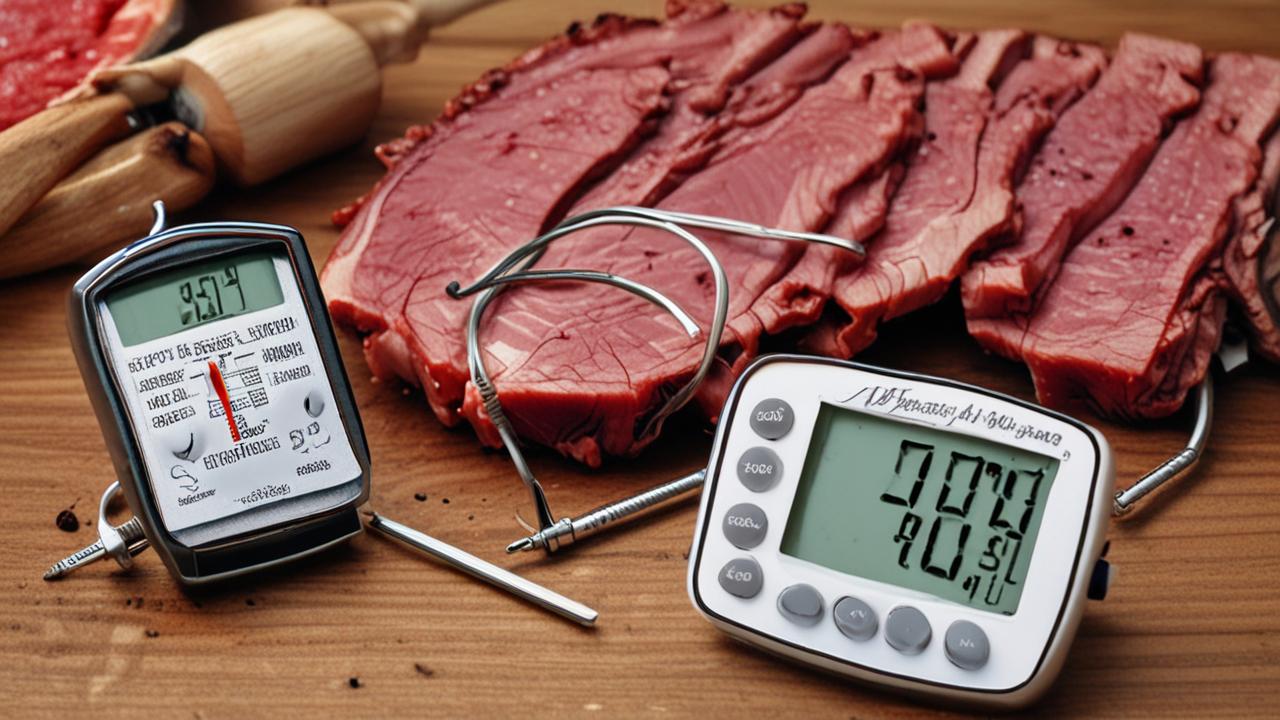
When you’re first learning How to Use Meat Thermometer for Smoker, you’ll notice there isn’t just one kind. Each type has its own features and best uses. Some are super fast, while others let you monitor your food from afar.
Picking the right one can make a big difference in your smoking experience. We’ll explore the most common types and what makes each one special, so you can choose the best tool for your smoking needs.
Instant-Read Thermometers
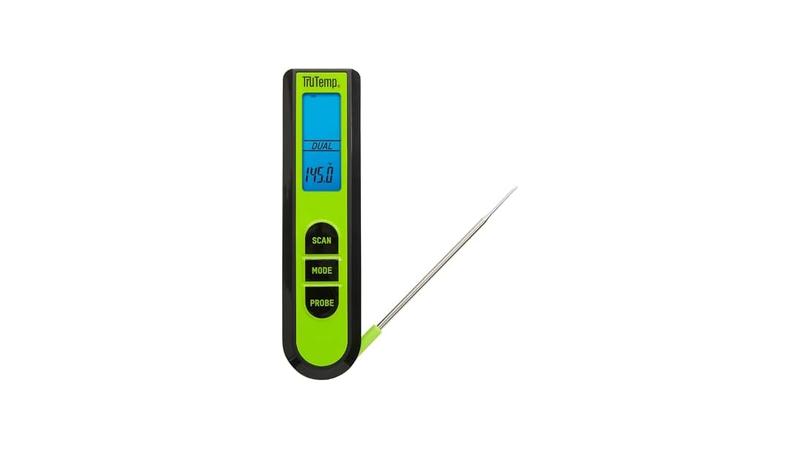
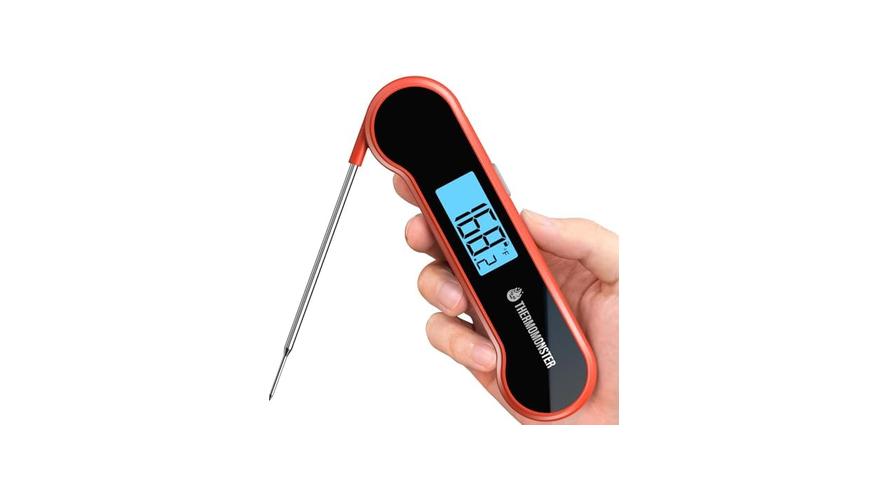
These are the workhorses for quick checks. You insert the probe into the meat, and it gives you a reading in a few seconds. They are great for quickly checking if your food is nearing its target temperature or for spot-checking multiple pieces of meat.
Their speed makes them invaluable during busy cooking times.
- Rapid Readings: As the name suggests, instant-read thermometers provide temperature readings very quickly, often within 3 to 10 seconds. This speed is essential when you need to check the internal temperature of meat without letting too much heat escape from the smoker or oven.
- Portability and Ease of Use: Most instant-read thermometers are compact and easy to handle. They typically have a digital display and a protective sheath for the probe, making them convenient to carry around and use for various cooking tasks, not just smoking.
- Versatility: While excellent for smokers, these thermometers are also useful for grilling, baking, candy making, and general kitchen use. Their ability to provide quick, accurate readings makes them a versatile tool for any home cook.
Leave-In Thermometers (Wired Probes)
These thermometers have a probe that stays in the meat throughout the cooking process, and a cable connects it to a base unit outside the smoker. This is fantastic because you don’t have to open the smoker lid to check the temperature, which helps maintain a consistent smoking temperature. You can monitor the progress from a distance.
- Continuous Monitoring: Leave-in thermometers allow you to monitor the internal temperature of your food without opening the smoker lid. This is crucial for maintaining a stable cooking temperature, which is vital for successful smoking. Frequent opening of the lid can significantly prolong cooking times.
- Remote Monitoring: Many models come with a receiver that you can carry with you, allowing you to monitor the food’s temperature from across the yard or inside your house. This feature offers great convenience and freedom while smoking.
- Alarm Functions: Some advanced leave-in thermometers have programmable alarms that alert you when the meat reaches a set temperature or when the ambient temperature in the smoker fluctuates too much. This proactive notification system helps prevent overcooking and ensures your food is cooked to perfection.
Wireless and Bluetooth Thermometers
These are the modern marvels. Similar to leave-in thermometers, they have probes that stay in the meat. However, they communicate wirelessly with a smartphone app.
This gives you even more freedom to monitor your food’s temperature, view graphs of the cooking process, and receive alerts on your phone, no matter where you are.
- Advanced Connectivity: Wireless and Bluetooth thermometers connect to your smartphone or tablet via an app. This allows for convenient monitoring of your food’s temperature and the smoker’s ambient temperature from a distance, often up to 300 feet or more depending on the model.
- Real-time Data and Alerts: The accompanying apps usually provide real-time temperature readings, cooking graphs, and custom alerts. You can set notifications for when your food reaches a certain temperature or if the smoker’s temperature goes outside your desired range, helping you stay in control.
- Multiple Probes: Many wireless systems support multiple probes, allowing you to monitor several cuts of meat simultaneously. This is incredibly useful when cooking different types of food or multiple racks of ribs.
Step-by-Step Guide: How to Use Meat Thermometer for Smoker
Now that you know the types, let’s get practical. Learning How to Use Meat Thermometer for Smoker is all about a few simple steps. We’ll walk through how to prepare your thermometer, where to insert it for the most accurate reading, and how to interpret the results.
This hands-on guide will make you feel confident every time you fire up your smoker. Follow along, and you’ll be a pro in no time.
Preparing Your Thermometer
Before you even think about inserting the thermometer, it needs to be ready. This usually means checking the batteries if it’s digital and making sure the probe is clean. For instant-read models, you might need to calibrate them sometimes to ensure accuracy.
A little preparation goes a long way for getting reliable readings.
- Read the Manual: Every thermometer is a bit different. The first and most important step is to read the manufacturer’s instructions. This will tell you specific details about your model, like how to change batteries, calibrate, or set alarms.
- Battery Check: For digital thermometers, ensure the batteries are fresh. Low batteries can cause inaccurate readings or prevent the device from turning on. It’s a good idea to have spare batteries handy for those longer smoking sessions.
- Cleaning the Probe: Always start with a clean probe. Wash it with warm, soapy water and dry it thoroughly before use. After use, clean it again to prevent food residue from affecting future readings or causing contamination.
- Calibration (If Applicable): Some thermometers, especially instant-read ones, can be calibrated. The manual will explain how. A common method is the ice water bath test or boiling water test to ensure the thermometer reads 32°F (0°C) in ice water or 212°F (100°C) in boiling water.
Finding the Right Spot for the Probe
Where you place the probe is super important for getting an accurate temperature. You want to measure the thickest part of the meat, away from any bones or large pockets of fat. Bones can give a false reading because they are hotter than the meat.
The thickest part is usually the last to reach the target temperature.
- Thickest Part of the Meat: Always aim for the thickest portion of the meat. This is where the temperature will be the lowest during cooking, and therefore, it’s the last part to reach your desired doneness. Measuring here ensures the entire piece of meat is safely cooked.
- Avoid Bones and Fat: Never insert the probe directly next to or touching a bone. Bones conduct heat differently than meat and can give you a higher, inaccurate reading. Similarly, avoid large pockets of fat, as fat also cooks differently and can skew the results.
- Center of the Meat: For larger cuts like roasts or whole poultry, aim for the very center. If you’re cooking multiple items, try to get a reading from the piece that is likely to cook slowest.
- Multiple Readings: For large cuts or when you’re unsure, it’s wise to take several readings in different spots to get an average or confirm consistency. This is particularly true if you are using an instant-read thermometer and want to double-check.
Monitoring and Reading the Temperature
Once the probe is in, watch the display. For instant-read models, wait a few seconds for the number to stabilize. For leave-in or wireless thermometers, check the base unit or your app regularly.
Know your target temperatures for the type of meat you’re smoking. Different meats and even different cuts need different temperatures to be perfectly cooked.
- Wait for Stabilization: Whether using an instant-read or a leave-in thermometer, give the reading a moment to stabilize. Temperatures can fluctuate slightly as the probe settles into the meat.
- Know Your Target Temperatures: Familiarize yourself with the safe and ideal internal temperatures for various meats. For example, chicken should reach 165°F (74°C), pork shoulder for pulled pork typically needs to reach 195-205°F (90-96°C) for shreddability, and beef brisket often aims for 200-205°F (93-96°C).
- Interpreting Readings: A thermometer gives you a data point. Use this data along with your knowledge of the meat and your smoker. Sometimes meat can “feel” done before it registers the right temperature, or it might register the temperature but still need more time to tenderize.
- Pull Temperature vs. Final Temperature: For smoking, it’s common to pull the meat a few degrees below its final target temperature. This is because the temperature will continue to rise as the meat rests, a process called carryover cooking. This prevents overcooking and keeps the meat moist.

Troubleshooting Common Thermometer Issues
Even with the best thermometer, you might run into a few hiccups. This section is all about solving those little problems so you can get back to smoking. We’ll cover common issues like inaccurate readings or digital displays not working.
Having these solutions handy means your smoker sessions will be smoother.
Inaccurate Readings
If your thermometer seems to be giving readings that don’t make sense, there are a few things to check. It could be how you’re using it, a calibration issue, or even a faulty unit. Most of the time, it’s an easy fix.
- Incorrect Probe Placement: As discussed, placing the probe too close to a bone, a major fat pocket, or near the edge of the meat can lead to inaccurate readings. Always aim for the thickest, most central part of the muscle tissue, away from any extremities or dense fat.
- Calibration Drift: Digital thermometers, especially those used frequently or exposed to extreme temperatures, can sometimes drift from their calibration. Performing a calibration check using ice water or boiling water (as per your manual) can identify if this is the issue.
- Low Battery: A dying battery is a frequent culprit for erratic or low readings on digital thermometers.
- Damaged Probe: If the probe itself is bent, scratched, or has visible damage, it might not be making proper contact internally or could be damaged. Inspect the probe for any signs of wear and tear.
Digital Display Problems
Sometimes, the screen on your digital thermometer might act up. This can be anything from not lighting up to showing strange symbols. These issues often have simple explanations.
- No Display or Dim Display: This is most often a battery issue. Ensure the batteries are correctly inserted and are new. Clean the battery contacts on both the battery and the device itself with a pencil eraser or a dry cloth.
- Garbled or Flickering Display: This can also be a sign of weak batteries or a loose battery connection. Sometimes, extreme temperatures (very hot or very cold) can affect digital displays temporarily.
- Unresponsive Buttons: If the buttons aren’t working, check for any debris stuck around them. If it’s a digital device, try removing the batteries for a minute and reinserting them to reset the device.
- Error Codes: Some advanced thermometers will display error codes (like “Err” or specific numbers). Consult your user manual to understand what these codes mean, as they often point to specific problems like a probe malfunction or communication error.
Issues with Leave-In or Wireless Thermometers
These more complex tools can sometimes have connectivity or signal issues. Understanding these potential problems can save you a lot of frustration.
- Signal Interference: Wireless signals can be blocked by thick walls, metal objects, or even other electronic devices. Try moving closer to the smoker or base unit, or remove potential sources of interference. Ensure the antenna on the transmitter and receiver (if applicable) are not obstructed.
- Range Limitations: Every wireless thermometer has a stated range. If you are too far away from the smoker, the signal will be lost. Keep within the recommended range specified by the manufacturer.
- Probe Not Reading: If a probe is not registering any temperature, first check that it is securely plugged into the transmitter or base unit. Also, ensure the probe cable itself is not damaged or kinked.
- Connectivity Issues with App: For Bluetooth or Wi-Fi thermometers, ensure your phone’s Bluetooth or Wi-Fi is turned on and that you are using the correct app. Sometimes, restarting the app, your phone, or the thermometer’s transmitter can resolve connectivity glitches.
Using Your Thermometer with Different Smoker Types
The principles of How to Use Meat Thermometer for Smoker are the same no matter what kind of smoker you have, but there are slight considerations. Whether you use a charcoal, electric, or pellet smoker, the goal is always to get that accurate internal temperature reading. We’ll briefly touch on how your smoker type might influence your thermometer use.
Charcoal Smokers
With charcoal smokers, temperature management is hands-on. You’re constantly adjusting vents and coal. This is where a good leave-in thermometer is invaluable, so you don’t have to keep opening the lid and losing heat while you check the meat’s temperature.
- Ambient Temperature Management: Charcoal smokers require active temperature control. A leave-in thermometer with a separate probe for ambient temperature is highly recommended. This allows you to monitor both the temperature of the smoker and the internal temperature of the meat without disturbing the fire.
- Frequent Checks Might Be Needed: Because charcoal fires can fluctuate, you might find yourself checking the ambient temperature more often. However, rely on your meat probe for the food’s doneness, rather than guessing by how the fire looks.
- Probe Placement for Safety: Ensure the probe cable from your leave-in thermometer is routed carefully so it doesn’t get pinched or damaged by the lid or the heat source. Avoid placing it directly over glowing coals.
Electric Smokers
Electric smokers are generally easier to maintain a consistent temperature. You set a dial, and it does the work. This makes them great for beginners, and your meat thermometer is primarily for checking the food’s internal temperature, not as much for managing smoker heat.
- Consistent Heat: Electric smokers typically provide a more stable cooking environment. This means you can focus more on the meat’s internal temperature and less on adjusting smoker heat.
- Using Leave-In Thermometers: A leave-in thermometer is still very useful to avoid opening the smoker. You can monitor the meat’s progress from the control unit or a remote receiver/app.
- Checking for Hot Spots: Even in electric smokers, some models might have hot spots. If you are smoking multiple items, using an instant-read thermometer to check different pieces periodically can ensure even cooking.
Pellet Grills and Smokers
Pellet grills are known for their ease of use and temperature control. They often come with built-in thermometers, but an external meat thermometer provides a more accurate reading of the food’s actual internal temperature, which is key for perfection.
- Digital Precision: Pellet grills offer precise digital temperature control. Many have built-in thermometers, but these often measure the grill’s ambient temperature near the lid, which can differ from the actual temperature at grate level.
- Importance of External Thermometer: For critical doneness, an external meat thermometer (instant-read or leave-in) is still recommended. It provides the most accurate reading of the meat’s core temperature, ensuring food safety and ideal texture.
- Probe Routing: Similar to electric smokers, be mindful of how you route the probe cable for leave-in thermometers to prevent damage. Ensure the lid seals properly around the cable.
Tips for Perfect Smoking with Your Thermometer
To wrap up our discussion on How to Use Meat Thermometer for Smoker, let’s talk about a few extra tips. These little tricks can make your smoking experience even better. They focus on planning, patience, and using your thermometer wisely.
- Plan Your Target Temperatures: Before you start cooking, know the target internal temperatures for your specific cut of meat. Research recommended temperatures for tenderness, juiciness, and safety. Have this information ready, perhaps even written down.
- Allow for Carryover Cooking: Remember that meat continues to cook after you remove it from the smoker. This “carryover cooking” can raise the internal temperature by 5 to 10 degrees Fahrenheit (3 to 5 degrees Celsius). Plan to pull your meat a few degrees shy of its final target temperature to avoid overcooking.
- Rest Your Meat: After smoking, let your meat rest. This allows the juices to redistribute throughout the meat, resulting in a more tender and moist final product. Typically, larger cuts need to rest for at least 15-30 minutes, sometimes longer. Your thermometer readings will be more accurate after the meat has rested for a bit.
- Don’t Rely Solely on Time: Cooking times for smoked meats can vary greatly depending on the thickness of the meat, the temperature of your smoker, and even the weather. Always use your thermometer as the primary guide for doneness, rather than relying solely on the clock.
- Keep Notes: For each smoking session, consider jotting down notes about the meat, the temperatures you achieved (both smoker and internal), the cooking time, and the final results. This practice helps you learn and replicate successful cooks.
Frequently Asked Questions
Question: How do I know if my meat thermometer is accurate?
Answer: You can test your meat thermometer’s accuracy using an ice water bath. Fill a glass with ice and water. Stir it well and let it sit for a few minutes.
Insert your thermometer probe into the water, making sure it doesn’t touch the sides or bottom of the glass. A properly calibrated thermometer should read 32°F (0°C).
Question: Can I use the same thermometer for raw chicken and beef?
Answer: Yes, you can use the same meat thermometer for different types of meat. However, it’s crucial to clean the probe thoroughly with hot, soapy water and dry it completely between uses, especially after checking raw poultry, to prevent cross-contamination.
Question: Should I take the temperature in multiple spots?
Answer: For larger cuts of meat or whole poultry, it is a good idea to take the temperature in a few different spots, particularly in the thickest part of the meat, to ensure it’s cooked evenly and reaches the safe internal temperature throughout.
Question: What does “carryover cooking” mean for my meat?
Answer: Carryover cooking is the process where the internal temperature of meat continues to rise after it’s removed from the heat source. This happens because the residual heat within the meat continues to cook it. It’s why you often pull meat a few degrees before its final target temperature.
Question: How often should I check the temperature of my meat while smoking?
Answer: For instant-read thermometers, check every hour or so, especially as you get closer to the target temperature. For leave-in thermometers, you can monitor them more continuously, but avoid opening the smoker lid unnecessarily. Check more frequently when the meat is within 10-15 degrees of its target.
Final Thoughts
Mastering How to Use Meat Thermometer for Smoker is key to delicious, safe, and perfectly cooked barbecue. You now know the types of thermometers, where to place the probe, and how to read the results. Keep practicing these simple steps, and your smoked creations will impress everyone.
Happy smoking!