Keeping your kitchen tools in good shape makes cooking easier and more enjoyable. Sometimes, figuring out How to Store a Meat Thermometer Safely can seem tricky, especially if you’re new to cooking or just got your first good thermometer. You want it to be ready when you need it, not hidden away or broken.
Don’t worry! We’ll walk through this together with simple steps that will make storing your thermometer a breeze. Let’s get your thermometer stored just right so it lasts a long time.
Why Proper Meat Thermometer Storage Matters
Storing your meat thermometer correctly is super important for a few big reasons. First off, it helps keep your thermometer working well for a long time. If you just toss it in a drawer, the probe could get bent or broken.
This can make it hard to get an accurate temperature reading, which is the whole point of having one! Also, keeping it clean is easier when it has its own spot. You won’t have to worry about food bits from other utensils getting on it.
Plus, when you know exactly where it is and that it’s safe, you’ll grab it more often for perfect cooking.
Protecting the Probe
The probe is the most sensitive part of your meat thermometer. It’s the long metal part that goes into the food. It needs to be protected so it doesn’t bend, break, or get scratched.
A bent probe can lead to inaccurate readings. Imagine trying to cook a turkey and thinking it’s done, only to find out later it wasn’t cooked through because the thermometer was off! That’s a food safety risk, and nobody wants that.
Protecting the probe means it stays sharp and straight, giving you reliable temperatures every time.
- Keep it in its original case: Many meat thermometers come with a protective sleeve or case. This is usually the best place to store it. It’s designed to keep the probe safe from bumps and scrapes. Think of it like a little shield for your thermometer’s most important part.
- Avoid loose drawers: Don’t just throw your thermometer into a messy kitchen drawer with knives and other sharp objects. This is a recipe for disaster. The probe can easily get damaged if it’s banging around with other tools.
- Use a dedicated spot: Find a specific place in your kitchen for your thermometer. This could be a separate utensil holder, a clean shelf in a cabinet, or even a special spot in a drawer organizer. Knowing where it belongs makes it less likely to get lost or damaged.
Ensuring Accuracy
A thermometer’s main job is to give you an accurate temperature reading. If it’s not stored properly, its accuracy can suffer. For example, if the probe is bent, it might not reach the center of the meat properly.
This means you could be reading the temperature of a cooler part of the food. Extreme temperatures can also affect some digital thermometers over time if they are not stored in a climate-controlled environment. Keeping it safe and sound helps maintain the calibration and overall precision of your thermometer.
Food Safety First
Proper storage directly impacts food safety. When your thermometer probe is exposed or dirty, it can transfer bacteria to your food. This is the opposite of what you want!
A clean, protected probe helps ensure that the temperature readings you get are reliable, which is essential for cooking meats to safe internal temperatures. For instance, chicken needs to reach 165°F (74°C) to be safe to eat. If your thermometer is off, you might serve undercooked chicken, leading to illness.
Keeping your thermometer clean and its probe in good condition is a key step in preventing foodborne illnesses.
Best Practices for Storing Your Meat Thermometer
When we talk about storing your meat thermometer, it’s all about being smart and careful. This section will cover the best ways to keep your thermometer in top condition so it’s always ready for action. We’ll look at different types of thermometers and how to store them, along with some handy tips that will make your life easier in the kitchen.
Getting this right means your thermometer will be a reliable kitchen buddy for years to come, always giving you the temperature readings you need.
Storing Digital Meat Thermometers
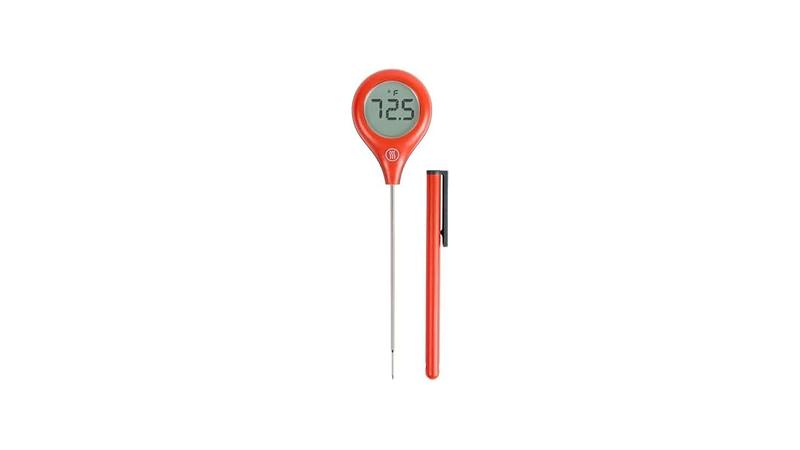
Digital meat thermometers are popular because they are fast and easy to read. They often come with a protective sheath for the probe. It’s really important to use this sheath when the thermometer isn’t in use.
Some digital thermometers have batteries, so you should store them in a place where they won’t get too hot or too cold. Extreme temperatures can affect battery life and even the electronic components over time. Keep them away from the oven or near very hot surfaces when they are not in use.
- Use the probe cover: Always place the protective cover back on the probe after cleaning and drying your digital thermometer. This prevents accidental damage and keeps the probe clean.
- Battery care: If your thermometer uses batteries, it’s a good idea to remove them if you plan to store it for a very long time, like a few months. This prevents battery leakage, which can damage the thermometer.
- Avoid extreme temperatures: Digital components can be sensitive. Don’t leave your thermometer in a hot car or a freezing garage. A cool, dry place is ideal for storing it.
Storing Dial Meat Thermometers
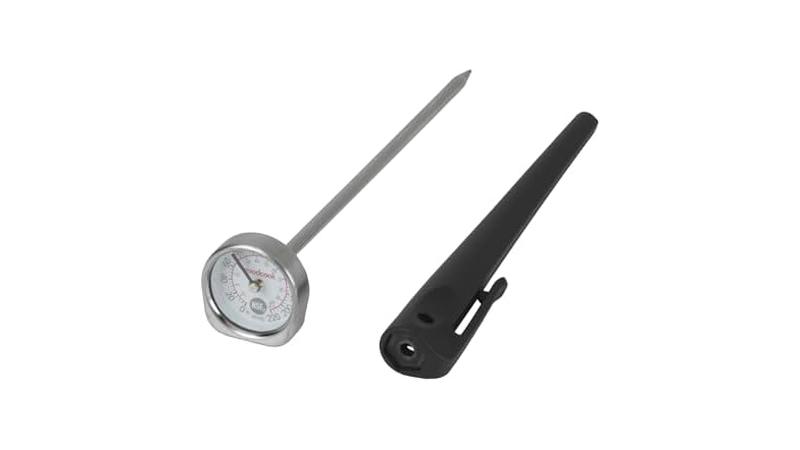
Dial thermometers, the ones with a needle and a round dial, are simpler but still need care. Their probes can also bend or get damaged. Because they don’t have batteries or electronic parts, they are a bit more forgiving with temperature.
However, you still need to protect the probe. A common issue with dial thermometers is that the needle can get stuck or become less accurate if the thermometer is dropped or mishandled. Storing it in a way that prevents impact is key.
- Protect the dial face: The dial itself can get scratched or dirty. Storing it in a case or a dedicated slot in a utensil organizer helps keep the display clear and readable.
- Prevent probe bending: Just like digital thermometers, the probe on a dial thermometer is vital. Ensure it’s not pressed against hard objects or bent during storage.
- Regular calibration check: While not directly storage, it’s good practice to check the calibration of your dial thermometer now and then. Improper storage can sometimes affect its accuracy over time, so a quick check ensures it’s still reliable.
Storing Instant-Read Thermometers
Instant-read thermometers are designed for quick temperature checks. They are usually digital and very popular. Their slim design means they can easily be stored in a variety of places.
However, their speed and ease of use can sometimes lead to them being handled less carefully. The thin probes are delicate. A good sheath or case is essential for their long-term care.
Think of them as precision instruments that need a bit of TLC to perform at their best.
- The sheath is your best friend: This is arguably the most important accessory for an instant-read thermometer. Use it every single time you put the thermometer away.
- Drawer organizers: These thermometers are often small enough to fit into compartmented drawer organizers. This keeps them from rolling around or getting bumped by other utensils.
- Handle with care: Even though they are quick, remember they are precision tools. Avoid using them to stir thick stews or pry things open. Store them with the respect they deserve.
Storing Thermometers with Wires (Oven-Safe)
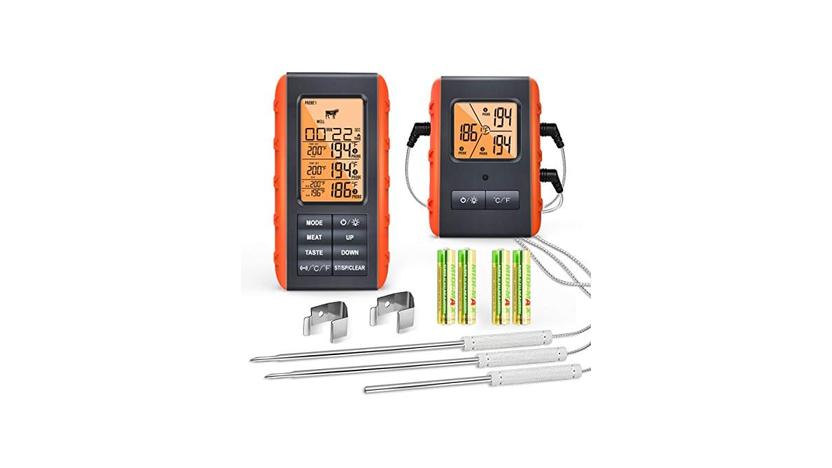
Thermometers with wires, often used for roasting, have a probe that stays in the meat and a display unit that sits outside the oven. Storing these requires care for both parts. The wire itself can get kinked or frayed, which can ruin the connection and the thermometer’s function.
The probe needs protection, and the display unit should be kept safe from drops or damage. Finding a place that accommodates both the wire and the display unit is key to keeping this type of thermometer in good working order.
- Coil the wire gently: Don’t wrap the wire around the thermometer tightly, as this can stress the connection points. Use a gentle, loose coil. Some models come with a clip or tie to help manage the wire.
- Protect the probe tip: Ensure the probe tip is protected, either by its original sheath or by being stored in a way that it can’t be accidentally poked or bent.
- Store the display unit separately if needed: If the display unit is bulky or you have limited space, you might store it near the oven or in a kitchen drawer, while the probe and wire are stored together. Just make sure they are reunited easily when needed.
Where to Store Your Meat Thermometer
Knowing how to store your meat thermometer is one thing, but knowing where to put it is just as important. You want a spot that’s convenient, safe, and keeps your thermometer in good condition. Let’s explore some excellent places where your thermometer can live when it’s not busy making sure your food is perfectly cooked and safe to eat.
Having a designated home for it makes everything simpler and helps protect your investment.
Kitchen Drawers and Organizers
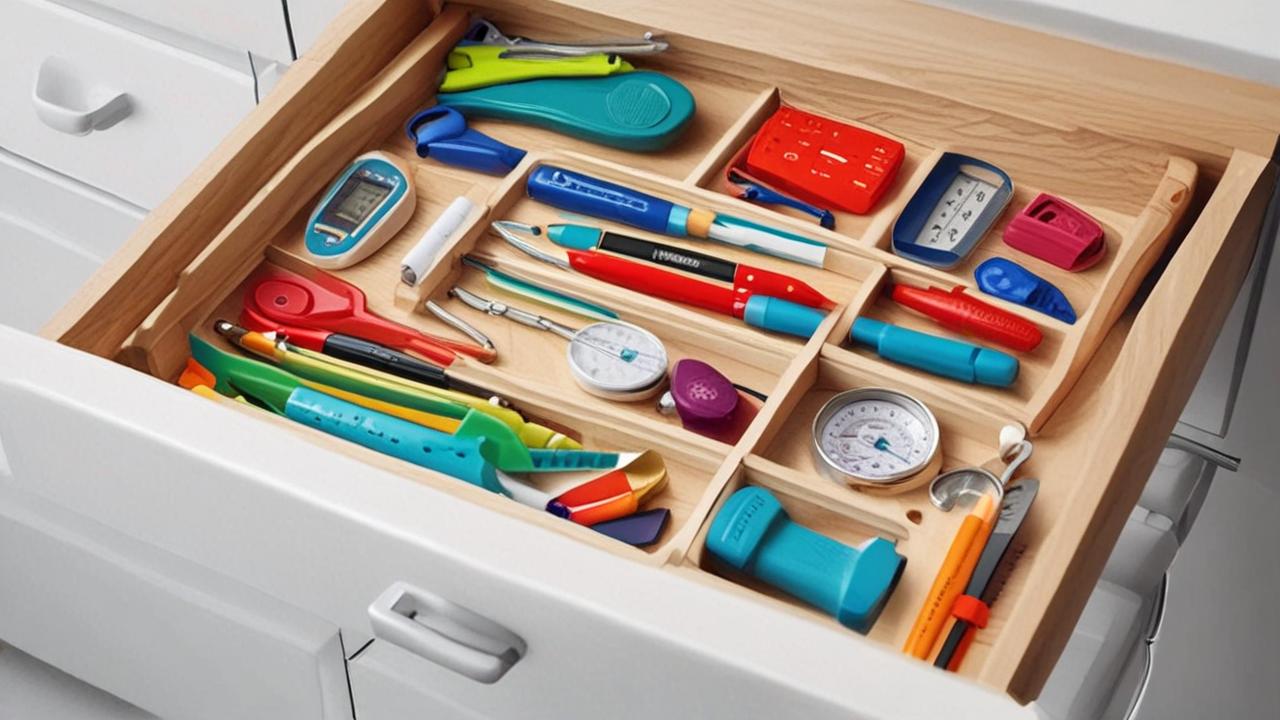
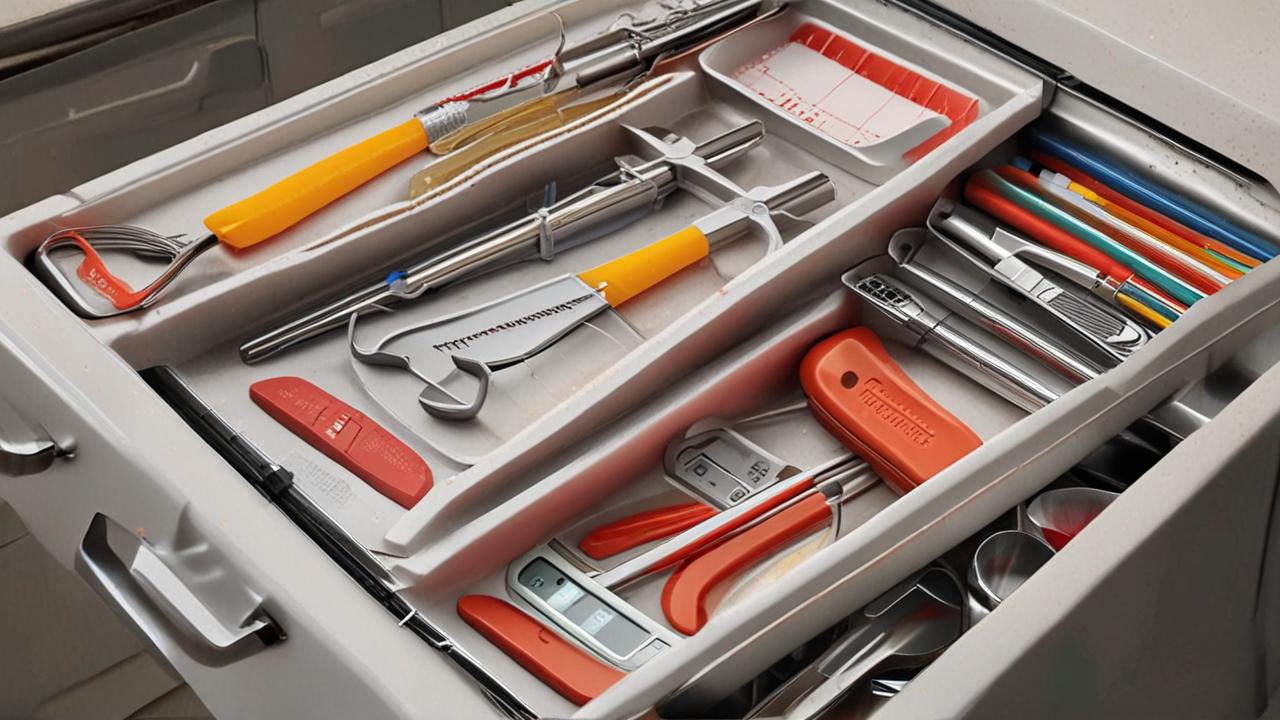
Kitchen drawers are a common place for utensils, and with a little organization, they can be a great home for your meat thermometer. The key here is using drawer organizers to create separate compartments. This prevents your thermometer from rubbing against other sharp or heavy items.
A well-organized drawer means you can easily grab your thermometer without digging or risking damage to its probe. It keeps things tidy and accessible, which is perfect for busy cooks.
- Compartmented trays: These are readily available and come in various sizes. They can hold your thermometer upright or lying flat, keeping it separate from other utensils.
- DIY dividers: If you can’t find the right organizer, you can create your own dividers using cardboard or wood. This allows you to customize the space perfectly for your kitchen tools.
- Dedicated slot: If your thermometer came with a specific case, try to find a drawer slot that fits it snugly. This extra security is wonderful for preventing movement.
Utensil Crocks or Holders
A utensil crock or holder on your countertop can be a convenient spot for frequently used thermometers, especially instant-read types. If your thermometer has a sheath, you can place it vertically in the crock. This keeps it handy and upright, reducing the risk of the probe bending.
Just make sure the crock isn’t overcrowded, as this can lead to the thermometer knocking against other items. The goal is accessibility without sacrificing safety for the tool.
- Vertical storage: Storing the thermometer upright in a crock helps keep the probe from being stressed or bent.
- Cleanliness is key: Ensure the crock is kept clean. If your thermometer has a sheath, use it even when storing in a crock to maintain hygiene.
- Accessibility: For thermometers you use often, a crock on the counter is ideal for quick access during cooking.
Kitchen Cabinets
Cabinets offer a bit more protection than open drawers or counter crocks. You can store your thermometer on a shelf, perhaps in its original case or a dedicated box. This keeps it away from daily kitchen traffic and accidental bumps.
If you have a large kitchen, you might have a cabinet dedicated to baking or cooking tools, which would be a perfect place to keep your thermometer safe and sound.
- Shelf placement: Use a shelf where the thermometer won’t be crushed by heavier items.
- Individual containers: Consider a small plastic bin or a clean food storage container to house your thermometer within the cabinet. This adds another layer of protection.
- Out of reach of children: If you have young children, storing it in a higher cabinet can add an extra safety measure.
Toolboxes or Craft Storage (for specific needs)
While not a typical kitchen spot, some people who do a lot of outdoor cooking or have a dedicated grilling area might use a small toolbox or a craft storage container for their thermometers. These often have padded compartments perfect for protecting delicate equipment. It’s a good option if you frequently move your cooking tools around or want them to be well-protected during transport.
The key is to ensure it’s a clean and dry environment.
- Padded compartments: Many toolboxes and craft organizers have foam or dividers that offer excellent cushioning.
- Portability: This is ideal for grilling enthusiasts who take their thermometers to parks or campsites.
- Keep it clean: Ensure the toolbox or container is specifically for kitchen items and is kept clean to avoid contamination.
How to Clean and Store for Longevity
Proper cleaning is a vital part of storing your meat thermometer safely. A clean thermometer not only gives accurate readings but also prevents the spread of germs. We’ll go over the best ways to clean different types of thermometers and what to do right after to ensure they last a long time.
Taking a few extra moments to clean your thermometer after each use makes a big difference in its lifespan and reliability.
Cleaning Your Thermometer Probe
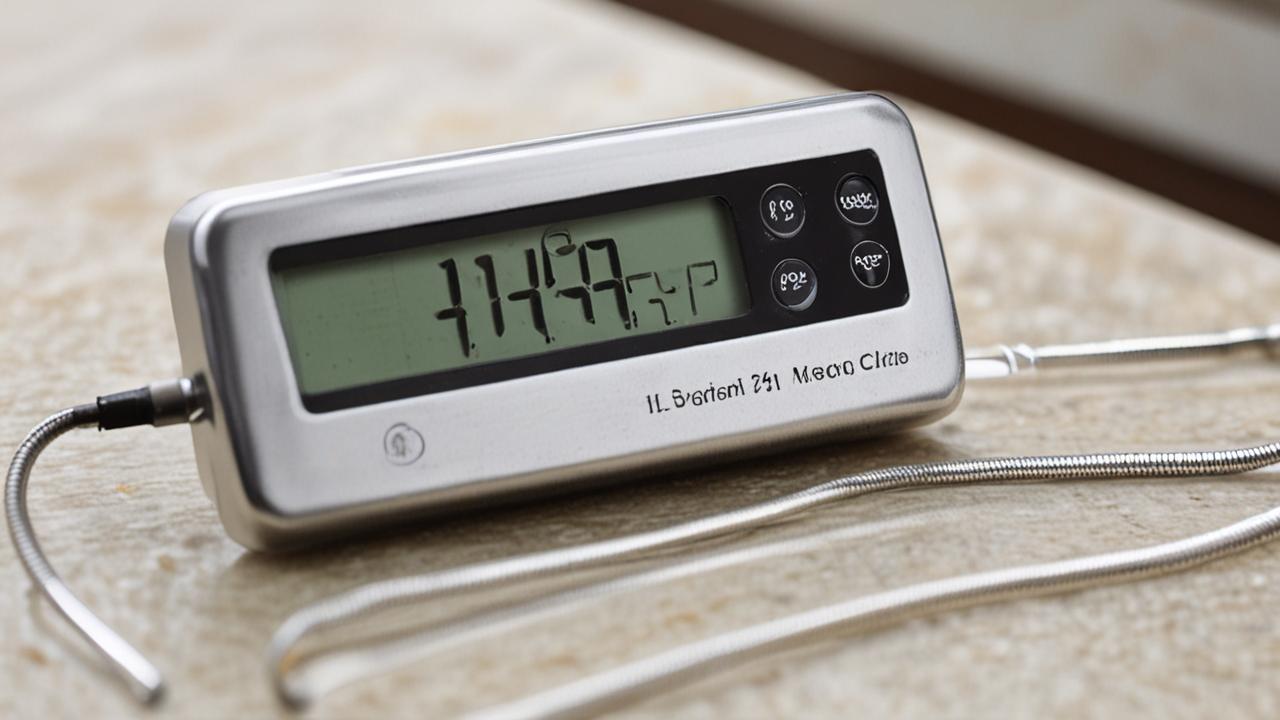
The probe is the part that goes into the food, so it needs to be clean. After every use, wash the probe thoroughly. Use warm, soapy water.
A soft cloth or sponge is usually best. Avoid abrasive scrubbers, which can scratch the metal. For stubborn bits of food, you might need to let it soak for a few minutes.
Always rinse the probe well to remove all soap residue before drying. This simple step is critical for both hygiene and thermometer care.
- Warm, soapy water: This is the go-to for most cleaning needs. It effectively removes grease and food particles.
- Soft cloth or sponge: Gentle cleaning prevents scratches and damage to the probe’s surface.
- Rinse thoroughly: Ensure no soap is left behind. Soap residue can affect taste or even corrode the metal over time.
Drying Your Thermometer
After washing, it’s crucial to dry your thermometer completely, especially the probe. Moisture can lead to rust or corrosion, particularly on metal probes. Use a clean, dry towel.
For digital thermometers, make sure no water gets into the electronic parts. If your thermometer came with a sheath, ensure both the probe and the sheath are dry before storing. A little bit of water left behind can cause problems down the road, so take this step seriously.
- Clean towel: A soft, absorbent towel is perfect for this.
- Dry the entire unit: Don’t forget to dry the handle and any other parts of the thermometer.
- Air drying (cautiously): For digital thermometers, after wiping, you might let it air dry for a few minutes in a well-ventilated spot before putting it away, but always ensure it’s fully dry.
When to Replace Your Thermometer
Even with the best care, thermometers don’t last forever. There are times when it’s better to
- Damaged probe: A bent or broken probe cannot provide accurate readings and should be replaced.
- Inconsistent readings: If your thermometer gives wild or consistently wrong temperatures, its internal components may be failing.
- Difficulty cleaning: If the probe or casing is damaged, making it hard to clean properly, it’s a food safety concern.
Frequently Asked Questions
Question: Can I store my meat thermometer in the same drawer as my knives?
Answer: It’s generally not a good idea. Knives are sharp and can easily damage the delicate probe of a meat thermometer. It’s safer to store them separately in a dedicated spot or organizer.
Question: How often should I check the accuracy of my meat thermometer?
Answer: For dial thermometers, you can check them in an ice water bath (32°F / 0°C) or boiling water bath (212°F / 100°C) every few months or if you suspect it’s inaccurate. Digital thermometers are often calibrated at the factory and are usually accurate out of the box, but if you notice issues, a check is a good idea.
Question: Does heat damage meat thermometers during storage?
Answer: Extreme heat can damage digital thermometers over time, affecting their components and batteries. While dial thermometers are more resilient, prolonged exposure to high heat isn’t ideal. It’s best to store them in a cool, dry place.
Question: What if my meat thermometer’s probe is slightly bent?
Answer: If it’s a very minor bend and you can gently straighten it without causing further damage or kinks, you might try. However, if the bend is significant, or if straightening seems difficult, it’s best to replace the thermometer. A bent probe can lead to inaccurate temperature readings.
Question: Is it okay to wash my meat thermometer in the dishwasher?
Answer: Most digital meat thermometers are NOT dishwasher safe because water can damage the electronic components. Dial thermometers might withstand it, but it’s best to check the manufacturer’s instructions. Hand washing the probe with warm, soapy water is always the safest and recommended method.
Summary
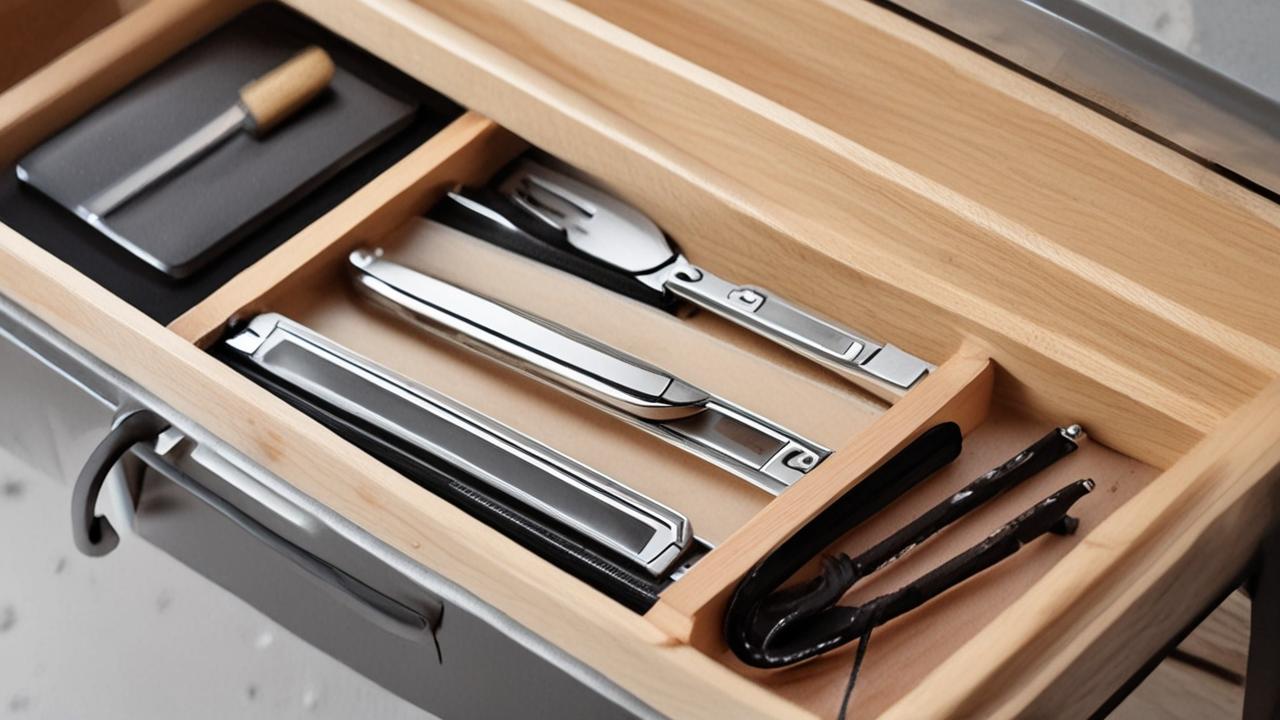
Properly storing your meat thermometer ensures it lasts longer and works accurately. Keep the probe protected, store it in a clean, dry place, and use organizers to prevent damage. Following these simple steps makes cooking safer and more successful.