Many home cooks wonder, Can You Wash a Meat Thermometer Safely? It’s a common question, especially for those just starting out with cooking. You might worry about getting it wet or using the wrong soap.
Don’t stress! We’ll walk through it step-by-step, making it super simple. Get ready to learn the easy way to keep your thermometer clean and ready for your next delicious meal.
Keeping Your Meat Thermometer Clean and Ready
Properly cleaning your meat thermometer is super important for good hygiene and making sure it works right for a long time. A clean thermometer helps prevent the spread of germs and ensures accurate temperature readings, which is key for safe cooking. We’ll cover the best ways to clean different types of thermometers so you can feel confident in the kitchen.
This guide will make sure your tool is always in top shape for perfect meals.
Types of Meat Thermometers
There are a few main kinds of meat thermometers you’ll see in kitchens. Each one has a slightly different way of working and might need a little different care. Knowing what you have helps you clean it the best way.
We’ll look at common types like digital instant-read, dial, and probe thermometers.
Digital Instant-Read Thermometers
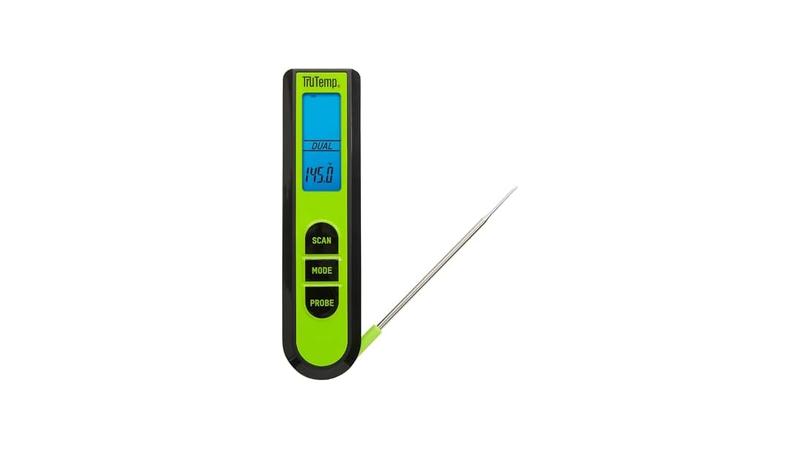
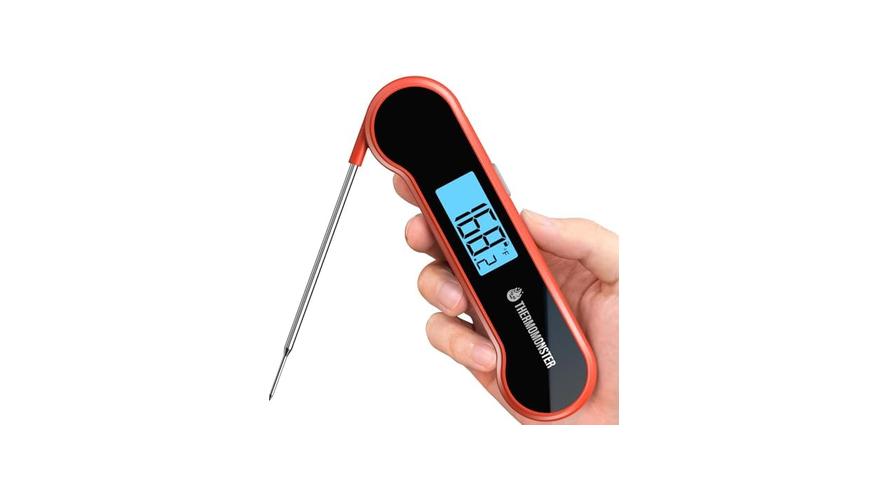
These are the most popular kind today. They have a digital screen that shows the temperature quickly, usually in a few seconds. They often have a metal probe that sticks into the meat.
Because they are electronic, you have to be careful not to soak the part with the screen and buttons. They are great because they give you a fast, clear number.
- Probe Design: The probe is usually made of stainless steel, which is good because it’s strong and doesn’t rust easily. It’s thin and pointy, designed to go into food without making a big hole. This probe is what measures the heat of the meat.
- Handle and Display: The handle part holds the batteries and the electronic screen. This is the part you really need to keep dry. Water can damage the electronics inside, making the thermometer stop working correctly. It’s usually made of plastic.
- Speed and Accuracy: Digital thermometers are known for being very fast and quite accurate. You get a reading almost instantly, which is helpful when you’re busy in the kitchen. This speed means you can check your food and know it’s ready without waiting too long.
Dial Thermometers
These are the older style ones. They have a round dial with a needle that points to the temperature. They also have a probe.
These are usually tougher than digital ones because they don’t have electronics. You can often wash these more freely. The dial shows temperature in degrees, often with markings for different kinds of meat like “poultry” or “beef.”
- Mechanical Operation: Instead of batteries, dial thermometers use a metal coil that expands or shrinks with heat. This movement makes the needle on the dial move. This design means they don’t need power and can be more rugged.
- Durability: Because they have fewer parts and no electronics, dial thermometers are often very durable. They can handle being bumped around a bit more than digital models. Some can even be left in the oven while cooking, though you should always check the instructions for your specific model.
- Reading Temperatures: The needle on the dial can sometimes be a little harder to read precisely, especially if it’s a crowded dial. However, for general cooking temperatures, they do a good job. They are a reliable choice if you don’t need the ultra-fast readings of digital types.
Probe Thermometers (Oven-Safe)
These usually come with a separate probe that you stick in the meat and a cable that connects to a base unit outside the oven or grill. The base unit shows the temperature on a screen. This lets you monitor the food’s temperature without opening the cooking device, which keeps the heat inside.
These are great for long cooks like roasts or briskets.
- Separate Probe and Base: The main part is the thin metal probe that goes into the food. It’s connected by a heat-resistant wire to a display unit. This setup allows you to keep the display out of the heat and hot air.
- Heat-Resistant Cable: The cable is designed to withstand high oven or grill temperatures. It needs to be flexible enough to run from the food to the display unit without getting damaged. Make sure the cable isn’t pinched too tightly.
- Continuous Monitoring: This type is perfect for slow-cooking or smoking meats. You can set an alert on the base unit to let you know when the food reaches a certain temperature. This helps prevent overcooking and ensures the meat is perfectly done.
How to Safely Wash Your Meat Thermometer
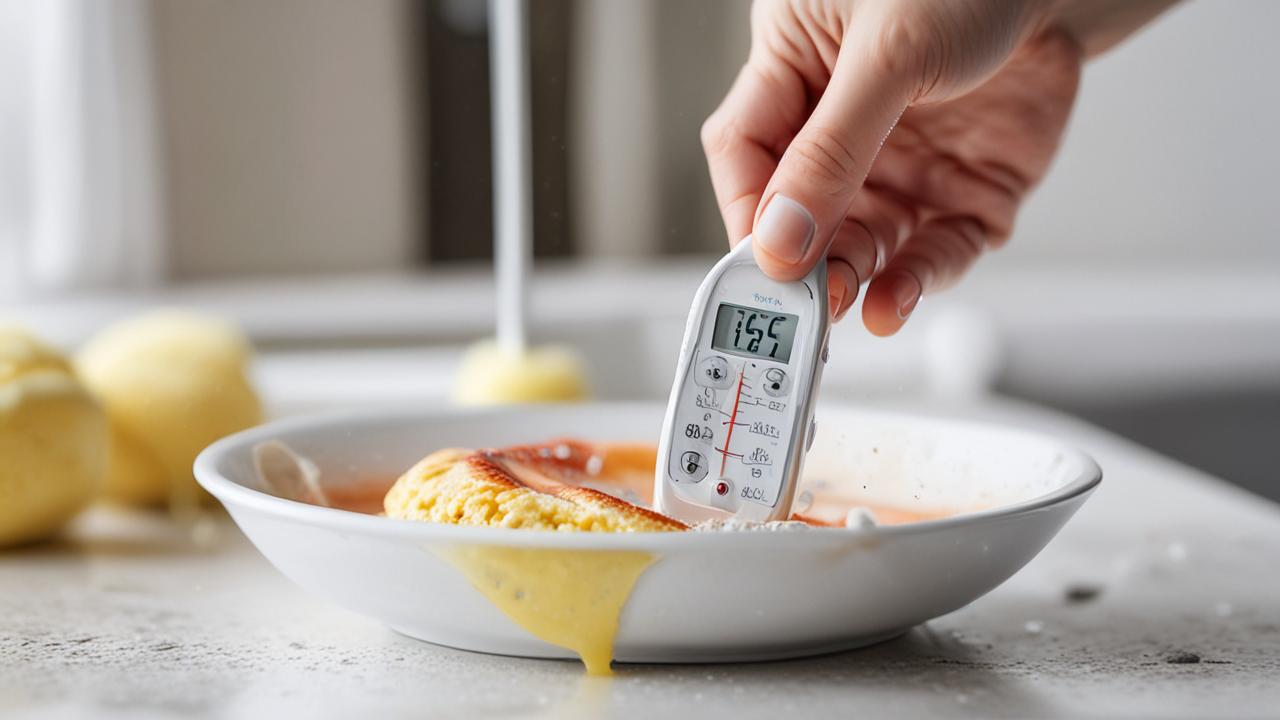
Knowing how to wash your meat thermometer properly keeps it working well and stops germs from spreading. Most thermometers can be washed with soap and warm water. The main thing is to be careful with the electronic parts of digital thermometers.
We will break down the steps for each type so you can clean them the right way.
Cleaning Digital Instant-Read Thermometers
For digital thermometers, the key is to keep water away from the electronic display and buttons. You can wash the probe part easily, but you need to be gentle with the rest. It’s best to wipe down the handle and screen rather than submerging them.
- Washing the Probe: The metal probe can be washed with warm, soapy water. Use a soft cloth or sponge. Gently scrub away any food bits.
- Cleaning the Handle and Display: Do NOT put the handle or display in the sink or dishwasher. Instead, use a damp cloth to wipe them clean. If there’s tough residue, you can use a tiny bit of mild soap on the damp cloth, then wipe it again with a clean, damp cloth to rinse.
- Drying Thoroughly: Always dry all parts of the thermometer completely with a clean, soft towel. Make sure the probe is dry before storing it to prevent rust or damage.
A common mistake is to wash the whole thing under the tap. This can ruin the electronics. Always remember to separate the cleaning of the probe from the cleaning of the body.
Scenario: You just took your chicken out of the oven and used your digital thermometer. There’s some juice on the probe and a little smudge on the handle. First, wipe off any excess food from the probe with a paper towel.
Then, wet a soft cloth with warm water and a drop of dish soap. Gently wipe the handle and screen. Rinse the cloth well and wipe the handle again to remove soap.
Finally, dry everything with a soft towel.
Cleaning Dial Thermometers
Dial thermometers are generally more forgiving when it comes to washing. Since they don’t have electronic parts, you can usually wash them more thoroughly. However, it’s still best to avoid fully submerging them for long periods if possible, especially if the dial is not perfectly sealed.
- Hand Washing is Best: Use warm, soapy water and a soft sponge or brush. Gently scrub the probe and the dial area.
- Avoid Dishwashers: While some might seem sturdy, dishwashers can be too harsh. The high heat and strong detergents can damage the seal and the internal mechanics over time.
- Dry Promptly: After washing, dry the thermometer immediately and completely with a clean towel. Pay attention to the area where the probe meets the dial to prevent moisture from getting inside.
These thermometers are designed to be robust. However, being careful will make them last even longer and keep them accurate.
Cleaning Probe Thermometers (with Cables)
For probe thermometers with cables, you’ll clean the probe and the display unit separately. The probe and cable are usually designed to handle some moisture, but the display unit should be kept dry.
- Cleaning the Probe and Cable: The probe and the heat-resistant cable can typically be washed with warm, soapy water. Use a soft cloth and wipe them down.
- Wiping the Display Unit: The display unit itself is electronic. Use a damp cloth to wipe its surface. Never submerge the display unit in water.
- Ensure Complete Drying: After washing, make sure both the probe, cable, and display unit are completely dry before using or storing them. Moisture can affect the electronics.
Some high-end probe thermometers might even be waterproof for the probe and cable. Always check your user manual for specific cleaning instructions.
When Can You NOT Wash Your Meat Thermometer?
There are specific situations and types of thermometers where washing might not be the best idea, or you need to be extra cautious. Understanding these exceptions helps you protect your cooking tools and ensure food safety.
Thermometers with Damaged Seals
If the seal around the probe or the display of a digital thermometer is broken, water can get inside. This can damage the electronics or cause rust. If you notice cracks or gaps, it’s best to avoid washing that part with water.
- What to Look For: Inspect your thermometer regularly for any signs of damage. This includes cracks in the plastic casing, gaps where the probe enters the handle, or a loose screen.
- Temporary Solutions: For minor issues, you might be able to use a slightly damp cloth to wipe it down. However, it’s not ideal for long-term use.
- Replacement is Key: If the damage is significant, it’s safer to replace the thermometer. A damaged thermometer can be inaccurate or pose a safety risk.
Disposable Thermometers
Some very basic meat thermometers are designed for single use. These are often found in pre-packaged meats. They are not meant to be washed or reused.
Washing them would be pointless and potentially spread germs.
- Single-Use Design: These are often paper or plastic strips that change color or show a temperature at a specific point. They are inexpensive and meant to be left in the food while it cooks to indicate doneness.
- Hygiene Concerns: Reusing them is a bad idea. They are not designed for cleaning and could harbor bacteria.
- Proper Disposal: Once the meat is cooked, these thermometers should be disposed of immediately.
Thermometers with Corroded Parts
If you notice rust or significant corrosion on a metal probe, it’s a sign that the thermometer has been exposed to moisture for too long or the protective coating has worn off. While some light rust might be scrubbed off, heavily corroded parts can affect accuracy and hygiene.
- Causes of Corrosion: This often happens from improper drying after washing, exposure to harsh chemicals, or the protective finish wearing away over time.
- Impact on Accuracy: Corrosion can interfere with how the thermometer measures temperature, leading to unreliable readings.
- When to Replace: If the corrosion is extensive or you can’t get the probe clean, it’s time for a new thermometer. Food safety is more important than saving an old, unreliable tool.
Ensuring Accuracy After Washing
After you wash your meat thermometer, you want to be sure it’s still giving you correct temperature readings. A clean thermometer is only useful if it tells you the truth about your food’s temperature. This section helps you confirm it’s working well.
Testing for Accuracy
You can easily test the accuracy of your thermometer with boiling water and ice water. These are standard temperatures that most thermometers should be able to read correctly.
- Boiling Water Test: Bring a pot of water to a rolling boil on the stove. Place the thermometer probe into the boiling water, making sure it doesn’t touch the bottom or sides of the pot. A digital thermometer should read 212°F (100°C) at sea level. Dial thermometers might read slightly differently depending on altitude, but should be very close.
- Ice Water Test: Fill a glass with ice and water. Stir it for a minute to make sure it’s thoroughly chilled. Place the thermometer probe into the ice water, again making sure it doesn’t touch the sides or bottom. It should read 32°F (0°C).
- Adjusting Your Thermometer: If your thermometer reads inaccurately, check its manual. Many digital thermometers have a calibration or adjustment feature. If yours doesn’t, and the readings are consistently off, you may need to consider replacing it, especially for critical temperatures.
Accurate temperature readings are vital for ensuring that meats like poultry and pork are cooked to a safe internal temperature, reducing the risk of foodborne illnesses. For instance, the USDA recommends that ground chicken reach 165°F (74°C) and whole chicken also reach 165°F (74°C).
Storing Your Thermometer Properly
Where and how you store your thermometer also matters for its longevity and accuracy. Keeping it clean extends beyond washing.
- Dry and Clean Location: Store your thermometer in a dry, clean drawer or on a shelf. Avoid storing it near chemicals or things that could damage it.
- Protective Sheath: If your thermometer came with a protective sheath or case, use it. This protects the probe from damage and keeps it clean.
- Avoid Extreme Temperatures: Don’t store your thermometer in places with extreme heat or cold, such as a car glove box or next to a hot stove. Extreme temperatures can affect its accuracy over time.
Proper storage helps prevent the probe from getting bent or scratched, which can affect its ability to get an accurate reading. It also keeps it ready for use without needing a deep clean every time.
Frequently Asked Questions
Question: Can I put my meat thermometer in the dishwasher?
Answer: For digital meat thermometers, it’s generally not recommended because the water and heat can damage the electronics. Dial thermometers might be more durable, but it’s still best to hand wash them to ensure they last longer and maintain accuracy.
Question: How often should I clean my meat thermometer?
Answer: You should clean your meat thermometer after every use. This is important for hygiene and to prevent the buildup of food residue, which can affect its performance and potentially spread germs.
Question: Is it okay if a little water gets on the screen of my digital thermometer?
Answer: A tiny bit of moisture might not cause immediate harm, but it’s best to avoid getting water on the screen or buttons of a digital thermometer. If it does get wet, dry it immediately and thoroughly. Prolonged exposure or submersion can lead to damage.
Question: My meat thermometer probe is stained. What can I do?
Answer: For minor stains on the probe, you can try scrubbing gently with a paste of baking soda and water. For persistent stains or rust, it might be time to consider replacing the thermometer, as it could affect accuracy.
Question: How do I know if my meat thermometer is still accurate?
Answer: You can test its accuracy using boiling water (should read 212°F or 100°C at sea level) and ice water (should read 32°F or 0°C). If the readings are consistently off, it may need calibration or replacement.
Wrap Up
Yes, you can wash most meat thermometers safely. Just be careful with digital ones, keeping water away from electronics. Always dry them well.
Keep them clean after every use for the best results in your cooking. You’ve got this!