Figuring out How to Test Meat Thermometer Accuracy might seem a bit tricky at first. You want to cook food just right, and your thermometer is key to that. If it’s not showing the right temperature, your meals could be undercooked or overcooked.
Don’t worry, it’s simpler than you think! We’ll walk through it step-by-step so you can be sure your thermometer is telling the truth. Get ready to learn how to make sure your cooking is always perfect.
Understanding Meat Thermometer Basics
This section will help you get a good handle on why meat thermometers are so important for cooking. We’ll talk about what makes them work and why checking their accuracy is a smart move. It’s all about making sure your food is safe and tastes its best.
Knowing how your thermometer works also means you can trust the temperatures it shows you. This knowledge is fundamental for anyone who wants to cook with confidence.
What is a Meat Thermometer?
A meat thermometer is a simple tool that measures the internal temperature of food, especially meat. It has a probe that you insert into the thickest part of the meat, away from bone or fat. The probe is connected to a display that shows the temperature.
This lets you know if your food has reached a safe cooking temperature. It’s a crucial gadget for preventing foodborne illnesses and ensuring your meat is cooked to perfection, whether you like it rare, medium, or well-done.
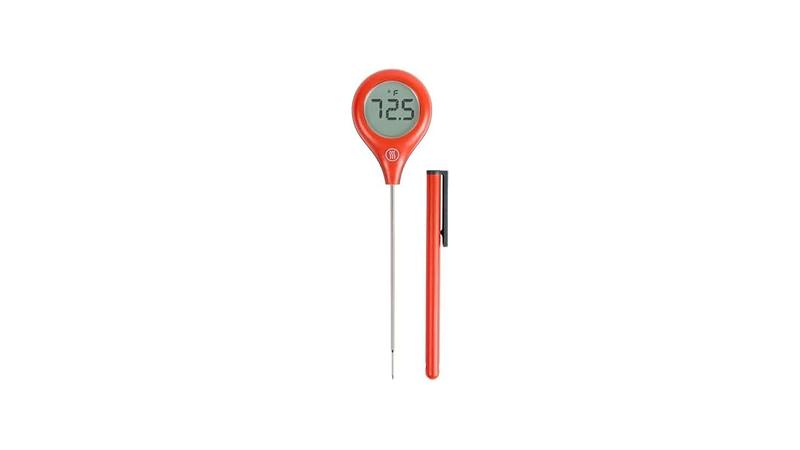
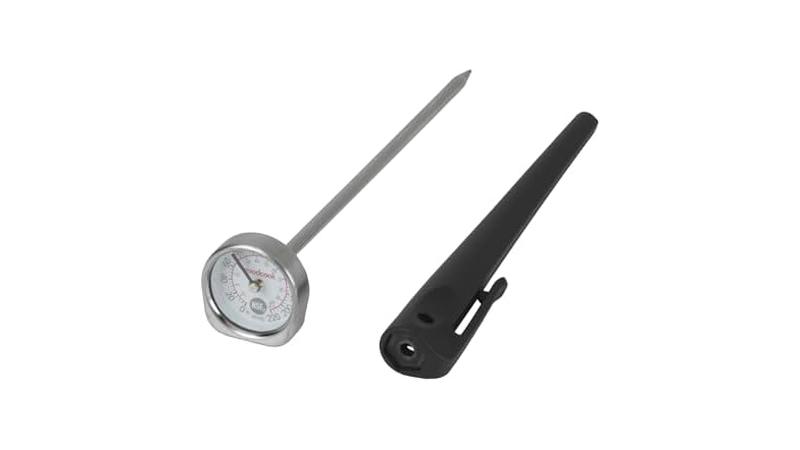
There are different kinds of meat thermometers. Some are digital and show numbers on a screen, while others are analog with a dial. Some are instant-read, giving you a temperature in seconds, while others are leave-in thermometers that you can monitor while the food cooks.
Each type has its own benefits, but they all serve the same basic purpose: to give you a precise reading of your food’s temperature.
Why Accuracy Matters
Accuracy in a meat thermometer is super important for a few big reasons. First and foremost is food safety. Undercooked poultry, pork, or ground meat can carry harmful bacteria.
Using an accurate thermometer helps you make sure these foods reach the safe internal temperature recommended by health experts, like the USDA. This prevents sickness.
Beyond safety, accuracy also ensures your food tastes great. No one likes dry, overcooked chicken or a steak that’s still too rare inside. A precise thermometer lets you hit that sweet spot for doneness every time.
This means your roasts are juicy, your burgers are cooked just right, and your holiday turkey is a triumph.
- Food Safety: Making sure your food is cooked to the right temperature is the number one reason accuracy is key. Harmful bacteria can hide in undercooked meat. A reliable thermometer is your best defense against food poisoning. Health organizations provide guidelines for safe internal temperatures for different types of meat. Following these guidelines with an accurate thermometer helps keep everyone who eats your food safe and healthy.
- Delicious Results: Cooking is also about flavor and texture. An accurate thermometer helps you achieve the perfect doneness for any cut of meat. Whether you’re aiming for a medium-rare steak or perfectly cooked chicken breasts, a precise reading means you won’t guess. This leads to more enjoyable meals and fewer disappointing dinners. It’s the secret to culinary success for home cooks and professionals alike.
- Saving Money: Believe it or not, an accurate thermometer can save you money. Overcooking meat often leads to dry, tough results that might end up being wasted. By knowing the exact temperature, you can prevent this. You’ll get the most out of your ingredients, reducing food waste and ensuring you’re not throwing away perfectly good food because of a misread temperature.
How to Test Your Meat Thermometer’s Accuracy
Now, let’s get to the good stuff: figuring out if your meat thermometer is showing you the right numbers. This section will guide you through simple tests you can do at home. We’ll explain the methods clearly, so you can easily check your thermometer and trust its readings for all your cooking adventures.
After this, you’ll be confident that your thermometer is a reliable kitchen companion.
The Ice Bath Test
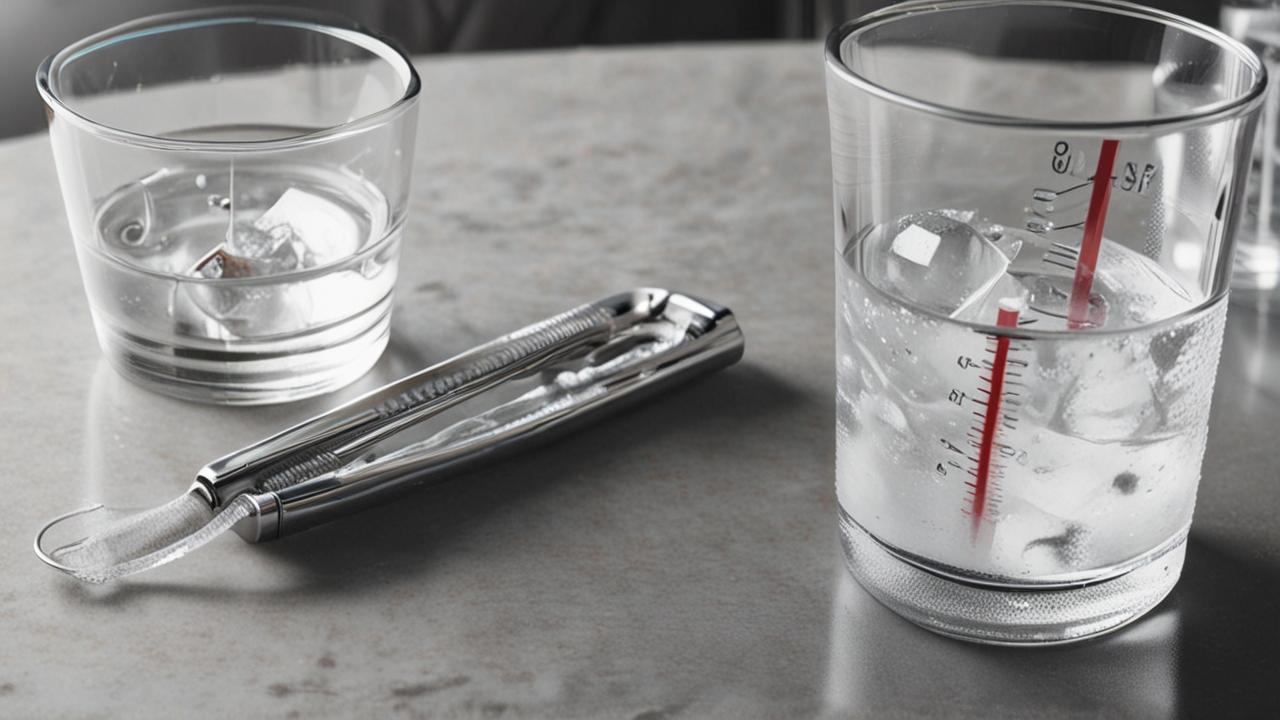
One of the easiest and most common ways to test your thermometer is by using an ice bath. This method relies on the fact that pure water freezes at 32°F (0°C). By checking the temperature of an ice and water mixture, you can see if your thermometer is calibrated correctly.
It’s a quick check that gives you valuable insight into your thermometer’s performance.
To perform this test, you’ll need some crushed ice, water, and a bowl. Fill the bowl with a good amount of crushed ice and then add just enough water to make it slushy. You want plenty of ice.
Stir the mixture gently for about a minute. This helps ensure the temperature is as consistent as possible.
Next, for at least 30 seconds, or until the reading stabilizes.
A perfectly accurate thermometer should read very close to 32°F (0°C). If your thermometer shows a temperature significantly higher or lower than this, it might need recalibration or replacement. Small variations, like a degree or two, might be acceptable depending on the thermometer’s quality.
The Boiling Water Test
Another effective way to check your thermometer’s accuracy is by using boiling water. The boiling point of water at sea level is 212°F (100°C). This test is also quite straightforward and uses common kitchen items.
It’s a great complementary test to the ice bath.
You’ll need a pot, water, and a heat source for this test. Fill a pot with about two inches of water. Place it on the stove and bring it to a rolling boil.
Make sure the water is actively bubbling. A strong, consistent boil is important for an accurate reading.
Once the water is boiling vigorously, carefully place the probe of your meat thermometer into the boiling water. Again, ensure the probe is submerged in the water but not touching the bottom or sides of the pot. Hold it steady for at least 30 seconds, or until the temperature reading stops changing.
An accurate thermometer should read very close to 212°F (100°C) when placed in boiling water at sea level. If you live at a high altitude, the boiling point of water is lower, so the reading might be a bit less. However, for most people, the reading should be around 212°F.
If it’s far off, it indicates a calibration issue.
Checking Thermometer Calibration
Some digital meat thermometers have a calibration feature. This allows you to adjust the thermometer to read the correct temperature without needing to buy a new one. The method for calibrating varies by brand and model.
Always consult your thermometer’s manual for specific instructions.
Generally, calibration involves performing one of the tests above (like the ice bath or boiling water test) and then using the thermometer’s buttons to adjust the displayed temperature to the correct value (32°F for ice, 212°F for boiling water).
If your thermometer does not have a calibration feature or if it cannot be calibrated to give accurate readings after adjustments, it might be time to consider replacing it. A thermometer that consistently gives inaccurate readings is not helpful in the kitchen.
What to Do with Inaccurate Readings
If your tests show that your thermometer is consistently off by more than a degree or two, you have a few options. First, check your thermometer’s manual to see if recalibration is possible. Many digital thermometers can be adjusted.
Follow the manufacturer’s instructions carefully.
If recalibration doesn’t work or isn’t an option, you might need to get a new thermometer. It’s worth investing in a good quality one that you can trust. Accurate readings are essential for safe and delicious cooking.
Look for thermometers that are known for their accuracy and durability.
Sometimes, the issue might be how you’re using the thermometer. Make sure you’re inserting it into the thickest part of the meat, avoiding bone and fat, and giving it enough time to register a stable temperature. These simple checks can also improve your readings.
Tips for Using Your Meat Thermometer Correctly
Once you know your thermometer is accurate, using it the right way is key to getting perfect results every time. This part of our guide focuses on practical tips to help you get the most out of your thermometer. We’ll cover where to insert it, how long to leave it in, and other helpful hints to make sure your cooking is always spot on.
Finding the Right Spot
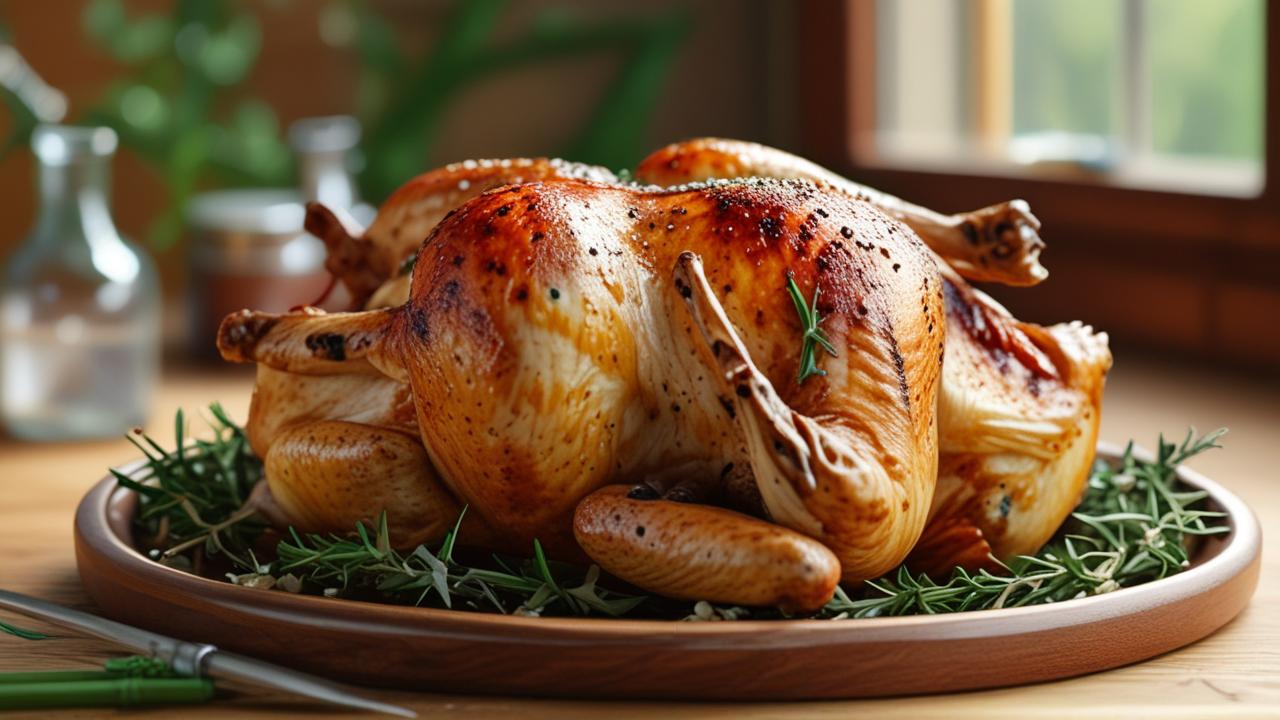
The thickest part of the meat is where you should insert your thermometer. For whole cuts like roasts or poultry, this means finding the center of the meat. Avoid placing the probe too close to the bone, as bones can conduct heat differently than the meat itself, leading to a false reading.
Also, keep the probe away from any pockets of fat. Fat heats up differently than muscle tissue. If your probe is in fat, you might get a reading that isn’t representative of the actual temperature of the meat itself.
Aim for the deepest, most central part of the muscle.
If you’re cooking ground meat patties or thinner cuts, try to insert the thermometer into the side of the patty, going towards the center. For multiple items, like chicken breasts on a baking sheet, try to test a few different pieces to ensure they’re all cooked evenly.
Timing is Everything
How long you leave the thermometer in the meat matters. For instant-read digital thermometers, you usually only need to wait for the temperature to stabilize, which often takes just a few seconds. Watch the display, and when the number stops changing, you have your reading.
For leave-in thermometers, you’ll want to keep them in the meat for the entire cooking time. This allows you to monitor the temperature as it rises. You can then remove the food from the heat when it reaches the desired internal temperature.
Always ensure the probe is securely in place and won’t fall out during cooking.
Don’t forget to account for carryover cooking. When you remove meat from the heat, its internal temperature will continue to rise by a few degrees. For larger roasts, this can be as much as 5-10°F.
So, it’s often best to remove the meat from the heat a few degrees before it reaches your target temperature.
Cleaning and Care
Proper cleaning and care will help your thermometer last longer and stay accurate. After each use, wash the probe with warm, soapy water. Rinse it thoroughly and dry it completely.
Avoid submerging the entire thermometer in water, especially if it’s an electronic model, as this can damage the internal components.
Some digital thermometers have a removable probe that can be washed separately. Check your manual for specific cleaning instructions. Store your thermometer in a safe place where the probe won’t get bent or damaged.
A protective sleeve or case is ideal.
Regularly checking your thermometer’s accuracy, as we’ve discussed, is also a form of care. It ensures you’re always working with reliable data in your kitchen. This simple habit prevents cooking mishaps and keeps your food safe.
Thermometer Types and Their Uses
There are several types of meat thermometers, each with its own strengths:
- Instant-Read Digital Thermometers: These are very popular because they provide quick and accurate readings, usually within a few seconds. They are great for checking the temperature of meats at various stages of cooking or after they’ve rested. Their fast response time makes them ideal for busy cooks.
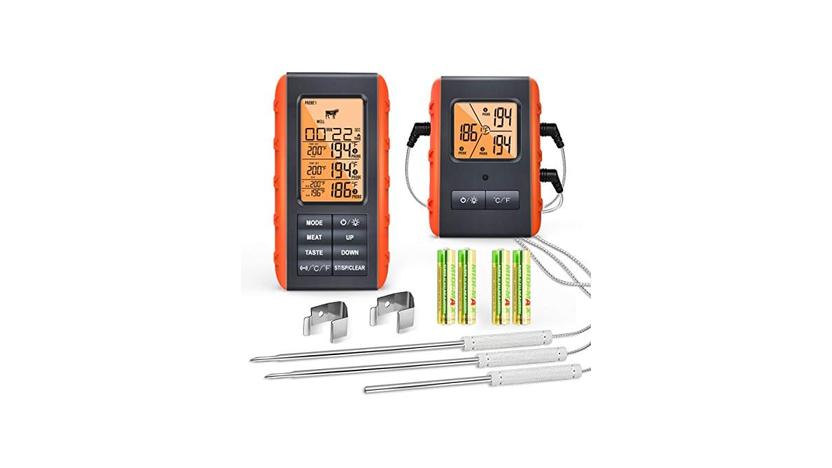
- Leave-In Digital Thermometers: These have a probe that stays in the meat during cooking, with a cable connecting it to a display unit that sits outside the oven or grill. They are perfect for monitoring roasts, turkeys, or other large cuts without constantly opening the cooking vessel. Many come with alarms to alert you when the desired temperature is reached.
- Oven-Safe Thermometers: Similar to leave-in types, these are designed to withstand high oven temperatures and often have a dial display. They are a reliable choice for long cooking times where you need to keep an eye on the internal temperature.
- Probe Thermometers: These are generally simpler, often analog, with a metal probe and a dial face. While they might not be as fast or precise as digital models, they can be very durable and useful for basic temperature checks.
Troubleshooting Common Thermometer Issues
Even with the best care, you might run into a few snags with your meat thermometer. This part of the guide will help you sort out some common problems. We’ll look at why your thermometer might be acting up and how you can fix it.
Getting these issues resolved means you can go back to confident cooking.
My Thermometer Reads Too High or Too Low
If your thermometer consistently shows temperatures that are too high or too low, the first thing to do is re-test its accuracy using the ice bath and boiling water methods. If it’s still off after these tests, and it’s a digital model with calibration, try recalibrating it. Follow the manufacturer’s guide precisely.
If recalibration doesn’t solve the problem, or if your thermometer doesn’t have that feature, it might be damaged or simply no longer accurate. Thermometers, like any tool, can wear out over time. Batteries in digital models can also weaken, affecting performance.
Try replacing the battery if applicable.
In some cases, physical damage to the probe or internal circuitry can cause inaccurate readings. If you see any cracks, bends, or corrosion on the probe, or if the display is faulty, it’s likely time for a replacement.
The Display is Blank or Unresponsive
For digital thermometers, a blank or unresponsive display usually points to a power issue. The most common culprit is a dead battery. Check your thermometer’s manual to see how to
If replacing the battery doesn’t help, there might be an internal problem with the thermometer’s electronics. This could be due to moisture damage, a drop, or a manufacturing defect. If the thermometer is still under warranty, contact the manufacturer for repair or replacement.
Sometimes, a simple reset might help. Some digital devices have a small reset button or a way to power cycle them. Again, refer to your user manual for any reset procedures.
If none of these steps work, the thermometer may have reached the end of its useful life.
The Probe is Damaged or Bent
A bent or damaged probe can affect both the thermometer’s accuracy and its usability. If the probe is significantly bent, it might not be able to be inserted properly into the meat to get a true reading. Furthermore, damage to the probe can sometimes affect the internal sensor, leading to inaccurate temperatures.
For minor bends, you might be able to gently straighten the probe. However, be very careful not to force it, as you could break it. If the probe is kinked severely or if there are any visible cracks or breaks in the probe material, it’s best to assume it’s compromised.
If the probe is severely damaged, the thermometer is likely no longer reliable. It’s often safer and more effective to replace the unit rather than risk cooking food to the wrong temperature due to a faulty probe.
Benefits of Accurate Meat Thermometers
Having a meat thermometer that you know is accurate brings a lot of good things to your kitchen. It’s not just about getting a number; it’s about the confidence and quality that number provides. This section highlights why investing in accuracy pays off in delicious, safe meals.
- Peace of Mind for Food Safety: Knowing your thermometer is reliable means you can cook meat with confidence, especially poultry and pork. You can be sure that you’re meeting safe internal temperatures, which is the best way to prevent foodborne illnesses for yourself and your loved ones. This security is priceless when it comes to feeding your family.
- Consistently Delicious Food: Accurate temperature readings translate directly into perfectly cooked food. You’ll stop guessing and start hitting that ideal level of doneness every time. This means juicier roasts, tender chicken, and perfectly grilled steaks, making every meal a success. Your cooking skills will shine.
- Reduced Food Waste: Overcooking meat often results in dry, tough, and unappetizing food. An accurate thermometer helps you avoid this by allowing you to cook meat precisely to its optimal temperature, preventing it from becoming overdone. This means less wasted food and better value from your groceries.
- Saving Time and Energy: When you trust your thermometer, you spend less time second-guessing your cooking or repeatedly checking the meat. You can set it and forget it, knowing it will alert you when the food is ready. This efficiency makes cooking more enjoyable and less stressful.
Frequently Asked Questions
Question: How often should I test my meat thermometer?
Answer: It’s a good idea to test your meat thermometer at least once a year, or whenever you notice your food is consistently coming out over or undercooked. If you drop it, it’s also wise to test its accuracy.
Question: Can I use an oven thermometer to test my meat thermometer?
Answer: No, an oven thermometer measures the temperature of the oven itself, not the internal temperature of food. You need to test your meat thermometer’s accuracy using methods like ice baths or boiling water.
Question: What is considered a good reading for an ice bath test?
Answer: A perfectly accurate meat thermometer should read 32°F (0°C) in an ice bath. Readings within 1-2 degrees of this are usually acceptable for home cooking.
Question: My digital thermometer is showing weird numbers. Should I replace it?
Answer: Before replacing it, try replacing the battery, and then re-test its accuracy with an ice bath and boiling water. If it’s still off and cannot be recalibrated, then it’s time for a new one.
Question: How do I know if my meat thermometer is broken?
Answer: If your thermometer consistently gives readings far from the expected temperature in ice or boiling water tests, or if the display is blank and a new battery doesn’t fix it, it’s likely broken or no longer accurate.
Final Thoughts
Testing your meat thermometer’s accuracy is simple and important. Using the ice and boiling water tests ensures your thermometer is reliable. This means safer meals and tastier food every time.
You can cook with confidence knowing your thermometer tells the true story of your food’s temperature.