Getting a wrong temperature from your meat thermometer can be super frustrating, especially when you’re trying to cook something perfectly. It’s a common challenge for beginners because there are a few simple things that can go wrong. But don’t worry!
We’ll walk through how to fix a Meat Thermometer Error Reading Fix step-by-step. After we sort this out, we’ll look at how to keep your thermometer working its best.
Understanding Why Your Meat Thermometer Might Be Wrong
It can be really disappointing when your cooking doesn’t turn out right, and a faulty thermometer is often the culprit. When your meat thermometer gives you a reading that doesn’t match the actual temperature of your food, it can lead to overcooked, dry meat or, even worse, undercooked, unsafe food. This issue is more common than you might think, and it often stems from simple mistakes or oversights that beginners might not be aware of.
The good news is that most of these problems have easy fixes. We’re going to explore the common reasons behind these incorrect readings and show you exactly how to resolve them. Getting your thermometer to be accurate is key to successful cooking, and we’ll guide you through every part of that process.
Once you understand the common pitfalls, you’ll be well on your way to perfect results every time.
Common Causes of Inaccurate Readings
Several factors can contribute to your meat thermometer giving you a wrong temperature. Often, it’s not that the thermometer is broken, but rather that it’s not being used correctly or hasn’t been properly maintained. These are the little things that can make a big difference in the accuracy of your cooking.
- Calibration Issues: Sometimes, the thermometer just needs to be reset to its correct baseline. Think of it like restarting your computer when it acts up. This is a simple process that can often resolve the problem.
A common reason for a wrong reading is that the thermometer isn’t calibrated correctly. This means the internal settings aren’t showing the true temperature. It’s like a clock that’s a few minutes fast or slow; it needs to be adjusted.
We’ll show you how to check and fix this.
- Battery Problems: For digital thermometers, a weak or dying battery can cause all sorts of glitches, including inaccurate readings. It’s a straightforward fix to replace the batteries, but it’s often overlooked.
Digital thermometers rely on batteries to function. When the battery power gets low, the internal components might not get enough juice to operate correctly. This can lead to erratic readings or the thermometer not displaying anything at all.
Replacing the batteries with fresh ones is usually the quickest solution.
- Probe Damage: If the metal probe that goes into the food has been bent, kinked, or is dirty, it can affect how it senses heat. A damaged probe can’t conduct heat properly to the thermometer’s sensor.
The probe is the part that actually measures the food’s temperature. If this part is damaged, like if it’s bent or has food stuck on it, it won’t work right. Cleaning it and ensuring it’s straight are important steps to keep it working well.
We’ll cover how to handle probe issues.
The Importance of a Working Thermometer
Having a reliable meat thermometer is like having a trusted sous chef. It takes the guesswork out of cooking. You can be sure your food is cooked to the perfect temperature, ensuring it’s both safe to eat and delicious.
This is especially important for different types of meat, like chicken or pork, where undercooking can be a health risk.
When you know your thermometer is accurate, you can cook with confidence. You won’t have to constantly cut into your food to check if it’s done, which lets out precious juices and heat. A good thermometer helps you achieve that perfect sear on the outside and a tender, juicy interior every single time.
Steps to Achieve a Meat Thermometer Error Reading Fix
Fixing a meat thermometer that’s giving you wrong readings is usually quite simple. We’ll go through each step clearly so you can get back to cooking with certainty. Following these steps will help you identify the issue and correct it, so you can trust your thermometer again.
Our goal is to make this process easy for you. We’ll break down each potential problem and its solution into small, manageable actions. By the end of this section, your thermometer should be providing accurate temperatures, leading to perfectly cooked meals.
Checking and Calibrating Your Thermometer
The first thing to do is check if your thermometer needs calibration. Most digital thermometers have a way to do this, and it’s a key step in resolving inaccurate readings. This process essentially resets the thermometer to know what freezing and boiling points really are.
For many digital thermometers, the calibration process involves placing the probe in ice water and then in boiling water. The thermometer should read 32°F (0°C) in ice water and 212°F (100°C) in boiling water. If it doesn’t, you can usually adjust it using the buttons on the device.
A common method for calibration involves a glass of ice water. You’ll want to use plenty of ice, ideally crushed, and let it sit for a few minutes so the water gets as cold as possible. Then, immerse the thermometer probe into the ice water, making sure not to touch the sides or bottom of the glass.
The reading should stabilize at 32 degrees Fahrenheit (0 degrees Celsius).
After the ice water test, the next step is to test it in boiling water. Be very careful with boiling water! Fill a pot with water and bring it to a rolling boil.
Carefully place the thermometer probe into the boiling water, again avoiding the sides and bottom of the pot. The thermometer should read 212 degrees Fahrenheit (100 degrees Celsius). If the readings are off, consult your thermometer’s manual for specific calibration instructions.
Example: Sarah’s roast chicken was still pink inside even though the thermometer said it was done. She followed the ice water test and found her thermometer read 35°F instead of 32°F. She used the calibration button to adjust it, and her next chicken was perfectly cooked.
Addressing Battery Issues in Digital Models
If you have a digital meat thermometer, batteries are the power source. Low batteries can lead to unpredictable and incorrect temperature readings. It’s a simple maintenance task that’s often the cause of many thermometer problems.
When you notice your digital thermometer acting strangely, like showing odd numbers or taking a long time to get a reading, the first thing to check is the battery. Most digital thermometers use common button cell batteries or AA/AAA batteries.
To replace the batteries, you’ll usually need to open a small compartment on the back or side of the thermometer. Make sure to note the orientation of the old batteries so you can put the new ones in correctly. Always use new, fresh batteries for the best performance and accuracy.
Using the wrong type of battery or inserting them incorrectly can prevent the thermometer from working at all or cause it to display inaccurate numbers. Always check your thermometer’s manual to confirm the correct battery type and installation.
Real-life scenario: Mark was grilling steaks and his digital thermometer kept showing fluctuating temperatures, making him unsure if the steaks were medium-rare. He realized the battery indicator was low. After replacing the batteries, the thermometer instantly gave stable and accurate readings, and his steaks were perfect.
Cleaning and Maintaining the Probe
The metal probe of your meat thermometer is the part that makes direct contact with the food. Keeping it clean and in good condition is vital for accurate readings. Food residue or damage can interfere with its ability to measure heat properly.
After each use, it’s important to wash the probe thoroughly. Use warm, soapy water and a soft cloth or sponge. Avoid using abrasive cleaners or steel wool, as these can scratch the surface of the probe and potentially damage the sensor.
If there’s stubborn residue, you can soak the probe in warm, soapy water for a few minutes before cleaning. Rinse it well and dry it completely with a clean towel. Moisture left on the probe can affect readings, especially in digital thermometers.
Also, be mindful of how you store your thermometer. Avoid storing it where the probe can be bent or kinked. A bent probe can affect the internal components and lead to inaccurate temperatures.
Some thermometers come with a protective sheath or case, which is ideal for keeping the probe safe.
- Checking for Damage: Gently inspect the probe for any signs of bending, corrosion, or deep scratches. If the probe is significantly bent, it may be difficult to straighten without causing further damage.
A bent probe can disrupt the flow of heat to the thermometer’s sensor. If it’s only slightly bent, you might be able to carefully straighten it. However, if the probe is severely damaged or corroded, it might be time to consider replacing the thermometer.
This is because such damage can affect the internal sensors permanently.
- Deep Cleaning Techniques: For tough, baked-on food, a paste made of baking soda and water can be effective. Apply the paste, let it sit for a short while, and then gently scrub and rinse.
Sometimes, food particles can get stuck in tiny crevices on the probe. A gentle abrasive like a baking soda paste can help lift these away without scratching the metal. Always rinse thoroughly after using any cleaning paste to remove all residue.
Resetting Your Thermometer
Some thermometers have a reset function that can clear any temporary glitches or incorrect settings. This is another simple step that can often fix a Meat Thermometer Error Reading Fix issue.
Consult your thermometer’s manual to see if it has a reset button or a specific procedure for resetting it. This might involve holding down a particular button for a few seconds or removing the batteries for a period of time.
A reset can clear out temporary memory errors or software glitches that might be causing inaccurate readings. It’s like giving the device a fresh start and can often resolve the problem without needing calibration or battery changes.
Sample Scenario: David’s instant-read thermometer was giving him readings that seemed too high for his chicken. He tried recalibrating, but it didn’t help. He then looked up his model online and found instructions to reset it by holding the power button for 15 seconds.
After resetting, the thermometer worked perfectly.
Advanced Troubleshooting for Meat Thermometer Issues
If the basic steps haven’t resolved your meat thermometer’s accuracy problems, there are a few more advanced checks you can perform. These steps are for when you suspect something more might be going on with the thermometer’s internal workings or its connection to the probe.
These troubleshooting tips are designed to help you pinpoint more persistent issues. We’ll look at how different types of thermometers might have unique problems and how to approach them. Getting to the root of the problem ensures you can trust your thermometer for all your cooking needs.
Understanding Different Thermometer Types
The type of meat thermometer you have can influence how you troubleshoot its readings. From simple dial thermometers to advanced digital models and wireless probes, each has its own set of potential issues and solutions.
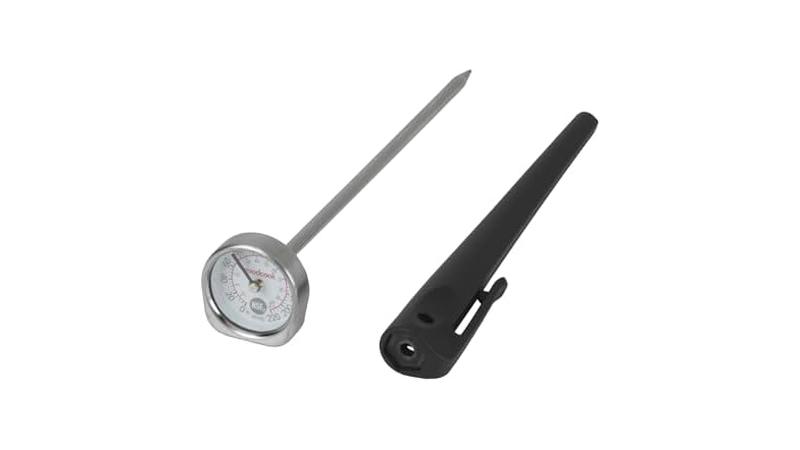
Dial Thermometers: These are the most basic and often have a needle that moves along a dial. If a dial thermometer is inaccurate, it’s usually due to the calibration screw at the back needing adjustment. The process is similar to calibrating digital ones but done manually.
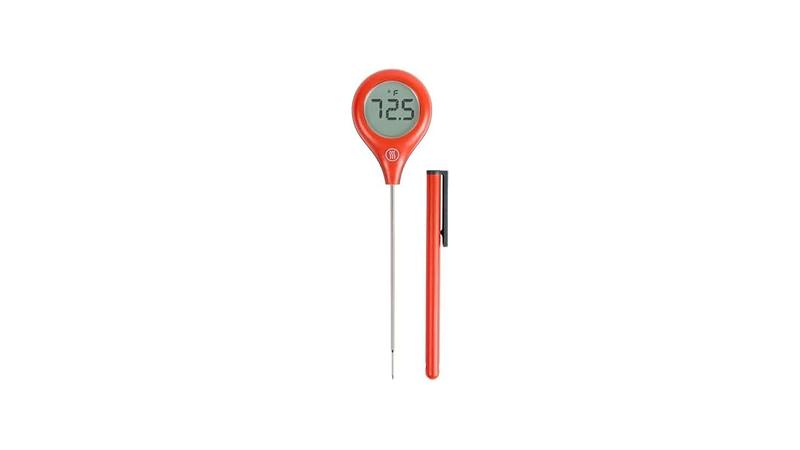
Digital Instant-Read Thermometers: These are very popular for their speed and ease of use. They often feature LCD screens and may have functions like hold buttons or auto-shutoff. Battery issues and probe connection are common problems here.
Oven-Safe Thermometers: These are designed to stay in the food and in the oven throughout the cooking process. Their probes are usually thick and durable. If they give incorrect readings, it could be due to heat damage over time or a faulty cable connecting to the display unit.
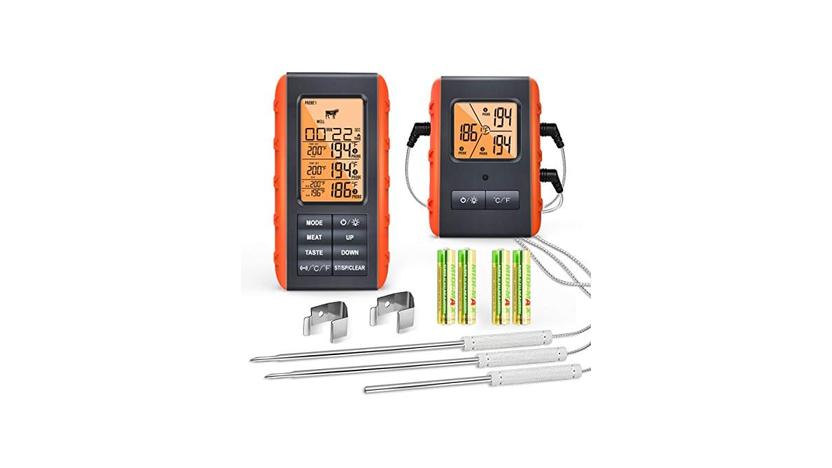
Wireless/Bluetooth Thermometers: These connect to a smartphone app. Problems can arise from poor Bluetooth signal, app glitches, or the probe’s internal battery. Ensuring the probe and the device are paired correctly is crucial.
Testing Probe Connectivity
For thermometers where the probe can be detached or has a wire connecting it to the main unit (like some oven-safe or wireless models), checking the connection is important. A loose or damaged connection can interrupt the signal from the probe to the thermometer.
For wired probes: Carefully examine the point where the wire connects to the thermometer unit. Ensure it’s securely plugged in. Wiggle it gently to see if the reading changes erratically; if it does, the connection might be loose or the wire damaged internally.
Also, check the entire length of the wire for any cuts, kinks, or signs of wear. A damaged wire can short-circuit or prevent the temperature signal from reaching the thermometer. If the wire looks compromised, it might be necessary to replace the probe or the entire unit.
For detachable probes: Make sure the probe is fully inserted into its socket. Sometimes, a bit of debris can get into the socket, preventing a good connection. Carefully clean both the probe tip and the socket before reinserting.
Sample Scenario: Maria’s wireless grill thermometer was showing inconsistent temperatures. She noticed the probe’s wire seemed a bit frayed near the grill unit. She decided to buy a replacement probe, and once connected, her readings became reliable again.
When to Consider Replacing Your Thermometer
While most meat thermometer issues can be fixed, there comes a point where replacement is the best option. If your thermometer is consistently giving inaccurate readings after trying all the troubleshooting steps, or if it’s physically damaged, it’s time for a new one.
A thermometer that has been dropped multiple times, has a cracked display, or a probe that is severely bent or corroded might not be salvageable. Even if it seems to work, the internal sensors might be compromised, leading to persistent inaccuracies.
Think about the age of your thermometer too. Like any electronic device, they can degrade over time. If it’s several years old and you’ve had ongoing issues, investing in a new, more modern thermometer could be a good idea.
Modern thermometers often offer faster readings and better accuracy.
Statistic: According to a consumer report study, the average lifespan of a digital meat thermometer is about 3-5 years with regular use. Beyond this, accuracy can start to decline.
When you’re looking for a new thermometer, consider features like probe material (stainless steel is common and durable), temperature range, response time (how quickly it reads), and any special functions you might need, such as backlighting or a waterproof design.
- Signs of Irreparable Damage: Deep cracks in the casing, water damage (for non-waterproof models), or a probe that bends too easily are clear indicators that a replacement is needed.
Physical damage is often the most definitive sign that a thermometer is beyond repair. For example, if the LCD screen is cracked, it might be difficult to read the temperature, and internal components could be exposed to moisture or dust, leading to further problems. These kinds of issues can compromise the entire device’s functionality.
Preventing Future Meat Thermometer Errors
Once you’ve successfully fixed your meat thermometer, the next step is to ensure it stays accurate. Implementing a few simple habits can prevent future issues and keep your thermometer working reliably for a long time.
These preventative measures are easy to adopt and will save you from the frustration of inaccurate readings in the future. By taking good care of your thermometer, you ensure consistent cooking results.
Regular Cleaning Habits
As we’ve discussed, cleaning is crucial. Make it a habit to wash the probe immediately after each use. Don’t let food particles dry and harden on the probe, as this makes them harder to remove later.
Use mild dish soap and a soft cloth. For digital thermometers, be careful not to submerge the entire unit in water unless it’s specifically marked as waterproof. Most digital units are only water-resistant, meaning the probe can be washed, but the main body should be wiped clean.
Drying the probe completely after washing is also important. Moisture can lead to corrosion over time, especially on metal probes, and can interfere with accurate readings. A quick wipe with a clean towel is usually sufficient.
Proper Storage Techniques
How you store your thermometer matters. Avoid just tossing it into a drawer where the probe can get banged around or bent. Many thermometers come with protective sleeves or cases, and it’s best to use them.
If your thermometer doesn’t come with a case, consider getting a small plastic container or a sturdy pouch to keep the probe protected. Store the thermometer in a dry place, away from extreme temperatures or humidity, which can affect its performance and longevity.
For wired thermometers, try to coil the wire loosely rather than tightly wrapping it. Tight coils can put stress on the wire, leading to internal breaks over time. Store it in a way that minimizes stress on the cable connection.
Periodic Accuracy Checks
Even with regular cleaning and proper storage, it’s a good idea to periodically check your thermometer’s accuracy. This is especially true if you haven’t used it for a while or if you notice any slight oddities in its readings.
You can perform the ice water and boiling water tests described earlier every few months. This allows you to catch any drift in calibration before it leads to a cooking disaster. Most digital thermometers allow for easy recalibration.
Statistic: A survey found that over 60% of home cooks admit to not checking their meat thermometer’s accuracy regularly, leading to frequent cooking mistakes.
If you find your thermometer consistently reads a few degrees off, even after recalibration, it might be time to consider a
- Calibrating Before Big Meals: For important events like holiday dinners or large gatherings, it’s wise to perform a quick calibration check. This provides extra peace of mind.
Testing your thermometer’s accuracy right before a big cooking event can save you a lot of stress. You’ll know for sure that your readings are reliable, allowing you to focus on the cooking and the company, rather than worrying about the food’s temperature.
Frequently Asked Questions
Question: How often should I calibrate my meat thermometer?
Answer: It’s a good idea to calibrate your meat thermometer every few months. If you use it very frequently, checking it monthly is even better. Also, calibrate if you drop it or suspect it’s not reading correctly.
Question: Can I use a regular kitchen thermometer to check meat?
Answer: No, it’s best to use a meat thermometer designed for cooking. Kitchen thermometers might not be designed to withstand the heat of meat or provide accurate readings for food safety.
Question: My digital thermometer shows ‘Err’. What does that mean?
Answer: The ‘Err’ message usually indicates an error, often related to the probe not being inserted far enough, a faulty probe, or a problem with the unit’s electronics. Check probe connection and battery first.
Question: Is it safe to leave the probe in the meat while it cooks?
Answer: Only if you have an oven-safe thermometer with a probe designed for continuous use in the oven. Most instant-read thermometers are not meant to be left in the heat for long periods and can be damaged.
Question: My meat thermometer reads 10 degrees Fahrenheit higher than it should. What should I do?
Answer: This means it needs calibration. You can usually adjust it using the buttons on the thermometer. Consult your manual for specific instructions on how to recalibrate for your model.
Final Thoughts
Fixing a meat thermometer error is usually quite simple. By cleaning, checking batteries, and calibrating, you can get accurate readings again. Taking good care of your thermometer means delicious, safe food every time you cook.