Learning How to Use Meat Thermometer in Oven might seem a little tricky at first, especially when you’re just starting out in the kitchen. You want your food to be cooked just right – not too dry and not undercooked. It’s a common worry for many home cooks.
But don’t worry, it’s actually quite simple once you know the easy steps. We’ll walk you through it so you can cook with confidence every time. Get ready to master your oven and your thermometer!
Mastering Your Meat Thermometer in the Oven
This section is all about getting comfortable with your meat thermometer when cooking in the oven. We will cover why it is such a helpful tool for ensuring food is cooked perfectly and safely. You will learn about the different types of thermometers available and how to pick the best one for your cooking needs.
Understanding these basics will make a big difference in the delicious meals you create. We will also look at how accurate readings help avoid common cooking mistakes, making your kitchen adventures much smoother.
Understanding Meat Thermometers
Meat thermometers are essential kitchen gadgets. They help you check the internal temperature of meat. This is the best way to know if your food is cooked safely and to your liking.
Using one takes the guesswork out of cooking. No more cutting into the meat to see if it’s done, which can let juices escape and make the meat drier. A thermometer gives you a precise reading, leading to perfectly cooked results every time you use your oven.
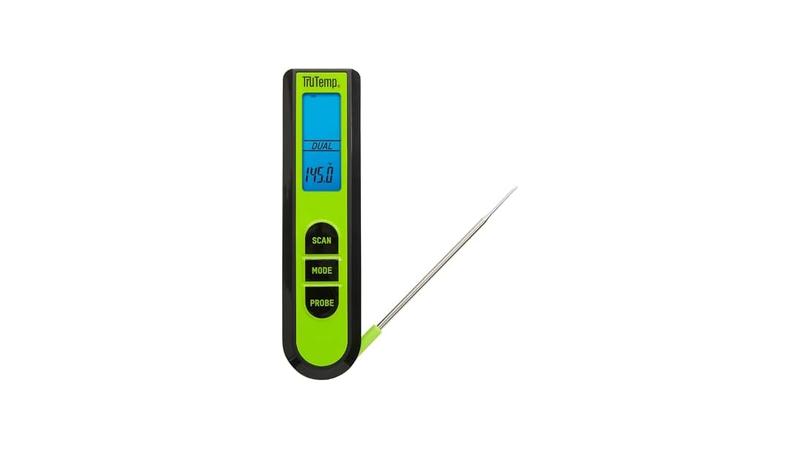
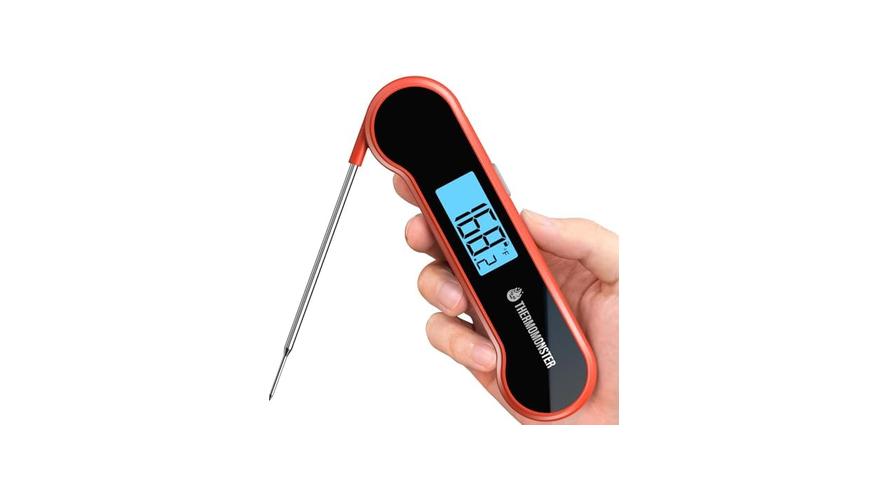
- Instant-Read Thermometers: These are quick and easy to use. You just pop the probe into the thickest part of the meat. It gives you a reading in seconds. This is great for checking doneness as your food finishes cooking in the oven.
- Oven-Safe (Probe) Thermometers: These have a probe that stays in the meat while it cooks. A cable connects the probe to a display unit that sits outside the oven. This lets you monitor the temperature without opening the oven door, which helps maintain a steady cooking temperature.
- Wireless Thermometers: Similar to oven-safe ones, but they use a wireless signal. The display unit can be a separate gadget or even your smartphone. This gives you more freedom to move around while keeping an eye on your roast.
Choosing the right thermometer depends on how you like to cook. For quick checks or when you’re grilling outside, an instant-read is usually best. If you’re roasting a big turkey or a slow-cooked pork shoulder in the oven, an oven-safe or wireless probe thermometer is a fantastic choice.
It allows for continuous monitoring without disturbing the cooking process. This continuous monitoring is key to achieving evenly cooked meat.
The Importance of Internal Temperature
Why bother with internal temperatures? Because it’s all about safety and deliciousness. Different meats need to reach specific internal temperatures to kill harmful bacteria.
For example, poultry needs to be hotter than beef to be safe to eat. Beyond safety, hitting the right temperature ensures the meat is tender and juicy. Undercooked meat can be unsafe, while overcooked meat becomes dry and tough.
A thermometer ensures you hit that sweet spot every time you cook meat in your oven.
Key Temperature Guidelines
Different types of meat require different safe internal temperatures. These are the most common ones to remember for safe eating:
- Beef, Pork, Lamb, Veal (Steaks, Roasts, Chops): For medium-rare, aim for 135°F (57°C). For medium, it’s 145°F (63°C). Well-done is 160°F (71°C).
- Ground Meats (Beef, Pork, Lamb, Veal): These need to reach 160°F (71°C) to be safe because the grinding process can spread bacteria throughout the meat.
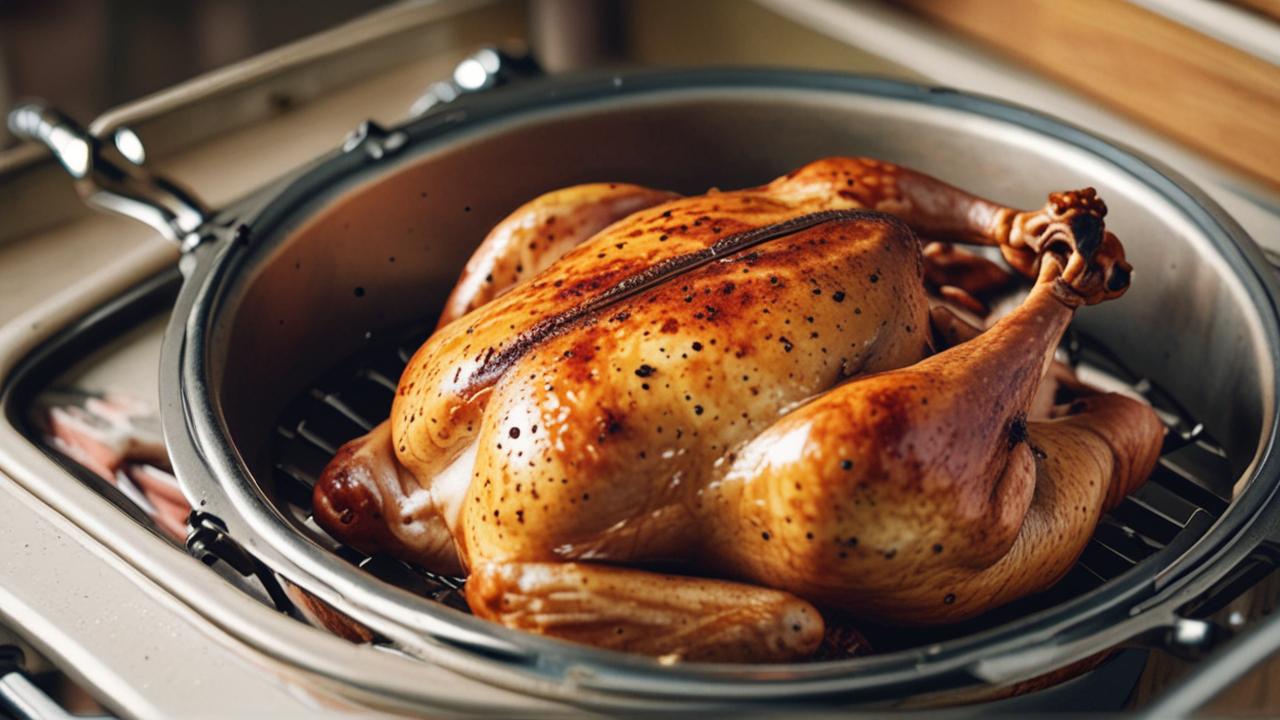
- Poultry (Chicken, Turkey, Duck): Always cook poultry to an internal temperature of 165°F (74°C). This is crucial for killing salmonella and other bacteria.
- Fish: Most fish is done when it reaches 145°F (63°C) and flakes easily with a fork.
Remember that these temperatures are for food safety. Many people prefer their meat cooked to slightly different temperatures for taste and texture. For instance, a medium-rare steak is a popular choice.
The key is to know what temperature you are aiming for based on the type of meat and your preference. Always consult reliable sources for specific cuts and cooking methods.
Setting Up for Success: Before You Cook
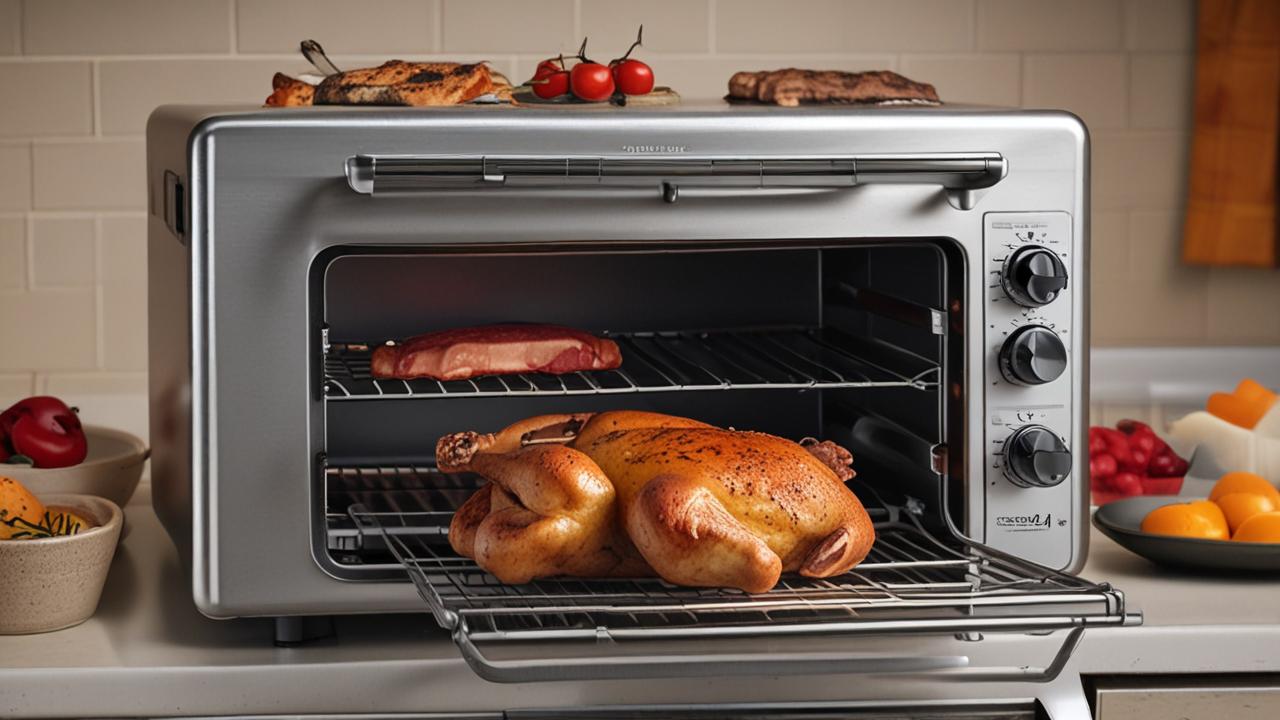
Before you even think about turning on your oven, there are a few steps to take. This preparation ensures you use your meat thermometer correctly. It makes the whole cooking process smoother and the results more predictable.
We’ll cover inspecting your thermometer, understanding your oven, and choosing the right spot to insert the probe. Getting these details right from the start makes a big difference in how well your food turns out.
Checking Your Thermometer
First things first, make sure your thermometer is working properly. If it’s a digital thermometer, check the batteries. If it’s an analog dial type, give it a gentle tap to see if the needle moves freely.
You can also test its accuracy. Fill a glass with ice and water. Stir it well.
Then, insert the probe into the ice water. It should read 32°F (0°C). If it’s off by a few degrees, most digital thermometers have a calibration function.
For analog ones, you might need to adjust the nut behind the dial if it’s adjustable.
A properly calibrated thermometer is your best friend in the kitchen. Without it, you might be guessing even with a thermometer in hand. It’s a simple step that prevents a lot of potential frustration later on.
Think of it like tuning a musical instrument before a performance. You want everything to be just right.
Knowing Your Oven
Every oven is a little different. Some run hotter or cooler than their set temperature. This is where knowing your oven’s quirks comes in handy.
If you haven’t used your oven much, consider doing a test run. You can place an oven thermometer inside and see what temperature it reads compared to what your oven’s dial says. This knowledge helps you adjust your cooking times and temperatures accordingly.
For example, if your oven consistently runs 25°F hotter than set, you’ll know to dial it back a bit. This prevents your food from cooking too fast or burning on the outside while still being raw inside. Consistent oven temperature is key for even cooking, especially when relying on a meat thermometer to tell you when it’s done.
Finding the Thickest Part
When you insert your meat thermometer, you want to get the most accurate reading. This means finding the thickest part of the meat. Avoid hitting bone or large pockets of fat.
Bone conducts heat differently than meat, and fat can be softer or harder depending on the type of meat and its temperature. The goal is to measure the temperature of the actual muscle tissue in the center.
For a whole chicken or turkey, this is usually the deepest part of the thigh, but not touching the bone. For a roast, find the center of the largest mass of meat. If you are cooking something flatter, like a steak or pork chop, you might insert it from the side into the center.
The Step-by-Step Guide: How to Use Meat Thermometer in Oven
Now for the main event! This section walks you through the actual process of using your meat thermometer while cooking in the oven. We’ll break it down into simple, easy-to-follow steps.
You’ll learn exactly where to place the thermometer for different cuts of meat and how to read the temperature accurately. Following these steps will boost your confidence and lead to wonderfully cooked meals.
Using an Oven-Safe Thermometer
If you are using an oven-safe thermometer, this is how you do it. First, preheat your oven to the desired temperature. While the oven is heating, prepare your meat.
Insert the probe into the thickest part of the meat, making sure not to touch any bones or large fatty areas. The tip of the probe should be in the very center.
Then, place the meat in the preheated oven. Position the thermometer so that the display unit is outside the oven. You can often run the cable under the oven door.
This allows you to check the temperature without opening the oven. Opening the oven door lets out heat, which can prolong cooking time and make it uneven.
Keep an eye on the display unit. When the temperature reaches your target, your food is ready. For roasts and whole birds, it’s a good idea to let the meat rest for a bit after removing it from the oven.
The internal temperature will continue to rise slightly during this resting period, a process called carryover cooking.
- Preheat your oven and prepare your meat.
- Insert the probe into the thickest part of the meat, avoiding bone and fat.
- Place the meat in the oven, with the thermometer’s display unit outside.
- Monitor the temperature reading.
- Remove the meat when it reaches the desired internal temperature.
Using an Instant-Read Thermometer
Instant-read thermometers are used for quick checks, often towards the end of cooking. They are excellent for steaks, chicken breasts, or when you’re unsure if your food is quite done. First, set your oven temperature and put your food in to cook.
When you think your food is close to being ready, carefully open the oven door. Gently pull out the oven rack a few inches, being mindful of the hot air. Insert the probe of the instant-read thermometer into the thickest part of the meat.
Make sure you’re not touching bone or fat.
Read the temperature displayed on the thermometer. If it’s not yet at your target temperature, push the rack back in, close the oven door, and let it cook for a few more minutes. Then, test it again.
Repeat this process until the meat reaches the correct internal temperature. This method requires more frequent checking but is very effective for precise doneness.
- Cook your food in the oven until it seems nearly done.
- Open the oven and pull out the rack slightly.
- Insert the probe into the thickest part of the meat.
- Read the temperature. If it’s too low, close the oven and cook longer, then re-check.
- Once it reaches the target, remove the food from the oven.
Tips for Accurate Readings
To get the most accurate temperature reading, follow these simple tips. Always insert the probe into the center of the thickest part of the meat. If cooking a large roast, check the temperature in a couple of spots to ensure it’s evenly cooked.
For a whole bird, check the thickest part of the thigh and the breast.
Be patient. Don’t pull the meat out too soon. Food continues to cook for a little while after it leaves the oven.
This “carryover cooking” can raise the temperature by 5 to 10 degrees Fahrenheit. So, pull your meat out when it’s a few degrees below your final target.
Clean your thermometer probe after each use. This is important for hygiene and also prevents old food particles from affecting future readings. Most digital probes can be wiped clean with a damp cloth.
For stubborn bits, a little soap and water is fine, but make sure to dry it thoroughly.
Common Pitfalls and How to Avoid Them
Even with a thermometer, some mistakes can still happen. This section will help you avoid common issues. We’ll discuss why food might not cook evenly, what to do if your temperature readings seem off, and how to handle different types of meat.
Understanding these potential problems allows you to cook with greater confidence and achieve consistently delicious results.
Uneven Cooking Issues
Sometimes, even with a thermometer, meat doesn’t cook evenly. This can happen for a few reasons. If the oven temperature fluctuates too much, one side might cook faster than the other.
Also, the placement of the food in the oven matters. If you have a large item like a turkey, and you place it too close to the oven walls or heating element, it can cook unevenly.
Another reason for uneven cooking is the shape of the meat itself. Thicker parts take longer to cook than thinner parts. When using an oven-safe thermometer, ensure the probe is in the absolute thickest part.
If using an instant-read, check multiple spots if the meat is irregularly shaped. Rotating the pan halfway through cooking can also help promote even heat distribution.
Interpreting Readings Correctly
It’s important to know what your thermometer is telling you. Remember that carryover cooking is a real thing. Pulling meat out at the exact target temperature might result in slightly overcooked meat once it rests.
Aim to remove it a few degrees shy of your final goal.
Also, ensure you are inserting the probe correctly. If you hit a bone, the temperature reading will be higher than the actual meat temperature. If you’re in a pocket of fat, it might be lower.
Always aim for the center of the thickest muscle. If you get a reading that seems way too high or too low, try taking another reading in a different spot.
Handling Different Cuts of Meat
How you use your thermometer can vary slightly depending on the cut. For a whole chicken or turkey, the thigh is a great place to check, but also check the breast. For roasts like a pork loin or beef tenderloin, find the center.
For smaller items like pork chops or chicken breasts, you might use an instant-read thermometer more often.
Ground meat is different. It needs to be cooked thoroughly to 160°F (71°C) throughout. This means you need to ensure the center of the patty or the mixture reaches this temperature.
You might need to break apart a ground meat mixture to check the internal temperature accurately in several places.
Real-World Examples and Scenarios
Seeing how others use their thermometers can be very helpful. These examples show practical applications for using your meat thermometer in the oven. They highlight how this simple tool leads to better cooking outcomes.
We’ll look at a few common cooking situations and how a thermometer makes them easier and more successful.
Roasting a Holiday Turkey
A holiday turkey is a big undertaking, and everyone wants it perfect. Using an oven-safe thermometer is key here. You insert the probe into the thickest part of the thigh, away from the bone.
The cable connects to a display outside the oven, so you can watch the temperature climb without losing heat.
For a typical 15-pound turkey, you might aim for a thigh temperature of 165°F (74°C). Once the thermometer reaches this point, you remove the turkey. You then let it rest for at least 20 minutes.
During this rest, the temperature will rise another few degrees, ensuring it’s cooked safely and juices redistribute for a moist bird. Without the thermometer, it’s easy to guess and end up with a dry breast and undercooked thighs.
Baking a Meatloaf
Meatloaf often looks done on the outside but can be undercooked inside. This is especially true for large, dense meatloaves. Using an instant-read thermometer is a great way to check.
About 10-15 minutes before you think it’s ready, insert the probe into the center of the meatloaf.
You are looking for a reading of 160°F (71°C) for ground meat. If it’s lower, close the oven and let it cook longer, then check again. This ensures that the entire meatloaf is cooked through safely and is moist.
Many recipes recommend letting meatloaf rest for about 10 minutes after baking before slicing, which helps it hold its shape.
Cooking a Beef Roast
Beef roasts are often cooked to a specific level of doneness, like medium-rare. This is where precise temperature control is vital. You would use an oven-safe thermometer inserted into the thickest part of the roast.
For a medium-rare beef roast, you are looking for an internal temperature of 135°F (57°C).
You would remove the roast from the oven when the thermometer reads about 130-132°F (54-56°C). This allows for the carryover cooking to bring it up to the perfect medium-rare temperature. Resting a roast is also very important for tenderness and juiciness.
A beautifully cooked beef roast with a perfect pink center is achievable with the help of your thermometer.
Frequently Asked Questions
Question: Do I need to calibrate my meat thermometer often?
Answer: It’s a good idea to check your thermometer’s calibration every few months, or if you drop it. For an ice water test, it should read 32°F (0°C). If it’s off by more than a degree or two, you might need to recalibrate it if it’s digital.
Question: Can I leave a meat thermometer in the oven overnight?
Answer: Only use oven-safe thermometers designed for that purpose. Most digital thermometers are not designed to withstand prolonged high heat and could be damaged if left in the oven for extended periods. Always check your thermometer’s instructions.
Question: What’s the difference between oven temperature and meat temperature?
Answer: Oven temperature is how hot the air is inside your oven. Meat temperature is the actual heat inside the food you are cooking. The thermometer measures the meat temperature to tell you when it’s safely cooked.
Question: Should I rest my meat after taking it out of the oven?
Answer: Yes, resting your meat is very important! It allows the juices to redistribute throughout the meat, making it more tender and flavorful. It also helps the internal temperature rise a few more degrees.
Question: How do I clean my meat thermometer?
Answer: Most digital thermometer probes can be cleaned with warm, soapy water and a soft cloth. Always dry them thoroughly. Avoid submerging the entire thermometer in water unless the manufacturer’s instructions say it’s waterproof.
Final Thoughts
Using a meat thermometer in the oven is simple. It takes the guesswork out of cooking. You can achieve perfectly cooked, safe, and delicious meals every time.
Just remember to check your thermometer, find the thickest part of the meat, and aim for the right temperature. Happy cooking!