What temperature is medium steak? The ideal internal temperature for a medium steak is 140°F to 145°F (60°C to 63°C). Knowing what temperature is medium steak ensures you cook your meat perfectly every single time. This post covers the exact temperatures, resting times, and cooking methods you need to nail that perfect pink center.
Getting the heat right matters because it affects texture, flavor, and food safety. You will learn how to use a meat thermometer properly and avoid common grilling mistakes. Whether you use a grill, oven, or stovetop, these steps guarantee consistent results for your next dinner.
Simply put, what temperature is medium steak? A medium steak reaches an internal temperature of 140°F to 145°F. At this range, the center stays warm and mostly pink with just a hint of brown. Always pull the meat off the heat five degrees early to account for carryover cooking.
What Temperature Is Medium Steak Exactly?
The standard answer to what temperature is medium steak falls between 140°F and 145°F. The United States Department of Agriculture (USDA) recommends cooking whole cuts of beef to at least 145°F followed by a three-minute rest period. Hitting this specific target guarantees a safe and delicious piece of meat.
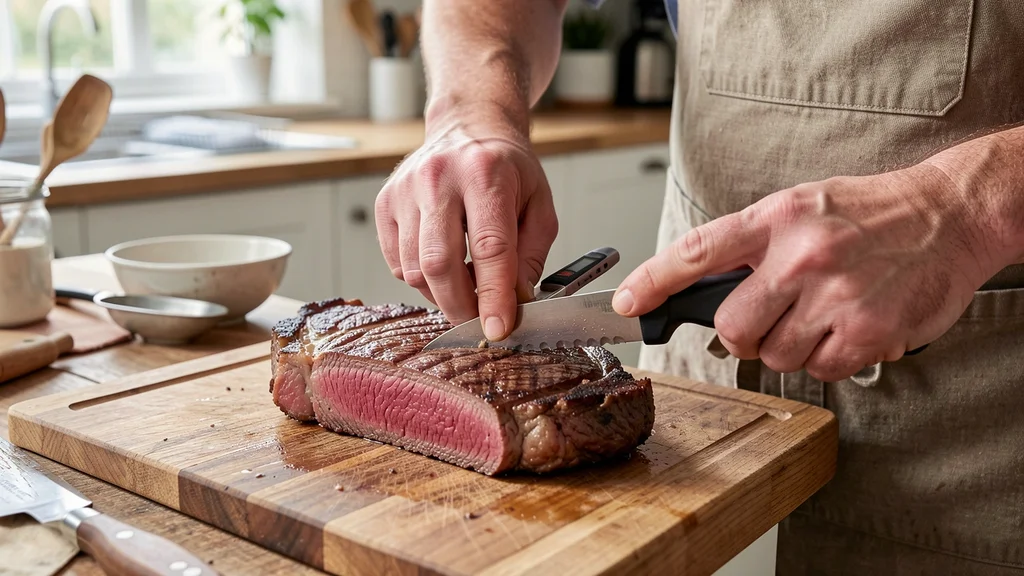
A medium steak features a warm, pink center surrounded by a slightly firmer outer layer. The proteins have denatured enough to change the texture without squeezing out all the natural juices. This balance makes medium one of the most popular doneness levels among home cooks and chefs alike.
Temperature accuracy matters more than cooking time. Every cut of meat varies in thickness, fat content, and starting temperature. Relying on minutes alone often leads to overcooked or undercooked results.
A digital instant-read thermometer remains your best tool for precision.
- Target final temperature: 140°F to 145°F (60°C to 63°C)
- Pull-off temperature: 135°F to 140°F (to allow for carryover cooking)
- Center color: Warm pink with slight browning near the edges
- Texture: Firm but still yields easily to pressure
- Resting time required: Minimum 3 to 5 minutes
- USDA minimum recommendation: 145°F for whole beef cuts
Important: Always insert your meat thermometer into the thickest part of the steak. Avoid touching bone or large pockets of fat, as these areas give false readings and ruin your temperature check.
How to Measure Steak Temperature Correctly
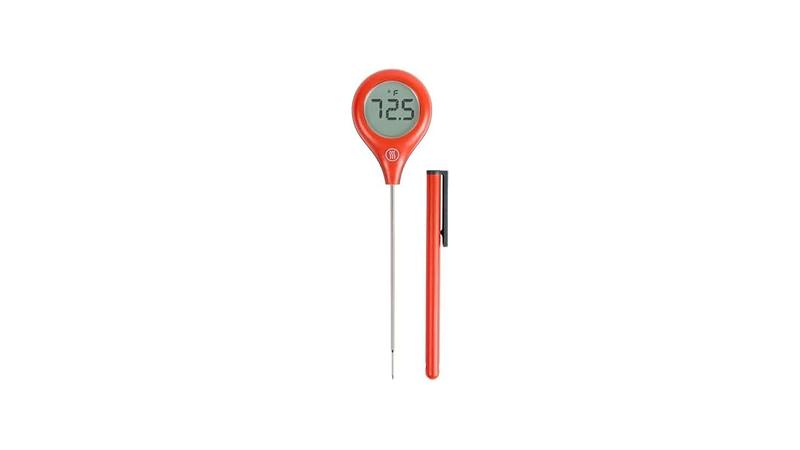
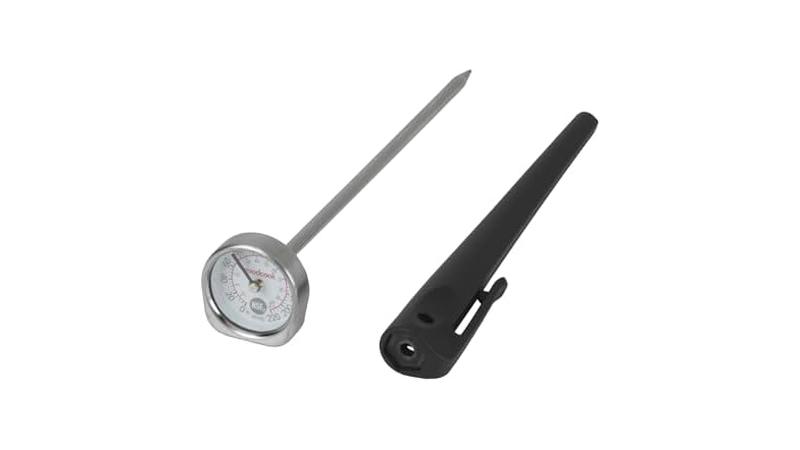
Knowing what temperature is medium steak means nothing if you measure it incorrectly. A high-quality digital instant-read thermometer like a ThermoWorks Thermapen provides fast, accurate readings. Dial thermometers take too long and often lack the precision needed for thin cuts.
The technique you use determines your success. Insert the probe horizontally through the side of the steak rather than from the top down. Push the tip into the very center, which represents the coolest part of the meat.
This spot dictates the overall doneness level.
Check the temperature early and often. Start testing about two-thirds of the way through your estimated cooking time. Meat temperature rises rapidly near the end of the cooking process.
Waiting too long to check guarantees you will overshoot your target.
- Select a reliable digital instant-read meat thermometer.
- Insert the probe horizontally through the side edge of the steak.
- Push the tip until it reaches the geometric center of the thickest section.
- Wait for the reading to stabilize, usually 2 to 3 seconds for digital models.
- Remove the probe and note the displayed temperature.
- Pull the steak from the heat source when it reads 5°F below your target.
According to America’s Test Kitchen, using a digital thermometer reduces the risk of overcooking meat by up to 75% compared to relying on touch or visual cues alone. Investing in a good thermometer pays for itself after just one perfectly cooked dinner.
| Thermometer Type | Read Time | Accuracy |
|---|---|---|
| Digital Instant-Read | 2 to 3 seconds | High (+/- 1°F) |
| Dial Bimetallic | 15 to 20 seconds | Moderate (+/- 3°F) |
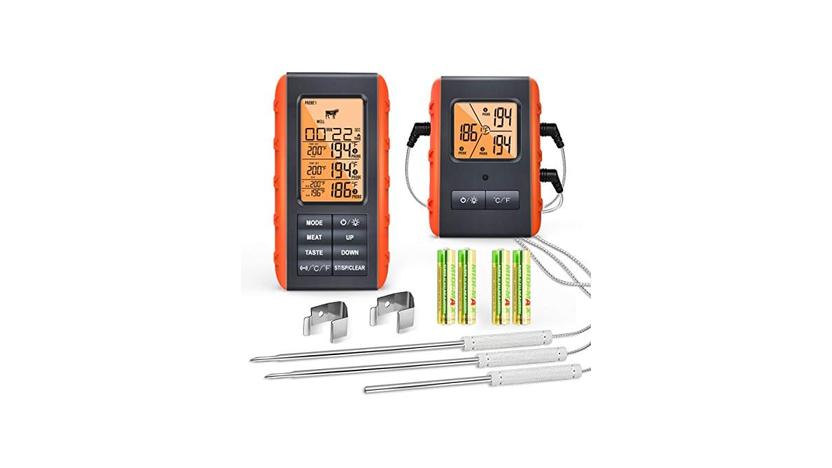
| Wireless Probe | Continuous | High (+/- 1°F) |
| Infrared Surface | Instant | Low (surface only) |
Digital instant-read thermometers remain the top choice for steaks. They offer speed and precision without requiring you to leave the probe inside the meat during the entire cooking process.
Steak Doneness Temperature Chart
To fully grasp what temperature is medium steak, you need context. Comparing medium to other doneness levels helps you adjust based on personal preference or who you are cooking for. Each stage changes the protein structure and moisture retention differently.
Rare steaks stay cool and red in the center, while well-done steaks turn completely brown and firm. Medium sits right in the sweet spot where the Maillard reaction creates a flavorful crust, but the interior retains plenty of moisture and tenderness.
The National Cattlemen’s Beef Association reports that medium remains the most requested doneness level in American steakhouses, accounting for nearly 37% of all orders. This popularity stems from the perfect balance of flavor, texture, and safety it provides.
| Doneness Level | Final Temp (°F) | Pull Temp (°F) | Center Color |
|---|---|---|---|
| Rare | 120°F – 125°F | 115°F – 120°F | Cool Red |
| Medium Rare | 130°F – 135°F | 125°F – 130°F | Warm Red |
| Medium | 140°F – 145°F | 135°F – 140°F | Warm Pink |
| Medium Well | 150°F – 155°F | 145°F – 150°F | Slightly Pink |
| Well Done | 160°F+ | 155°F+ | Brown/Gray |
Use this chart as your primary reference guide. Remember that the pull temperature is always lower than the final temperature due to residual heat continuing to cook the meat after you remove it from the grill or pan.
Warning: Never guess doneness by pressing the steak with your finger. The “touch test” is highly unreliable and varies drastically depending on the cut, thickness, and your own hand sensitivity. Always use a thermometer.
Why Carryover Cooking Changes Your Target Temperature
Carryover cooking explains why you must pull your steak before it hits the final number. When you ask what temperature is medium steak, the real secret lies in understanding how heat transfers after cooking stops. The exterior holds massive thermal energy that pushes inward once removed from the heat source.
This phenomenon causes the internal temperature to rise by 5°F to 10°F during the resting phase. Thicker cuts retain more heat and experience a larger temperature jump. A two-inch ribeye might climb 10 degrees, while a thin flank steak may only rise 3 or 4 degrees.
Failing to account for carryover cooking is the number one reason home cooks overcook their steaks. If you wait until the thermometer reads exactly 145°F on the grill, your steak will rest up to 155°F, pushing it into medium-well territory.
- Heat moves from the hot exterior toward the cooler center after removal.
- Internal temperature typically rises 5°F to 10°F during resting.
- Thicker steaks experience more carryover cooking than thinner ones.
- Higher cooking temperatures create a larger thermal gradient and more carryover.
- Always pull the meat 5°F below your desired final eating temperature.
- Tenting loosely with foil slows down cooling but does not stop the temperature rise.
Food science experts at Serious Eats confirm that carryover cooking can increase the core temperature of a thick steak by as much as 10°F if seared at extremely high temperatures. Managing this variable separates amateur cooks from professionals.
How to Cook a Medium Steak on the Grill
Grilling delivers the best flavor through direct radiant heat and smoke. Achieving a perfect medium requires managing two distinct heat zones on your grill. This method prevents burning the outside before the inside reaches the correct temperature.
Set up a two-zone fire. Pile your charcoal on one side or turn on burners on only one half of your gas grill. You need a screaming hot side for searing (around 450°F to 500°F) and a cooler indirect side for gentle roasting (around 300°F).
Start by patting the steak completely dry with paper towels. Moisture creates steam, which blocks the Maillard reaction and prevents a proper crust. Season generously with kosher salt and coarse black pepper right before placing it on the grates.
- Preheat your grill to establish a strong two-zone fire setup.
- Pat the steak dry and apply a generous layer of salt and pepper.
- Place the steak on the direct high-heat zone for 2 to 3 minutes per side.
- Move the steak to the indirect cooler zone to finish cooking gently.
- Monitor the internal temperature using your digital thermometer.
- Pull the steak off the grill when the center reads 135°F to 140°F.
- Transfer to a warm plate and let it rest undisturbed for 5 minutes.
The reverse sear method works exceptionally well for steaks thicker than 1.5 inches. You start on the indirect side until the meat reaches 125°F internally, then move it to the blazing hot side for a quick 60-second sear per side. This approach guarantees edge-to-edge pink perfection without a gray band.
Tip: Oil the steak itself rather than the grill grates. Brushing oil directly onto the meat prevents flare-ups caused by dripping fat hitting the open flames below.
Cooking Medium Steak in a Cast Iron Skillet
A heavy cast iron skillet rivals any outdoor grill for steak preparation. Cast iron holds heat incredibly well, providing the intense surface contact needed for a deep, caramelized crust. This method works perfectly regardless of weather conditions.
Choose a pan large enough to hold the steak without crowding. Overcrowding drops the pan temperature instantly and causes the meat to steam instead of sear. Preheat the skillet over medium-high heat for at least five full minutes before adding any oil.
Use an oil with a high smoke point. Extra virgin olive oil burns too quickly and turns bitter. Avocado oil, refined canola oil, or grapeseed oil handle the extreme heat required for a proper sear without breaking down or smoking excessively.
- Cast iron retains heat better than stainless steel or non-stick pans.
- Preheat the empty skillet for 5 to 7 minutes over medium-high heat.
- Use high smoke-point oils like avocado or grapeseed oil.
- Baste with butter, garlic, and fresh thyme during the last minute of cooking.
- Avoid moving the steak constantly; let it sit to build a crust.
- Finish in a 400°F oven if the steak is thicker than 1.5 inches.
For extra flavor, add a tablespoon of unsalted butter, two crushed garlic cloves, and a sprig of fresh rosemary during the final two minutes of cooking. Tilt the pan slightly and spoon the foaming butter continuously over the top of the steak. This technique, known as arrosage, adds incredible richness.
Consumer Reports notes that cast iron skillets reach surface temperatures exceeding 500°F when properly preheated, making them ideal for replicating professional steakhouse results in a standard home kitchen environment.
Common Mistakes That Ruin Steak Temperature
Even when you know exactly what temperature is medium steak, simple errors can destroy your dinner. Most ruined steaks result from poor preparation habits rather than bad cooking techniques. Fixing these small details makes a massive difference in your final results.
Cooking cold meat straight from the refrigerator causes uneven cooking. The outside burns while the inside remains raw. Letting the steak sit at room temperature for 30 to 45 minutes before cooking allows the heat to penetrate evenly throughout the entire cut.
Slicing the meat immediately after cooking forces all the trapped juices to spill out onto the cutting board. Resting allows the muscle fibers to relax and reabsorb the moisture. Cutting too soon leaves you with a dry, tough piece of beef.
- Cooking the steak directly from the refrigerator without tempering it first.
- Using a dull knife or fork to flip the meat, piercing the surface unnecessarily.
- Flipping the steak too frequently instead of letting a crust form properly.
- Ignoring carryover cooking and leaving the meat on the heat until it hits 145°F.
- Slicing the steak immediately without allowing a proper resting period.
- Using a dirty or uncalibrated thermometer that gives false readings.
Another frequent error involves choosing the wrong cut for high-heat cooking. Lean cuts like eye of round dry out quickly past medium rare. Fattier cuts like ribeye or New York strip handle medium temperatures beautifully because the intramuscular fat renders and keeps the meat moist.
Warning: Never wash raw steak under running water before cooking. This practice spreads harmful bacteria around your sink and kitchen surfaces without providing any food safety benefits.
Best Cuts of Beef for Medium Doneness
Not every steak performs equally well at medium temperatures. Fat content and muscle structure dictate how a cut reacts to heat. Choosing the right piece of meat ensures you get the tender, juicy results you expect when targeting that 140°F to 145°F range.
Marbling refers to the white flecks of intramuscular fat scattered throughout the red meat. As the steak heats up, this fat melts and lubricates the muscle fibers. Cuts with abundant marbling stay moist even when cooked past medium rare, making them ideal candidates for medium doneness.
Lean cuts lack this protective fat layer. Cooking a filet mignon to medium often results in a drier texture compared to a heavily marbled ribeye cooked to the exact same temperature. Match your cut to your preferred doneness level for the best experience.
| Beef Cut | Fat Content | Performance at Medium | Best Cooking Method |
|---|---|---|---|
| Ribeye | High Marbling | Excellent | Grill or Cast Iron |
| New York Strip | Moderate | Very Good | Grill or Pan Sear |
| T-Bone / Porterhouse | Mixed | Good | Two-Zone Grill |
| Filet Mignon | Very Lean | Fair (can dry out) | Pan Sear + Oven |
| Top Sirloin | Lean | Good if rested well | High Heat Grill |
When shopping, look for USDA Choice or Prime grades. These designations guarantee higher levels of marbling compared to Select grade beef. According to the USDA grading system, Prime beef contains the highest amount of intramuscular fat, making it the most forgiving cut to cook to medium.
How Resting Time Affects Your Final Steak
Resting is not optional. It is a critical step that determines whether your steak eats like a dream or disappoints completely. When meat cooks, the intense heat forces muscle fibers to contract tightly, squeezing moisture toward the cooler center of the cut.
If you slice the steak immediately, those pressurized juices flood out onto your cutting board. You lose flavor, moisture, and tenderness in seconds. Allowing the meat to rest gives the fibers time to relax and reabsorb the displaced liquid back into the tissue structure.
The general rule requires resting the steak for roughly half the total time it spent cooking. A steak that grilled for ten minutes needs about five minutes of rest. Larger, thicker cuts might require up to ten minutes to stabilize fully.
- Resting allows contracted muscle fibers to relax and widen again.
- Juices redistribute evenly throughout the entire cut instead of pooling in the center.
- The internal temperature continues to rise 5°F to 10°F during this phase.
- Place the steak on a warm plate or wooden cutting board to prevent rapid cooling.
- Tent loosely with aluminum foil if cooking in a cold environment.
- Never wrap the steak tightly in foil, as trapped steam ruins the crispy crust.
- Minimum resting time should never drop below three minutes for any cut.
Harold McGee, author of On Food and Cooking, explains that resting meat reduces juice loss by up to 60% compared to slicing immediately off the heat. This scientific fact proves that patience yields significantly better culinary results every single time.
Tip: Warm your serving plates in a low oven (around 170°F) before plating the rested steak. Placing hot meat on a cold plate drops the surface temperature instantly and halts the resting process prematurely.
Frequently Asked Questions
Is 145 degrees considered medium or medium well?
A final temperature of 145°F is the upper limit of medium according to the USDA. Once a steak crosses 150°F, it enters medium-well territory. To hit a perfect medium, pull the steak from the heat when your thermometer reads 140°F and let carryover cooking do the rest.
Can I cook a frozen steak to medium?
Cooking a frozen steak directly is possible but makes achieving an even medium doneness very difficult. The outside tends to overcook before the frozen center thaws and heats through. For consistent results, thaw your steak completely in the refrigerator overnight before cooking.
Does the type of meat change the medium temperature?
Yes, different proteins require different safe temperatures. While beef targets 140°F to 145°F for medium, pork is generally cooked to 145°F minimum. Chicken and turkey must always reach 165°F for safety, meaning poultry does not have a “medium” doneness option.
Why does my medium steak look redder than restaurant steaks?
Color perception varies based on lighting, the animal’s diet, and the specific muscle used. Some cuts naturally appear darker red even at 145°F. Rely strictly on your digital thermometer rather than visual color cues to determine true doneness accurately.
Should I season the steak before or after checking the temperature?
Always season your steak generously before cooking. Salt draws out surface moisture initially but then dissolves and gets reabsorbed, seasoning the meat deeply. Checking the temperature happens near the end of the cooking process, long after seasoning should be applied.
Final Thoughts
Knowing what temperature is medium steak transforms your cooking results instantly. Target 140°F to 145°F, always use a digital thermometer, and respect the resting period. Master these fundamentals, and you will serve perfect, juicy steaks every single time.