Sometimes, when you’re cooking, your meat thermometer just stops working. It can be super frustrating, especially when you’re trying to make sure your food is cooked just right. For beginners, facing a Meat Thermometer Not Working What to Do situation can feel tricky.
But don’t worry! This guide is here to help you fix it easily. We’ll walk through simple steps to get your thermometer working again in no time.
Let’s find out what might be wrong and how to fix it.
Troubleshooting Your Meat Thermometer
When your meat thermometer acts up, it’s easy to feel a little lost. This section helps you figure out the common reasons why it might not be giving you a reading. We’ll look at simple checks you can do right away.
Think of this as the first step in getting your cooking helper back online. We’ll cover battery issues, probe problems, and even how you’re using it.
Checking the Battery
Many digital meat thermometers rely on batteries to work. If the display is blank or it’s acting strange, a dead or low battery is often the culprit. It’s a simple fix that can save a lot of hassle.
-
Battery Type: Make sure you’re using the correct battery type. Check your thermometer’s manual or the battery compartment for the size and kind needed, like AAA or coin cell batteries.
-
Battery
-
Battery Contacts: Look inside the battery compartment for any signs of corrosion or dirt. You can gently clean these contacts with a pencil eraser or a cotton swab dipped in a little rubbing alcohol. Let it dry completely before putting the new batteries in.
Examining the Probe
The probe is the part that goes into the food. If it’s damaged or not connected properly, your thermometer won’t get an accurate reading. This is another common reason for a Meat Thermometer Not Working What to Do scenario.
-
Loose Connection: For thermometers with detachable probes, ensure the probe is firmly plugged into the thermometer base. Sometimes, a slight wiggle or reseating the connection can solve the problem.
-
Damaged Probe Wire: Inspect the wire that connects the probe to the thermometer. Look for any cuts, kinks, or frayed spots. If the wire is damaged, it might not be transmitting the temperature signal correctly.
A damaged probe wire often means the probe needs to be replaced.
-
Probe Cleanliness: While not usually a cause for complete failure, a dirty probe can sometimes affect readings. Make sure the probe tip is clean and free of any food debris or grease.
Resetting the Thermometer
Sometimes, electronic devices just need a quick reset to clear out any glitches. This is a simple step that can often fix a Meat Thermometer Not Working What to Do issue.
-
Power Cycle: For digital thermometers, the easiest reset is to remove the batteries for about a minute, then reinsert them. This forces the device to reboot its internal system.
-
Factory Reset: Some more advanced thermometers might have a specific reset button or a combination of buttons to press to return it to its original settings. Consult your user manual to see if this is an option for your model.
Understanding How Thermometers Work
To really fix a Meat Thermometer Not Working What to Do problem, it helps to know a little about how they function. Most digital meat thermometers use a temperature sensor, called a thermistor or thermocouple, at the tip of the probe. This sensor changes its electrical resistance based on the temperature it’s exposed to.
The thermometer’s main unit then measures this change in resistance and converts it into a temperature reading, which is shown on the digital display. Analog thermometers, on the other hand, often use a bimetallic strip. This strip is made of two different metals bonded together.
As the temperature changes, these metals expand at different rates, causing the strip to bend. This bending action moves a needle on a dial, indicating the temperature. Understanding these basic principles can help you spot where things might be going wrong.
Types of Meat Thermometers
There are several kinds of meat thermometers available, and knowing which one you have can help with troubleshooting. Each type has its own way of measuring temperature and its own potential issues.
-
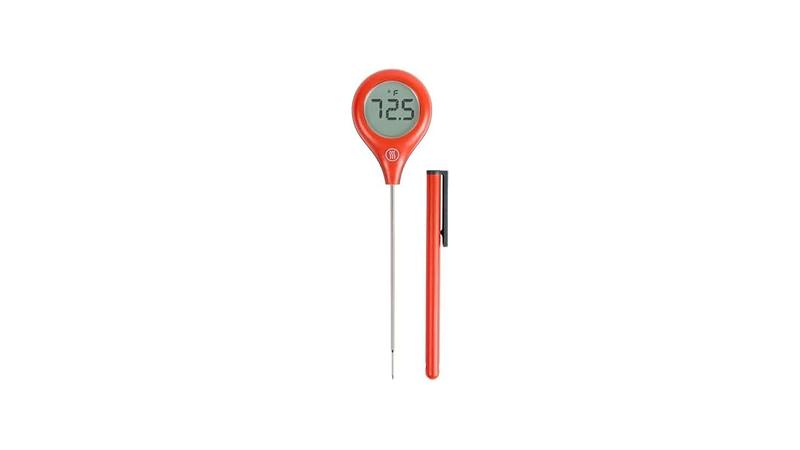
Digital Instant-Read Thermometers: These are very popular because they give a fast reading, often within seconds. They have a probe and a digital display. Battery issues or a loose probe connection are common problems here.
-
Oven-Safe Thermometers: These have a probe that stays in the meat while it cooks in the oven, with a wire leading to a display outside the oven. Problems can arise from the wire connection or if the display unit is too close to the heat source.
-
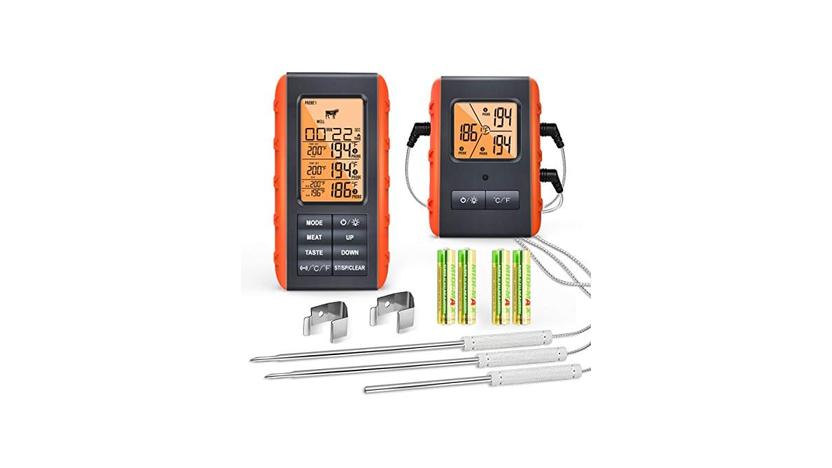
Wireless/Bluetooth Thermometers: These connect to a smartphone or tablet, allowing you to monitor cooking temperatures remotely. Issues can include pairing problems, battery drain on both the thermometer and the device, or signal interference.
-
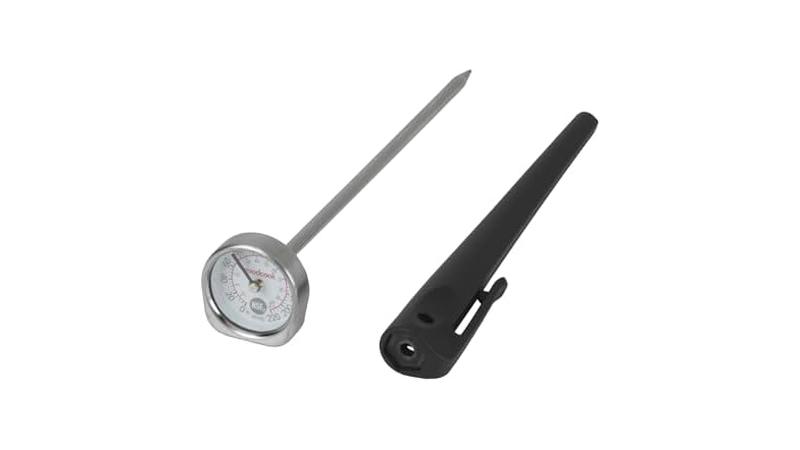
Analog Dial Thermometers: These are the older style with a dial. They don’t have batteries, but the internal mechanism can sometimes get out of calibration or become damaged if dropped.
Calibration and Accuracy Checks
Even if your thermometer seems to be working, it’s good to check if it’s accurate. A thermometer that’s off can lead to undercooked or overcooked food.
-
Ice Water Test: Fill a glass with ice and water. Stir it well. Place the probe into the ice water, making sure it doesn’t touch the sides or bottom of the glass.
A reliable thermometer should read 32°F (0°C) after about 30 seconds.
-
Boiling Water Test: Boil a small pot of water. Carefully place the probe into the boiling water, again avoiding the bottom or sides. At sea level, boiling water should read 212°F (100°C).
Note that this temperature will be slightly lower at higher altitudes.
-
Adjusting Calibration: Some digital thermometers allow for calibration. Check your manual to see if yours does and how to perform it. If the readings are consistently off by a small margin and your thermometer doesn’t have a calibration feature, it might be time to consider a replacement.
Common Issues and Solutions for a Meat Thermometer Not Working What to Do
Let’s get specific about the problems you might encounter and how to solve them. Facing a Meat Thermometer Not Working What to Do situation often comes down to a few recurring themes. We’ll break them down so you can quickly identify and fix the issue.
Display Issues
If your digital thermometer’s screen is blank, showing weird symbols, or not turning on at all, it points to power or connection problems. This is one of the most frequent issues for beginners.
-
Blank Screen: As mentioned, start with the batteries.
-
Flickering or Garbled Display: This could also be a battery issue, or it might indicate that the internal electronics are being affected by extreme temperatures or moisture. If the thermometer is supposed to be waterproof, ensure the seals are intact.
-
“Lo” or “Hi” Readings: Some thermometers display “Lo” when the temperature is too low to read or “Hi” when it’s too high. This usually means the probe is working but the temperature is outside the thermometer’s measurable range. For example, “Lo” might appear if the probe is not inserted deeply enough or is in a very cold environment.
Inaccurate Readings
Getting a reading is one thing, but getting the right reading is essential. If your thermometer seems to be on but shows incorrect temperatures, it’s a problem that needs attention.
-
Inconsistent Readings: If the temperature jumps around wildly while you’re trying to measure, the probe might be faulty, or there could be a loose connection. Try wiggling the probe at the connection point to see if the reading stabilizes. If it’s an oven-safe thermometer, ensure the probe wire isn’t touching the oven walls or racks, which can cause false readings.
-
Readings Too High or Too Low: This often relates back to calibration. If you perform the ice water and boiling water tests and the readings are off by more than a degree or two, the thermometer may need recalibration or replacement.
-
Slow Readings: While “instant-read” suggests speed, some thermometers are naturally slower than others. However, if it’s suddenly taking much longer than usual to get a stable reading, it could indicate a problem with the probe’s sensor.
Probe and Wire Problems
The probe is the heart of the thermometer. Any issue here directly impacts its ability to function correctly, making the Meat Thermometer Not Working What to Do dilemma very specific.
-
Damaged Probe Tip: If the tip of the probe is bent, broken, or corroded, it can affect its ability to sense temperature accurately. Clean it gently, and if it’s physically damaged, it likely needs replacement.
-
Wire Breaks (for oven-safe models): The wire connecting the probe to the display is often a weak point. Constant bending or exposure to high heat can cause internal breaks. If you suspect a wire issue, try gently flexing the wire at different points while observing the display for any reaction.
Often, a damaged wire means you need a new probe or a new thermometer.
-
Moisture in Probe Jack: If your thermometer is not waterproof, moisture can get into the jack where the probe plugs in. This can cause short circuits and erratic readings. Ensure the jack is completely dry before inserting the probe.
When to Consider Replacement
Sometimes, despite your best efforts, a Meat Thermometer Not Working What to Do situation can’t be solved with simple fixes. There comes a point when replacing the thermometer is the most practical solution.
Signs It’s Time for a New Thermometer
Knowing when to let go of an old thermometer is important. If it’s constantly giving you trouble or you can’t get it to work reliably, it’s probably time for an upgrade. A faulty thermometer can lead to unsafe food or ruined meals.
-
Persistent Inaccuracy: If your thermometer consistently fails the ice water and boiling water tests by a significant margin, and there’s no way to recalibrate it, it’s likely time for a new one. Accuracy is paramount for food safety.
-
Physical Damage: If the probe is bent, cracked, or the wire is visibly damaged beyond repair, it’s a clear sign to replace it. Dropping a thermometer can cause internal damage that isn’t always visible.
-
Frequent Malfunctions: If you find yourself troubleshooting your thermometer more often than you’re using it, the frustration isn’t worth it. Investing in a new, reliable thermometer will save you time and stress in the long run.
-
Outdated Technology: Older thermometers may lack features like faster read times, better temperature ranges, or Bluetooth connectivity. If you’re looking for improved performance or convenience, an upgrade might be beneficial.
Choosing a New Thermometer
When you decide to buy a new meat thermometer, there are many great options available. Consider what you cook most often and what features would be most helpful for you. A good thermometer is a kitchen essential that pays for itself in perfectly cooked meals.
-
Read Reviews: Look at what other users are saying about different brands and models. Reviews can highlight durability, accuracy, and ease of use.
-
Consider Your Needs: Do you need something for quick grilling checks, long roasts in the oven, or smoking? Instant-read thermometers are great for quick checks, while wireless probes are ideal for long cooks where you want to monitor remotely.
-
Check Specifications: Pay attention to the temperature range, accuracy (+/- degrees), response time (how quickly it reads), and whether it’s waterproof or probe-safe.
Frequently Asked Questions
Question: My digital meat thermometer won’t turn on. What should I do?
Answer: First, check the batteries. Make sure they are new and inserted correctly. Clean the battery contacts if they look dirty or corroded.
If it still doesn’t turn on, try removing the batteries for a minute and then reinserting them.
Question: Why is my meat thermometer showing incorrect temperatures?
Answer: This is often due to calibration issues. Try the ice water test (should read 32°F/0°C) and the boiling water test (should read 212°F/100°C at sea level). If the readings are consistently off, you may need to recalibrate it if your model allows, or it might need replacing.
Question: The probe wire on my oven-safe thermometer is damaged. Can I fix it?
Answer: Unfortunately, probe wires are difficult to repair reliably. If the wire is kinked, cut, or frayed, it usually means the probe needs to be replaced. Some thermometers have replaceable probes, but often you might need to buy a whole new thermometer.
Question: My meat thermometer is old. How do I know if it’s time to get a new one?
Answer: If your thermometer is consistently inaccurate, physically damaged, or frequently malfunctions, it’s probably time for a replacement. An unreliable thermometer can lead to unsafe cooking temperatures.
Question: Can I use my meat thermometer in a smoker?
Answer: Yes, many meat thermometers are designed for use in smokers. For long smoking sessions, an oven-safe thermometer with a probe that stays in the meat and a wire leading to an external display is ideal. Just ensure the probe and wire are rated for the high temperatures of a smoker.
Conclusion
When your Meat Thermometer Not Working What to Do, remember it’s usually a simple fix. Check batteries, connections, and the probe. If these steps don’t work, a replacement might be needed.
Get your thermometer back in working order for perfectly cooked meals.