Getting accurate temperature readings might seem tricky at first, but it’s actually pretty simple once you know a few tricks. Many beginners find it a bit confusing to get a number they can really trust. This guide will make it easy for you.
We’ll walk through it step by step so you can get reliable numbers every time. Let’s look at what makes a temperature reading good and how you can achieve that.
Understanding Temperature Measurement Basics
This part explains the simple science behind measuring temperature. We’ll look at how different tools work and what makes them give you a number. Knowing these basics helps you choose the right tool and use it correctly.
This section is all about getting a good start for accurate temperature measurements.
What is Temperature?
Temperature is a measure of how hot or cold something is. It tells us how much the tiny particles (atoms and molecules) inside an object are moving. When things are hot, these particles move very fast.
When things are cold, they move slower.
We use special units to talk about temperature. The most common ones are Celsius (°C) and Fahrenheit (°F). Kelvin (K) is also used, especially in science.
Knowing these units helps us compare temperatures from different places or tools.
How Thermometers Work
Thermometers are the tools we use to measure temperature. Most thermometers work by using a substance that changes in a predictable way when its temperature changes.
For example, many older thermometers use liquid. This liquid, like mercury or alcohol, expands when it gets warmer. It rises up a narrow tube.
When it gets colder, the liquid shrinks and goes down. A scale next to the tube shows you the temperature.
Digital thermometers use electronic sensors. These sensors change their electrical properties based on the temperature. A small computer chip then reads this change and shows the temperature as a number on a screen.
These are often very quick and easy to read.
Choosing the Right Thermometer
There are many kinds of thermometers. Some are for checking your body temperature, some for cooking, and others for weather. Using the wrong kind won’t give you an accurate reading for what you need.
For example, a meat thermometer is designed for high heat and needs to be put into food. A medical thermometer is designed to be safe and accurate for body temperatures, often under the tongue or in the ear. A weather thermometer is usually placed outside to measure air temperature.
-
Medical Thermometers: These are used to measure body temperature. They need to be very precise because even small changes can matter for health. They come in different types like oral, ear, forehead, and rectal.
Using a medical thermometer correctly is important for health. If you’re trying to see if someone has a fever, you need a tool that is sensitive to small changes around normal body temperature. Some medical thermometers can give readings in just a few seconds, which is helpful for children.
-
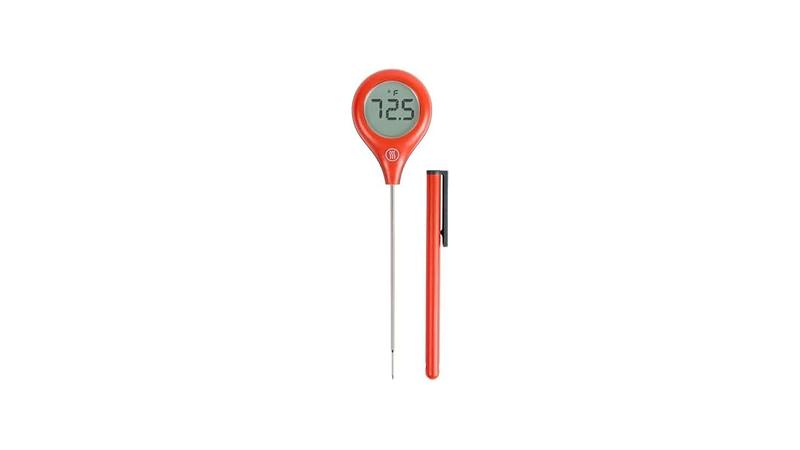
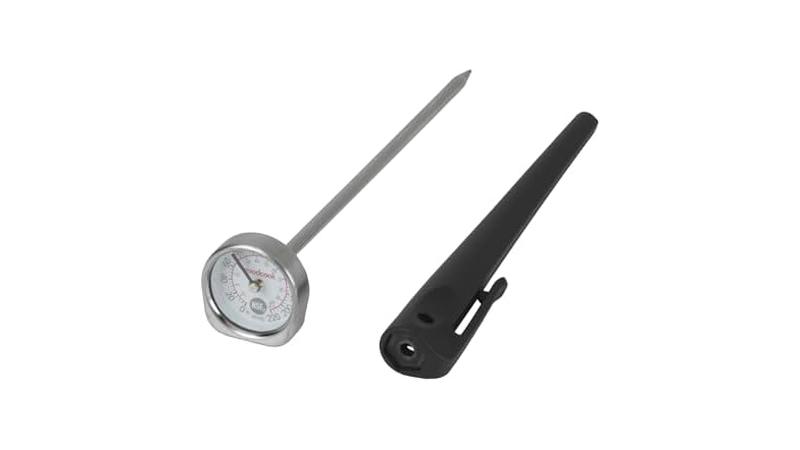
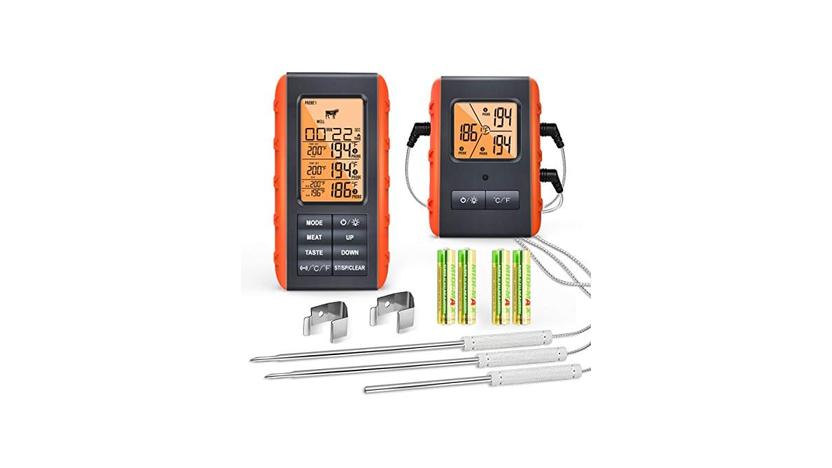
Cooking Thermometers: These help ensure food is cooked to a safe temperature. This is vital for preventing foodborne illnesses. They are built to withstand higher heat and often have a probe you insert into food.
When cooking, using the right thermometer can save a meal or even a life. For instance, knowing the internal temperature of chicken ensures it’s cooked through, making it safe to eat. Different foods have different safe temperature targets, so a good cooking thermometer is a must-have.
-
Environmental Thermometers: These measure the temperature of the air or other surroundings. They are used for weather forecasts or to check if a room is a comfortable temperature.
If you’re trying to keep a room at a certain temperature for comfort or to protect plants, an environmental thermometer is what you need. They are typically designed to be placed in the area you want to measure and give you a general idea of the ambient heat.
Factors Affecting Temperature Readings
Even with the best thermometer, some things can make your reading not quite right. This section talks about those things. We’ll learn how the environment and how you use the thermometer can change the number you see.
Getting rid of these issues is key to How to Get Accurate Temperature Readings.
Environmental Influences
The world around the thermometer can really change its reading. If you’re trying to measure something specific, you need to make sure the surroundings aren’t messing things up.
For example, if you’re measuring the temperature of a drink, and the room is very hot, the drink might warm up faster than you can read it, or the thermometer itself might absorb heat from the air.
-
Air Currents: Moving air can cool down a hot object faster or warm up a cold object faster than still air. This can trick your thermometer if it’s not placed carefully.
Imagine you’re trying to measure the temperature of a warm cake just out of the oven. If there’s a strong fan blowing on it, the cake will cool down faster, and your thermometer might show a lower temperature than the cake’s actual core heat at that moment.
-
Humidity: High humidity, which means a lot of moisture in the air, can affect some types of temperature measurements, especially those related to evaporation.
For instance, some older style thermometers, like those that use wet bulbs, are directly affected by how quickly water evaporates from them. In humid air, water evaporates slower, making the wet bulb read warmer.
-
Direct Sunlight or Heat Sources: If a thermometer is in direct sun or too close to a heater, it will read the heat from those sources, not the true temperature of what you are trying to measure.
A common mistake is leaving a thermometer on a windowsill. If the sun is shining brightly through the glass, the thermometer will heat up from the sun’s rays, showing a much higher temperature than the actual room temperature.
User Error and Technique
How you use the thermometer is just as important as the thermometer itself. Simple mistakes can lead to readings that are off.
One common issue is not giving the thermometer enough time to adjust. A thermometer needs a moment to get to the same temperature as the thing it’s measuring.
-
Improper Placement: Putting the thermometer in the wrong spot can lead to wrong results. For example, measuring the temperature of a meal by touching only the edge of a roast might not tell you the temperature of the center.
When checking the temperature of a large piece of meat, you need to insert the probe into the thickest part, away from any bones or fat. This gives you the most accurate idea of whether the entire roast is safely cooked.
-
Insufficient Acclimation Time: Thermometers need time to reach the temperature of their surroundings. If you move a thermometer from a cold room to a warm one and read it immediately, it won’t be accurate.
Think about bringing an ice-cold drink inside on a hot day. If you try to measure its temperature right away, your thermometer will still be reading its cold storage temperature, not how quickly it’s starting to warm up in the room.
-
Not Cleaning the Thermometer: Leftover residue from a previous measurement can affect the next reading, especially with medical or cooking thermometers.
If you use a cooking thermometer to check a baked potato and then immediately use it to check a chicken breast without cleaning it, tiny bits of potato might transfer heat or affect the sensor, giving you an inaccurate reading for the chicken.
Achieving Precise Temperature Measurements
Now we get to the good stuff: how to actually get those accurate numbers. This part gives you practical tips and clear steps to follow. We will cover checking your tools and using them the best way possible for reliable results.
This is where you learn the secrets to How to Get Accurate Temperature Readings.
Calibration and Verification
Before you rely on any thermometer, it’s smart to check if it’s working right. This process is called calibration or verification. It’s like making sure your watch is telling the correct time.
You can do this with a simple ice water bath or boiling water. This helps confirm your thermometer is giving you readings close to known temperatures.
-
The Ice Water Bath Test: Fill a glass with ice and water. Stir it and let it sit for a few minutes. A good thermometer should read 32°F (0°C) in this mixture.
This test is very reliable because ice and water create a very stable temperature. If your thermometer reads much higher or lower than 32°F, it’s likely not calibrated correctly. You might need to adjust it if possible, or consider using a different thermometer.
-
The Boiling Water Test: Boil some water in an open pot. Carefully place the thermometer into the boiling water, making sure it doesn’t touch the sides or bottom of the pot. A good thermometer should read 212°F (100°C) at sea level.
Keep in mind that boiling point changes with how high you are above sea level. At higher altitudes, water boils at a lower temperature. So, if you live in a mountainous area, you’ll need to know the correct boiling point for your altitude for this test to be accurate.
-
Checking Digital Thermometer Accuracy: Many digital thermometers have a self-calibration feature or allow for adjustments. Always read the manual for your specific device.
Some advanced digital thermometers can even be sent back to the manufacturer for professional recalibration. This ensures they maintain their high level of accuracy over time, which is important for scientific or industrial uses.
Proper Usage Techniques
Using your thermometer the right way is crucial. Even a perfectly calibrated thermometer will give wrong readings if used incorrectly.
Here are some key techniques to make sure your readings are as accurate as possible.
-
Allow for Stabilization: Always give your thermometer enough time to adjust to the temperature of the object or environment you are measuring. For digital thermometers, this is often just a few seconds, but for older liquid-in-glass ones, it can take longer.
If you are measuring the temperature of a chilled food item, remove it from the refrigerator and let it sit for a minute or two before inserting the thermometer. This ensures the thermometer is reading the food’s temperature, not just the cold air it was briefly exposed to.
-
Measure at the Correct Location: For cooking, this means the thickest part of the food, away from bone or fat. For body temperature, follow the specific instructions for oral, ear, or forehead measurements.
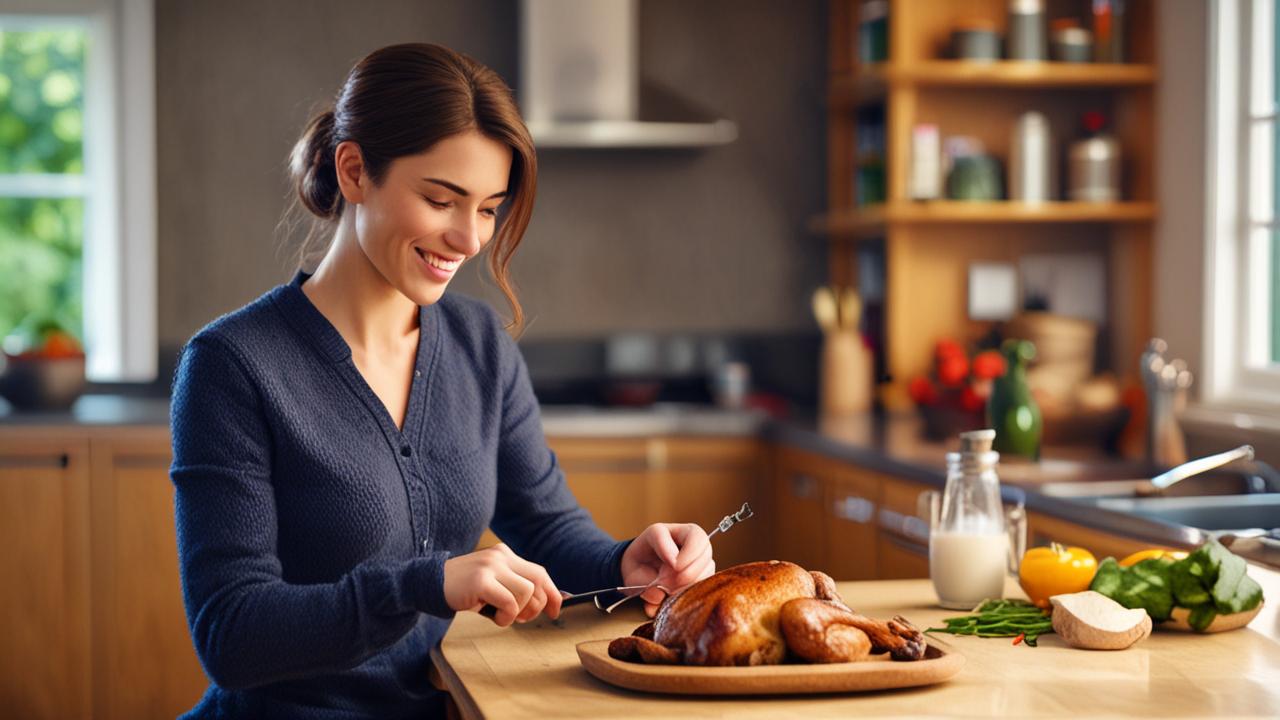
Imagine you are baking a large turkey. The surface will cook much faster than the center. By inserting the thermometer into the deepest part of the thigh or breast, you can be sure the entire bird has reached a safe temperature.
-
Avoid Contamination: Always clean your thermometer before and after use, especially if it’s a medical or cooking thermometer. This prevents the spread of germs and ensures that residue doesn’t affect future readings.
For cooking, wiping the probe with a sanitizing wipe or washing it with hot, soapy water is a good practice. For medical thermometers, use rubbing alcohol or a disinfectant wipe according to the manufacturer’s recommendations.
-
Read the Display Clearly: For digital thermometers, make sure you are reading the final stable number on the screen. For liquid-in-glass thermometers, position yourself so you can clearly see the top of the liquid column against the scale.
Sometimes, digital thermometers will continue to update the reading until it stabilizes. Wait for the display to stop changing or for the device to beep, indicating a final reading, before noting the temperature.
Environmental Considerations for Accuracy
You can also control the environment around your measurement to get better results. Small changes here can make a big difference.
-
Minimize Airflow: When possible, take temperature readings in still air. If you are measuring an object, try to shield it from drafts or fans during the measurement.
For example, if you are checking the temperature of a sensitive electronic device, turn off any nearby fans or air conditioning units for a few minutes to get a more stable reading.
-
Avoid Direct Heat or Cold Sources: Make sure your thermometer and the object being measured are not near radiators, open windows, or other temperature extremes that aren’t part of your intended measurement.
If you are trying to get the room temperature, don’t place the thermometer right next to a heating vent or an open window. Move it to a central location in the room, away from direct sources of heat or cold.
-
Consider Latent Heat Effects: For some measurements, especially involving phase changes like melting or freezing, the temperature might stay the same for a while even as heat is added or removed. Be patient.
When ice is melting, its temperature stays at 32°F (0°C) even though it is absorbing heat. If you are measuring melting ice, you should expect to see a steady 32°F reading until all the ice has turned to water.

Advanced Tips for Temperature Accuracy
For those who need the very best results, there are a few extra steps you can take. This section touches on more detailed aspects that can help refine your measurements even further. Mastering these can greatly improve your success in How to Get Accurate Temperature Readings.
Understanding Thermometer Lag
Every thermometer takes a little bit of time to catch up to the temperature it’s measuring. This is called thermometer lag. Different types of thermometers have different lag times.
For instance, a big, bulky thermometer will take longer to change its temperature compared to a small, thin digital probe. Knowing this helps you wait long enough.
-
How Lag Affects Readings: If you take a reading too quickly, you might be measuring the thermometer’s old temperature, not the new one. This is especially true when measuring something that is changing temperature rapidly.
Imagine measuring the temperature of something that is cooling down very fast. If you don’t wait long enough, your thermometer might still be holding onto a higher temperature from before, making the cooling seem slower than it really is.
-
Reducing Lag Effects: To minimize lag, ensure the thermometer’s probe is fully in contact with the substance being measured. For digital probes, using ones with thinner tips can often speed up the response time.
When measuring liquids, stirring the liquid gently while the thermometer is in place can help ensure the temperature is uniform around the probe, and the thermometer can get an accurate reading faster.
Infrared Thermometry: A Different Approach
Infrared (IR) thermometers measure temperature without touching. They detect the heat energy an object gives off. This is useful for surfaces that are hard to reach or too hot to touch.
These thermometers have a “distance-to-spot” ratio. This means the further away you are, the larger the area the thermometer measures. You need to be the right distance to measure only what you want.
-
Emissivity Settings: Different materials give off heat energy differently. This is called emissivity. Some IR thermometers let you adjust this setting to match the material you’re measuring for better accuracy.
For example, a shiny surface like polished metal reflects a lot of infrared energy and has low emissivity. A dark, matte surface like black paint has high emissivity. If your IR thermometer isn’t set to the correct emissivity for the surface, your readings will be off.
-
Distance-to-Spot Ratio: This ratio tells you how large a measurement spot will be at a certain distance. For example, a 12:1 ratio means at 12 inches away, the spot size is 1 inch.
If you want to measure the temperature of a small electronic component, you need to get close enough so that the measurement spot is smaller than the component. If you are too far away, the reading will be an average of the component and its surroundings, making it inaccurate.
When to Use Specialized Thermometers
For some tasks, standard thermometers just won’t cut it. You need tools designed for specific conditions.
These specialized tools are built to handle extreme temperatures, measure very small objects, or work in difficult environments.
-
High-Temperature Thermometers: Used for things like checking molten metal or kilns, these can measure thousands of degrees.
These thermometers often use special types of radiation detection or exotic materials that can withstand extreme heat without melting or degrading, allowing for readings in environments where regular thermometers would instantly fail.
-
Thermocouples: These are very versatile and can be used over a wide range of temperatures. They are made of two different metals joined together.
Thermocouples are often used in industrial settings because they are durable and can be made into very fine probes for quick response times. They are also relatively inexpensive, making them a popular choice for many applications.
-
Resistance Temperature Detectors (RTDs): These are known for their excellent accuracy and stability over time, especially at moderate temperatures. They use the change in electrical resistance of a metal (like platinum) as it heats up or cools down.
RTDs are often found in laboratory settings or in industrial processes where highly precise and consistent temperature monitoring is critical. Their accuracy can be superior to thermocouples in certain temperature ranges.
Frequently Asked Questions
Frequently Asked Questions
Question: How do I know if my thermometer is broken?
Answer: If your thermometer consistently gives readings that are very different from what you expect, or if it fails simple tests like the ice water bath test (should be 32°F or 0°C), it might be broken or need recalibration.
Question: Can the battery affect my digital thermometer’s accuracy?
Answer: Yes, a low battery in a digital thermometer can sometimes lead to inaccurate or unstable readings. It’s a good idea to replace batteries regularly.
Question: Is it okay to use a cooking thermometer for my body?
Answer: No, it’s generally not a good idea. Cooking thermometers aren’t designed for body temperature and may not be accurate enough. Also, there’s a risk of spreading germs between food and your body.
Question: What is the best way to measure the temperature of a liquid?
Answer: For liquids, insert the thermometer’s probe deep enough so it’s fully submerged but not touching the bottom or sides of the container. Stirring gently can help get a more uniform temperature reading.
Question: Why is my outdoor thermometer showing a different temperature than my indoor one?
Answer: This is normal. Outdoor thermometers measure air temperature outside, which is usually different from the controlled temperature inside your home. They are also affected by direct sunlight and wind.
Conclusion
You now have a clear path to getting precise temperature readings. Remember to check your tools and use them with care. Follow these simple steps, and you’ll get reliable numbers every time.
Happy measuring!