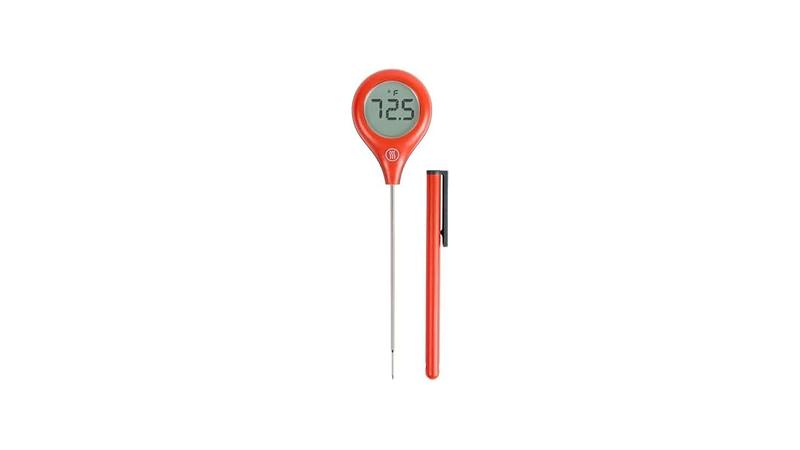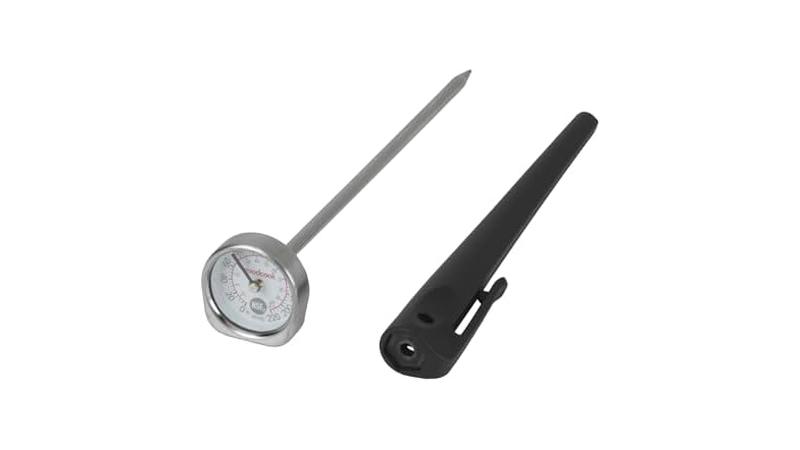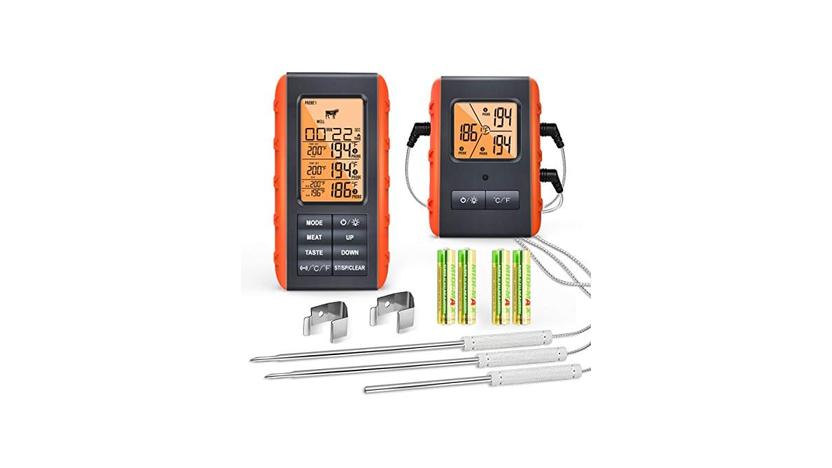
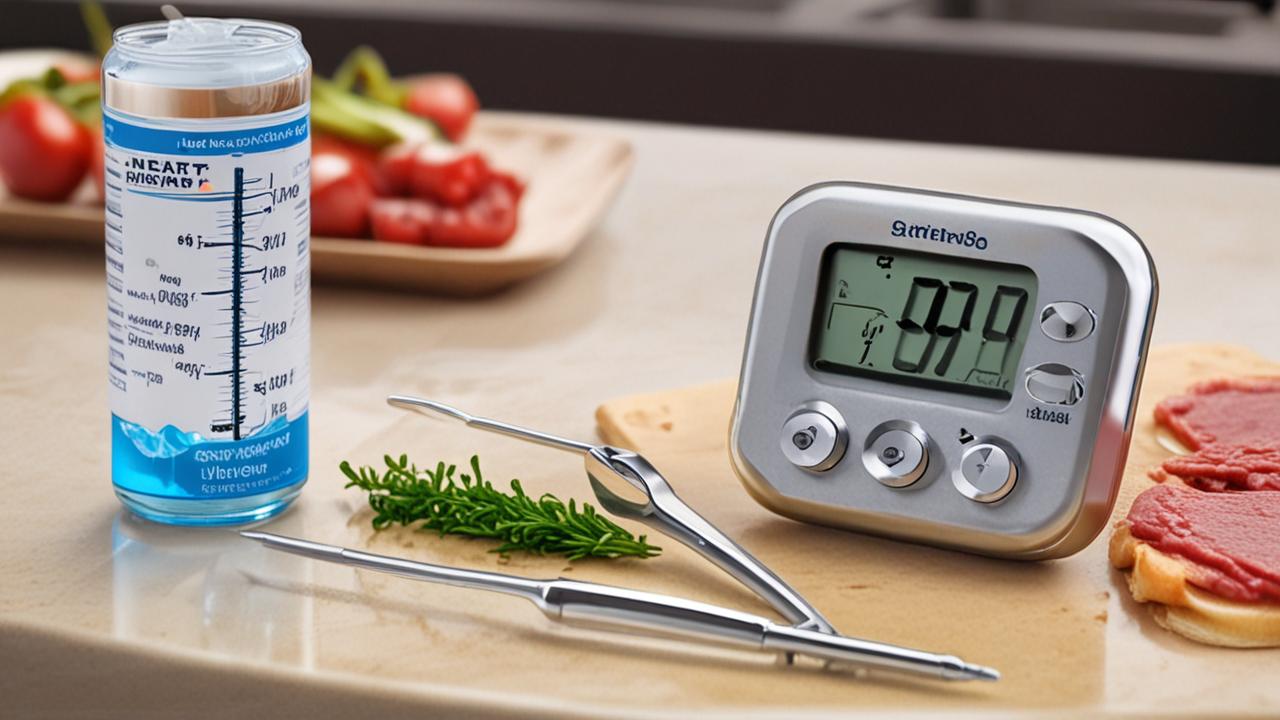
Keeping your meat thermometer in good shape might seem like a small thing, but it’s super important if you want perfectly cooked food every time. For folks just starting out, thinking about How to Maintain a Meat Thermometer can feel a bit tricky. You might worry about breaking it or not cleaning it right.
Don’t worry! We’re going to walk through everything step-by-step, making it easy. After we cover cleaning and care, we’ll look at how to make sure it’s always reading accurately for your cooking needs.
Keeping Your Meat Thermometer Clean and Ready
This section is all about making sure your trusty meat thermometer stays hygienic and works well. Proper cleaning is the first step to accurate readings and making sure your thermometer lasts a long time. We’ll cover the best ways to clean it after each use, and what to do if it gets really dirty.
Keeping it clean isn’t just about looks; it’s about food safety too.
Everyday Cleaning After Use
After you’ve pulled your delicious meal off the grill or out of the oven, your meat thermometer likely has some gunk on it. The best way to handle this is right away. Don’t let food bits dry and stick hard.
This makes cleaning much tougher later on.
- Wipe it down with a damp cloth: For most situations, a soft cloth that’s just a little bit wet is all you need. Gently wipe the probe, which is the metal part that goes into the meat. This removes most surface bits.
Using a damp cloth is a simple but effective way to get off any immediate residue. It’s quick and doesn’t involve a lot of fuss, which is perfect after a busy cooking session. Always make sure the cloth is clean before you wipe, so you aren’t spreading germs.
- Use warm, soapy water for tougher bits: If you see bits of food stuck on, especially from thicker cuts or baked-on messes, a bit of mild dish soap and warm water will help. You can use a soft sponge or cloth to gently scrub these spots.
Warm water helps to loosen grease and food particles. A small amount of dish soap breaks down the food’s structure, making it easier to wipe away. Be gentle, though.
You don’t want to scratch the probe or damage any sensitive parts of the thermometer, especially digital ones.
- Rinse thoroughly: After washing, it’s important to rinse the probe completely. Make sure no soap residue is left behind. Soap can affect the taste of your food if it’s not all gone.
Rinsing is a critical step to ensure that no soap remains on the probe. Soap residue can be harmful if ingested, and it can also interfere with the thermometer’s ability to get an accurate reading by leaving a film. Use clean, running water to wash away all traces of soap.
- Dry it completely: Moisture can lead to rust or damage, especially on metal probes. After rinsing, use a clean, dry towel to pat the probe dry. You can also let it air dry for a bit.
Drying is a vital step that many people skip. For analog thermometers, moisture left on the metal can cause them to rust over time. For digital ones, water can get into the electronic components and cause damage or malfunction.
A thorough drying process helps your thermometer last longer and perform better.
Deep Cleaning and Sanitizing
Sometimes, your thermometer needs a more thorough cleaning. This is especially true if you’ve been cooking raw meats or if it’s been a while since its last deep clean. Sanitizing helps kill any lingering bacteria.
- Soaking in a mild bleach solution: For a truly deep clean and to kill germs, you can soak the probe in a diluted bleach solution. Mix one teaspoon of bleach with one gallon of water. Soak the probe for about 10-15 minutes.
This method is very effective at killing bacteria and sanitizing the probe. However, it’s crucial to use the correct dilution. Too much bleach can damage the metal or leave a strong odor.
Always rinse the probe extremely well after using bleach.
- Vinegar rinse: After soaking in bleach or for a general refresh, a rinse with white vinegar can help remove any bleach smell and further sanitize. Let the probe sit in vinegar for a few minutes.
Vinegar is a natural disinfectant and deodorizer. It’s a good follow-up to bleach because it neutralizes the bleach and helps remove its strong scent. The acidity in vinegar can also help to break down mineral deposits if you have hard water.
- Final rinse and dry: Always give the probe a final rinse with clean water after using bleach or vinegar. Then, dry it thoroughly with a clean towel.
This is the most important part after any deep cleaning. You need to remove all traces of the cleaning agents. A good rinse ensures that no chemicals are left on the probe that could affect your food or the thermometer itself.
Thorough drying prevents rust and corrosion.
Checking Your Meat Thermometer’s Accuracy
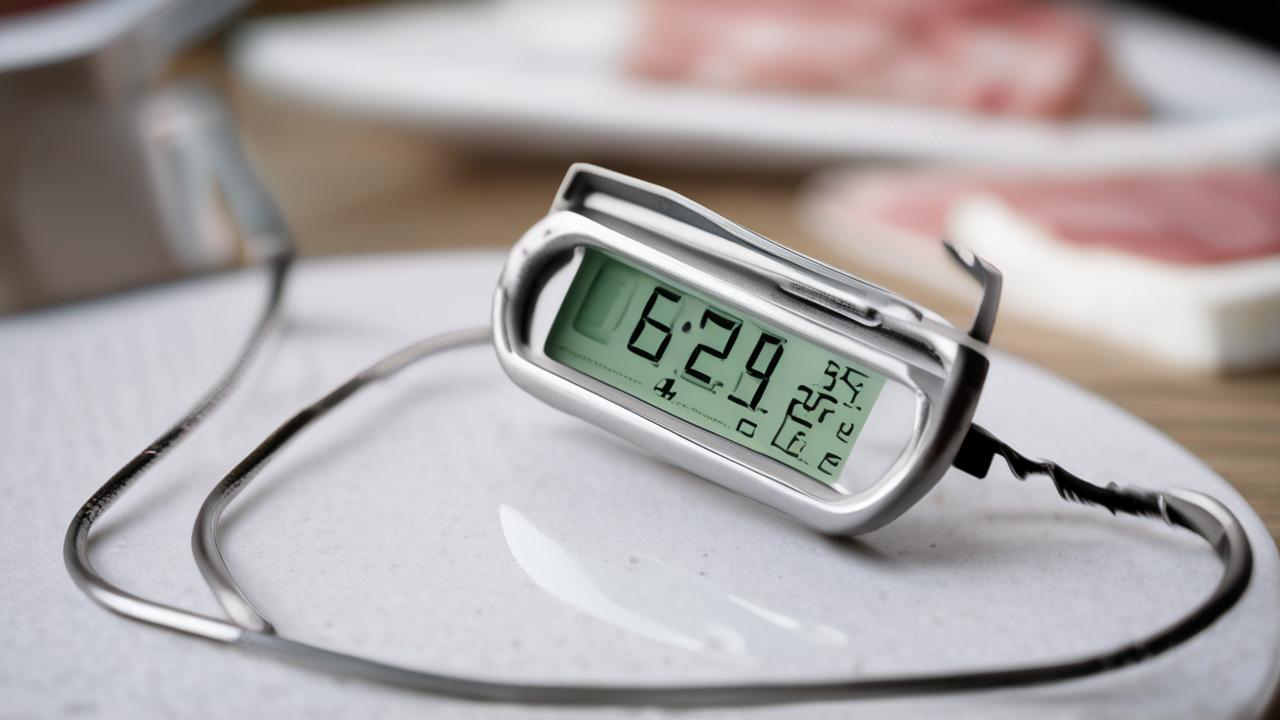
A thermometer that isn’t accurate is more than just unhelpful; it can be dangerous. Using a thermometer that reads too low can lead to undercooked food, while one that reads too high might cause you to overcook your meal. This section will show you how to test your thermometer to make sure it’s giving you the right numbers, every time you cook.
The Ice Bath Test
This is a simple and common way to check if your thermometer is calibrated correctly. It uses a known temperature – the freezing point of water.
- Prepare an ice bath: Fill a glass or bowl with crushed ice. Then, add enough cold water so that the ice is submerged and you have a mixture of ice and water.
An ice bath is essential because ice water is always at a consistent temperature of 32 degrees Fahrenheit (0 degrees Celsius) when it’s at sea level. Using crushed ice helps create more surface area for the thermometer probe to interact with, leading to a more accurate reading of the water’s temperature.
- Insert the thermometer: Stir the ice and water mixture gently. Then, insert the probe of your meat thermometer into the mixture. Make sure the probe is fully submerged in the water and not touching the sides or bottom of the container.
Stirring ensures that the temperature of the ice and water is uniform throughout the mixture. Keeping the probe away from the container walls and bottom is critical because these surfaces might be warmer or colder than the actual ice water. This isolation allows the thermometer to measure only the temperature of the liquid.
- Read the temperature: Let the thermometer sit in the ice bath for about 30 seconds, or until the reading stabilizes. It should read 32°F (0°C).
The reading needs a moment to adjust to the temperature of the ice bath. Once the numbers stop changing, you have a stable reading. If your thermometer reads 32°F (0°C), it’s accurate at this temperature.
This is a good sign for its overall reliability.
The Boiling Water Test
This test uses another known temperature – the boiling point of water. This is a great way to check accuracy at a higher temperature range.
- Boil water: Fill a pot with water and bring it to a rolling boil on the stovetop. Make sure there’s enough water so the thermometer probe can be fully submerged.
Using a rolling boil ensures the water is as hot as it can get under the current atmospheric conditions. A steady boil means the temperature is stable. This is important because the boiling point of water changes slightly with altitude.
A strong boil indicates you are close to the maximum possible temperature for that location.
- Insert the thermometer: Carefully place the probe into the boiling water. Again, avoid letting it touch the sides or bottom of the pot.
Just like with the ice bath, keeping the probe from touching the pot is key. The pot itself can be much hotter than the water, or the burner beneath it might affect the reading. You want to measure the actual temperature of the water vapor and steam.
- Read the temperature: Allow the thermometer to sit for about 30 seconds, or until the reading is steady. At sea level, the boiling point of water is 212°F (100°C).
The reading should settle around 212°F (100°C) at sea level. If your thermometer shows a reading close to this, it’s considered accurate for higher temperatures. Small variations are normal, but a big difference might mean your thermometer needs recalibration or replacement.
What to Do If Your Thermometer is Inaccurate
If your thermometer doesn’t pass the ice bath or boiling water test, don’t panic! There are usually simple fixes.
- Recalibrate digital thermometers: Many digital meat thermometers have a recalibration feature. Check your thermometer’s manual for instructions. This often involves pressing a button or setting the correct temperature during a test.
Recalibrating tells the thermometer what the correct temperature is at that moment. For example, if you do the ice bath test and it reads 34°F, recalibrating it to 32°F tells the device that 32°F is its new zero point. This is usually a quick process that restores accuracy.
- Adjust analog thermometers: Some older, dial-type thermometers can be adjusted. Often, there’s a small nut or screw on the back of the dial that you can turn with pliers to move the needle to the correct position during a test.
Adjusting analog thermometers requires a gentle touch. You’ll need to hold the dial steady and carefully turn the adjustment screw until the needle points to the correct temperature. Be patient, as it might take a few tries to get it just right.
If the needle is stuck or the mechanism seems broken, it might be time for a new one.
- Consider replacement: If your thermometer cannot be recalibrated or adjusted, or if it’s old and showing signs of wear, it’s time to buy a new one. Accuracy is vital for safe cooking.
Safety comes first. An inaccurate thermometer can lead to undercooked or overcooked food, both of which are undesirable. Investing in a new, reliable thermometer is a small price to pay for peace of mind and perfectly cooked meals.
Look for models with good reviews for accuracy and durability.
Storing Your Meat Thermometer for Longevity
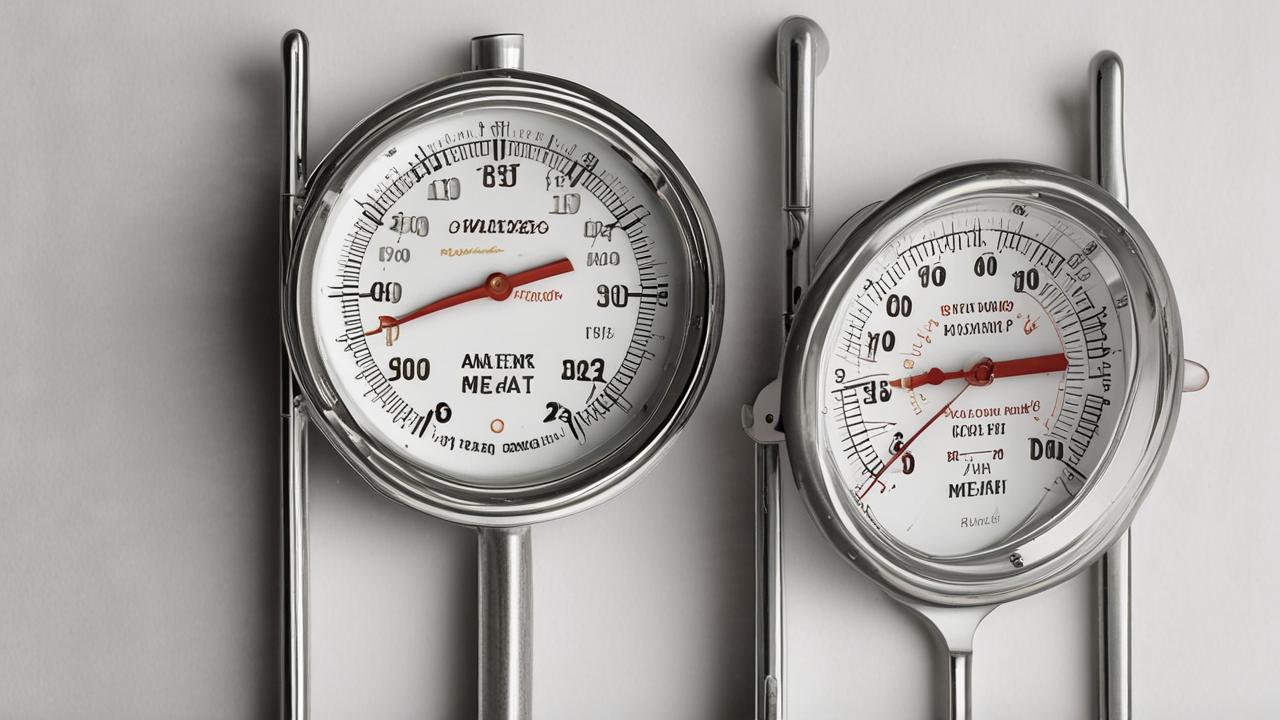
How you store your thermometer when you’re not using it plays a big role in how long it lasts and how well it works. Proper storage protects the probe and any electronic parts from damage and keeps it ready for your next cooking adventure.
Safe Storage Practices
Think of storage as giving your thermometer a safe place to rest between uses.
- Use the protective sleeve or case: Most meat thermometers come with a plastic sleeve or a small case. Always use this to cover the probe. It prevents accidental damage to the sharp tip and keeps it clean.
The protective sleeve is designed to shield the most sensitive part of the thermometer. It acts like a little helmet for the probe, preventing it from getting bent, broken, or dull. It also stops dirt and dust from settling on the probe, which is important for hygiene.
- Store in a dry place: Avoid storing your thermometer in humid areas like near the sink or in a damp drawer. Moisture can lead to rust on metal parts or damage to electronic components.
Dry storage is crucial for preventing corrosion. If you live in a humid climate, consider using a small dehumidifier pack in the drawer where you store your thermometer. This extra step can make a big difference in preventing rust and maintaining the integrity of the device.
- Keep away from extreme temperatures: Don’t store your thermometer near a hot oven, stove, or in direct sunlight. Extreme heat can damage the internal workings of digital thermometers and warp plastic parts on any type.
Extreme temperatures can cause materials to degrade or lose their effectiveness. For digital thermometers, the battery and internal circuits can be affected. For all types, prolonged exposure to heat can make the plastic housing brittle or cause parts to warp, affecting its functionality and lifespan.
- Avoid crushing or bending: Make sure your thermometer isn’t stored where heavy items could fall on it or where it might get bent. A bent probe can affect accuracy and make it difficult to insert into meat.
A bent probe isn’t just unsightly; it can be a functional problem. If the probe is bent at an angle, it might not be able to reach the center of thick cuts of meat properly. It can also be harder to clean if the tip is misshapen, potentially leading to food safety issues.
Common Storage Mistakes to Avoid
Knowing what not to do is just as important as knowing what to do.
- Leaving it in a drawer with sharp objects: Don’t toss your thermometer into a drawer with knives or other sharp utensils. This can easily scratch or bend the probe, damaging its accuracy and making it unsafe.
This is a very common mistake. A kitchen drawer can be a chaotic place. If your thermometer is loose among other tools, it’s highly likely to get damaged.
A dedicated spot, perhaps in its case, is much safer. Think of it like protecting a delicate tool from rough handling.
- Storing near cleaning chemicals: Keeping your thermometer next to harsh cleaning supplies can be risky. Fumes from some chemicals might transfer to the probe, affecting its surface or even leaving harmful residues.
Some cleaning products have strong odors or corrosive properties. If your thermometer is stored too close, these fumes can slowly damage the metal or plastic over time. It’s best to keep cooking tools separate from cleaning agents, especially anything with strong scents or warnings.
- Leaving it exposed in a toolbox or cooking kit: If you take your thermometer camping or to barbecues, don’t just toss it in a general toolbox. It needs its protective sleeve and a secure spot.
When transporting your thermometer, it’s especially vulnerable. A toolbox might have sharp edges or heavy items that could crush it. Ensuring it’s in its original case or a padded container will prevent damage while you’re on the go.
This keeps it safe from bumps and impacts.
Troubleshooting Common Meat Thermometer Issues
Even with the best care, you might run into a problem with your meat thermometer. This part helps you figure out what’s going on and how to fix it. Knowing these common issues can save you from throwing away a perfectly good thermometer.
Digital Thermometer Problems
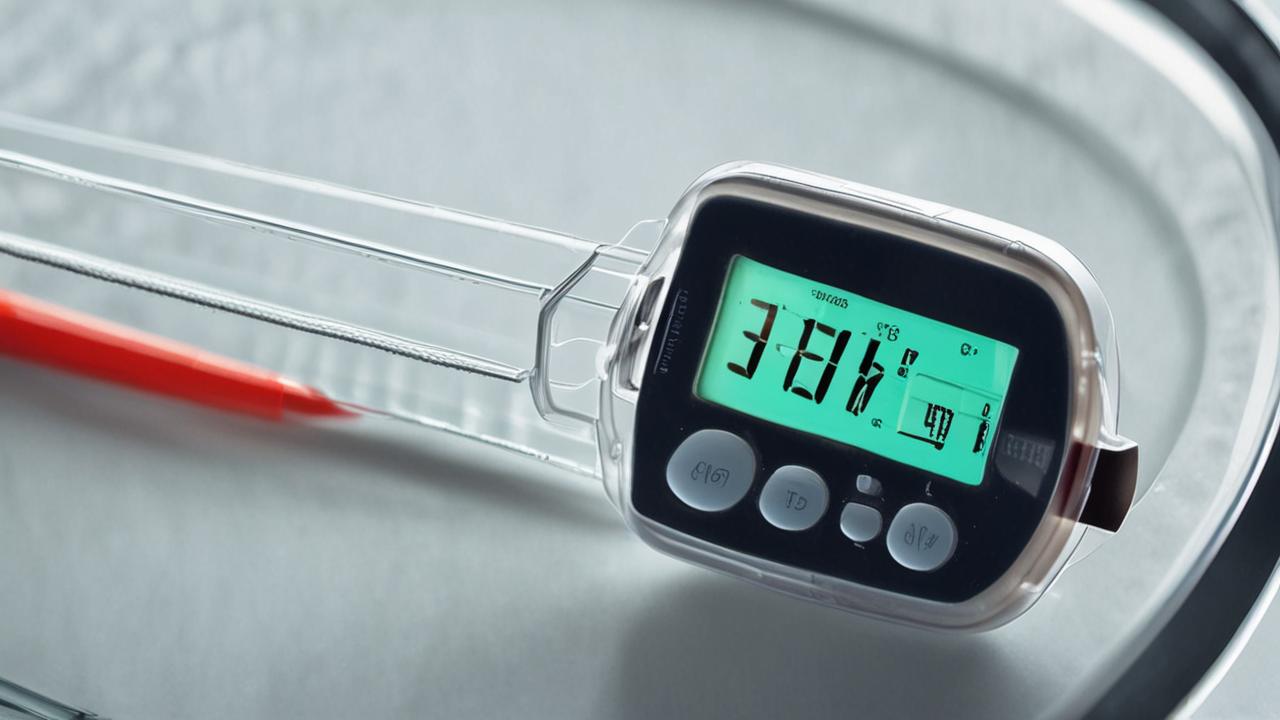
Digital thermometers are handy but can sometimes act up.
- Display not working: If the screen is blank, first check the battery.
A dead or low battery is the most common reason for a blank display. Batteries can drain over time, even if the thermometer isn’t actively in use. Sometimes, a battery might just be old and no longer hold a charge well.
Checking and replacing it is the easiest fix.
- Inaccurate readings: This could be due to a need for recalibration (see accuracy section) or a faulty sensor. Ensure the probe is clean and dry.
If the probe has food residue or moisture, it can interfere with the sensor’s ability to read the true temperature. If recalibration doesn’t help, the sensor itself might be damaged, which often means it’s time for a new thermometer.
- Slow response time: Some digital thermometers take a moment to register the temperature. If yours seems excessively slow, it might be a sign of aging components or a lower-quality model.
A slow response can be frustrating, especially when you’re trying to quickly check the doneness of meat. While some lag is normal, if it’s taking minutes to get a reading, it might be a sign that the thermometer is starting to fail. Instant-read models are designed to be quick.
Analog Thermometer Problems
These classic thermometers are simpler but still have issues.
- Needle not returning to zero: If the needle sticks or doesn’t go back to the starting point after use, it might need adjustment (see accuracy section) or the internal spring might be worn out.
The spring mechanism inside analog thermometers can weaken over time. If the needle doesn’t settle properly after each reading, it indicates that the calibration is off, and it might not be reliable anymore. Gentle adjustment can sometimes fix this, but repeated issues suggest wear.
- Foggy display or condensation: This often means the seal is broken, letting moisture in. If the probe itself is also foggy, it could be damaged.
Condensation inside the dial means the thermometer is no longer watertight. This moisture can corrode the internal parts and cause the needle to stick or read incorrectly. If this happens, the thermometer is likely compromised and may need to be replaced.
- Probe is bent or damaged: A bent probe can make it hard to insert the thermometer into meat and can affect its accuracy. Sometimes, you can gently straighten it, but be careful not to break it further.
The probe is the heart of the thermometer. If it’s visibly bent, it might not be able to reach the correct spot inside the meat for an accurate reading. While minor bends can sometimes be corrected, significant damage often means the thermometer’s usefulness is over.
When to Replace Your Meat Thermometer
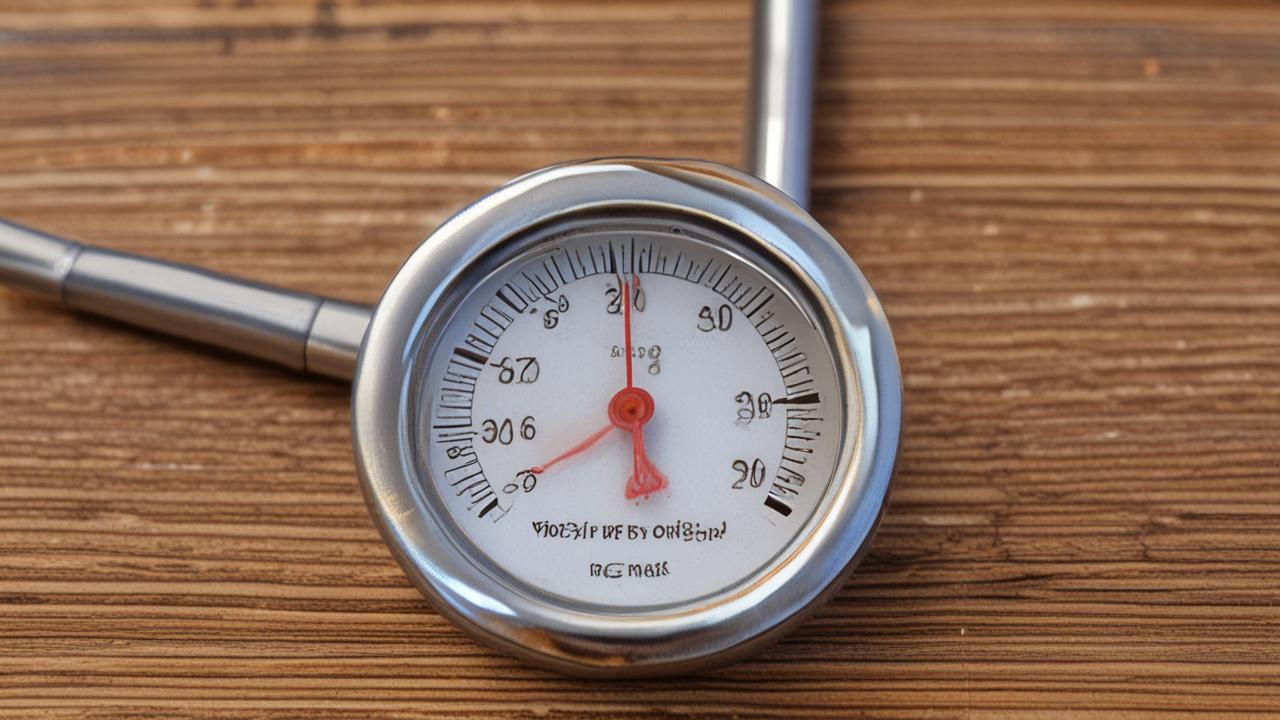
Knowing when a thermometer has reached the end of its useful life is important for cooking safety and quality. Don’t keep using a thermometer that isn’t reliable.
- Consistent inaccurate readings: If your thermometer consistently fails accuracy tests, even after attempting recalibration or adjustment, it’s time for a new one.
Reliability is key. If you can’t trust the numbers your thermometer gives you, it’s a safety hazard in the kitchen. Forgetting to check accuracy can lead to foodborne illnesses from undercooked food or wasted food from overcooking.
- Physical damage: Cracked casing, a bent or broken probe, or a display that’s hard to read means the thermometer is likely beyond repair and should be replaced.
Visible damage is a clear sign that the thermometer’s integrity is compromised. A cracked casing might expose sensitive electronics, and a broken probe makes it impossible to get a proper reading. Safety first means replacing damaged tools.
- Rust or corrosion: While minor surface rust on some analog models might be cleaned, significant rust or corrosion, especially on digital thermometers, indicates internal damage and unreliability.
Rust is a sign that the metal is degrading. This can affect its ability to conduct heat accurately and can also transfer unpleasant tastes to your food. It’s a strong signal that the thermometer has served its purpose and should be retired.
- Old age: Even well-maintained thermometers don’t last forever. Digital ones have batteries and electronic components that can degrade. Analog ones have springs and mechanisms that can wear out. Aim to replace yours every 5-7 years.
Like many tools, thermometers have a lifespan. Over time, their accuracy can drift, or their components can simply wear out. Replacing your thermometer every few years ensures you’re always using a reliable and safe cooking tool.
It’s a small investment for consistent results.
Frequently Asked Questions
Question: How often should I clean my meat thermometer?
Answer: You should clean your meat thermometer after every single use. A quick wipe with a damp cloth is usually enough, but use warm, soapy water for tougher bits. This keeps it hygienic and ready for the next time.
Question: Can I put my meat thermometer in the dishwasher?
Answer: Generally, it’s best not to. Dishwashers can be too harsh for most meat thermometers. The high heat and strong detergents can damage the electronic components of digital thermometers or corrode the metal on analog ones.
Hand washing is safer.
Question: My digital thermometer is showing random numbers. What should I do?
Answer: First, try replacing the battery. If that doesn’t work, ensure the probe is clean and dry. If it still shows random numbers, it might need to be recalibrated, or the thermometer might be damaged and need replacement.
Question: How can I tell if my thermometer is accurate without testing it?
Answer: You can’t be completely sure without testing. However, if your thermometer is relatively new, was stored properly, and you’ve always cleaned it carefully, it’s likely to be reasonably accurate. For best results, always perform the ice bath and boiling water tests periodically.
Question: Is it okay if the thermometer probe gets a little scratched?
Answer: Minor scratches might not immediately affect accuracy, but they can create areas where bacteria can hide. Over time, significant scratches can also lead to rust. If the probe is heavily scratched or pitted, it’s a good idea to consider replacing the thermometer for food safety.
Summary
Keeping your meat thermometer clean, accurate, and properly stored is key to great cooking. By following simple cleaning steps and doing regular accuracy checks, you ensure your food is safe and perfectly cooked. Knowing when to replace it means you’re always using the best tool for the job.
Your thermometer will be a reliable partner in the kitchen for a long time.