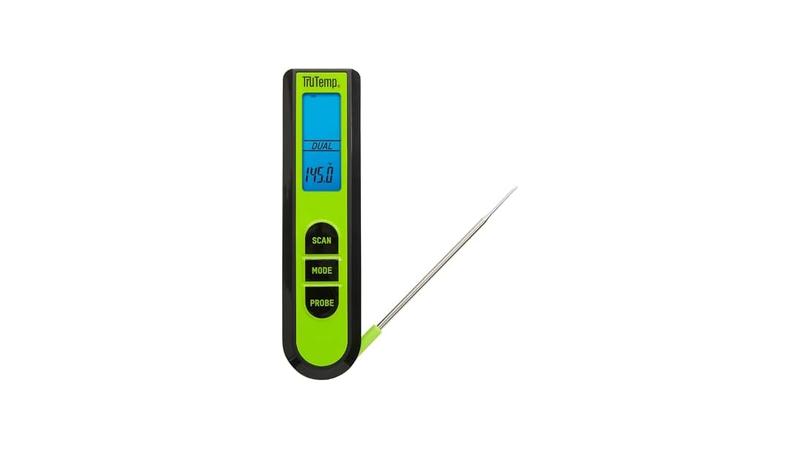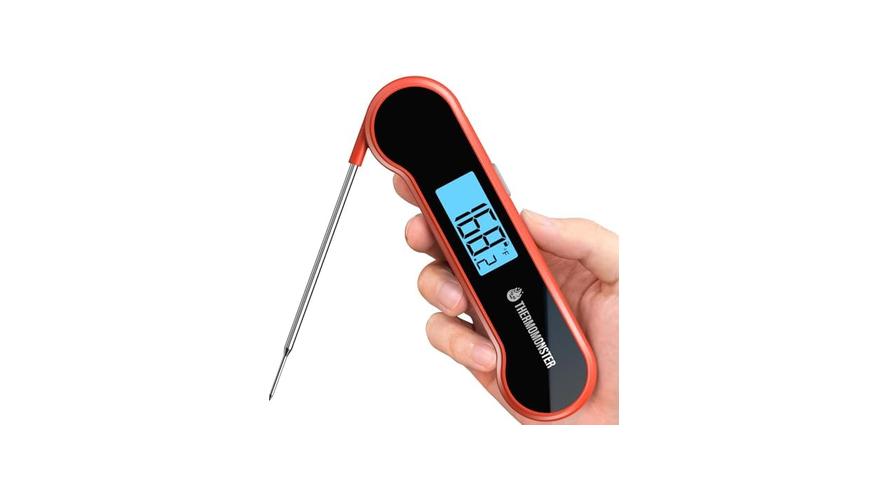
Cooking meat to the correct internal temperature is essential for both food safety and flavor. Undercooked meat can pose health risks, while overcooked meat can result in dryness and loss of texture. This comprehensive temperature chart provides USDA-recommended safe cooking temperatures along with doneness levels for popular meats.
Use this guide alongside a reliable meat thermometer to ensure accurate results every time.
Safe Minimum Internal Temperatures (USDA Guidelines)
These temperatures are measured at the thickest part of the meat using a calibrated food thermometer.
Poultry
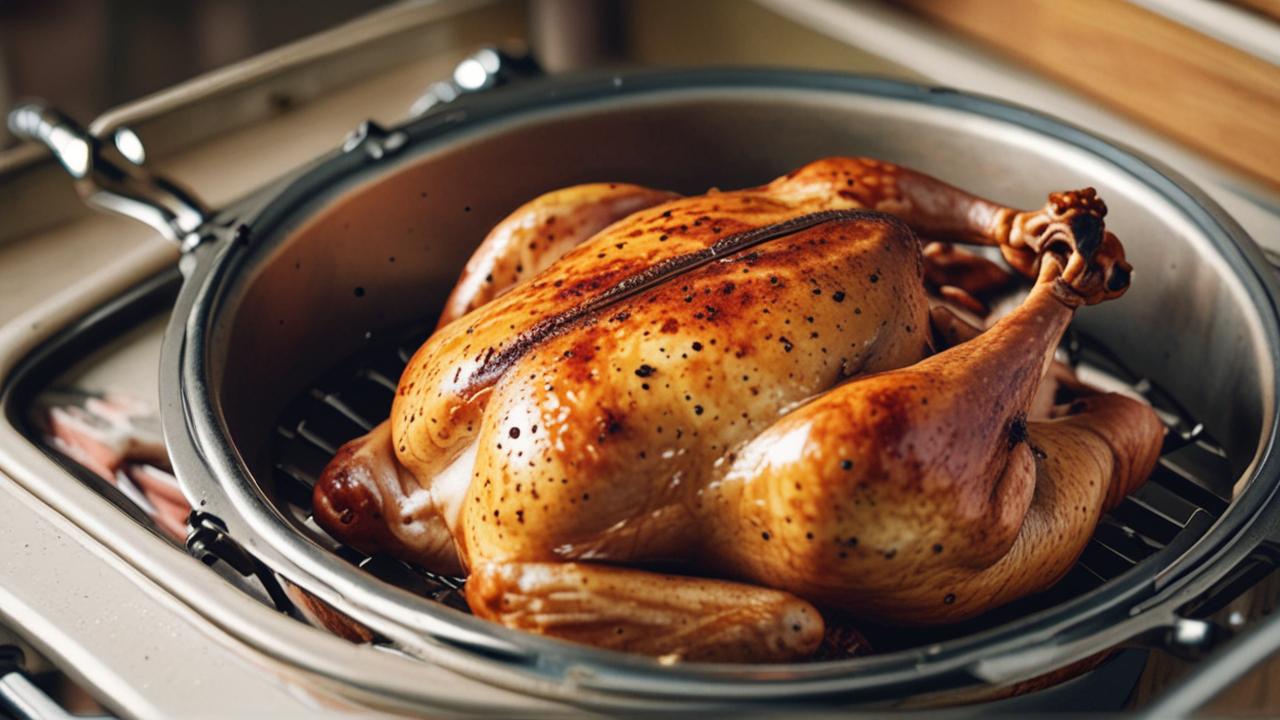
- Chicken (whole or parts): 165°F (74°C)
- Turkey (whole or parts): 165°F (74°C)
- Ground Chicken or Turkey: 165°F (74°C)
Poultry must always reach 165°F to eliminate harmful bacteria.
Beef
- Ground Beef: 160°F (71°C)
- Steaks & Roasts: 145°F (63°C) + 3-minute rest
For whole cuts like steak and roasts, allow a minimum 3-minute rest time after removing from heat.
Pork
- Pork Chops / Pork Loin / Pork Roast: 145°F (63°C) + 3-minute rest
- Ground Pork: 160°F (71°C)
Modern USDA guidelines allow pork to be safely consumed at 145°F with proper resting time.
Lamb
- Lamb Chops / Roast: 145°F (63°C) + 3-minute rest
- Ground Lamb: 160°F (71°C)
Veal
- Veal Chops / Roast: 145°F (63°C) + 3-minute rest
- Ground Veal: 160°F (71°C)
Steak Doneness Temperature Chart
The following chart provides internal temperature ranges for beef steaks based on preferred doneness levels:
- Rare: 120–125°F (49–52°C)
- Medium Rare: 130–135°F (54–57°C)
- Medium: 140–145°F (60–63°C)
- Medium Well: 150–155°F (65–68°C)
- Well Done: 160°F+ (71°C+)
For optimal juiciness and tenderness, medium rare (130–135°F) is commonly preferred for premium cuts.
Brisket & BBQ Temperature Guide
Low-and-slow cooking requires higher internal temperatures for connective tissue breakdown:
- Brisket (fully done): 195–205°F
- Pulled Pork: 195–205°F
- Ribs: 190–203°F
At these temperatures, collagen breaks down properly, resulting in tender meat.
Ham Temperature Guide
- Fresh Ham (raw): 145°F + 3-minute rest
- Pre-cooked Ham (reheat): 140°F
Fish & Seafood
- Fish: 145°F
Fish should appear opaque and flake easily with a fork.
Resting Time Matters
For whole cuts of beef, pork, lamb, and veal, allow at least a 3-minute rest after removing from heat. Resting helps redistribute juices and ensures food safety compliance.
How to Measure Temperature Correctly
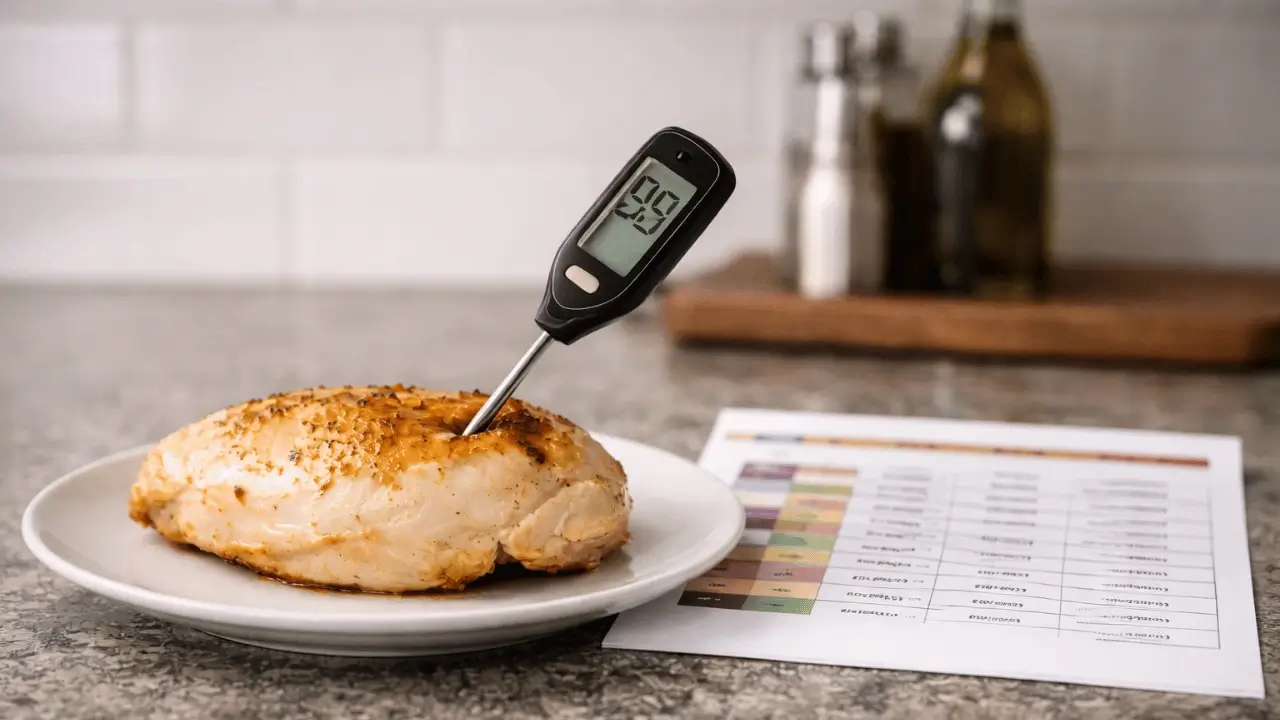
- Insert the thermometer into the thickest part of the meat.
- Avoid touching bone, fat, or gristle.
- For poultry, check the innermost thigh and breast area.
- For steaks and chops, insert from the side toward the center.
Using a properly calibrated digital meat thermometer provides the most accurate reading.
Why Internal Temperature Is More Reliable Than Cooking Time
Cooking time can vary due to:
- Thickness of the cut
- Cooking method (grill, smoker, oven)
- Starting temperature of meat
- Outdoor weather conditions
Internal temperature is the only reliable indicator of doneness and safety.
Important Food Safety Reminder
Always use a food thermometer rather than relying on color alone. Meat color is not a dependable indicator of doneness. Following safe temperature guidelines significantly reduces the risk of foodborne illness.
For detailed guides, troubleshooting tips, and thermometer recommendations, explore our buying guides and how-to resources to cook with precision and confidence.